Water Heater Repair: Quick Fixes and When to Call a Pro
If you’ve ever stepped into a cold shower because the water heater gave up, you know how annoying it can be. The good news is many water‑heater problems are easy to spot and even easier to fix. Below we break down the most common issues, simple DIY steps, and the signs that it’s time to call in Wells Appliance Repairs.
Spot the Warning Signs Early
Before you start tearing apart the unit, look for these red flags:
- No hot water at all – Often a broken thermostat or a tripped breaker.
- Water that’s warm but not hot – Sediment build‑up in the tank can block heat transfer.
- Strange noises – Rumbling or popping usually means mineral deposits are heating too fast.
- Leaks around the base – A cracked tank or a loose drain valve needs professional attention.
- Discolored or foul‑smelling water – Could be rust or bacterial growth inside the tank.
Catch these early and you’ll save time, money, and the hassle of a full replacement.
DIY Troubleshooting Steps
Most homeowners can safely handle the first few checks. Here’s a quick roadmap:
- Check the power source. For electric heaters, make sure the breaker hasn’t tripped. Flip it off and on again. For gas units, verify the pilot light is lit.
- Reset the thermostat. Some models have a reset button near the thermostat. Press it and wait a few minutes for the heater to fire up.
- Flush the tank. Turn off power or gas, attach a garden hose to the drain valve, and let the water run until it’s clear. This removes sediment that causes uneven heating.
- Inspect the anode rod. The rod prevents rust inside the tank. If it’s corroded, replace it – it’s a cheap fix that can extend the heater’s life.
- Test the temperature setting. Set it to 120°F (49°C). Anything much higher can cause overheating and waste energy.
If the heater still won’t produce hot water after these steps, it’s probably time to call a pro.
At Wells Appliance Repairs we specialize in water heater repair, replacement, and maintenance. Our technicians can diagnose hidden faults like a failing heating element or a cracked tank, and we’ll give you a clear quote before any work starts.
Regular maintenance keeps your heater running efficiently and prevents costly breakdowns. We recommend a professional flush and inspection at least once a year, especially if you have hard water. A quick visual check of the pressure‑relief valve and drainage pipe every few months also helps catch early leaks.
When you’re ready to schedule a service, just give us a call or book online. We’ll send a qualified technician to your door, fix the issue fast, and make sure your showers stay warm.
Remember, a water heater is a big, expensive appliance. Don’t gamble with DIY fixes that could void warranties or cause safety hazards. Trust the experts at Wells Appliance Repairs for reliable, hassle‑free water heater repair.
Jul 12, 2026

Why Do I Have No Hot Water All of a Sudden? Quick Fixes & Repairs
0 Comments
Sudden loss of hot water? Learn quick fixes for gas and electric water heaters, including pilot light relighting, breaker resets, and sediment flushing.
Read MoreMay 31, 2026

How to Fix No Hot Water in Shower: A Step-by-Step Troubleshooting Guide
0 Comments
Discover how to fix no hot water in shower with this step-by-step guide. Learn to troubleshoot gas pilots, electric thermostats, and tankless errors without calling a plumber.
Read MoreMay 28, 2026
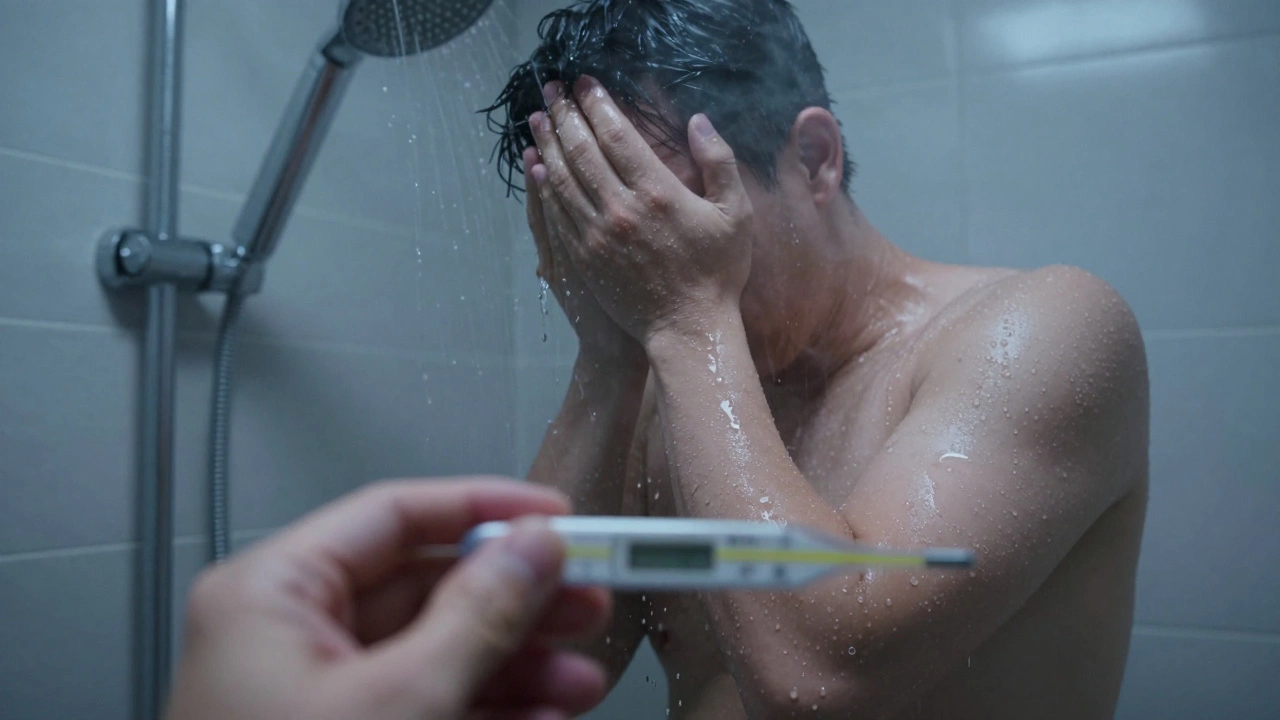
Why Hot Water Works at the Sink but Not in the Shower: Causes & Fixes
0 Comments
Hot water at the sink but not the shower? Learn how to diagnose clogged heads, failed mixing valves, and pressure issues. Simple DIY fixes and when to call a pro.
Read MoreMay 22, 2026
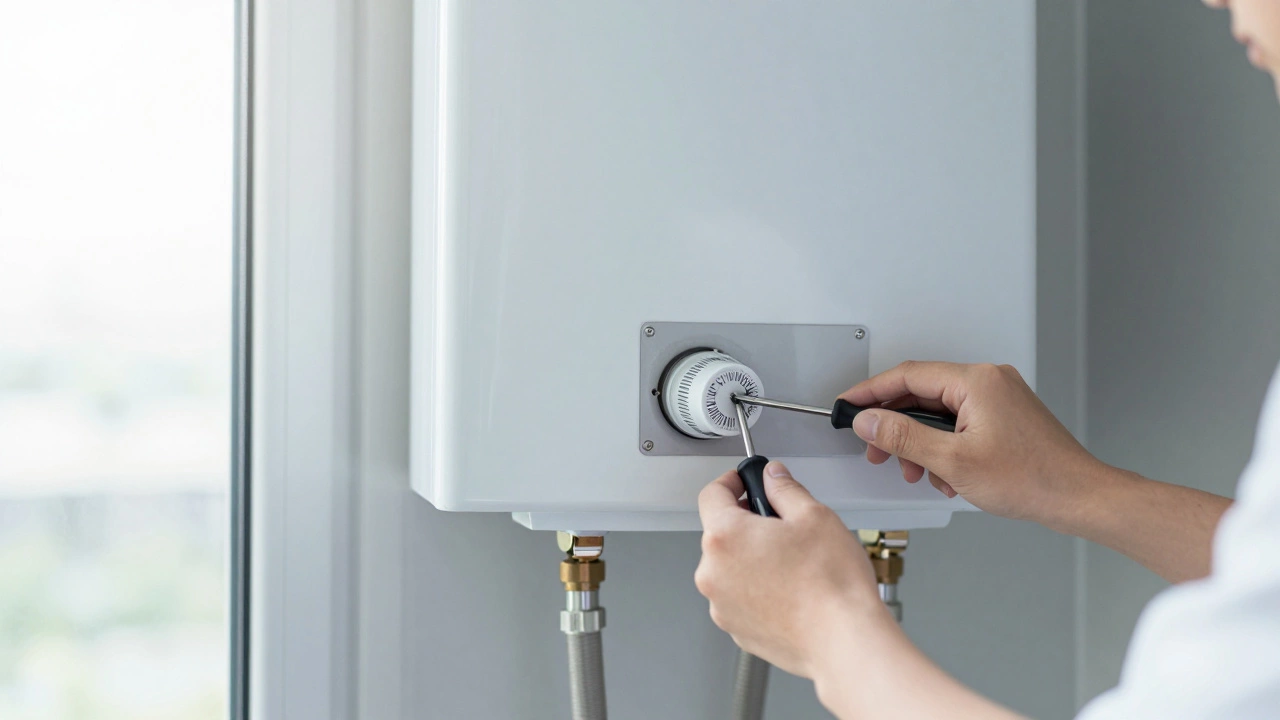
No Hot Water? The First Thing to Check and How to Fix It Fast
0 Comments
Discover the first thing to check when you have no hot water: the thermostat. Learn how to troubleshoot power issues, relight pilot lights, and fix common water heater problems safely.
Read MoreApr 13, 2026
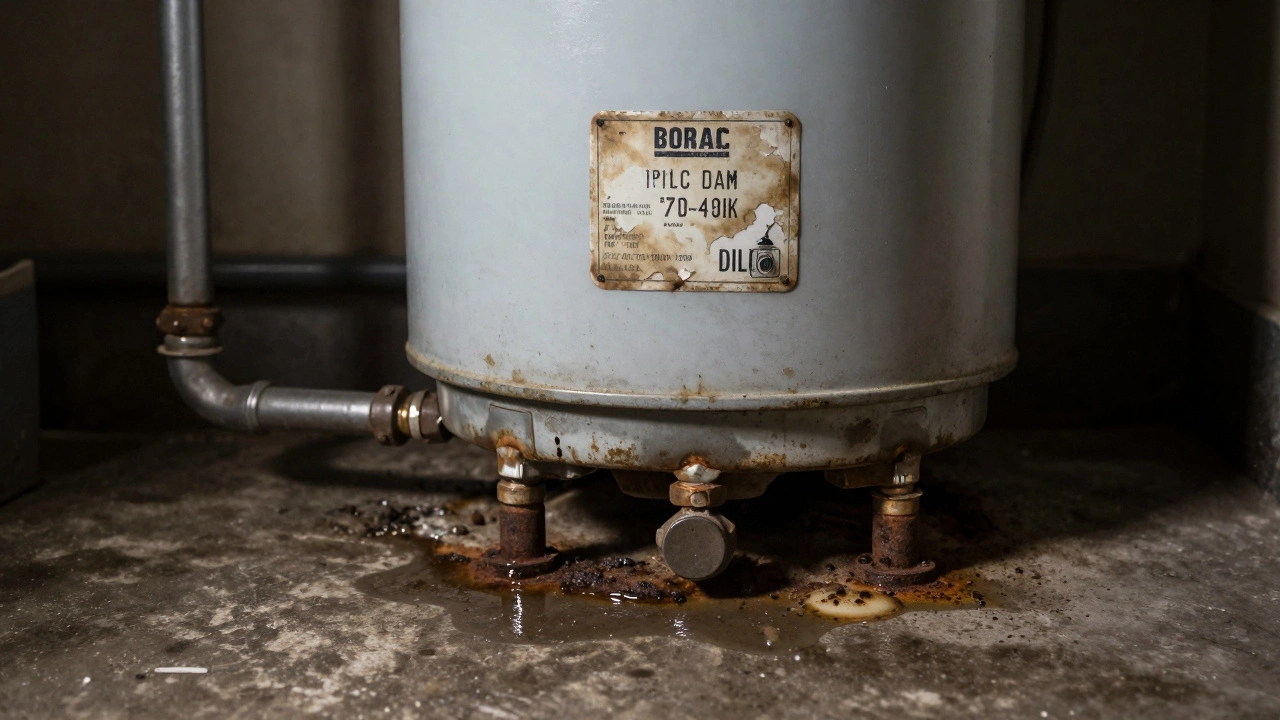
Is It Worth Fixing a 20 Year Old Water Heater? Repair vs Replace Guide
0 Comments
Should you repair or replace a 20-year-old water heater? Learn the 50% rule, signs of tank failure, and why most 20-year-old units are risks for flooding.
Read MoreFeb 12, 2026
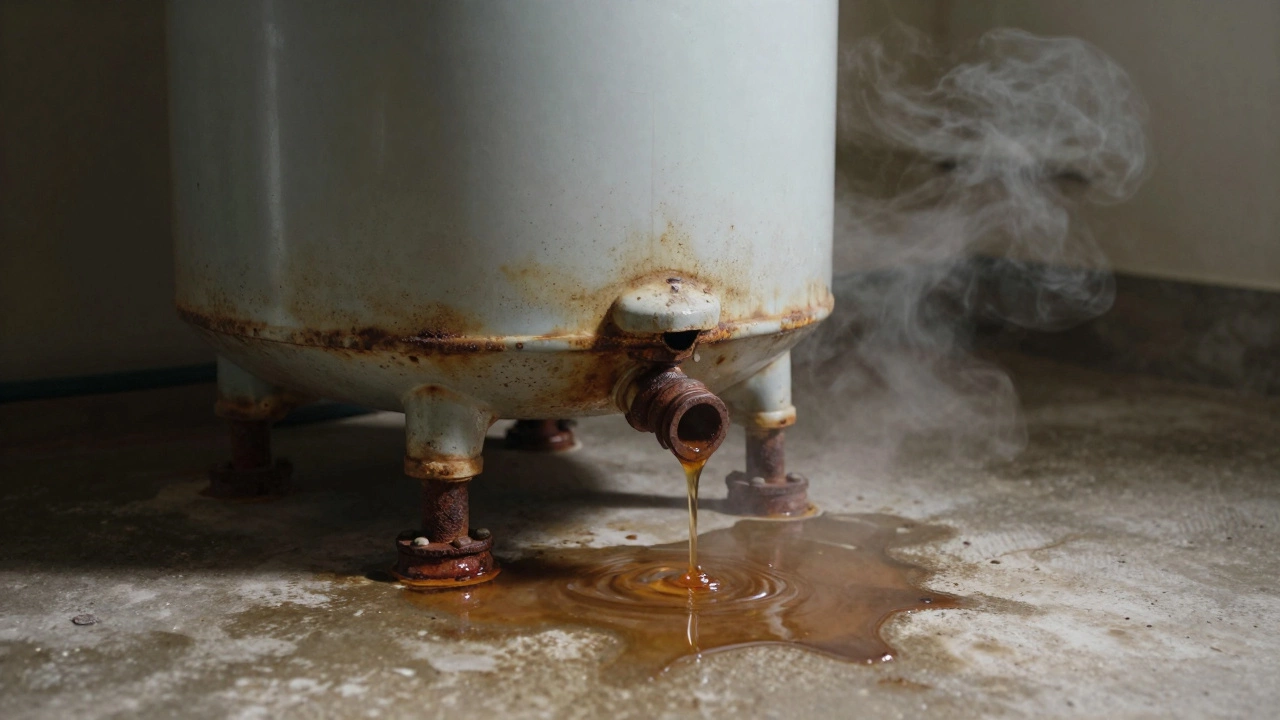
What Are the Signs of a Water Heater Going Bad?
0 Comments
Learn the key signs your water heater is failing-discolored water, strange noises, leaks, and age. Catching these early can prevent floods and costly emergency repairs. In Dunedin’s cold winters, reliable hot water isn’t optional.
Read MoreFeb 8, 2026
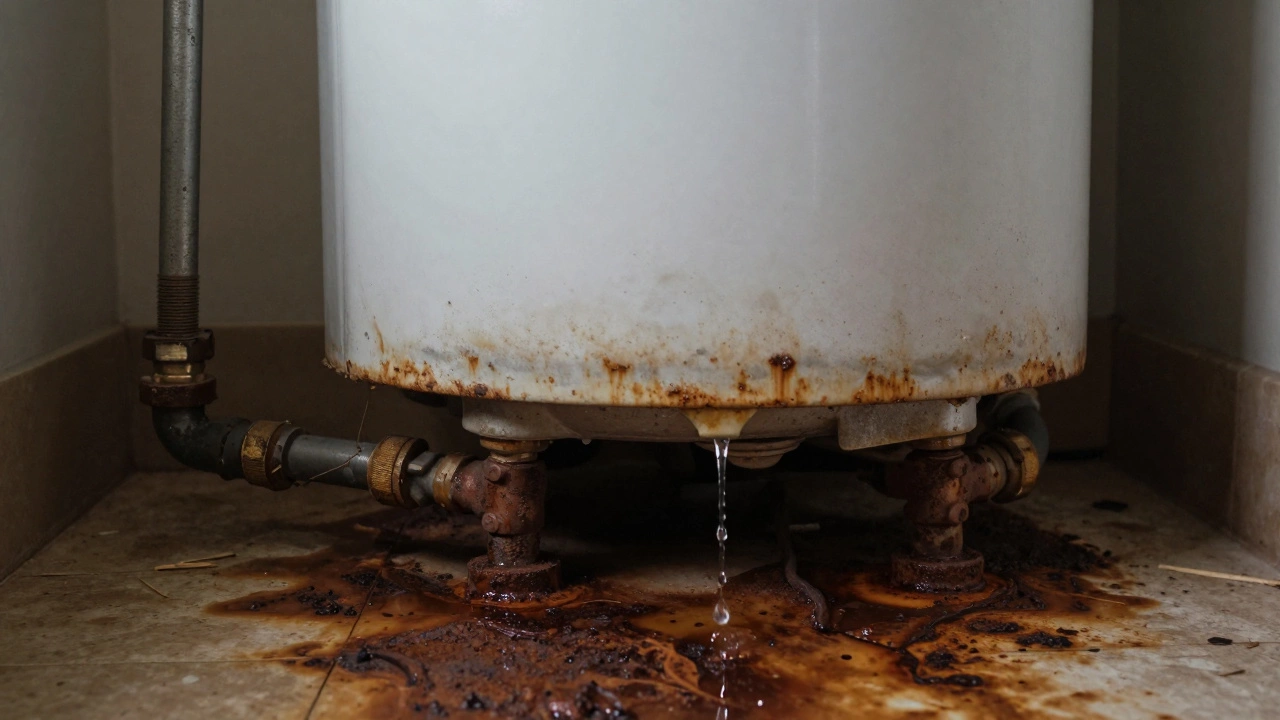
What Is the Most Common Problem with a Hot Water Heater?
0 Comments
The most common problem with a hot water heater is a leaking tank, often caused by corrosion from hard water and salty air. Learn how to spot early signs, prevent damage, and when to replace it.
Read MoreFeb 2, 2026
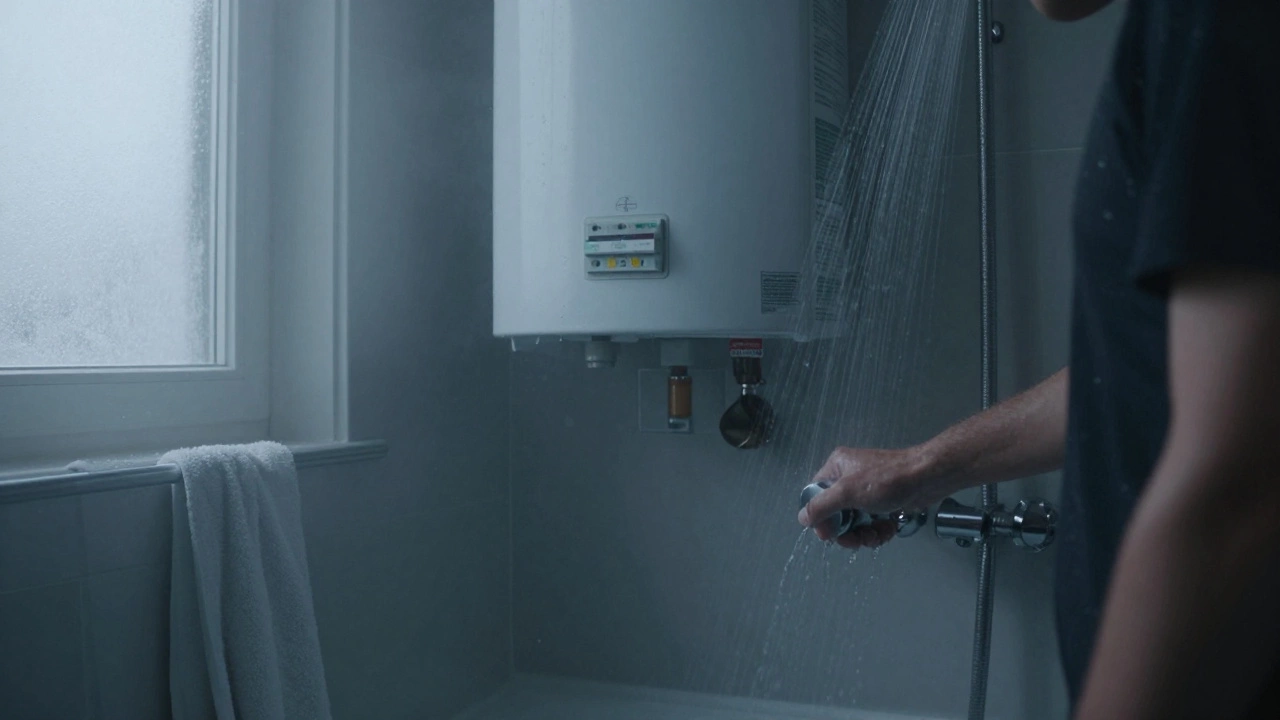
What to Do When Your Water Heater Is Not Working
0 Comments
When your water heater stops working, don't panic. Learn how to troubleshoot common issues like no power, tripped breakers, sediment buildup, and pilot light failure - and know when to call a pro.
Read MoreFeb 1, 2026
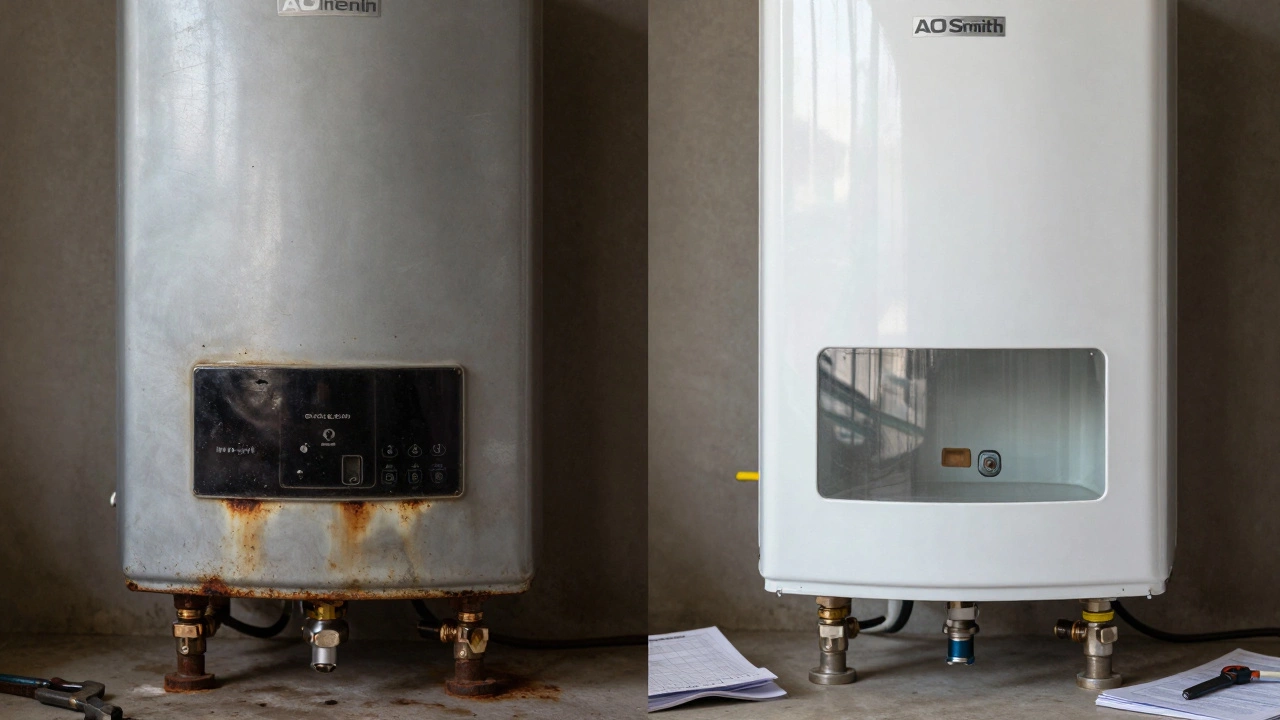
Rheem vs AO Smith Water Heaters: Which One Actually Lasts Longer?
0 Comments
Rheem and AO Smith are two top water heater brands. AO Smith lasts longer, handles hard water better, and has better warranty terms - making it the smarter long-term choice despite the higher upfront cost.
Read MoreJan 18, 2026
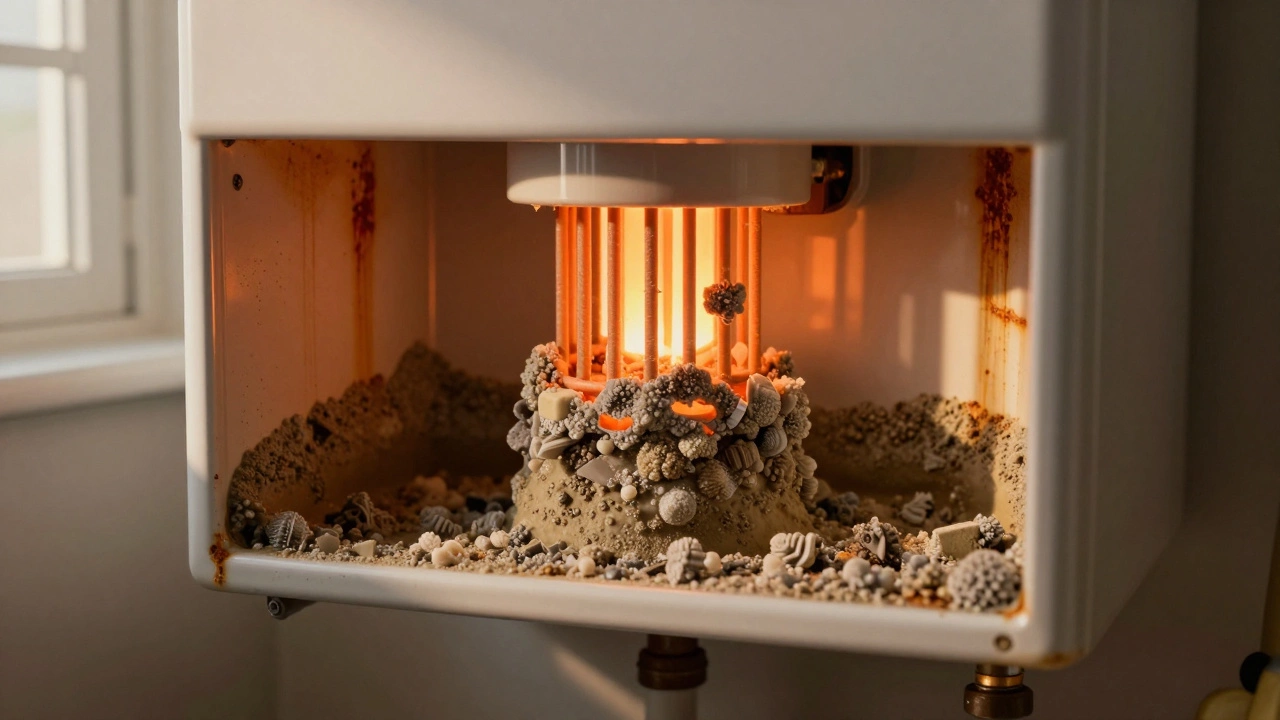
What Is the Most Common Cause of Water Heater Failure?
0 Comments
The most common cause of water heater failure is sediment buildup from hard water. Learn how to spot the signs, prevent damage, and extend your heater's life with simple annual maintenance.
Read MoreDec 1, 2025
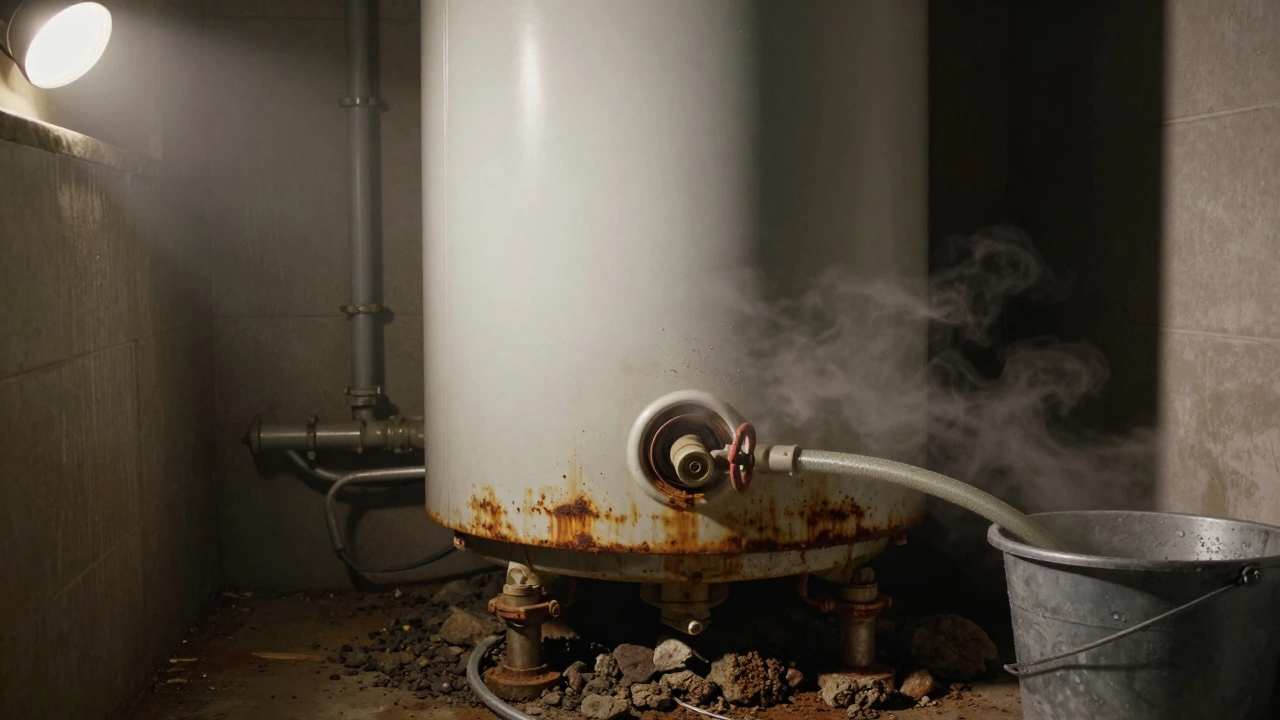
What Happens If You Never Flush Your Water Heater?
0 Comments
Never flushing your water heater leads to sediment buildup, higher bills, and early failure. Learn what happens over time and how to fix it before it breaks.
Read MoreNov 11, 2025
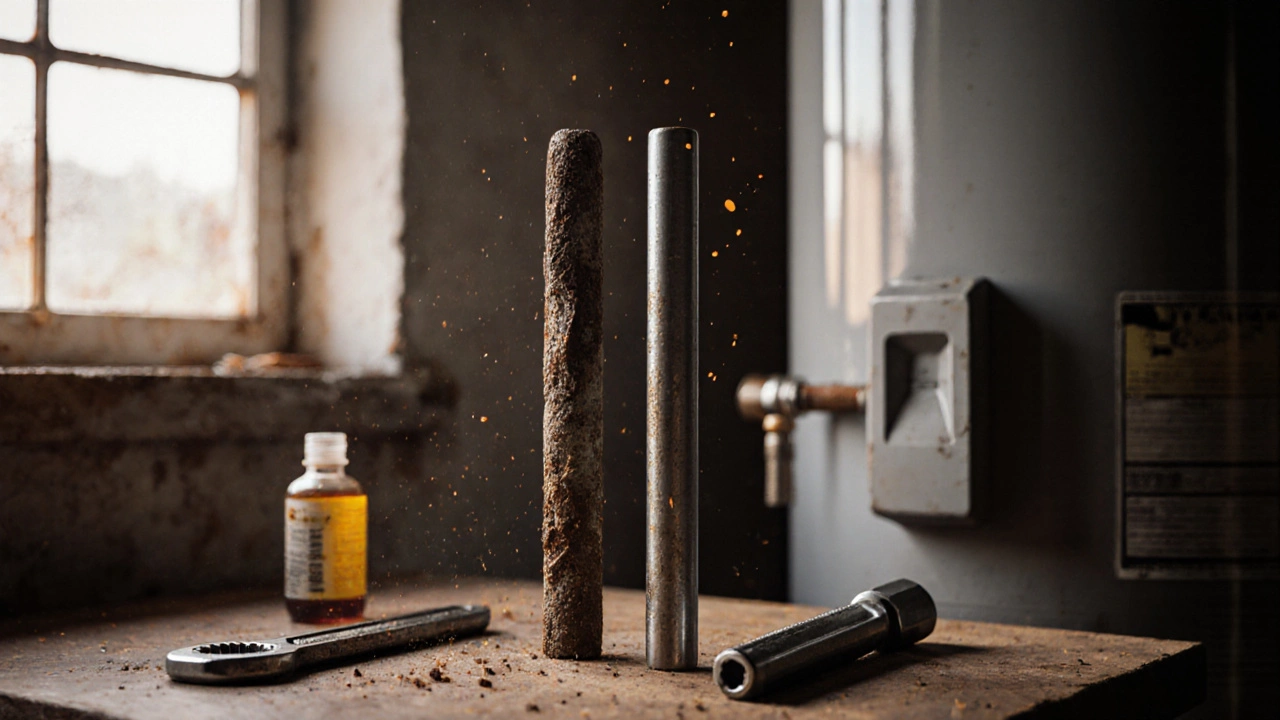
How Much Does It Cost to Replace the Anode Rod in a Water Heater?
0 Comments
Replacing your water heater's anode rod costs $150-$400 and can extend your heater’s life by years. Learn when to replace it, how to choose the right rod, and why skipping it risks costly damage.
Read More