If your hot water has started acting up, you’re not imagining things. A water heater doesn’t just stop working out of nowhere-it gives you plenty of warning signs before it gives out completely. Ignoring them can lead to a sudden breakdown, a flooded basement, or a cold shower in the middle of winter. In Dunedin, where winters get chilly and hot water isn’t a luxury but a necessity, knowing these signs can save you time, money, and stress.
Your water is discolored or smells bad
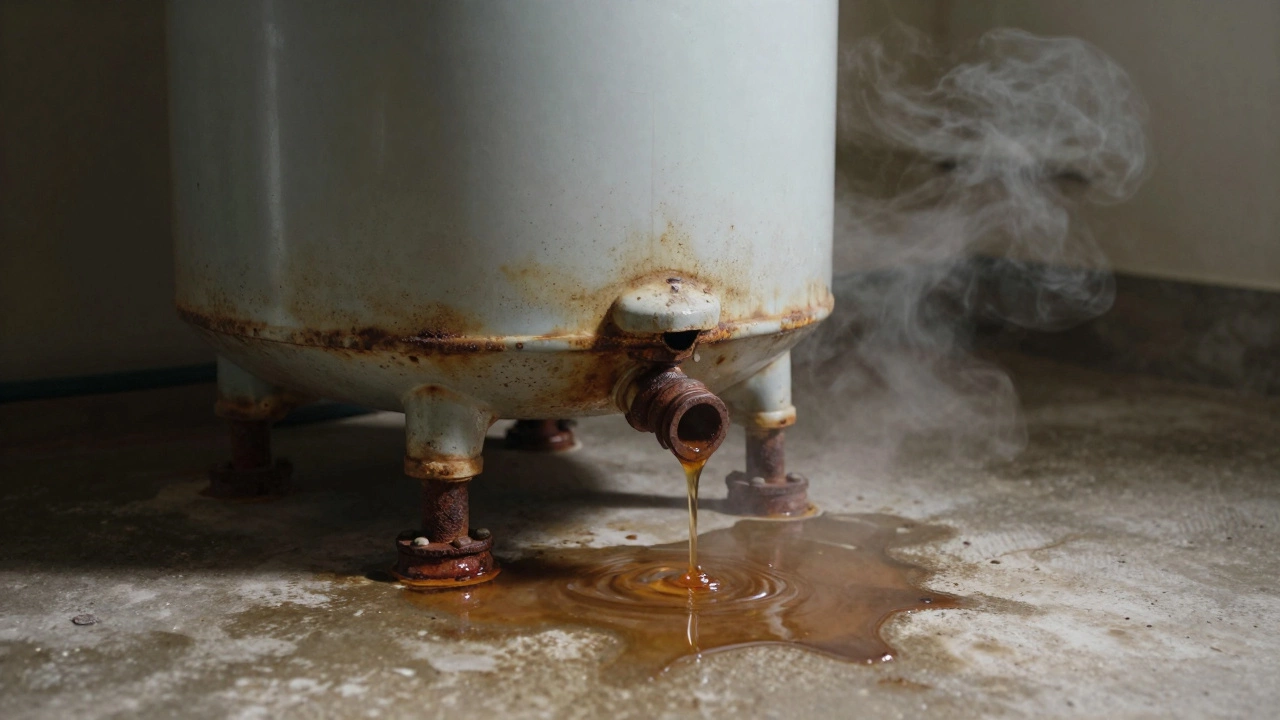
Clear, clean hot water is what you expect. If you turn on the tap and it comes out rusty, brown, or yellow, that’s a red flag. This usually means the inside of your tank is corroding. The anode rod, which protects the tank from rust, has worn out. Once it’s gone, the steel lining starts breaking down. A rotten egg smell? That’s sulfur bacteria feeding on the magnesium in the anode rod. It’s not dangerous, but it’s a sign your tank is aging and the internal environment is breaking down.
You hear strange noises
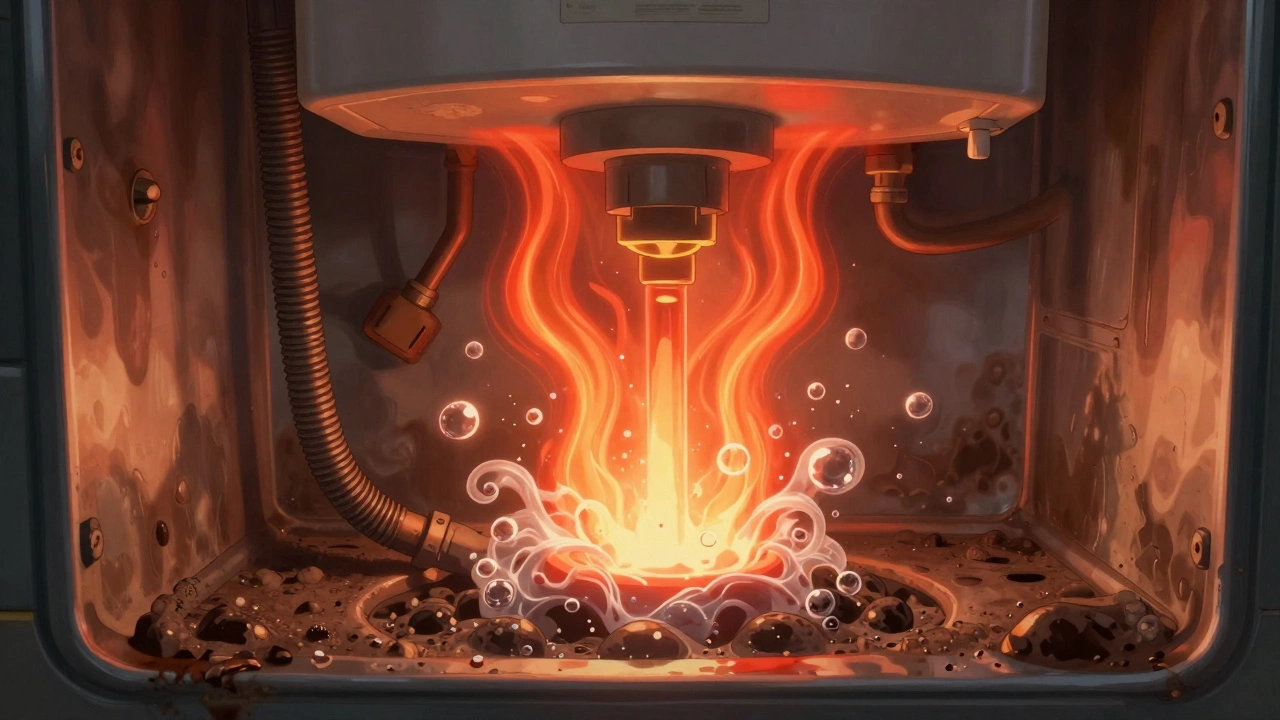
Every water heater makes some noise. A quiet hum or occasional gurgle is normal. But if you’re hearing loud banging, popping, or rumbling sounds, especially when the heater turns on, that’s sediment. Over time, minerals from hard water settle at the bottom of the tank. That layer traps heat, causing the water underneath to boil. It’s like a mini volcano inside your heater. This reduces efficiency, increases energy bills, and can crack the tank lining over time. Draining the tank once a year helps, but if the noise is constant, the damage might already be done.
Water temperature is inconsistent
One minute your shower is scalding hot, the next it’s icy. That’s not a thermostat issue-it’s a sign your heating element or gas burner is failing. Electric water heaters have two elements: one at the top, one at the bottom. If the bottom one dies, you get lukewarm water after the top layer runs out. Gas heaters with failing burners won’t heat the water evenly. You might also notice the heater takes longer than usual to recover after a shower. If it used to refill your tub in 20 minutes and now takes 45, something’s worn out.
There’s water pooling around the base
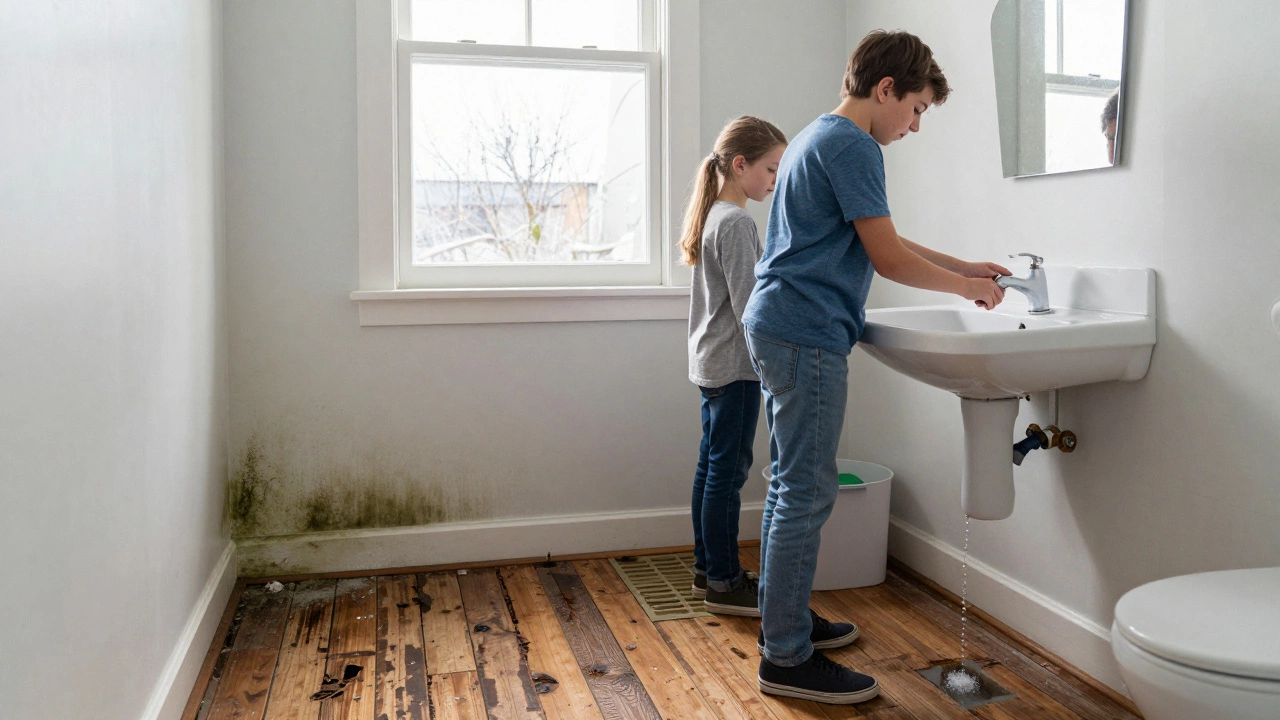
Even a small puddle under your water heater is serious. It could be a loose valve, a cracked pipe, or a leaking pressure relief valve. But if you’ve checked those and the leak is still there, it’s likely the tank itself. Steel tanks don’t rust overnight. When you see moisture, corrosion has already eaten through. Once the tank leaks, it’s not repairable. You can’t patch a rusted tank. Waiting too long risks flooding your laundry room or garage. In Dunedin’s damp climate, even a slow drip can rot floorboards and invite mold.
Your water heater is older than 10 years
Most water heaters last 8 to 12 years. If yours is 10 or older, it’s in the danger zone. Even if it’s still working, the components are nearing the end of their lifespan. Manufacturers design them to fail after about a decade-not because they’re poorly made, but because it’s the point where maintenance becomes less cost-effective than replacement. If you bought your heater in 2015 or earlier, you’re playing with fire. Replacing it before it fails means you avoid emergency repair fees, which can be double the cost of a planned replacement.
Higher energy bills with less hot water
When your water heater becomes inefficient, your electricity or gas bill creeps up even if your usage hasn’t changed. Sediment buildup, worn insulation, or a failing element forces the heater to work harder. You might notice your heater runs longer than usual, or it cycles on and off constantly. A new tank with better insulation can cut energy use by 20% or more. If your bill jumped 15% in the last year and your hot water isn’t lasting as long, efficiency loss is likely the cause.
Pressure relief valve is leaking or dripping
The pressure relief valve is a safety feature. It opens automatically if pressure builds too high. If it’s leaking steadily, it’s not necessarily the valve’s fault-it’s the water pressure or temperature inside the tank. High pressure (above 80 psi) or water set too hot (above 60°C) can force the valve to open. But if you’ve adjusted the thermostat and checked your home’s pressure, and it’s still dripping, the valve might be clogged or worn. Either way, this is a warning sign. A stuck valve could lead to a tank explosion. Don’t ignore it.
Why waiting is risky
People think, “It’s still working, so why replace it?” But a failing water heater doesn’t just stop giving you hot water. It can flood your home. Water damage from a ruptured tank averages $10,000 in repairs. That’s more than double the cost of a new heater and installation. In Dunedin, where homes often have heaters in enclosed utility rooms, water can seep into walls and insulation before you even notice. Mold, structural rot, and ruined flooring follow. Replacing your heater before it fails isn’t an expense-it’s insurance.
What to do next
- If your heater is over 8 years old and you’ve noticed two or more of these signs, start shopping for a replacement.
- Look for models with a 10-year warranty-they’re built to last longer.
- Consider a tankless water heater if you want endless hot water and lower energy bills.
- Don’t wait for a leak. Schedule a professional inspection if you’re unsure.
Water heaters don’t die quietly. They scream in rust, noise, and dripping water. Pay attention. Your next hot shower depends on it.
How long does a typical water heater last?
Most standard tank water heaters last between 8 and 12 years. Tankless models can last up to 20 years with proper maintenance. The lifespan depends on water quality, how often you flush the tank, and whether it’s electric or gas. Hard water speeds up mineral buildup, shortening life. Regular flushing every 6 to 12 months can extend it.
Can I fix a leaking water heater myself?
You can fix minor leaks from valves or pipes if you’re handy. But if the leak is coming from the tank itself, no repair will work. The steel is corroded, and patching it won’t hold. A leaking tank means replacement is the only safe option. Trying to repair it risks a full flood, especially under pressure.
Should I replace my water heater before it fails?
Yes, especially if it’s over 10 years old. Replacing it before it fails avoids emergency service calls, which cost more. It also lets you choose the right model, timing, and installer. Waiting until it bursts means dealing with water damage, mold, and rushed decisions-all while you’re without hot water.
What causes a water heater to make popping sounds?
Popping sounds are caused by sediment buildup at the bottom of the tank. Minerals from hard water settle and trap heat. When the element heats up, the water underneath boils, creating steam bubbles that burst loudly. Flushing the tank removes most of this sediment. If the noise returns quickly, the water in your area is very hard, and you might need a water softener.
Is it worth switching to a tankless water heater?
It depends. Tankless heaters last longer, use less energy, and give endless hot water. But they cost more upfront and need proper gas line or electrical upgrades. If you use a lot of hot water-multiple showers, washing machines, dishwashers running at once-a tankless system saves money over time. If you only use hot water occasionally, a standard tank might be more cost-effective.