Extractor Fan Repair – Quick Fixes, DIY Tips & Pro Help
If your kitchen or bathroom fan has gone silent, you’re probably wondering how to get it working again without a huge bill. The good news is that many fan problems are easy to spot and fix on your own. Before you pick up the phone, run through a few simple steps that can save you time and money.
When to Call a Professional
Not every fan issue is a DIY job. If you hear a buzzing sound but the blades don’t spin, the motor could be fried – that’s a sign you need a qualified electrician. Also, any work that involves opening the wiring box should be left to someone with proper training. Trying to fix electrical connections without the right knowledge can be dangerous and may void insurance claims.
Another red flag is persistent foul smells or excess moisture after cleaning. Those signs often point to deeper ventilation problems that a pro can diagnose with the right tools. In short, if the fan won’t start after you’ve checked the power, or the issue repeats quickly, it’s time to call Wells Appliance Repairs.
Easy DIY Checks
Start with the basics: make sure the fan is switched on at the wall and that the circuit breaker hasn’t tripped. Resetting a tripped breaker is a quick fix most people overlook.
Next, remove the outer cover and give the blades a good cleaning. Dust and grease buildup can make the motor work harder and eventually stall. Use a soft brush or a vacuum with a narrow nozzle to clear debris, then wipe the blades with a damp cloth.
After cleaning, check the fan’s wiring connections. Look for loose wires or loose terminal screws. Tighten any that feel loose, but only if the power is off. If everything looks solid, turn the fan back on to see if it runs smoother.
When the fan runs but makes an odd noise, the bearing might need lubrication. A few drops of light oil on the bearing can silence squeaks and extend the fan’s life. Just be careful not to over‑oil, as excess can attract more dust.
If the motor itself is the problem, you might be able to replace just the motor rather than the whole unit. Most modern extractor fans have a detachable motor that can be swapped out with a few screws. Look for the model number on the fan housing, order the correct replacement, and follow the manufacturer’s guide.
Even after a successful DIY repair, schedule a yearly service. Regular checks keep the fan running efficiently, lower energy bills, and prevent sudden breakdowns.
Remember, the goal is a fresh, odor‑free space – and a working fan is the easiest way to get there. Whether you fix it yourself or call a pro, the steps above give you a clear path forward.
Sep 20, 2026
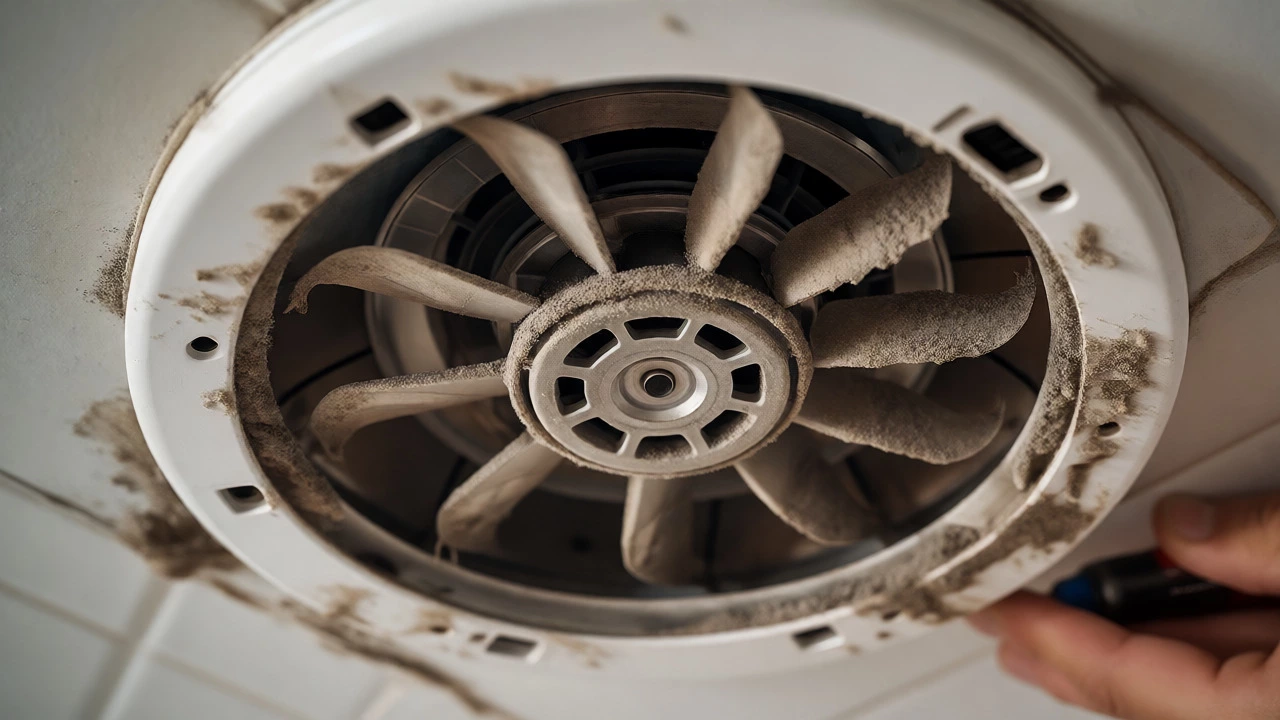
How to Service a Bathroom Extractor Fan: A DIY Guide
0 Comments
Learn how to service your bathroom extractor fan with this step-by-step guide. Discover why regular cleaning prevents noise and mold, ensuring efficient airflow.
Read MoreAug 23, 2026
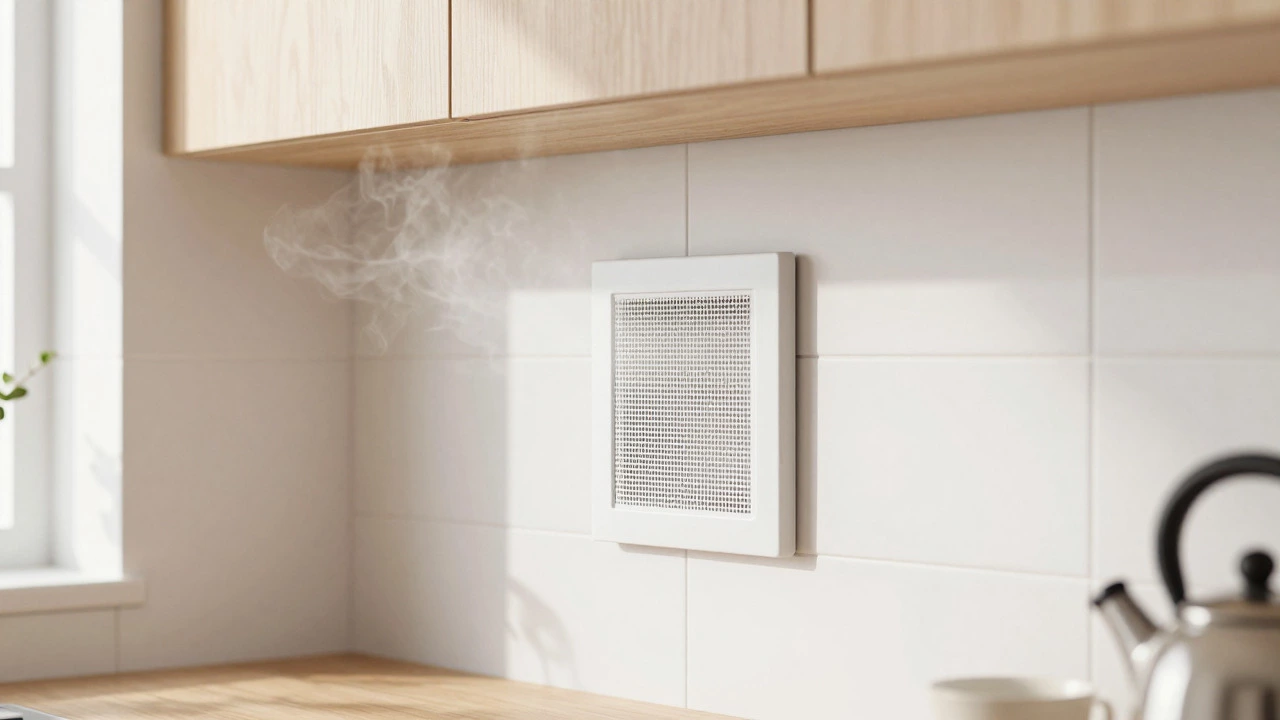
5 Practical Alternatives to an Extractor Fan for Kitchen Ventilation
0 Comments
Struggling with a broken extractor fan? Discover practical alternatives like passive vents, ductless hoods, and dehumidifiers to keep your kitchen fresh and dry.
Read MoreAug 6, 2026
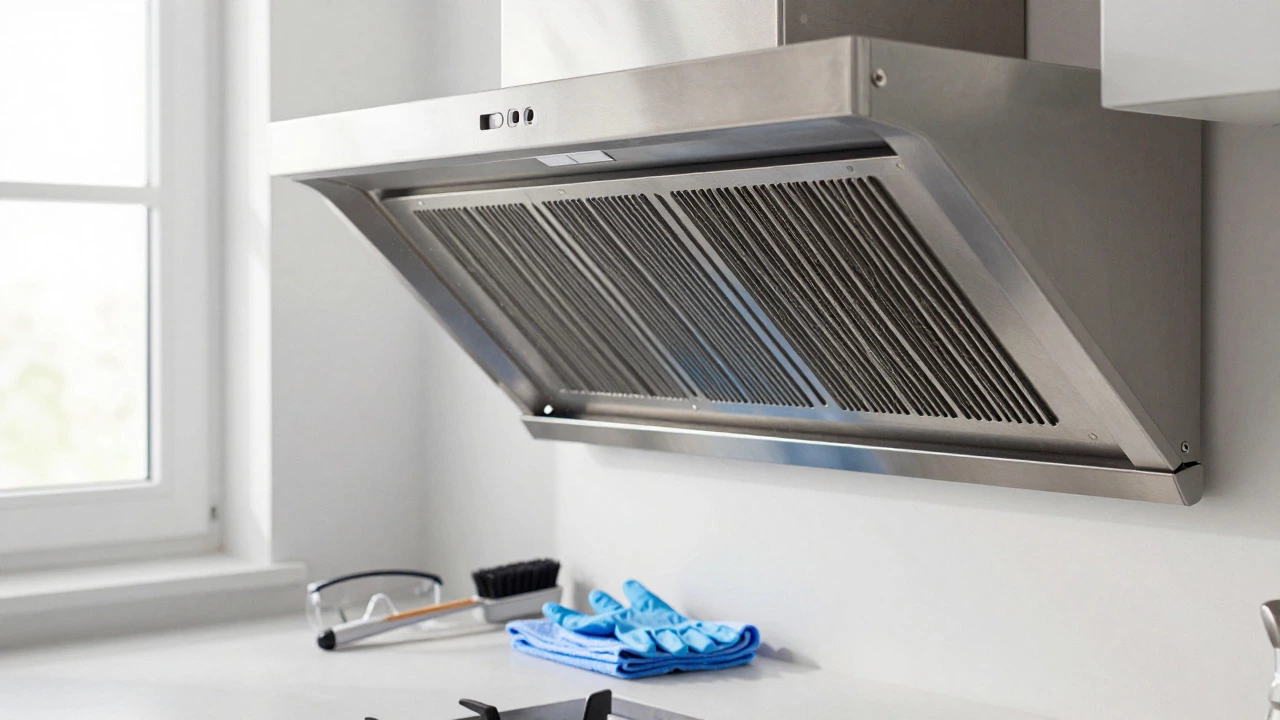
How to Service an Extractor Fan: A Complete DIY Guide
0 Comments
Learn how to service an extractor fan with this complete guide. Discover step-by-step cleaning methods, maintenance schedules, and tips to extend the life of your kitchen or bathroom ventilation system.
Read MoreJul 23, 2026

Can a Plumber Fit an Extractor Fan? A Guide to Trades, Wiring, and Ducting
0 Comments
Can a plumber install an extractor fan? Learn who handles wiring, ducting, and mounting for safe, compliant bathroom ventilation.
Read MoreMay 14, 2026
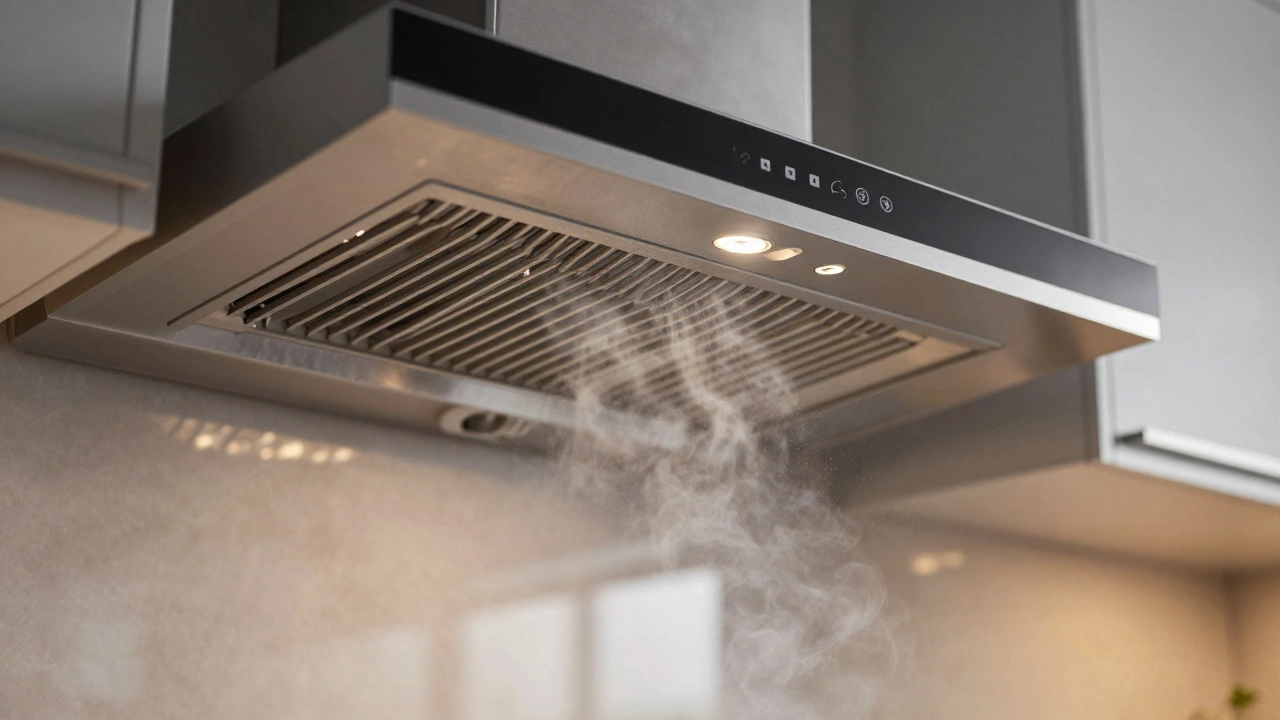
How Often Do You Need to Replace an Extractor Fan? Signs, Lifespan & Costs
0 Comments
Discover how often you need to replace an extractor fan. Learn average lifespans, top 5 signs of failure, and whether to repair or replace based on cost and efficiency.
Read MoreMay 10, 2026
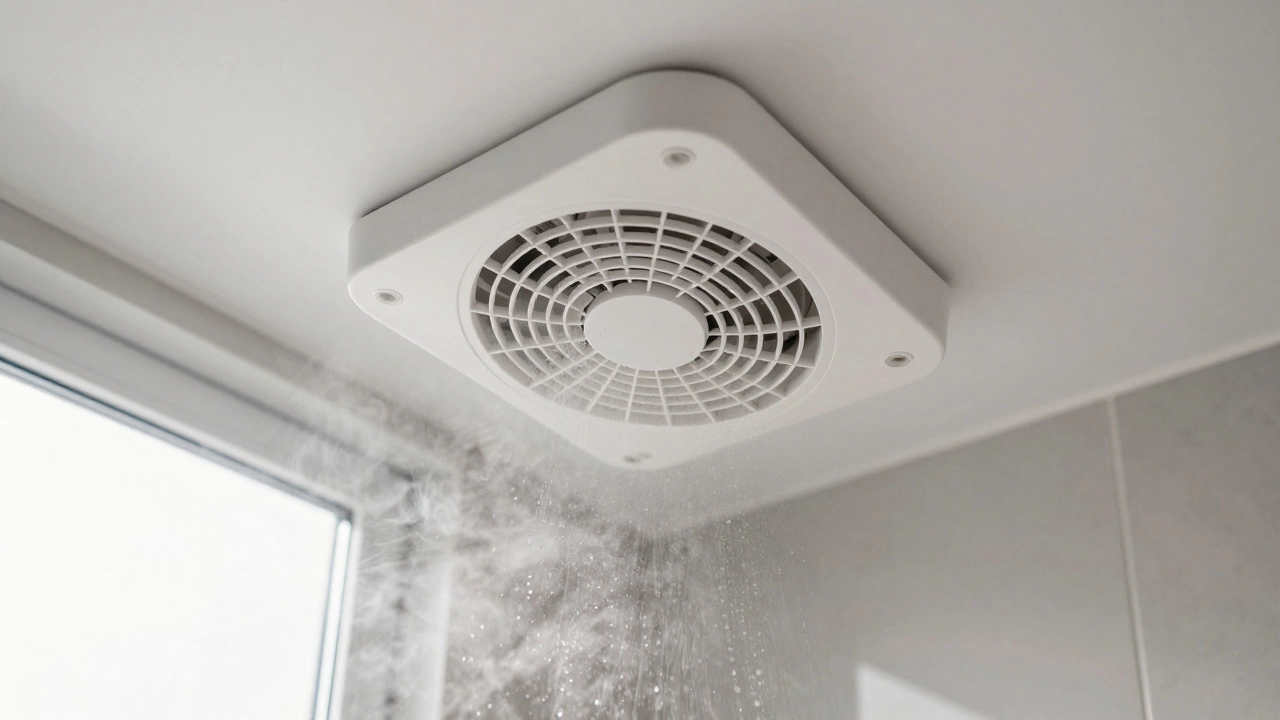
Are Bathroom Extractor Fans Easy to Replace? A Step-by-Step Guide
0 Comments
Learn how to replace a bathroom extractor fan yourself. This guide covers tools needed, step-by-step instructions, safety tips, and when to call a pro. Save money and improve ventilation with this practical DIY tutorial.
Read MoreMar 26, 2026
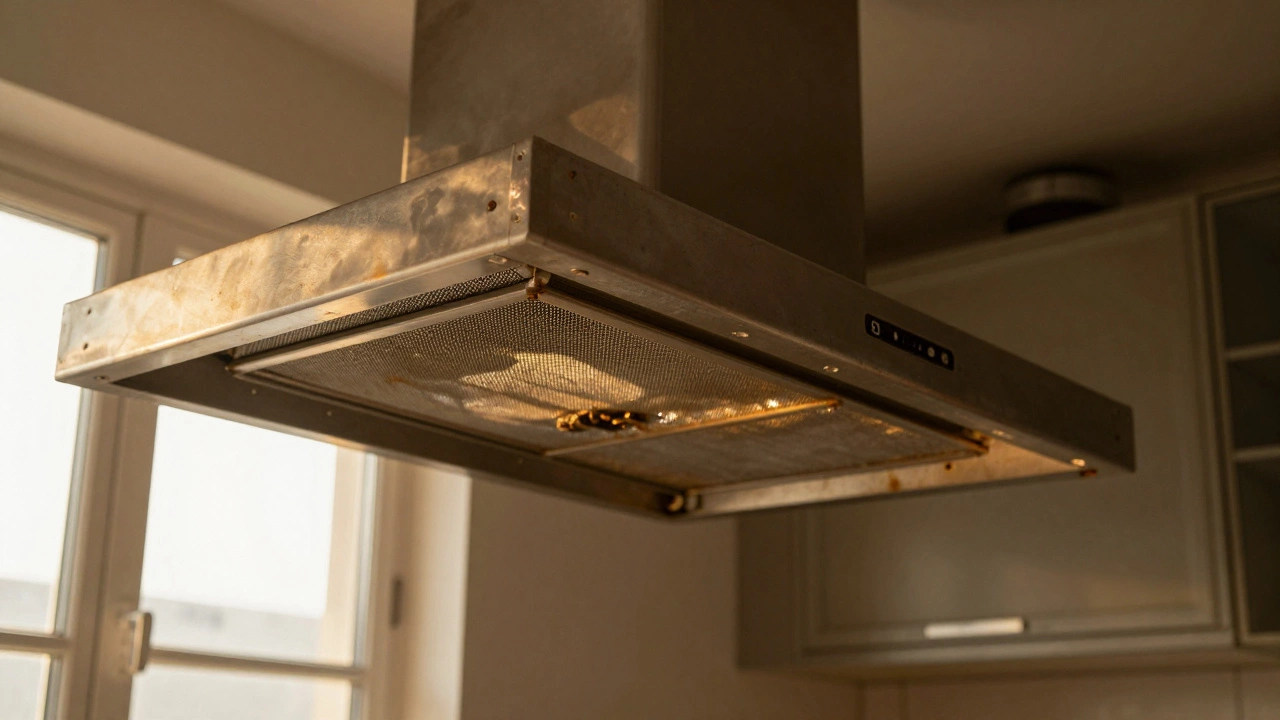
How Long Do Extractor Fans Last? Lifespan Guide & Maintenance Tips
0 Comments
Discover the average lifespan of extractor fans, learn the key signs of failure, and get practical maintenance tips to extend their life.
Read MoreMar 22, 2026
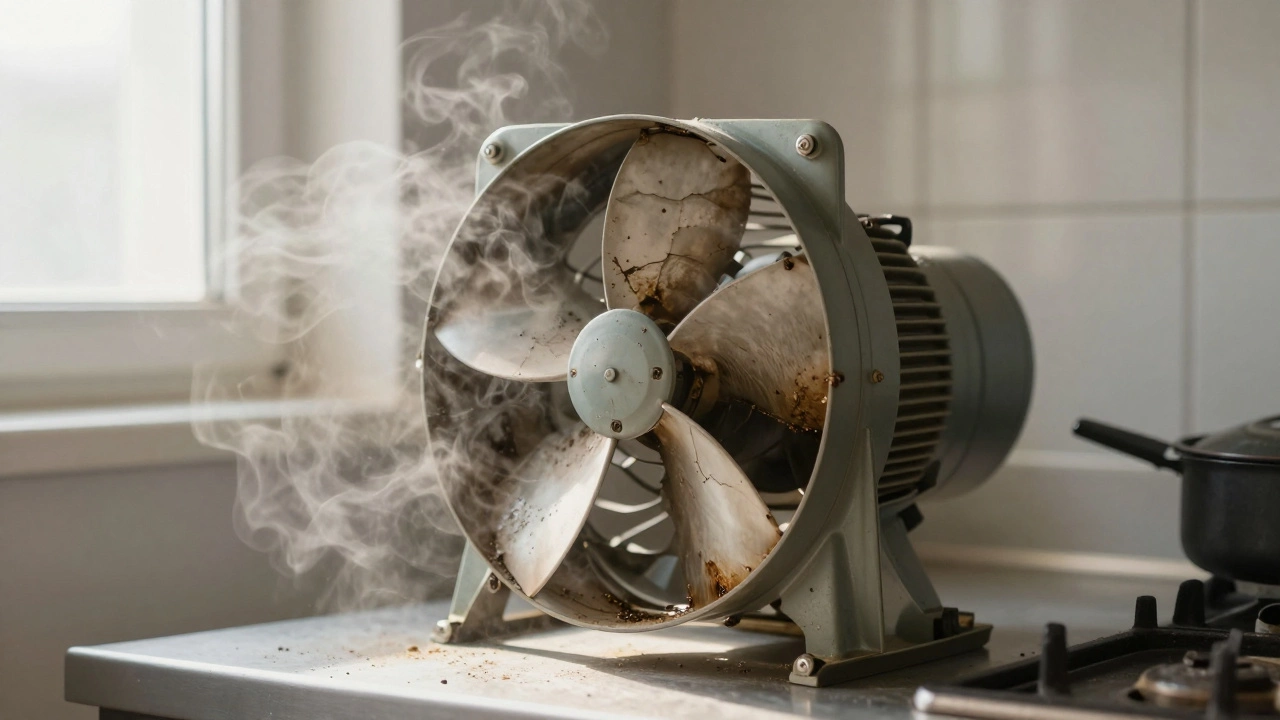
Do Extractor Fans Wear Out? What Really Happens Over Time
0 Comments
Extractor fans do wear out over time due to motor strain, grease buildup, and aging components. Learn the signs of failure, common repair options, and when replacement is the smarter choice.
Read MoreMar 9, 2026
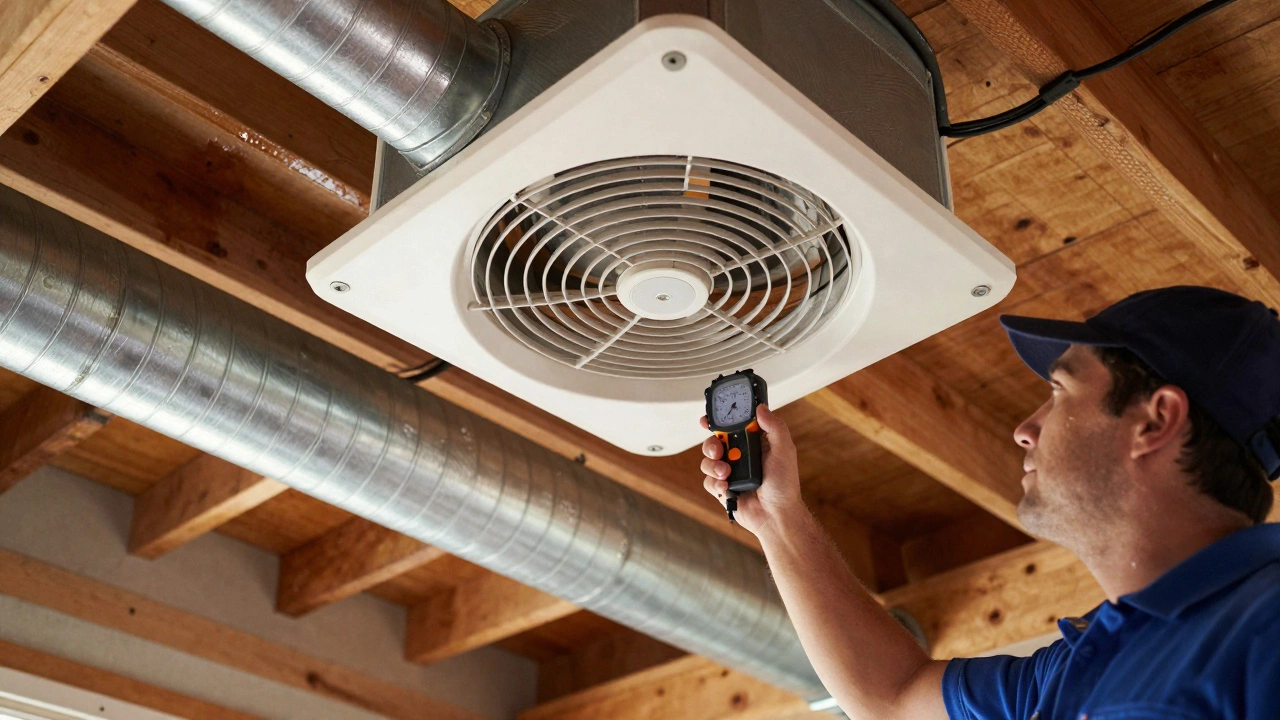
Who Puts in Extractor Fans? A Practical Guide to Installation and Repair
0 Comments
Extractor fans are critical for preventing mold and moisture damage, but many are installed incorrectly. Learn who should install them, how to spot problems, and what to look for in a professional installer.
Read MoreFeb 23, 2026
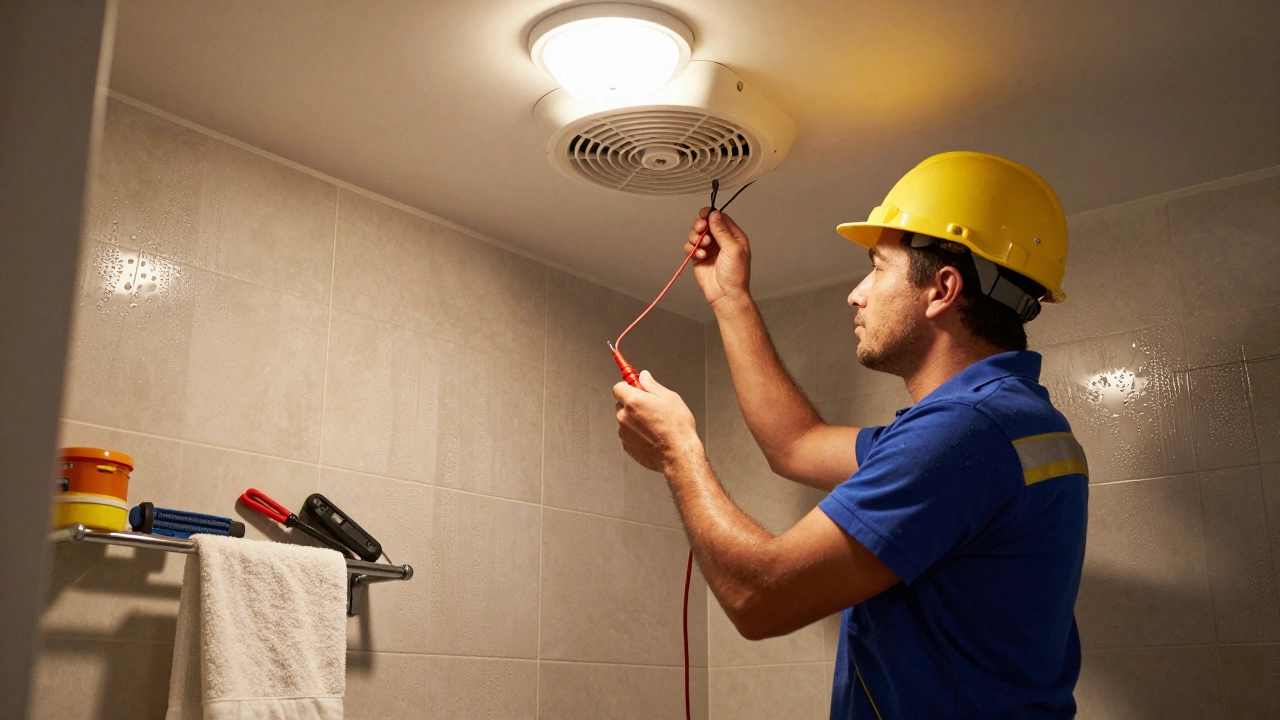
Do I Need an Electrician to Replace an Extractor Fan?
0 Comments
Replacing an extractor fan isn't always a simple DIY job. In New Zealand, wired fans require a licensed electrician for safety and legal reasons. Learn when you can do it yourself and when you absolutely shouldn't.
Read MoreFeb 22, 2026
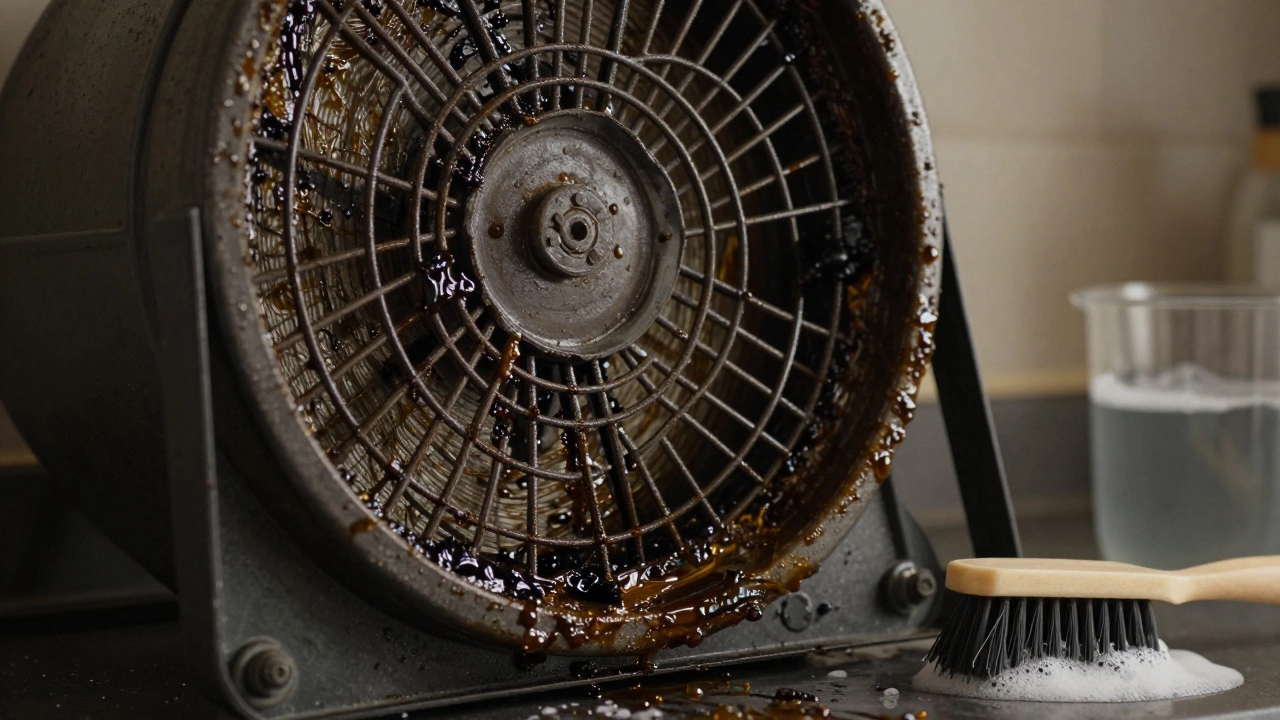
Why Has the Extractor Fan Stopped Working? Common Causes and Simple Fixes
0 Comments
Extractor fans stop working for simple reasons like clogged filters, dead motors, or faulty switches. Learn how to diagnose and fix the problem yourself before calling a technician.
Read MoreJan 1, 2026
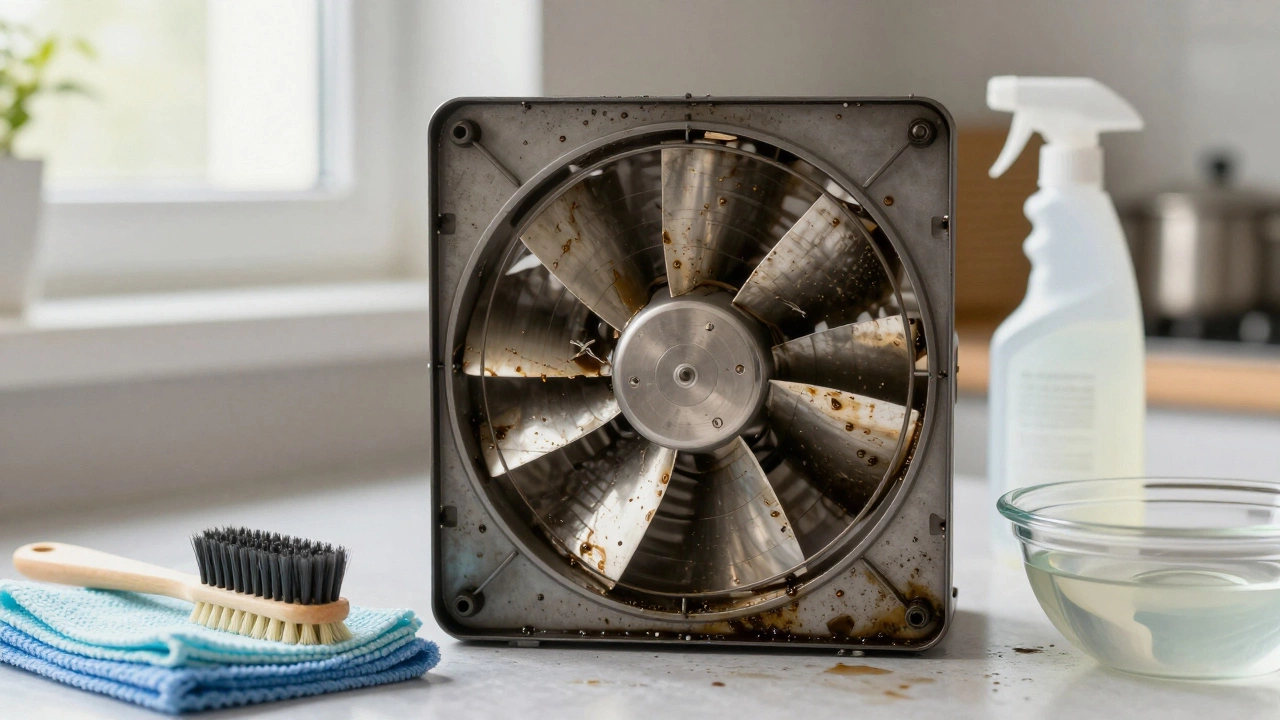
How to Clean an Extractor Fan Motor: Step-by-Step Guide for Better Airflow
0 Comments
Learn how to safely clean your extractor fan motor to restore quiet operation, improve airflow, and prevent fire risks. Step-by-step guide with vinegar, tools, and maintenance tips.
Read More