Hot Water Troubleshooting Wizard
Follow these steps to diagnose your hot water issue. Click "Yes" or "No" for each question to get a personalized diagnosis.
Diagnosis Complete!
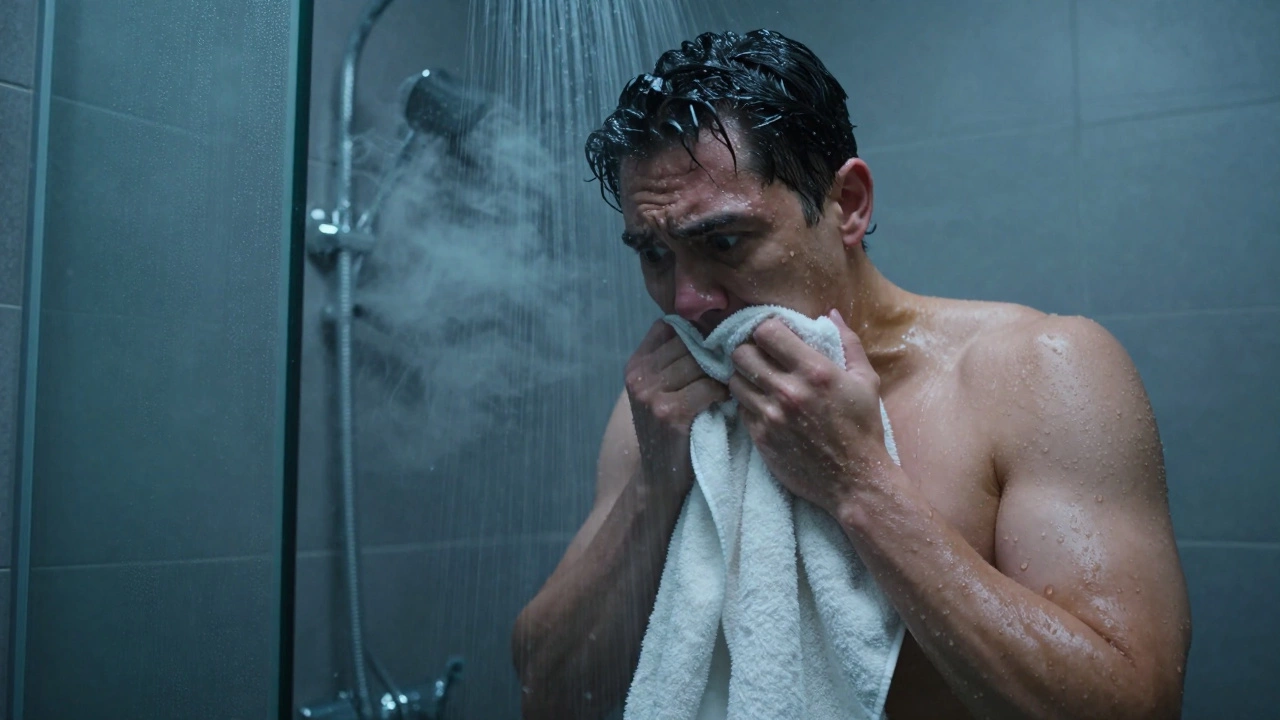
There is nothing worse than stepping into a shower expecting warmth and getting hit with ice-cold water. It’s a shock to the system, especially on a chilly morning. If you are facing this issue right now, don’t panic. Most of the time, no hot water in shower problems are not caused by catastrophic failure but by simple settings, tripped switches, or minor component issues that you can fix yourself.
Before you call a plumber or spend money on a new unit, it pays to run through a logical checklist. This guide walks you through diagnosing the problem from the easiest fixes to the more complex repairs, helping you restore your hot water supply efficiently.
Quick Summary / Key Takeaways
- Check the Pilot Light First: For gas heaters, if the pilot light is out, you have no heat. Relighting it often solves the issue immediately.
- Inspect the Thermostat: The temperature setting may have been accidentally turned down or the internal thermostat may be faulty.
- Look for Tripped Safety Switches: Electric heaters have thermal cutouts that trip during overheating; resetting them restores power.
- Listen for Silence: If your electric element isn't clicking on, the heating element itself might need replacement.
- Consider Sediment Buildup: In older units, sediment at the bottom can prevent proper heating and reduce efficiency.
Is It Just the Shower or the Whole House?
The first step in diagnosis is determining the scope of the problem. This distinction saves you hours of unnecessary work. Go to the kitchen sink or the laundry tap and turn on the hot water.
If the water is hot everywhere else, your water heater is working fine. The issue lies within the shower unit itself. This could be a stuck diverter valve, a broken mixing valve, or a specific flow restriction in the shower head. You might just need to clean the aerator or replace the shower cartridge.
If the water is cold at every tap, then the problem is definitely with your water heater. Now we need to look at the source. Are you using a tankless (instantaneous) unit or a storage tank system? The troubleshooting steps differ slightly between the two.
Troubleshooting Gas Water Heaters
Gas heaters are common because they heat water quickly. However, they rely on a flame to do the job. If there is no flame, there is no heat.
1. Check the Pilot Light
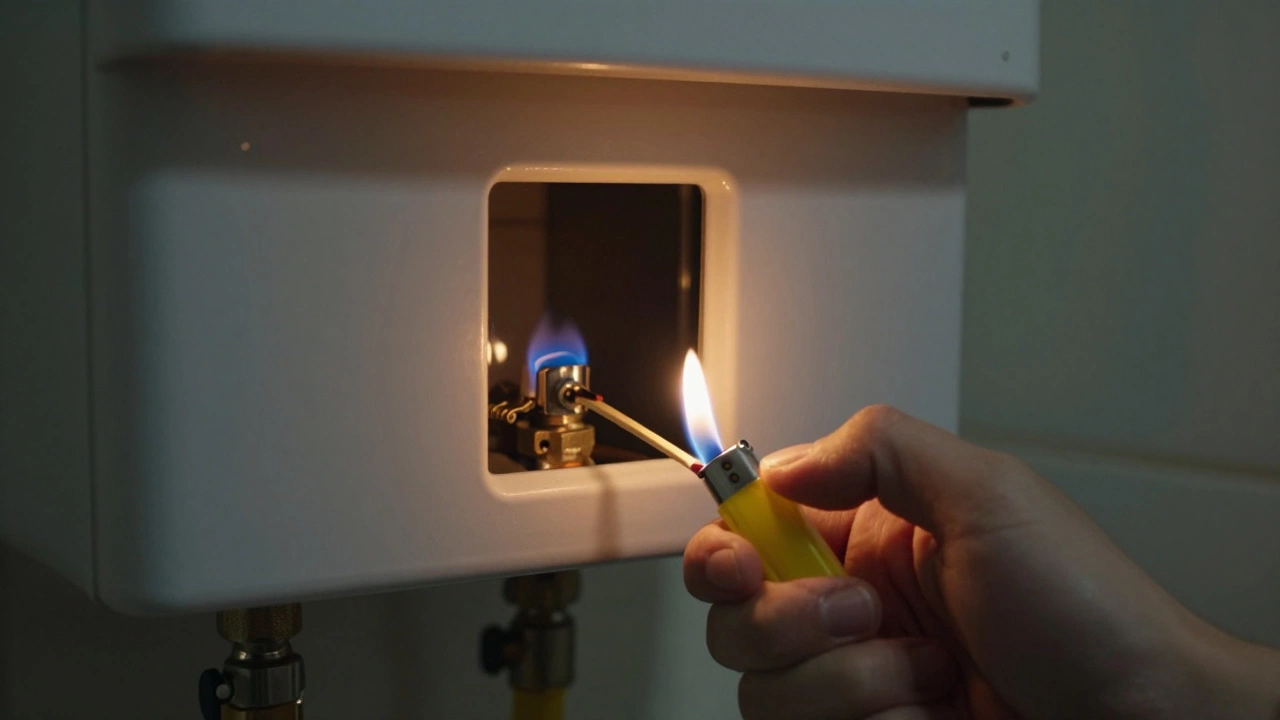
Locate your gas water heater. There should be a small window showing a blue flame inside the burner assembly. If the window is dark, the pilot light has gone out. This happens frequently due to drafts, a dirty thermocouple, or a momentary gas supply interruption.
- Turn the gas control knob to "Off" and wait five minutes to let any accumulated gas dissipate.
- Turn the knob to "Pilot".
- Press and hold the pilot button while lighting the match or igniter.
- Keep holding the button for 30-60 seconds after the flame catches, then release gently.
- Turn the knob to "On".
If the pilot won’t stay lit, your thermocouple might be dirty or failing. The thermocouple is a safety device that detects the pilot flame. If it doesn’t sense heat, it shuts off the gas to prevent leaks. Cleaning it with fine steel wool or replacing it (a cheap part) often fixes this.
2. Inspect the Gas Valve
If the pilot is lit but the main burner doesn’t ignite when you open a hot tap, check the gas valve. Ensure it is fully open. Sometimes, maintenance work nearby can accidentally bump the valve partially closed.
Troubleshooting Electric Water Heaters
Electric heaters use immersion elements submerged in the water. They are simpler but prone to electrical faults.
1. Reset the Thermal Cutout
Electric heaters have a high-limit switch, often called a thermal cutout or ECO (Energy Cut Off). If the water gets too hot or an element fails, this switch trips to prevent fire hazards. It looks like a red button on the side of the heater, usually behind an access panel.
Before touching anything, turn off the power at the main switchboard. Remove the access panel. If you see a red button, press it firmly. You might hear a click. Restore power and test the water. If it trips again immediately, you likely have a failed heating element causing a short circuit.
2. Check the Circuit Breaker
Go to your fuse box or circuit breaker panel. Look for the switch labeled "Hot Water" or "Geyser." If it is in the middle position or flipped to "Off," reset it. If it trips again as soon as you flip it back on, stop. This indicates a serious electrical fault, such as a grounded element, and requires a professional electrician.
3. Test the Heating Elements
Most electric tanks have two elements: an upper one for quick heating and a lower one for maintaining temperature. Over time, these elements burn out. If you have some technical know-how, you can test them with a multimeter.
- Turn off power and drain a few liters of water to relieve pressure.
- Remove the element access covers.
- Disconnect the wires from the element terminals.
- Set your multimeter to resistance (Ohms).
- Touch the probes to the element terminals. A good element usually reads between 10-15 Ohms. If it reads infinite resistance (open loop), the element is dead and needs replacement.
Common Issues with Tankless (Instantaneous) Units
Tankless heaters heat water on demand. They are efficient but sensitive to flow rates and mineral buildup.
1. Low Flow Rate Trigger
Tankless units have a minimum flow rate requirement to activate the heating mechanism. If your showerhead is clogged with limescale, the flow might be too low to trigger the unit. Try removing the showerhead and running the water directly from the hose. If hot water flows, your showerhead needs cleaning or replacement.
2. Error Codes
Modern digital tankless heaters display error codes. Common codes include:
- Overheat Error: Indicates insufficient airflow or a blocked exhaust vent.
- Flow Sensor Error: Suggests a faulty sensor detecting water movement.
- Ignition Failure: Points to gas supply or spark electrode issues.
Consult your user manual for specific code meanings. Often, a hard reset (powering off for 30 seconds) clears temporary glitches.
Sediment Buildup: The Silent Killer
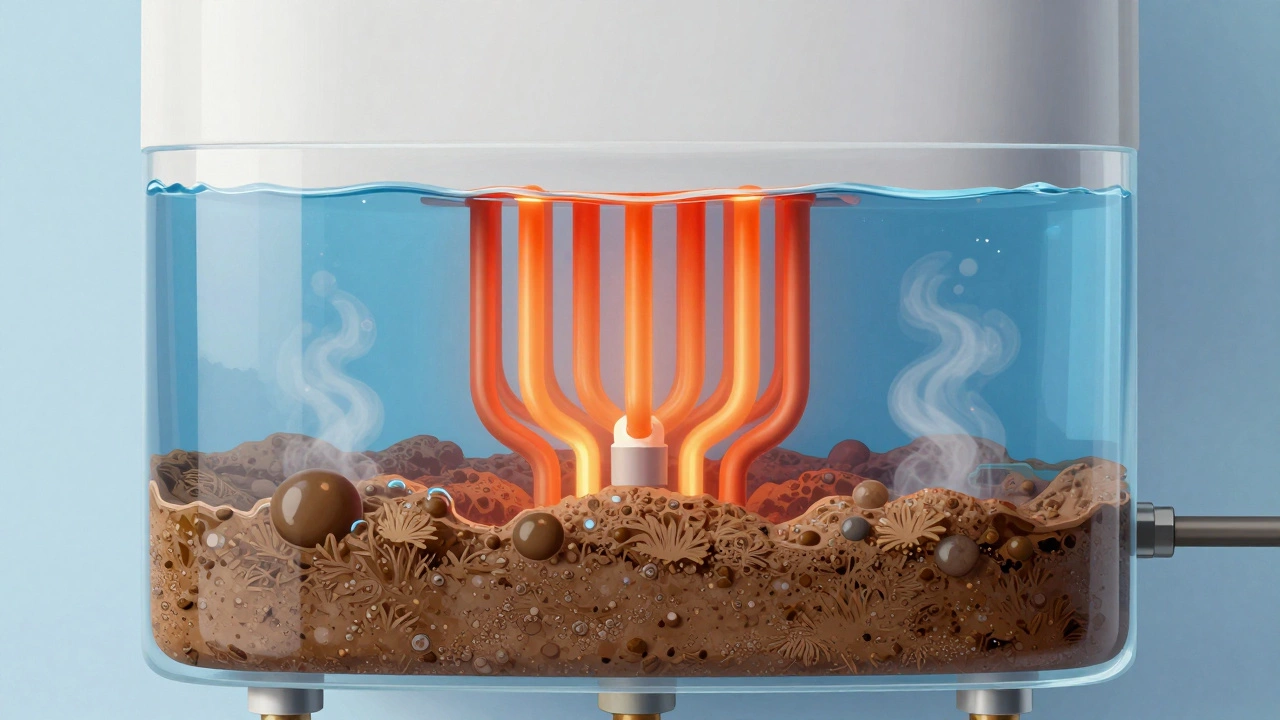
If your heater is more than five years old, sediment-calcium, magnesium, and other minerals-may have settled at the bottom of the tank. This layer acts as an insulator between the burner/element and the water. The result? The heater works harder, takes longer to heat, or shuts off prematurely because the sensor thinks the water is already hot.
You can flush the tank to remove sediment:
- Turn off the power/gas and close the cold water inlet valve.
- Connect a garden hose to the drain valve at the bottom of the tank.
- Open a hot water tap elsewhere in the house to break the vacuum.
- Open the drain valve and let the water flow out until it runs clear.
- Close the valve, remove the hose, and refill the tank before restoring power.
| Symptom | Likely Cause | Difficulty Level | Estimated Cost to Fix |
|---|---|---|---|
| No hot water anywhere | Pilot light out / Tripped breaker | Easy | $0 - $50 (parts) |
| Warm water only | Sediment buildup / Broken dip tube | Medium | $50 - $150 |
| Intermittent hot water | Faulty thermostat / Element scaling | Medium | $100 - $300 |
| Loud popping noises | Heavy sediment / Pressure issues | Hard | $150+ (flush or replace) |
When to Call a Professional
While many issues are DIY-friendly, some situations require a licensed technician. Call a pro if:
- You smell gas: Evacuate the area immediately and call emergency services or your gas provider. Do not attempt to relight the pilot yourself if you suspect a leak.
- There is visible leakage: Water pooling around the base of the tank often indicates a cracked tank or failed pressure relief valve. Internal corrosion usually means the tank needs replacement, not repair.
- Electrical faults persist: If the breaker keeps tripping, there is a risk of fire. Leave this to an electrician.
- The unit is very old: If your heater is over 10-12 years old, repeated repairs might cost more than a new, energy-efficient model.
Preventing Future Issues
Maintenance is cheaper than replacement. Here is how to keep your hot water flowing smoothly:
- Annual Flushing: Drain a few gallons from the tank once a year to remove sediment.
- Check the T&P Valve: Lift the lever on the Temperature and Pressure relief valve annually to ensure it isn’t stuck. Water should flow out briefly.
- Insulate Pipes: Wrapping hot water pipes reduces heat loss, meaning your heater doesn’t have to work as hard.
- Monitor Temperature: Keep your thermostat at 60°C (140°F). Higher temperatures increase scalding risk and accelerate sediment buildup.
Why does my shower go cold after a few minutes?
This is often caused by a cross-connection where cold water enters the hot line, or by a failing mixing valve in the shower head. In tank systems, it can also indicate that the tank is undersized for your usage, depleting the stored hot water faster than it can recover.
Can a clogged filter cause no hot water?
Yes, particularly in tankless systems. A clogged inlet filter restricts water flow. If the flow drops below the manufacturer's minimum threshold, the unit will not ignite or activate the heating element, resulting in cold water output.
How long does it take for a water heater to reheat?
A standard 50-gallon electric tank heater typically takes 1-3 hours to fully reheat depending on the incoming water temperature and element wattage. Gas heaters are faster, often reheating in 30-60 minutes. Tankless units provide instant hot water but have a limited flow rate (gallons per minute).
Is it safe to reset a tripped thermal cutout?
It is safe to reset it once if it was a one-time event due to a temporary overload. However, if it trips repeatedly, do not keep resetting it. This indicates a dangerous condition, such as a stuck thermostat or shorted element, which poses a fire risk.
What causes a water heater to make popping noises?
Popping or rumbling sounds are usually caused by steam bubbles forming under layers of sediment at the bottom of the tank. As the water heats, steam pushes through the hard scale, creating noise. Flushing the tank usually resolves this issue.