Water Heater Repair: Simple Steps to Keep the Hot Water Coming
If you’ve ever stood under a cold shower because the water heater quit on you, you know how annoying it can be. The good news? Many heater problems have easy fixes, and even when you need a pro, you’ll know exactly what to look for. Below we break down the most common issues, quick DIY checks, and signs that it’s time to call in the experts.
Common Signs Your Heater Needs Attention
First off, spot the red flags early. If you notice any of these, grab a screwdriver and start troubleshooting.
- Cold water at the tap – The heater might be out of fuel, the thermostat could be set too low, or a heating element has failed.
- Strange noises – Banging or rumbling often means sediment buildup at the bottom of the tank.
- Frequent reset button trips – This usually points to a faulty thermostat or a bad heating element.
- Leaks around the tank – Look for water near the pressure valve, drain pipe, or the bottom of the unit. Leaks often mean a cracked tank or a loose valve.
- Rusty or discolored water – A dying anode rod can let the tank rust from the inside.
Spotting these clues early can save you from a big repair bill or a complete replacement.
DIY Fixes You Can Try Safely
Before you dial a professional, try these safe checks. Always turn off the power or gas supply first, and shut off the water line.
1. Reset the heater. Most electric models have a red reset button near the thermostat. Press it once, wait a minute, then turn the power back on. If the water stays hot, the reset was the solution.
2. Check the thermostat. Set it to about 120°F (49°C). If the water stays cold, the thermostat may be dead and needs replacement.
3. Flush out sediment. Connect a garden hose to the drain valve, open the valve, and let the tank empty. This clears mineral buildup that can cause overheating and noise.
4. Inspect the pressure‑relief valve. Lift the test lever; water should flow out and stop when you release it. If it drips continuously, replace the valve.
5. Look at the anode rod. Unscrew the rod (usually 1‑2 inches from the top) and check for heavy corrosion. If it’s more than 50% corroded, swap it out to protect the tank.
If any of these steps feel beyond your comfort zone, or if the heater still won’t produce hot water after trying them, it’s time to call a qualified repair technician.
Why call a pro? Certified technicians have the tools and experience to test electrical components, replace heating elements, and safely handle gas connections. They also spot hidden problems, like a cracked tank that could burst later.
When you do call a professional, mention the symptoms you observed. Giving details about noises, leak locations, or reset trips helps the technician diagnose faster and can lower your labor cost.
Remember, a well‑maintained heater can last 10‑15 years. Routine flushing and anode‑rod checks keep it running efficiently and cut down on energy bills.
Got a stubborn heater that won’t cooperate? Start with the reset, check the thermostat, flush the tank, and inspect the valves. If those steps don’t bring back the heat, reach out to a trusted repair service. With the right approach, you’ll be back to warm showers in no time.
Sep 17, 2026
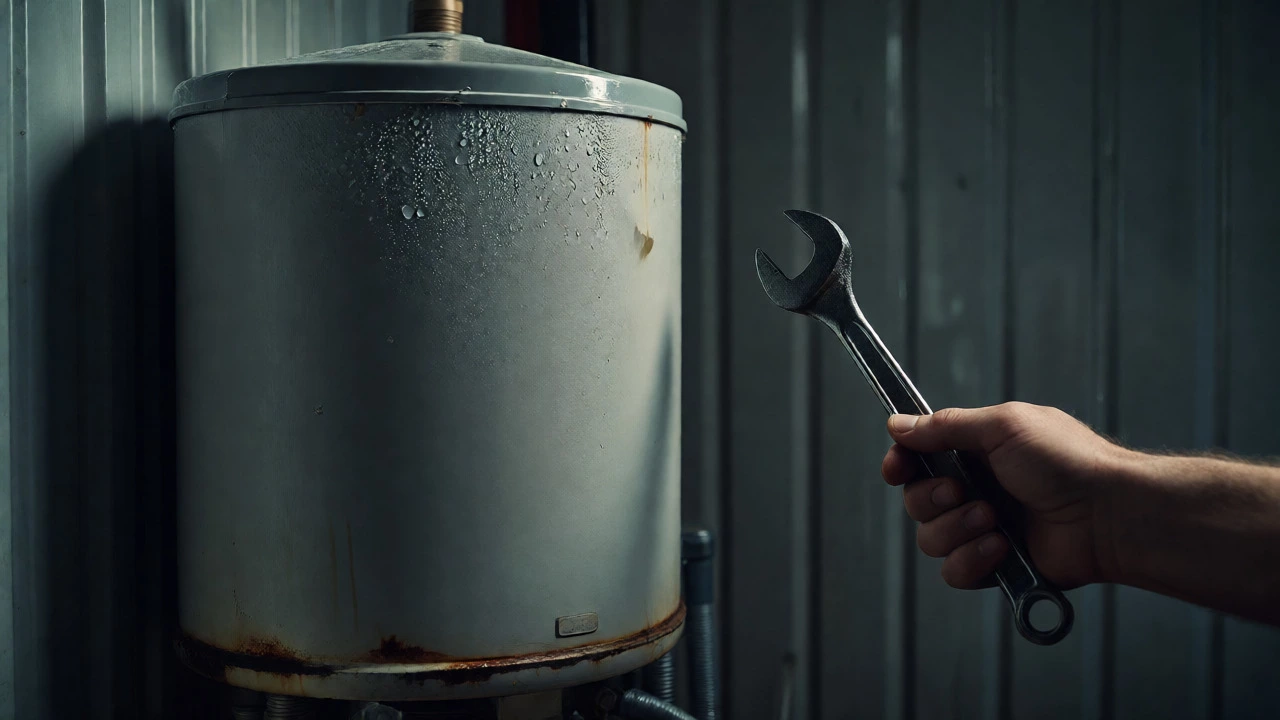
Repair or Replace? Is It Worth Fixing Your Hot Water Heater?
0 Comments
Stuck deciding between repairing or replacing your hot water heater? We break down the costs, age factors, and hidden risks to help you make the smartest financial choice for your home.
Read MoreSep 3, 2026
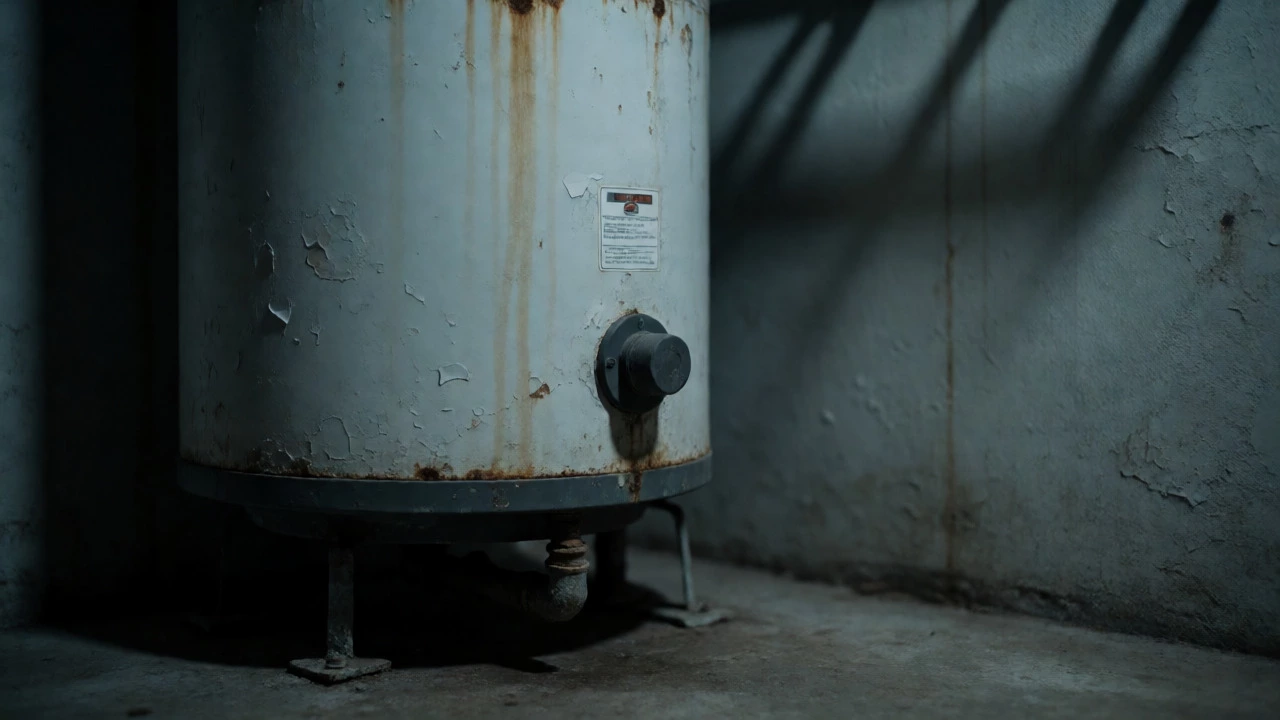
Signs Your Hot Water Heater Needs Replacement
0 Comments
Is your hot water heater acting up? Discover the top signs indicating it's time for a replacement, from age and rust to leaks and strange noises.
Read MoreAug 27, 2026
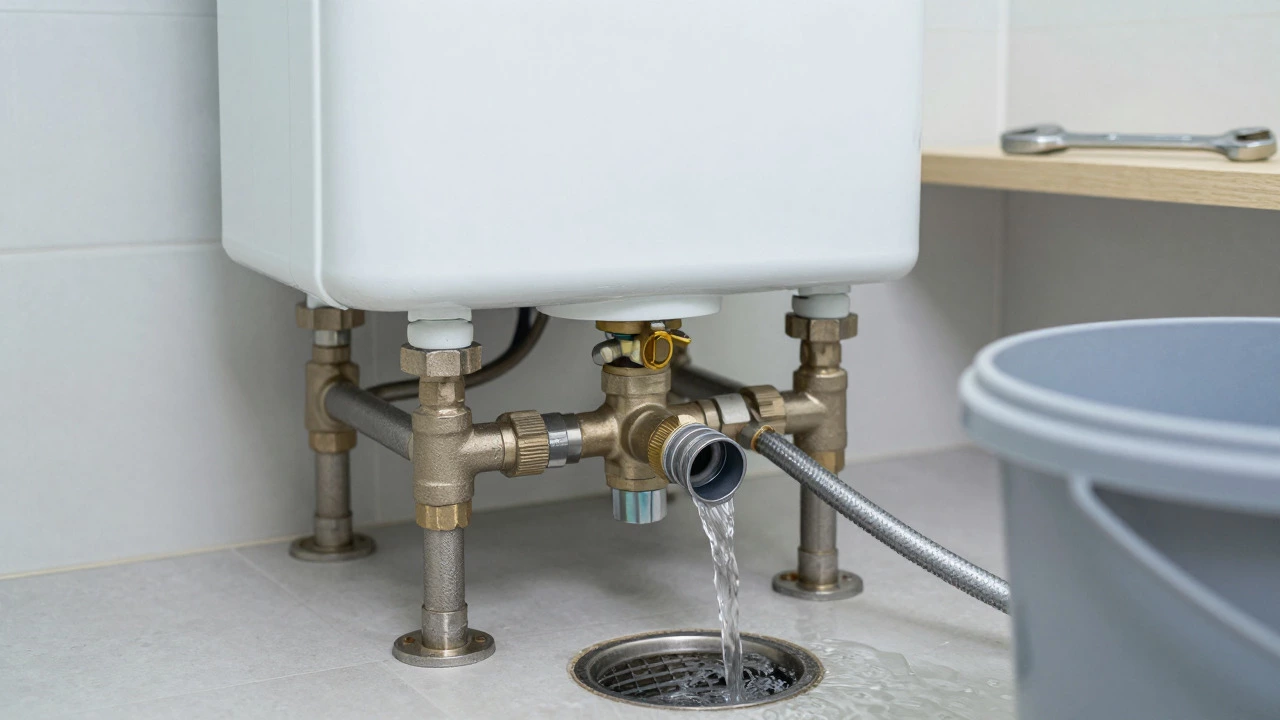
Water Heater Maintenance Guide: Essential Checks and Repairs
0 Comments
Learn essential water heater maintenance tasks like flushing, anode rod checks, and TPR valve testing to prevent costly repairs and extend your unit's life.
Read MoreJul 12, 2026

Why Do I Have No Hot Water All of a Sudden? Quick Fixes & Repairs
0 Comments
Sudden loss of hot water? Learn quick fixes for gas and electric water heaters, including pilot light relighting, breaker resets, and sediment flushing.
Read MoreJul 9, 2026
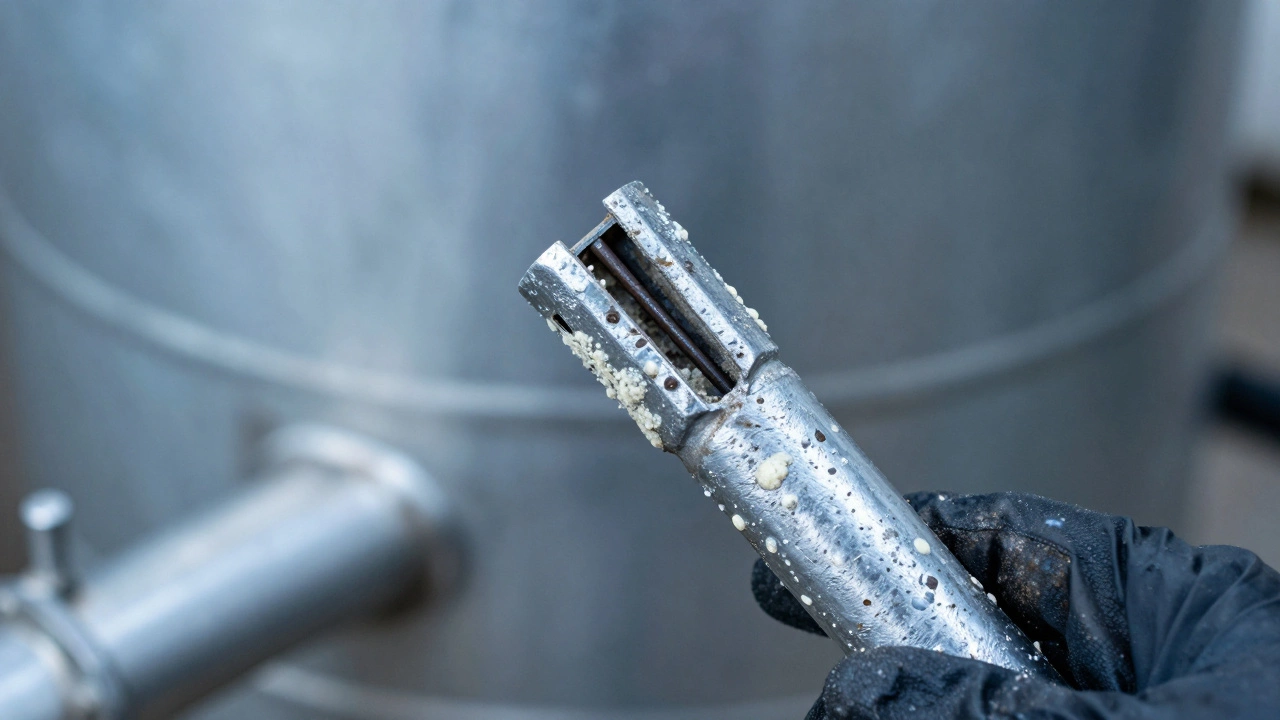
How Often to Replace Anode Rods: The Ultimate Water Heater Guide
0 Comments
Learn exactly how often to replace your water heater's anode rod to prevent tank corrosion. We cover inspection steps, signs of wear, and the best rod types for your water quality.
Read MoreMay 31, 2026

How to Fix No Hot Water in Shower: A Step-by-Step Troubleshooting Guide
0 Comments
Discover how to fix no hot water in shower with this step-by-step guide. Learn to troubleshoot gas pilots, electric thermostats, and tankless errors without calling a plumber.
Read MoreMay 28, 2026
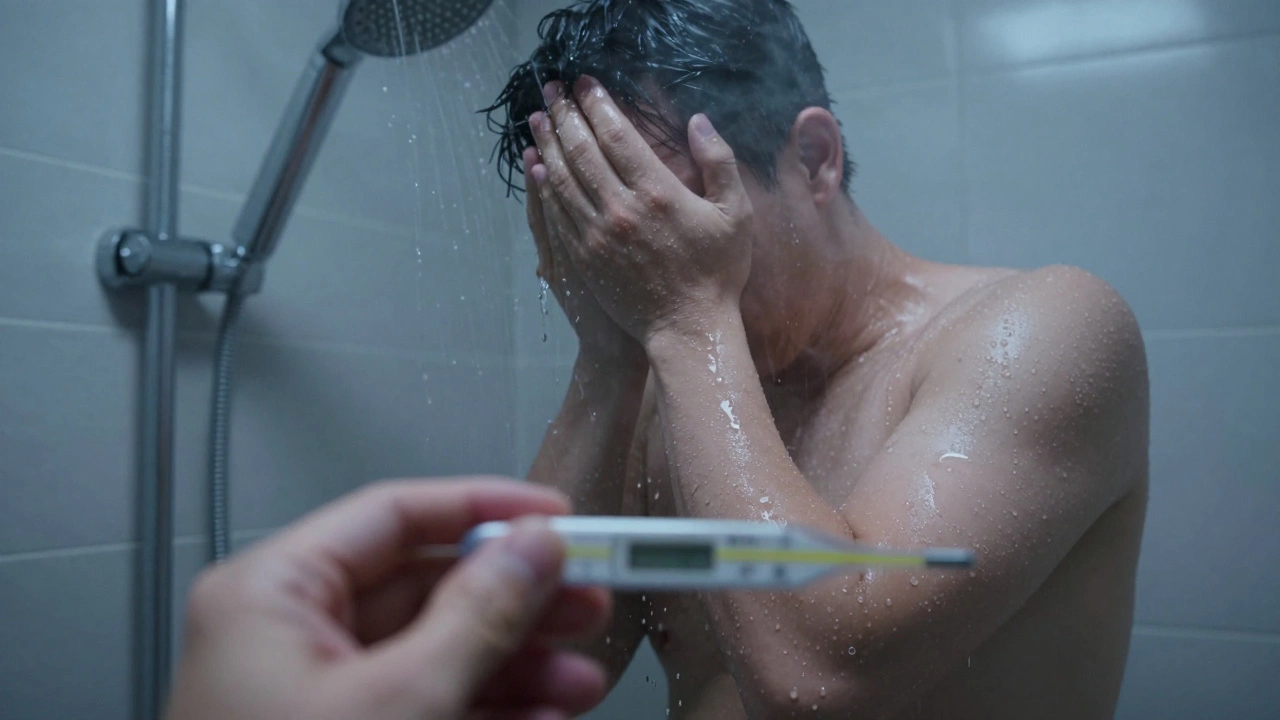
Why Hot Water Works at the Sink but Not in the Shower: Causes & Fixes
0 Comments
Hot water at the sink but not the shower? Learn how to diagnose clogged heads, failed mixing valves, and pressure issues. Simple DIY fixes and when to call a pro.
Read MoreMay 22, 2026
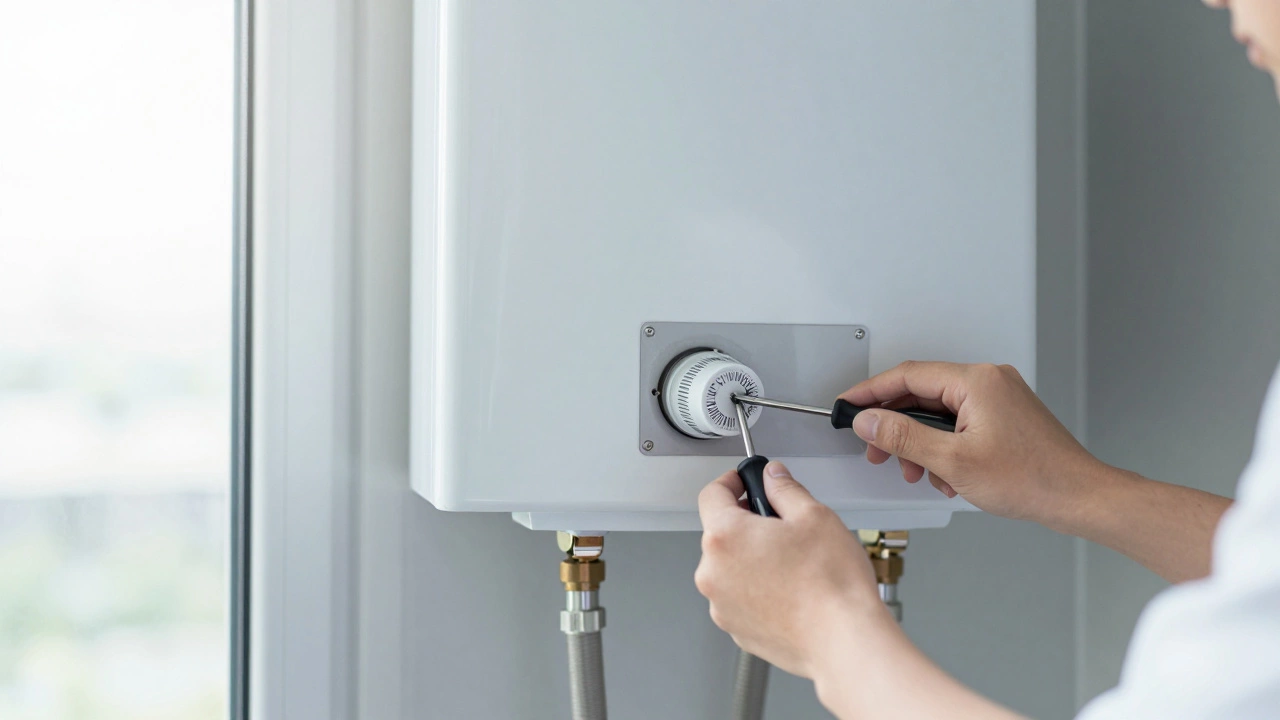
No Hot Water? The First Thing to Check and How to Fix It Fast
0 Comments
Discover the first thing to check when you have no hot water: the thermostat. Learn how to troubleshoot power issues, relight pilot lights, and fix common water heater problems safely.
Read MoreMay 3, 2026
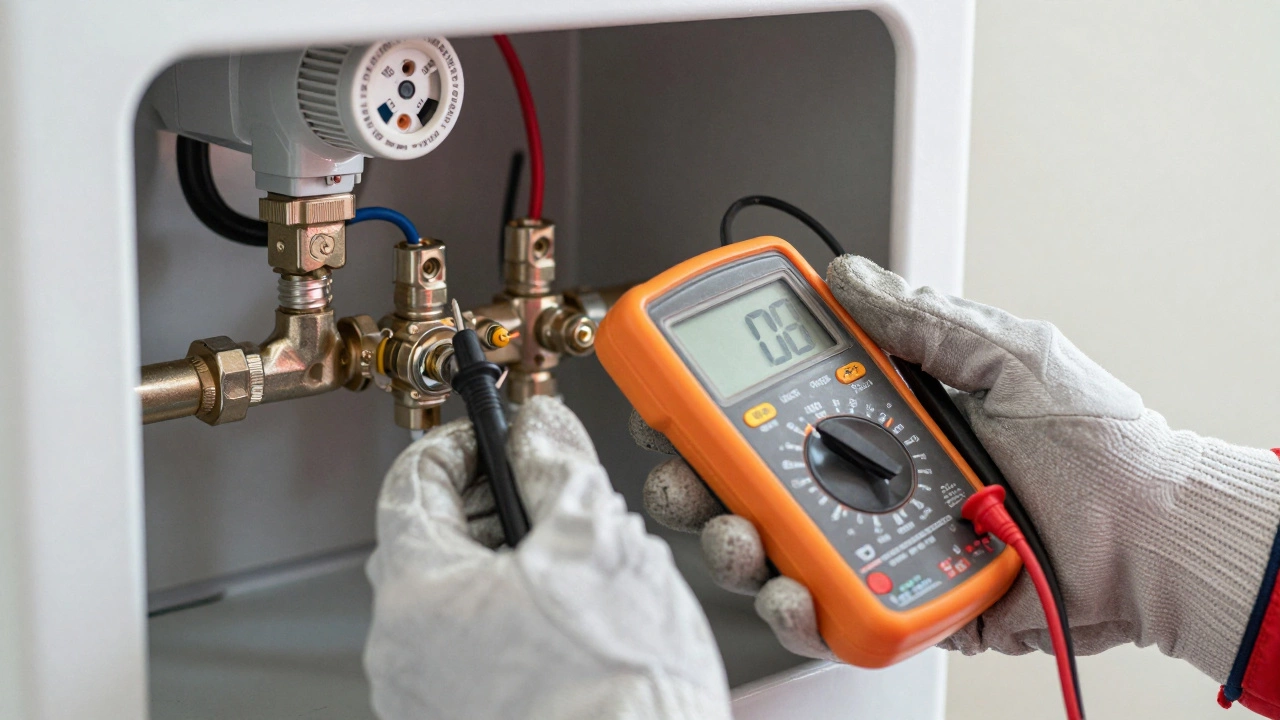
How to Tell if a Hot Water Heater Element is Bad: Signs, Tests & Fixes
0 Comments
Learn how to identify a bad hot water heater element using simple symptoms and multimeter tests. This guide covers resistance checks, thermostat diagnostics, and safety tips for accurate diagnosis.
Read MoreApr 23, 2026
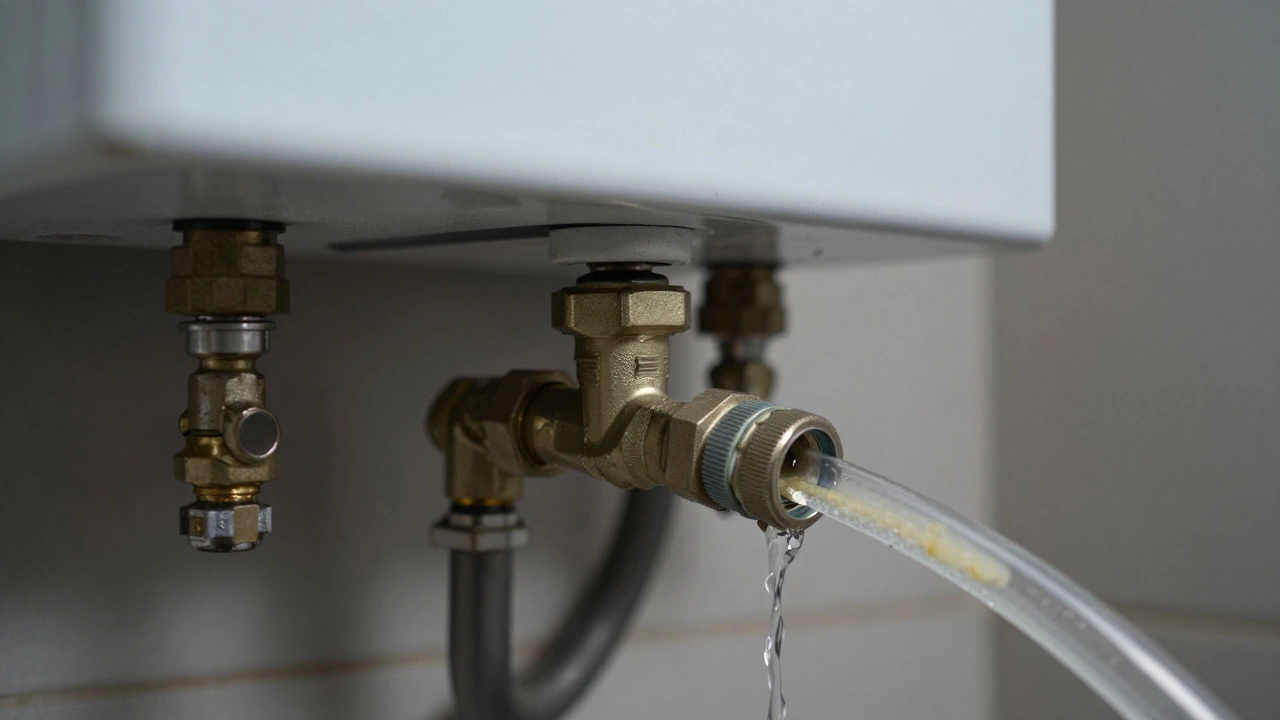
Flushing vs. Draining Your Water Heater: Which Is Better?
0 Comments
Should you flush or just drain your water heater? Learn the critical differences between these two maintenance tasks to stop popping noises and extend your tank's life.
Read MoreApr 13, 2026
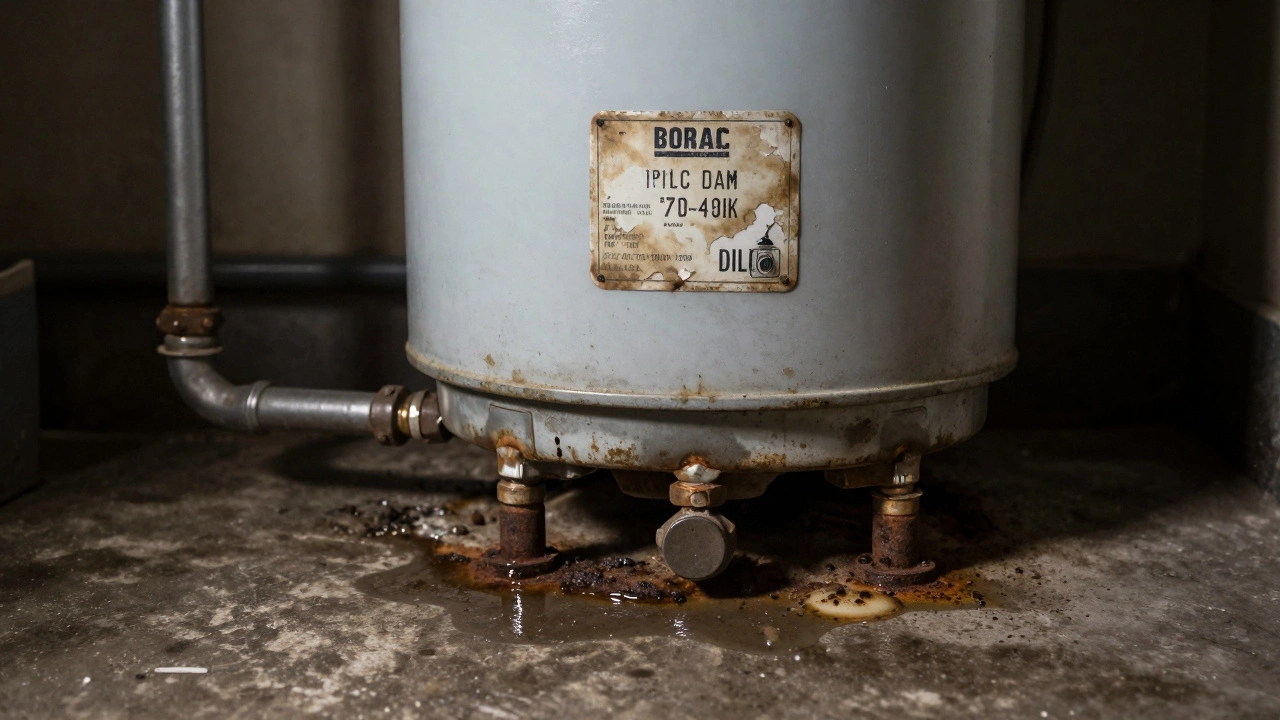
Is It Worth Fixing a 20 Year Old Water Heater? Repair vs Replace Guide
0 Comments
Should you repair or replace a 20-year-old water heater? Learn the 50% rule, signs of tank failure, and why most 20-year-old units are risks for flooding.
Read MoreApr 9, 2026
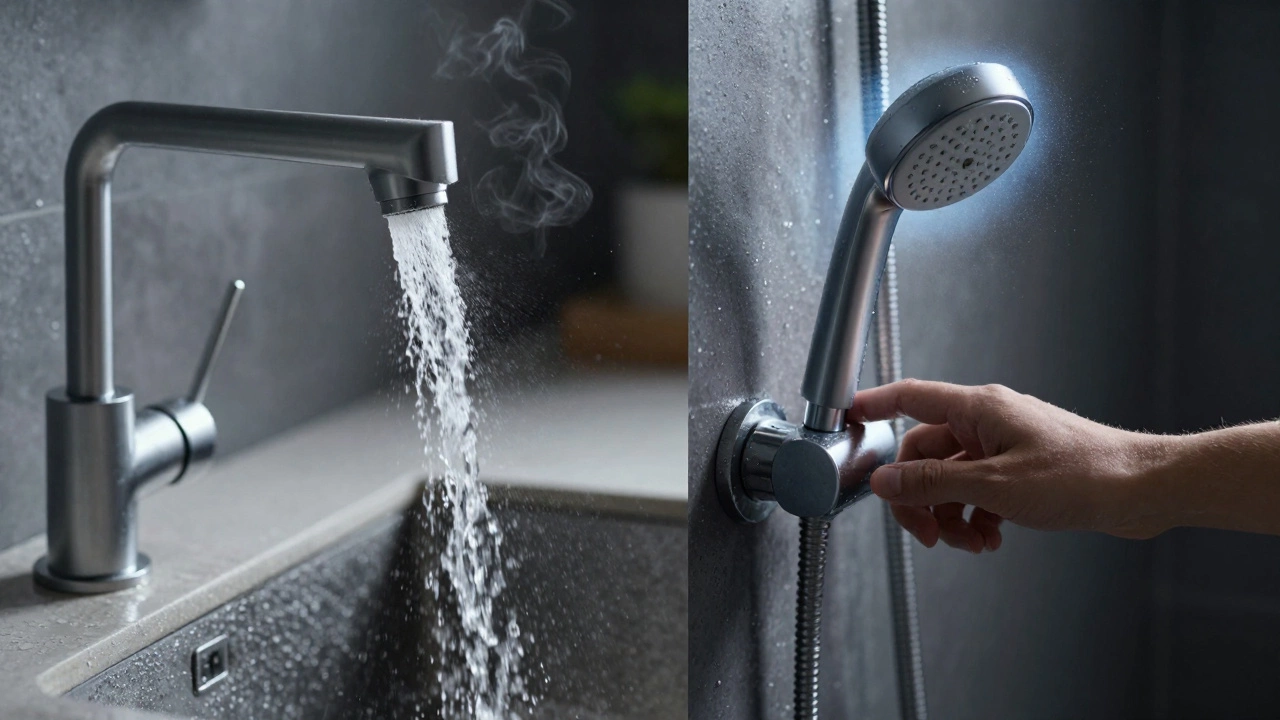
Why Is Hot Water Missing in the Bathroom but Working in the Kitchen?
0 Comments
Find out why your kitchen has hot water but your bathroom doesn't. Learn about shower cartridges, dip tubes, and plumbing fixes to restore your heat.
Read More