Shower Temperature Diagnostic Tool
Loading...
Diagnosis Complete
Likely Cause:
Recommended Fix:
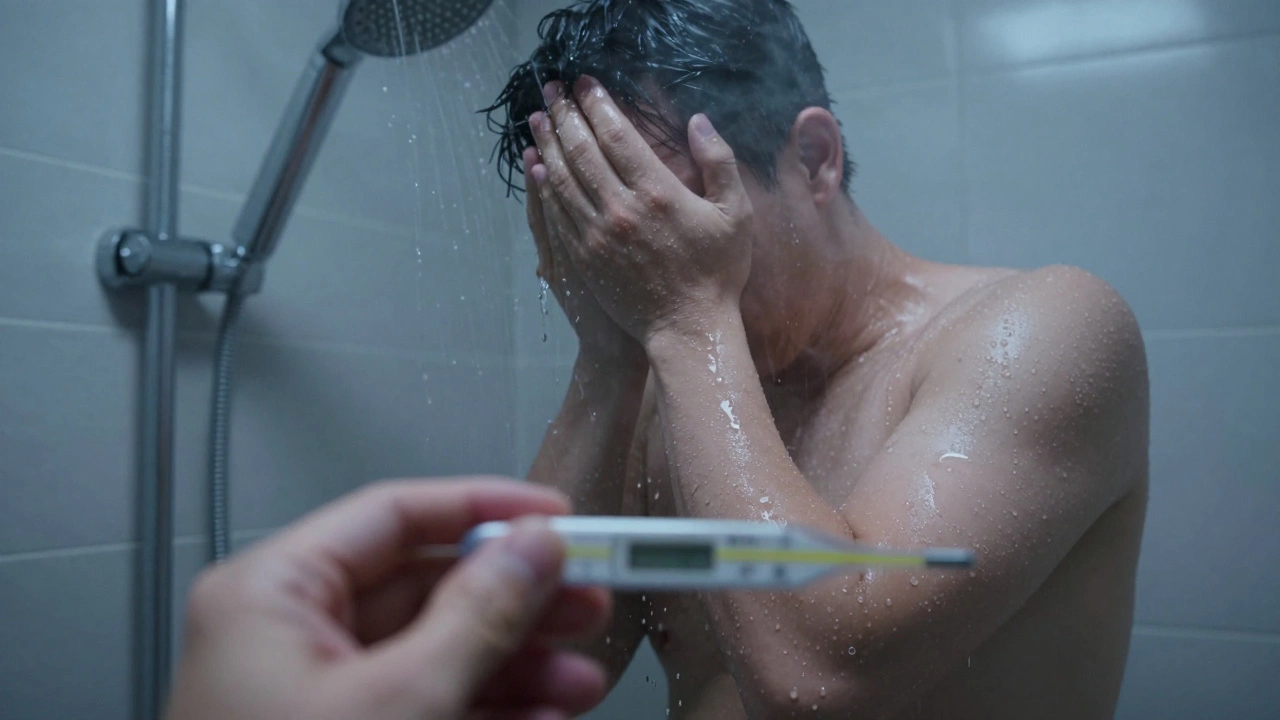
You turn on the kitchen tap and get scalding hot water. You walk to the bathroom, crank up the shower knob, and get nothing but a cold, chilly drizzle. It is one of those frustrating home glitches that makes you question your entire life. Your water heater is clearly working, so why is the rest of the house freezing? This specific scenario-hot water at fixtures near the heater or with high flow, but not in the shower-is actually a very common plumbing puzzle. It usually points to a localized blockage, a failed component inside the shower head, or a pressure imbalance rather than a total system failure.
Before you call a plumber and pay for a diagnostic visit, it helps to understand what is happening behind the walls. The good news is that in most cases, the fix is cheap and DIY-friendly. If you are looking for quick reference guides on other household issues, you might find this resource useful for browsing independent directories, though for our current plumbing crisis, we need to stick to pipes and valves.
The Flow Rate Problem: Why Your Shower Thinks It Is Cold
The first thing to check is not a broken part, but a physics problem. Most modern water heaters have a limited capacity to heat water quickly. If your shower has a low-flow aerator or a clogged head, the water moves through the pipe too slowly. When water sits in the copper pipes for even a few seconds, it cools down to ambient temperature. If the flow is sluggish, the cold water sitting in the pipes mixes with the small amount of hot water coming from the tank, resulting in a lukewarm or cold stream.
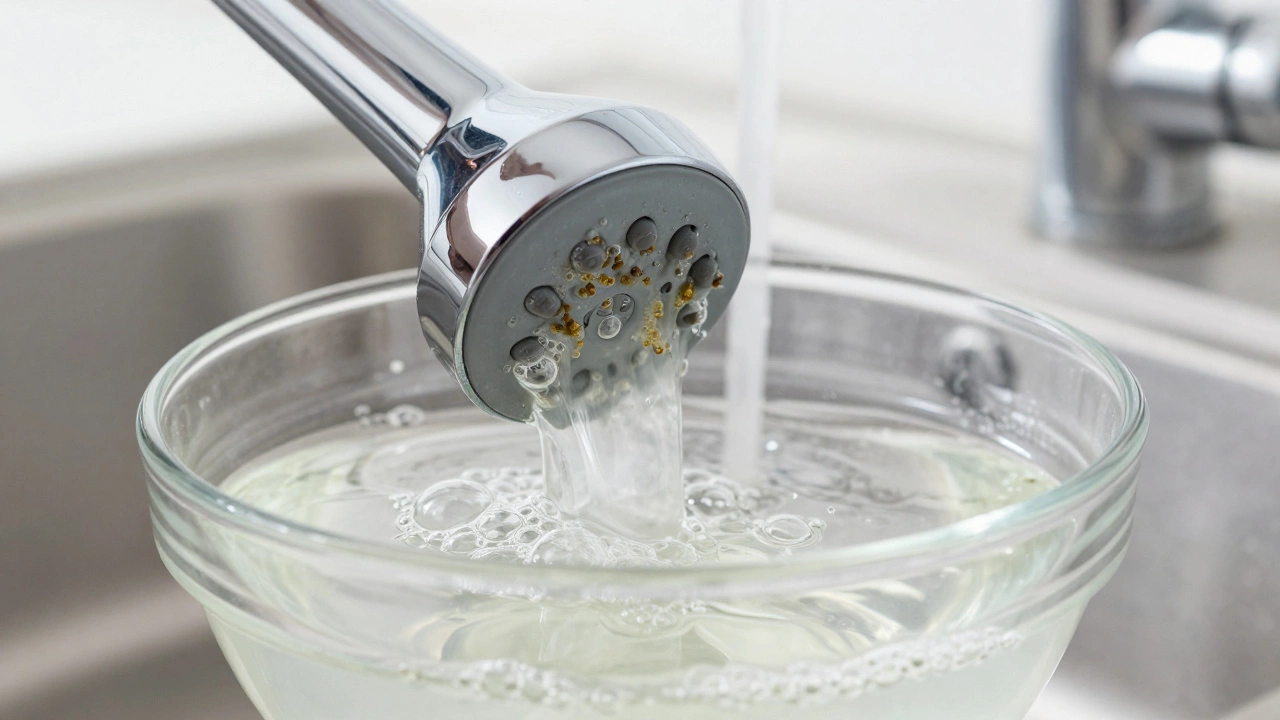
Here is how to test this theory. Remove the shower head entirely. Turn the shower valve to full hot. Let the water run out of the bare pipe for thirty seconds. If the water gets significantly hotter, your shower head is the culprit. It is likely clogged with mineral deposits (limescale) or rust. This is especially common if you have hard water. In Dunedin, where water quality can vary depending on whether you are on mains supply or a private bore, sediment buildup is a frequent offender.
To fix a clogged shower head, soak it in a bucket of white vinegar overnight. The acid dissolves the calcium carbonate blocking the nozzles. Rinse it thoroughly and screw it back on. If that does not solve the issue, replace the washer inside the connection; a worn washer can restrict flow just enough to cause cooling.
The Mixing Valve Malfunction
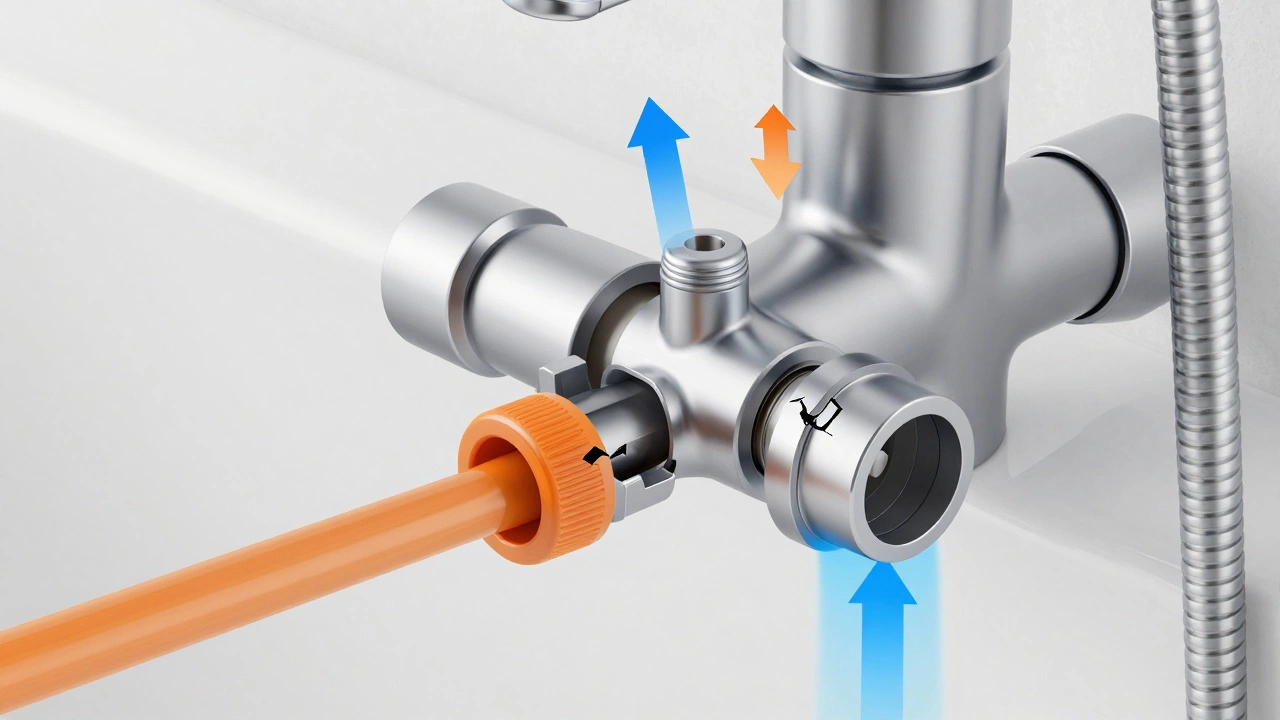
If removing the shower head didn't help, the problem likely lies deeper in the wall. Most showers use a mixing valve to blend hot and cold water before it reaches the head. There are two main types: manual mixer taps and thermostatic mixing valves (TMVs). A TMV is designed to keep the water at a safe, consistent temperature to prevent scalding. However, these devices contain delicate internal cartridges with rubber diaphragms and thermal sensors.
Over time, debris from the water supply or corrosion inside the pipes can jam the mechanism. If the valve sticks in the "cold" position, or if the thermal sensor fails, it may shut off the hot water supply entirely while letting cold water pass through. You will feel hot water at the sink because the kitchen tap is a simple diverter or separate fixture without this complex safety mechanism.
To diagnose a stuck mixing valve, try turning the handle rapidly back and forth between hot and cold several times. Sometimes this vibration dislodges minor debris. If you hear a clicking sound but no change in temperature, the internal cartridge is likely dead. Replacing a mixing valve cartridge is a moderately difficult DIY job. You will need to shut off the water supply, remove the faceplate, and unscrew the old cartridge. Ensure you buy an exact replacement model, as sizes and thread types vary wildly between brands like Grohe, Hansgrohe, and generic fittings.
Pressure Imbalance Between Hot and Cold Lines
Plumbing systems rely on balanced pressure. If the cold water pressure in your home is significantly higher than the hot water pressure, the cold water can "push" its way into the hot line at the mixing point. This is known as cross-pressurization. It often happens if you have a booster pump on the cold line but not the hot, or if there is a partial blockage in the hot water pipe leading specifically to the bathroom.
Check the hot water at other fixtures in the bathroom. Does the bath tap have hot water? Does the toilet fill with warm water (if connected to hot)? If the sink and bath have hot water but the shower does not, the blockage is isolated to the shower's branch line. If *no* fixture in the bathroom has hot water, but the kitchen does, the issue is likely in the main hot water riser feeding the bathroom floor.
A partially closed isolation valve is another sneaky cause. Plumbers install small lever valves under sinks and near toilets to allow repairs without shutting off the whole house. Sometimes, during cleaning or maintenance, these levers get nudged slightly closed. Check the hot water supply line entering the wall behind the shower panel. If it has a lever, ensure it is fully parallel to the pipe, indicating it is fully open.
Diverter Valve Issues in Tub-Shower Combos
If you have a bathtub with a shower attachment, you are dealing with a diverter valve. This mechanism redirects water from the tub spout up to the shower head. Older diverters use a rubber flapper that seals the tub outlet. Over years of use, this rubber degrades, cracks, or becomes misshapen. When it fails, water takes the path of least resistance-which is still out of the tub spout-and only a tiny trickle makes it up to the shower. Because the volume going to the shower is so low, it cools instantly in the pipes.
You can test this by running the shower and checking if water is also spurting out of the tub faucet. If it is, your diverter is leaking. In many older homes, replacing the diverter stem requires taking apart the entire faucet assembly. It is a messy job involving scraping away decades of grime. For newer quarter-turn diverters, the internal ball or disc may be cracked. Replacement parts are inexpensive, but labor-intensive to install.
When the Water Heater Itself Is the Suspect
While less likely given that your sink works, don't rule out the water heater entirely. If you have a tankless (on-demand) water heater, it has a minimum flow rate requirement to ignite. If your shower head restricts flow below that threshold, the unit won't fire up. Your kitchen sink, with its unrestricted aerator, might provide just enough flow to trigger the heater. Check your tankless unit's manual for the GPM (gallons per minute) activation threshold. If your shower flows at 1.5 GPM and the heater needs 2.0 GPM to start, you will get cold water every time.
For traditional tank heaters, consider the dip tube. The dip tube sends cold incoming water to the bottom of the tank. If it disintegrates (common in plastic tubes over 10+ years), cold water enters at the top and mixes immediately with the hot water layer. This results in lukewarm water everywhere, but the effect is more pronounced in high-demand fixtures like showers. However, since your sink is fine, this is probably not your issue unless the sink is very close to the heater and draws from the top layer before mixing occurs.
| Symptom | Likely Cause | Difficulty Level | Estimated Cost |
|---|---|---|---|
| Hot water returns when shower head removed | Clogged shower head / Limescale | Easy | $0 - $30 (new head) |
| Water is lukewarm, not cold | Mixing valve cartridge failure | Medium | $40 - $150 (parts + tools) |
| Water comes out of tub spout too | Failed diverter valve | Hard | $100 - $300 (repair) |
| No hot water in any bathroom fixture | Blocked hot water line to bathroom | Hard | $200+ (plumber needed) |
| Tankless heater doesn't ignite | Low flow rate restriction | Easy | $0 (adjust settings/head) |
Safety First: Shutting Off the Water
Before you tear into any valves, always shut off the water supply. Locate the isolation valves under the sink or behind an access panel in the bathroom wall. If you cannot find them, shut off the main stopcock to the house. Open a tap to drain the residual pressure from the lines. Working on pressurized pipes is dangerous and will lead to flooding. Wear safety glasses; old plumbing contains rust and debris that can fly out when connections are loosened.
If you are uncomfortable with any of these steps, or if the leak persists after replacing cartridges, call a licensed plumber. In New Zealand, ensure your plumber is Gas Safe registered if you have a gas-fired water heater, and holds appropriate insurance. Attempting to fix gas lines yourself is illegal and extremely dangerous.
Why is my shower cold but my bath is hot?
This usually indicates a problem with the shower-specific components, such as a clogged shower head, a faulty shower mixing valve, or a blocked pipe leading specifically to the shower outlet. Since the bath shares the same water source but has a different valve and outlet, the issue is isolated to the shower's hardware.
Can a bad dip tube cause cold showers?
Yes, but it typically causes lukewarm water throughout the house, not just the shower. A broken dip tube allows cold inlet water to mix with hot water at the top of the tank. If only your shower is affected, look for local blockages or valve failures first.
How do I know if my mixing valve is broken?
Signs include inability to adjust temperature, sudden temperature swings, lukewarm water regardless of setting, or leaks around the handle. If removing the shower head yields hot water, the mixing valve is the likely suspect.
Is it expensive to fix a shower with no hot water?
It depends on the cause. Cleaning a shower head is free. Replacing a mixing valve cartridge costs between $40 and $150 in parts. Calling a plumber for diagnosis and repair can range from $150 to $400 depending on hourly rates and complexity.
Why does my tankless water heater not work with the shower?
Tankless units require a minimum flow rate to activate. Low-flow shower heads or clogged filters can prevent the unit from reaching this threshold. Try removing the shower head or installing a high-flow filter to see if the heater ignites.