No Hot Water Troubleshooter
Diagnostic Progress
What type of water heater do you have?
This determines which troubleshooting path we'll follow.
Is cold water working at other taps?
Check faucets in different rooms to see if cold water flows normally.
Can you hear or see the water heater running?
Go to the unit location. For gas: look for a blue flame through the window. For electric: listen for a hum.
How old is your water heater?
Most tank-style units last 8-12 years. Check the serial number on the label.
Have you noticed any unusual signs?
Select all that apply before proceeding.
Final check: Has this happened before?
Recurring issues may indicate a more serious underlying problem.
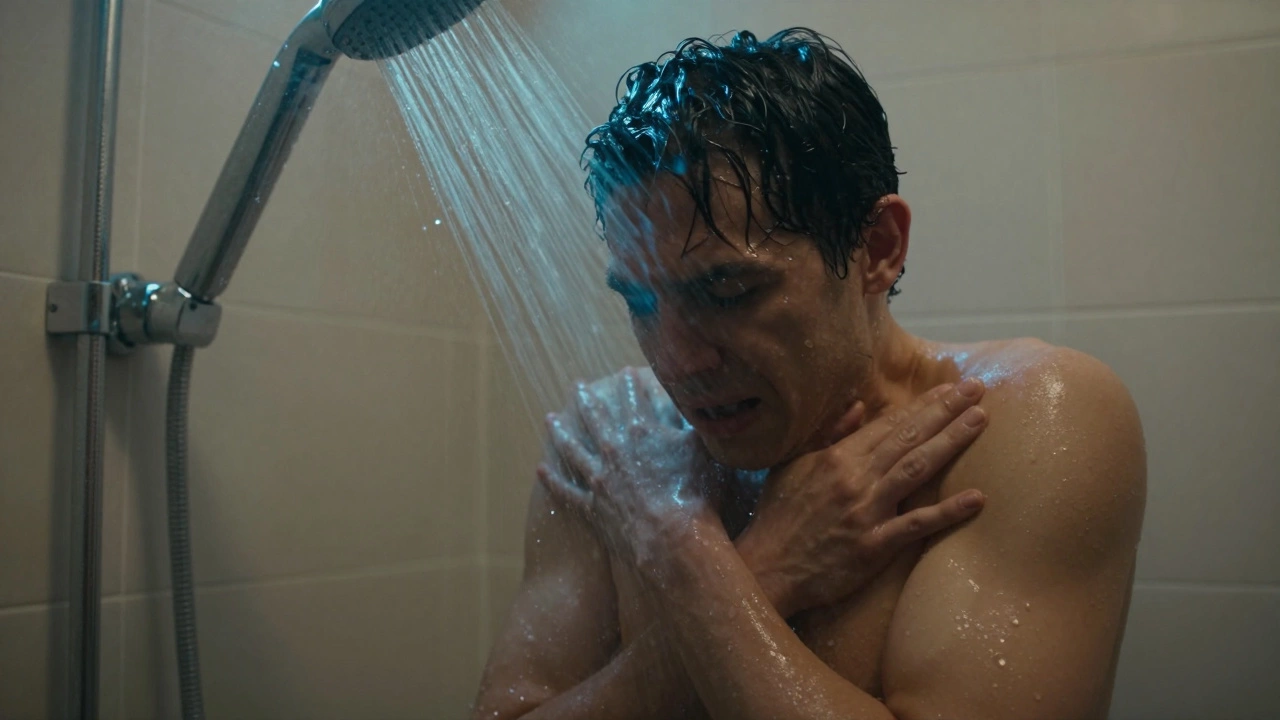
There is nothing quite as shocking as stepping into the shower and getting blasted with ice-cold water. It happens without warning. One minute you are relaxing; the next, you are shivering and wondering what went wrong. If your home suddenly has no hot water, it can feel like a disaster, especially if you have kids or pets to bathe.
Before you panic or call for expensive emergency repairs, take a breath. In many cases, the issue is simple and something you can fix yourself in under ten minutes. Sometimes it’s a tripped switch. Other times, it’s a gas supply issue. Understanding why this happens helps you troubleshoot effectively and save money on unnecessary service calls.
The "Did You Check This First" Checklist
Before tearing apart panels or calling a technician, rule out the obvious. These steps solve about 30% of sudden hot water failures.
- Check other taps: Is the cold water working everywhere? If yes, the problem is isolated to the heating system. If no, you might have a main valve issue or a city-wide outage.
- Listen to the unit: Go to where your water heater is located (garage, basement, or utility closet). Do you hear the burner firing? For electric units, do you hear a faint hum?
- Feel the tank: Carefully touch the side of the tank. Is it warm? If the tank is stone cold but the thermostat is set correctly, power or fuel isn't reaching the heating elements.
- Check the age: Most tank-style water heaters last between 8 and 12 years. If yours is older than that, internal failure is more likely.
Gas Water Heater: The Pilot Light Problem
If you have a gas water heater, the most common reason for sudden loss of heat is the pilot light going out. The pilot light is the small flame that ignites the main burner when you turn on the tap. Without it, the gas doesn't burn, and the water stays cold.
Look through the glass window on the front of your unit. Do you see a blue flame? If the window is dark, the pilot is out. This can happen due to a draft, a clogged orifice, or a faulty thermocouple.
How to relight the pilot:
- Turn the gas control knob to "Off" and wait five minutes. This allows any accumulated gas to dissipate. Safety first.
- Turn the knob to "Pilot". Press and hold the knob down. This opens the gas flow to the pilot.
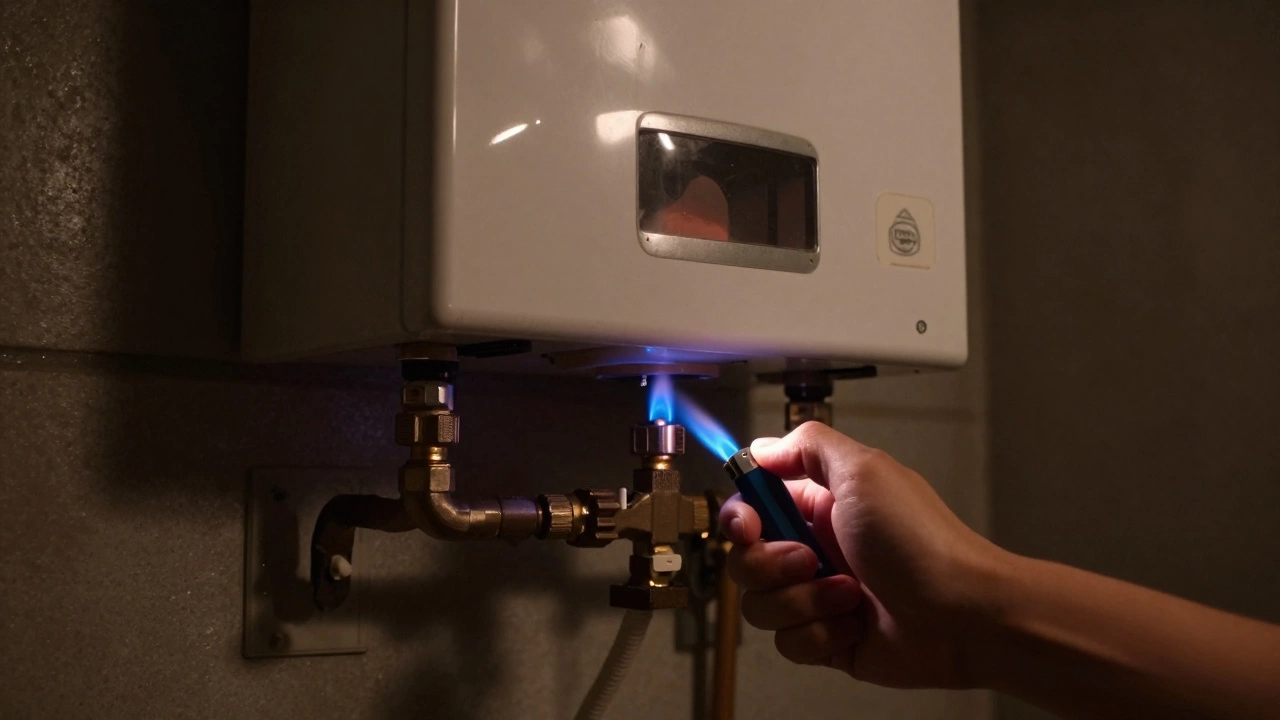
- While holding the knob, use a long lighter or match to light the pilot tube near the bottom of the unit.
- Keep holding the knob for 30-60 seconds after the flame lights. This heats up the thermocouple, which acts as a safety sensor.
- Release the knob slowly. If the flame stays lit, turn the knob to "On". If it goes out immediately, the thermocouple may need replacing.
If the pilot won't stay lit, or if you smell rotten eggs (the scent added to natural gas), turn off the gas at the main valve and call a professional. Never ignore a gas leak.
Electric Water Heater: The Tripped Circuit Breaker
For electric water heaters, electricity is the fuel. If the power cuts out, the heating elements stop working. A sudden trip in your electrical panel is a frequent culprit.
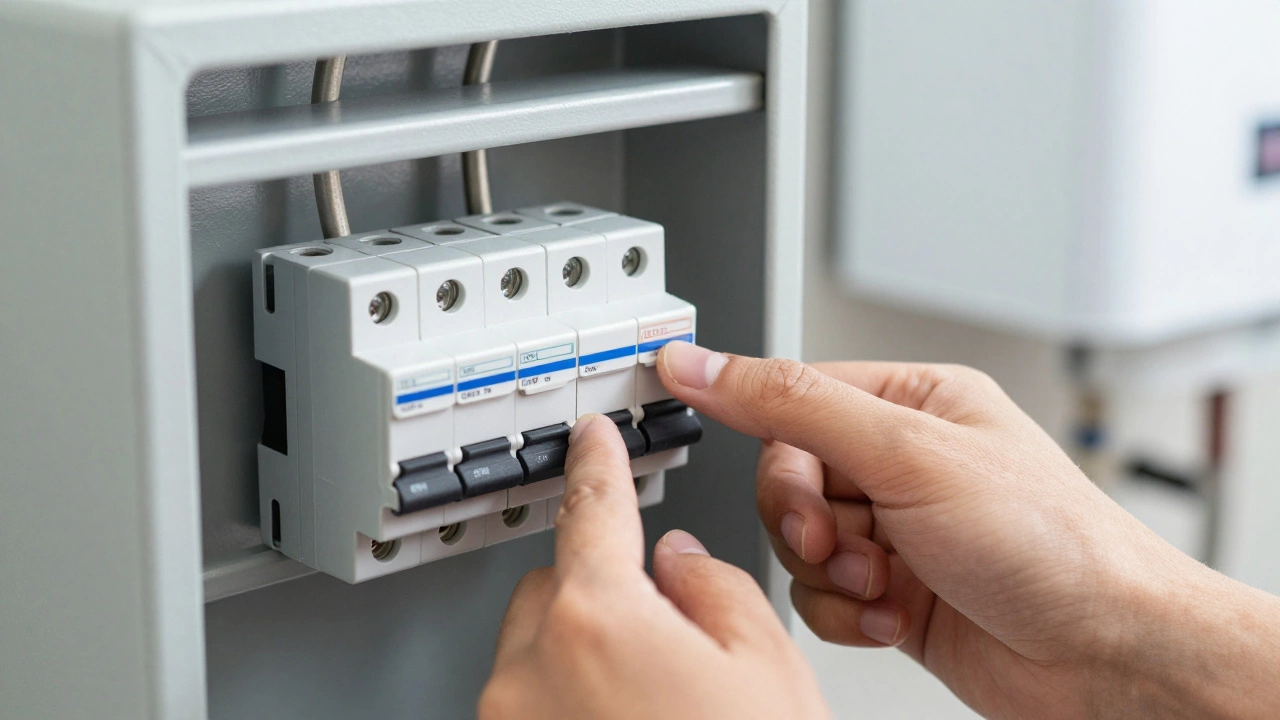
Go to your circuit breaker box. Look for two breakers labeled "Water Heater" or similar. They are usually double-pole breakers (two switches tied together). If either switch is in the middle "Off" position or flipped away from the others, it has tripped.
To reset it, flip the switch fully to "Off", then back to "On". You should hear a click. Wait 30 minutes to an hour for the water to heat up. If the breaker trips again immediately, you have a short circuit in the wiring or a failed heating element. Do not keep resetting it. Call an electrician.
The Reset Button: Your Secret Weapon
Both gas and electric water heaters often have a high-limit reset button. This is a safety feature designed to cut power if the water gets dangerously hot (over 140°F / 60°C) or if the unit overheats.
For Electric Units: Remove the access panels on the side of the tank. You will see insulation. Behind it, look for a red button. If it has popped out, press it firmly until it clicks. This resets the high-limit switch.
For Gas Units: Some models have a reset button near the gas control valve. Consult your manual, as procedures vary by brand.
Warning: If the reset button trips repeatedly, do not just keep pressing it. This indicates a serious issue, such as a stuck thermostat or sediment buildup causing overheating. Continuing to reset it can damage the tank or create a fire hazard.
Sediment Buildup: The Silent Killer
If your water heater is more than five years old, sediment might be the issue. Minerals in hard water settle at the bottom of the tank over time. This layer of sand and grit insulates the bottom of the tank from the heating element or burner.
The result? The burner works harder to heat the water, but the heat doesn't transfer efficiently. Eventually, the thermostat thinks the water is cold and keeps the burner on too long, triggering the high-limit reset button. Or, the sediment blocks the flow of hot water entirely.
You might notice rumbling or popping noises coming from the tank before the hot water stops. This is steam bubbles escaping through the sediment layer. Flushing the tank annually removes this buildup and extends the life of your unit.
Thermostat Failure
The thermostat tells the water heater when to turn on and off. If it fails, the heater might think the water is already hot when it’s actually cold. Or, it might fail to send the signal to ignite the burner.
Test this by checking the temperature setting. Most thermostats are set to 120°F (49°C) for safety and efficiency. If the dial is turned down accidentally, raise it. If the setting is correct but the water remains cold, the thermostat itself may be broken. Replacing a thermostat is a moderate DIY task for those comfortable with electrical work, but it requires turning off power or gas first.
When to Call a Professional
Some problems are beyond basic troubleshooting. Call a licensed plumber or HVAC technician if:
- You smell gas or suspect a leak.
- The circuit breaker trips repeatedly after resetting.
- The tank is leaking water from the bottom or connections.
- The pilot light won't stay lit after multiple attempts.
- You are uncomfortable working with electricity or gas lines.
| Symptom | Likely Cause | Action |
|---|---|---|
| No flame visible | Pilot light out | Relight pilot or replace thermocouple |
| Circuit breaker tripped | Power surge or short | Reset breaker; call electrician if it trips again |
| Red reset button popped | Overheating | Press reset once; flush tank if recurring |
| Rumbling noises | Sediment buildup | Flush the tank annually |
| Leaking tank | Corrosion/Rupture | Replace water heater immediately |
Maintenance Tips to Prevent Future Issues
Prevention is cheaper than repair. Here is how to keep your hot water flowing smoothly:
- Flush the tank yearly: Drain a few gallons from the bottom to remove sediment. This improves efficiency and prevents overheating.
- Check the anode rod: Every 3-5 years, inspect the sacrificial anode rod. If it is heavily corroded, replace it. This protects the steel tank from rusting.
- Inspect the pressure relief valve: Lift the lever on the valve once a year to ensure it isn't stuck. It releases excess pressure to prevent explosions.
- Keep the area clear: Ensure there is good ventilation around the unit, especially for gas models.
How long does it take for a water heater to reheat after a reset?
It typically takes 30 to 60 minutes for a standard 40-50 gallon tank to fully reheat after a reset or power interruption. Smaller tanks may heat faster, while larger ones or those with heavy sediment buildup can take longer. Patience is key; running hot water during this time will only delay the process.
Is it safe to relight the pilot light myself?
Yes, it is generally safe if you follow the manufacturer's instructions carefully. However, if you smell gas, hear hissing, or see soot around the burner, do not attempt to relight it. Turn off the gas supply and call a professional immediately. Always ensure the area is well-ventilated.
Why does my water heater make popping noises?
Popping or rumbling sounds are caused by sediment buildup at the bottom of the tank. As the water heats, steam bubbles form and try to escape through the layer of minerals, creating noise. This reduces efficiency and can lead to overheating. Flushing the tank resolves this issue.
What causes a water heater to run out of hot water quickly?
If hot water runs out faster than usual, check the dip tube inside the cold water inlet. If it breaks, cold water mixes directly with the hot water at the top of the tank. Other causes include a failing heating element, sediment reducing tank capacity, or a crossed thermostat setting.
Should I replace my water heater if it is 10 years old?
Not necessarily, but it is approaching the end of its typical lifespan (8-12 years). If it is functioning well and has been maintained, it may last longer. However, if it requires frequent repairs, leaks, or shows signs of corrosion, replacement is often more cost-effective than continued repair.