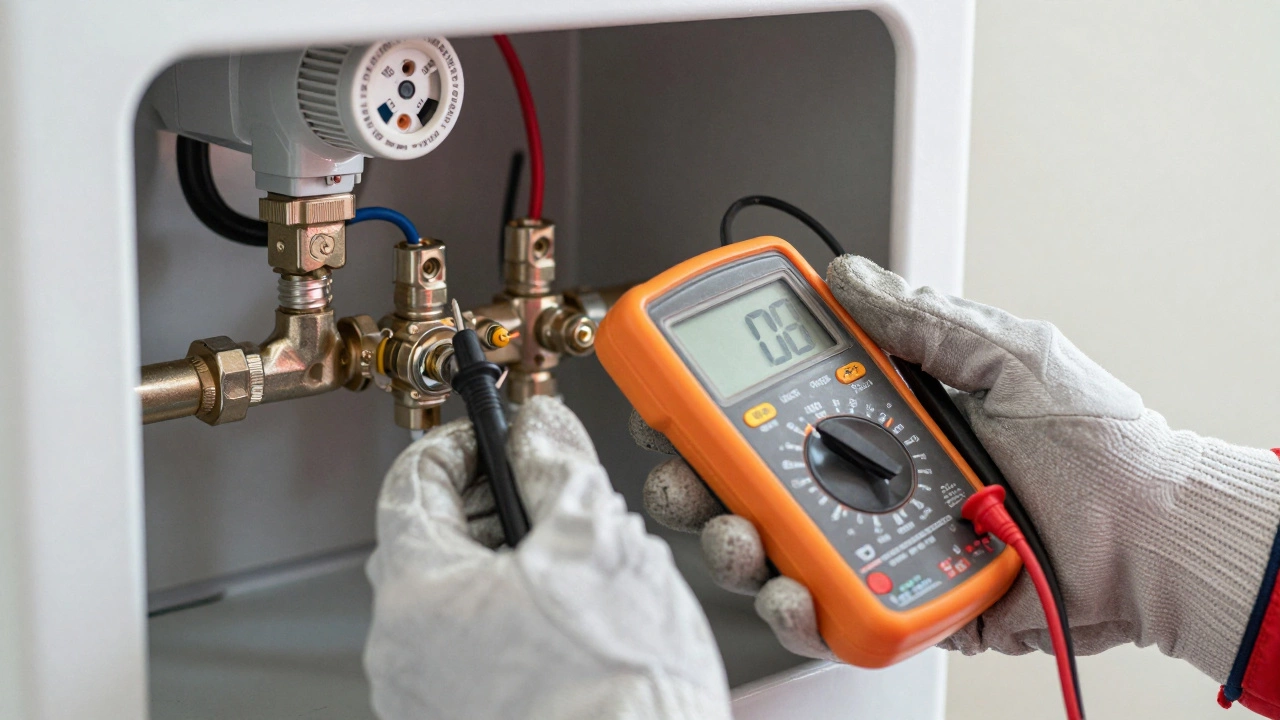
Hot Water Heater Element Diagnostic Tool
Step 1: Observe Your Symptoms
Select all symptoms that apply to your situation:
Step 2: Physical Inspection Results
After accessing the terminal compartment, what do you observe?
Step 3: Measure Element Resistance
Set your multimeter to Ohms (Ω). Touch probes to the two main terminals (not earth screw).
Step 4: Test for Earth Fault
Place one probe on a live terminal and the other on the metal body of the element or earth screw.
Diagnostic Results
You turn the tap for a morning shower, expecting warm water, but only cold sputters out. You check the power, and the unit seems fine. The culprit is often the heating element, which is a resistive component inside an electric hot water cylinder that converts electricity into heat to raise the water temperature. When this part fails, your hot water supply drops or disappears entirely. Identifying a faulty element early saves you from unnecessary repair calls and prevents further damage to your system.
Diagnosing a bad element doesn't require a degree in engineering. With a few basic tools and some caution, you can determine if the element has failed, if the thermostat is lying to you, or if the issue lies elsewhere. This guide walks you through the physical signs, electrical tests, and logical checks needed to pinpoint the problem accurately.
The Quick Summary
- Cold water output: If no hot water comes out after 30 minutes of running, the upper element or thermostat is likely at fault.
- Multimeter reading: A healthy element shows resistance between 15 and 40 ohms; infinite resistance means it's dead.
- Physical inspection: Look for white chalky deposits (scale) or visible cracks on the metal sheath.
- Safety first: Always switch off the mains power and lock out the isolation switch before touching any wires.
- Thermostat confusion: A good element can still fail to heat if the thermostat controlling it is broken.
Understanding How Electric Hot Water Cylinders Work
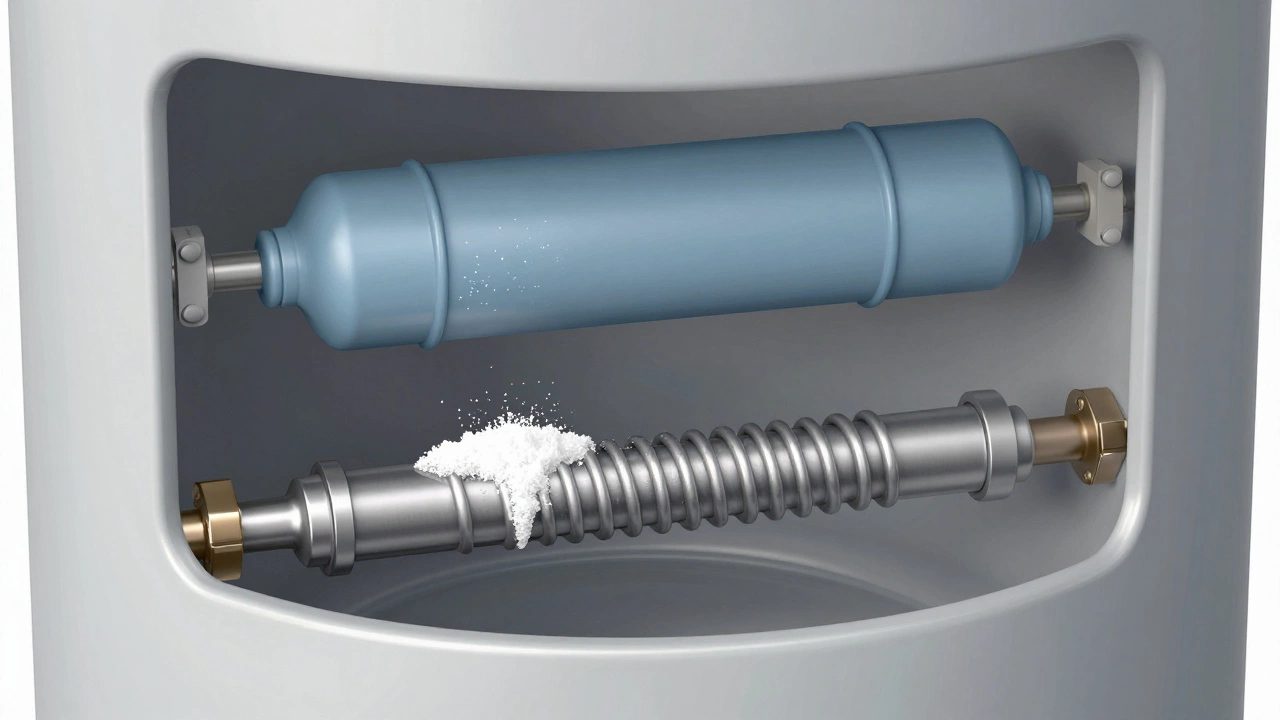
To diagnose the problem, you need to know what you're looking at. Most household electric hot water cylinders use one or two immersion elements. These are metal rods screwed into the side of the tank. Inside the metal casing is a heating coil surrounded by magnesium oxide powder, which insulates the live wire from the water while conducting heat.
In many systems, there are two elements:
- The Upper Element: This sits near the top and handles daily demand. It heats the water quickly when you take a shower or wash dishes.
- The Lower Element: This sits near the bottom and maintains the base temperature or boosts heat during high-demand periods like filling a bath.
If you have no hot water at all, the upper element or its thermostat is usually the suspect. If you have some hot water but it runs out fast, the lower element might be dead. Understanding this distinction helps you narrow down where to look.
Common Symptoms of a Failed Heating Element
Before you grab tools, observe the behavior of your system. Here are the most telling signs that an element has gone bad.
1. No Hot Water After Extended Use
If you run the heater for 30 to 60 minutes and the water remains cold, the element isn't generating heat. This could mean the element itself is broken, or the circuit protecting it has tripped. Check your consumer unit (fuse box) first. If the breaker hasn't tripped, move to physical inspection.
2. Burning Smell or Tripping Breakers
A burning plastic smell near the access panel suggests the element is overheating due to poor contact or internal failure. If the circuit breaker trips repeatedly every time you try to heat water, the element may have developed a short circuit to earth. This is dangerous and requires immediate attention.
3. Visible Corrosion or Leaks
Inspect the area around the element terminals. White, crusty buildup indicates mineral scale. While scale alone doesn't always kill an element, it reduces efficiency and causes overheating. If you see water leaking from the threads where the element screws in, the seal has failed. In this case, replacing the element won't fix the leak; you'll need new seals or a new tank.
Tools You Need for Diagnosis
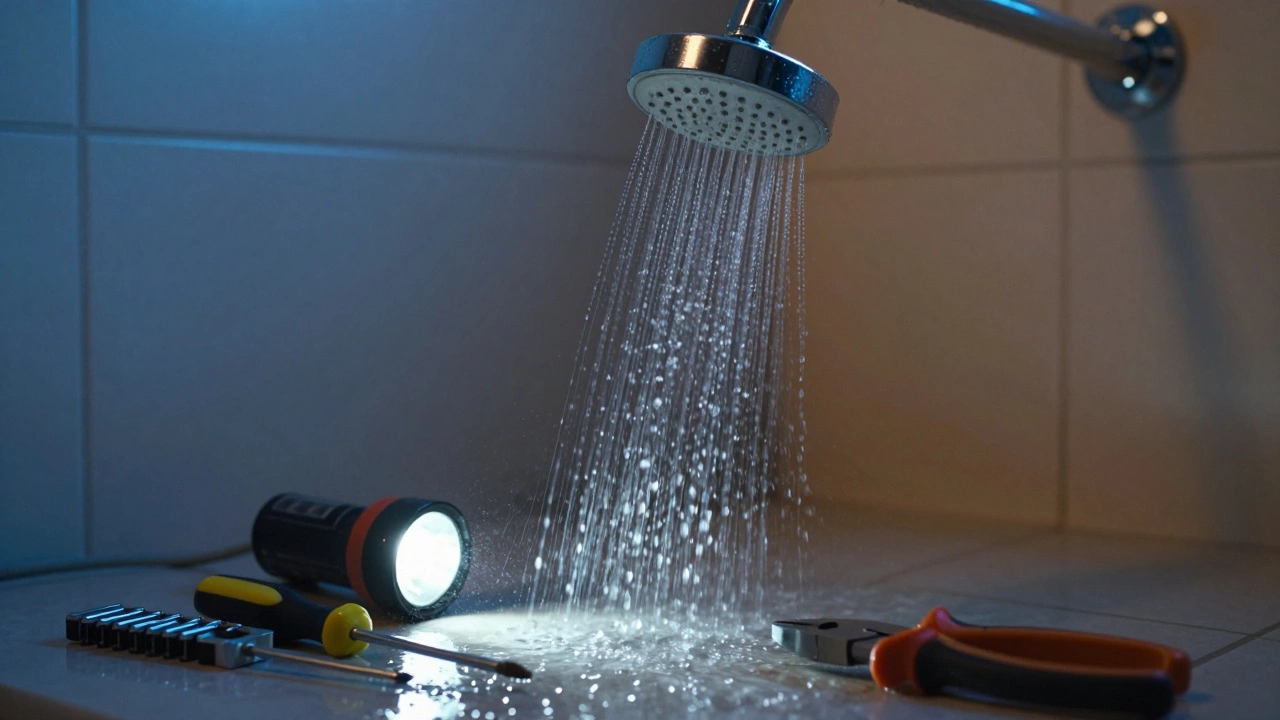
You don't need expensive gear to test an element. Gather these items before starting:
- Digital Multimeter: Essential for measuring resistance and continuity.
- Screwdrivers: Flathead and Phillips heads to remove the access panel and terminal covers.
- Insulated Gloves: To protect your hands from sharp edges and potential shocks.
- Flashlight: To see inside the dark enclosure clearly.
Step-by-Step Guide to Testing the Element
Testing an element involves checking its electrical resistance. A working element acts as a resistor. A broken one acts as an open circuit. Here is how to perform the test safely.
Step 1: Isolate the Power
This is non-negotiable. Turn off the main power to the hot water cylinder at the distribution board. Locate the specific switch labeled "Hot Water" or "Immersion." Switch it off and place a warning sign so no one turns it back on accidentally. Wait five minutes for any residual charge to dissipate.
Step 2: Access the Terminals
Remove the outer access panel. You will see a smaller cover over the wiring compartment. Unscrew this to reveal the element terminals. You should see three wires connected to the element: two live/neutral wires and one earth wire. Disconnect these wires carefully. Take a photo with your phone so you remember which wire goes where.
Step 3: Measure Resistance
Set your multimeter to the Ohms (Ω) setting. Touch the probes to the two main terminals on the element (not the earth screw).
- Normal Reading: Between 15 and 40 ohms. A 3kW element typically reads around 18-20 ohms. A 2kW element reads closer to 25-30 ohms.
- Infinite Resistance (OL): The display shows "Over Limit" or nothing. This means the internal coil is broken. The element is dead.
- Zero Ohms: This indicates a short circuit. The element is damaged and dangerous.
Step 4: Test for Earth Fault
Switch your multimeter to continuity mode or low resistance. Place one probe on a live terminal and the other on the metal body of the element or the earth screw. You should get no continuity. If the meter beeps or shows low resistance, the element has leaked current to the tank. Replace it immediately.
Is It the Element or the Thermostat?
A common mistake is replacing the element when the thermostat is actually broken. The thermostat controls the flow of electricity to the element. If the thermostat fails, it cuts power even if the element is perfect.
To test the thermostat:
- Disconnect the wires from the thermostat.
- Set your multimeter to continuity mode.
- Touch the probes to the thermostat terminals.
- If you hear a beep, the thermostat is closed (allowing power). If silent, it's open.
Note: Some thermostats are designed to stay open until they sense cold water. If you suspect the thermostat, temporarily bypass it only if you are qualified to do so, or replace both the element and thermostat together, as they wear out at similar rates.
| Symptom | Bad Element | Bad Thermostat |
|---|---|---|
| No Heat | Yes | Yes |
| Trips Breaker | Possible (if shorted) | Unlikely |
| Resistance Reading | Infinite or Zero | N/A (Test separately) |
| Continuity Test | Fails across terminals | Fails across contacts |
| Cost to Replace | Low ($20-$50) | Medium ($30-$80) |
When to Call a Professional
While testing is straightforward, replacement can be tricky. If the element is seized into the tank due to corrosion, forcing it can crack the copper tank, leading to a major flood. If you encounter:
- Seized nuts: That won't budge despite penetrating oil.
- Internal tank leaks: Water coming from inside the cylinder.
- Complex wiring: More than three wires or unfamiliar control boards.
It is wise to hire a licensed electrician or plumber. In New Zealand, electrical work must comply with AS/NZS 3000 standards. Incorrect installation can void insurance and pose fire risks.
Maintaining Your Heating Elements
Prevention is cheaper than repair. Hard water areas cause scale buildup, which insulates the element and forces it to work harder. This leads to premature failure. Consider installing a water softener if you have hard water. Regularly flushing the tank removes sediment that settles at the bottom, protecting the lower element.
Check the sacrificial anode rod every two years. This rod corrodes instead of your tank and elements. If it's gone, your elements will rust faster. Replacing the anode extends the life of your entire system.
How much does it cost to replace a hot water heater element?
The part itself costs between $20 and $60 depending on the wattage (usually 2kW or 3kW) and brand. If you do it yourself, that's the total cost. If you hire an electrician, expect to pay between $150 and $300 including labor and call-out fees in New Zealand.
Can I test the element without removing it?
You can test for voltage at the terminals with the power on, but this is dangerous and not recommended for DIYers. To accurately test resistance, you must disconnect the wires. Testing with wires attached gives false readings because the current flows through the rest of the circuit.
Why does my hot water smell like rotten eggs?
This is usually caused by bacteria reacting with sulfur in the water, not a bad element. However, a failing element can contribute by allowing sediments to bake onto the metal. Flushing the tank and replacing the anode with an aluminum-zinc alloy rod often fixes this issue.
How long do heating elements last?
In soft water areas, elements can last 10+ years. In hard water areas, they may fail in 3 to 5 years due to scale buildup and overheating. Regular maintenance significantly extends their lifespan.
What happens if I leave a broken element in the tank?
If the element is open-circuit (broken coil), nothing happens-it just sits there. If it's shorted to earth, it poses a shock hazard and can trip breakers. Never leave a shorted element connected. Always replace it promptly to avoid safety risks.