Key Takeaways
- Draining is just removing water; flushing is about removing sediment.
- Flushing prevents the "popping" noise caused by boiling mineral deposits.
- Regular flushing can extend your heater's life by several years.
- Draining is usually a prerequisite for repairs, not a maintenance goal.
- Hard water areas need flushing at least once a year.
The Big Difference Between Draining and Flushing
When we talk about flush water heater is the process of forcing water through a storage tank to push out accumulated minerals and sediment, we are talking about active cleaning. Draining, on the other hand, is simply letting the water out. Think of it like washing a muddy car. Draining is like letting the rain wash some dirt off the roof; flushing is like taking it through a high-pressure car wash with soap.
A Water Heater is a storage tank that heats water using either electricity or gas. Over time, minerals like calcium and magnesium settle at the bottom. In a simple drain, the water leaves, but the heavy "sludge" often stays stuck to the bottom of the tank. A flush uses the pressure of incoming cold water to scrub those minerals loose and push them out the drain valve. If you only drain the tank, you're leaving the very thing that slows down your heating time and eats away at your tank's lining.
Why Your Heater Makes Those Weird Noises
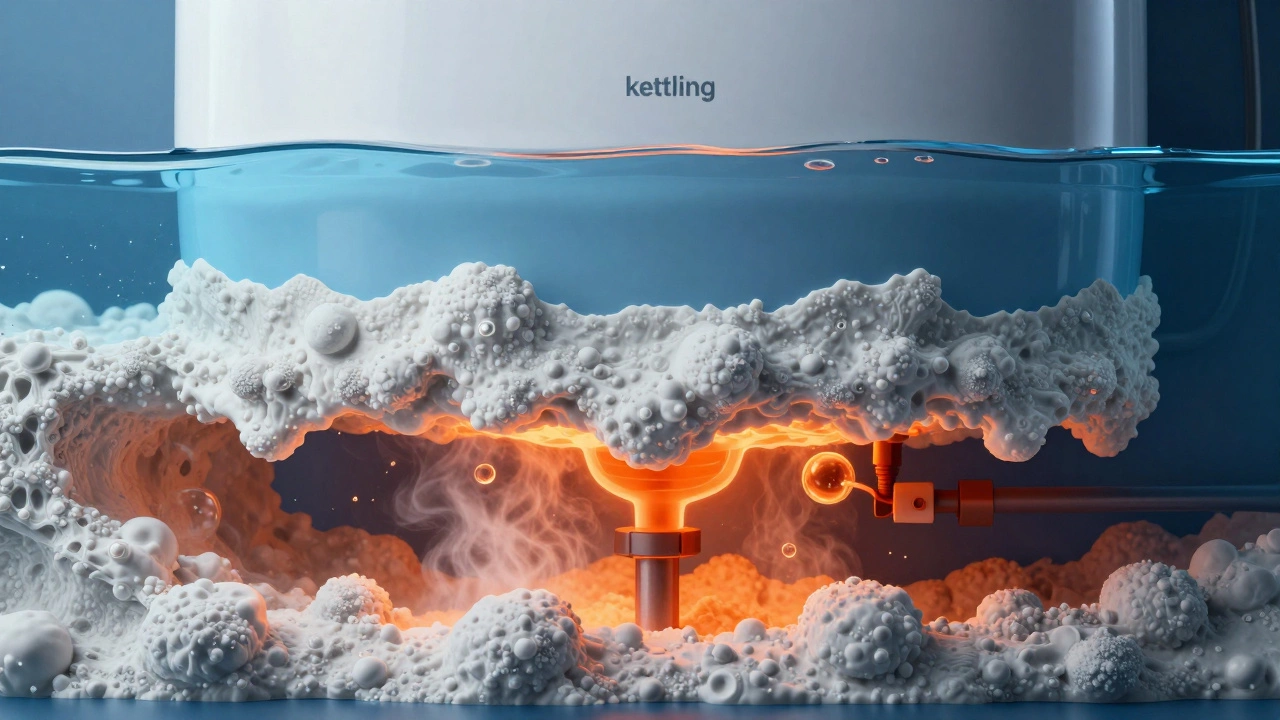
Have you ever heard a sound like popcorn popping inside your walls? That's not a ghost; it's sediment. When minerals build up in a thick layer at the bottom, the heating element (or the gas burner) heats the water trapped *underneath* that sediment first. That water turns into steam bubbles and "pops" through the layer of grime. This is called kettling.
This sediment layer acts as an insulator. If you have a gas heater, the burner has to work twice as hard to heat the water through a layer of calcium. This wastes a huge amount of energy and can eventually cause the metal tank to overheat and crack, leading to a catastrophic leak. Flushing removes this layer, allowing the heat to transfer directly to the water, which lowers your energy bills and stops the noise.
When to Choose Draining Over Flushing
There are specific times when you don't need a full flush and a simple drain is the right call. For instance, if you're replacing a Anode Rod-the sacrificial rod that prevents rust-you just need the tank empty enough to access the top or bottom. You aren't trying to clean the system; you're just making room to work.
Draining is also the primary step when you're decommissioning an old unit or moving a house. If the unit is already broken and you're replacing it, flushing is a waste of time. You just want the water out so you can haul the heavy tank away without flooding your basement. In these cases, the goal is removal, not restoration.
| Feature | Draining | Flushing |
|---|---|---|
| Primary Goal | Empty the tank | Remove sediment/minerals |
| Effect on Efficiency | Negligible | Increases heating speed |
| Tool Requirements | Garden hose & bucket | Garden hose & high-pressure flow |
| Frequency | Only during repairs | Once every 6-12 months |
| Impact on Lifespan | No change | Extends life by reducing stress |
Step-by-Step Guide to Flushing Your Tank
If you've decided that your heater needs a deep clean, here is the most effective way to do it. This process works for most standard tank-style heaters, but always check your manual first.
- Power Down: Turn off the electricity at the breaker or turn the gas valve to "Pilot." If you heat water with electricity and leave the power on while the tank is empty, you'll burn out the upper heating element in seconds.
- Shut off the Water: Close the cold water supply valve leading into the tank.
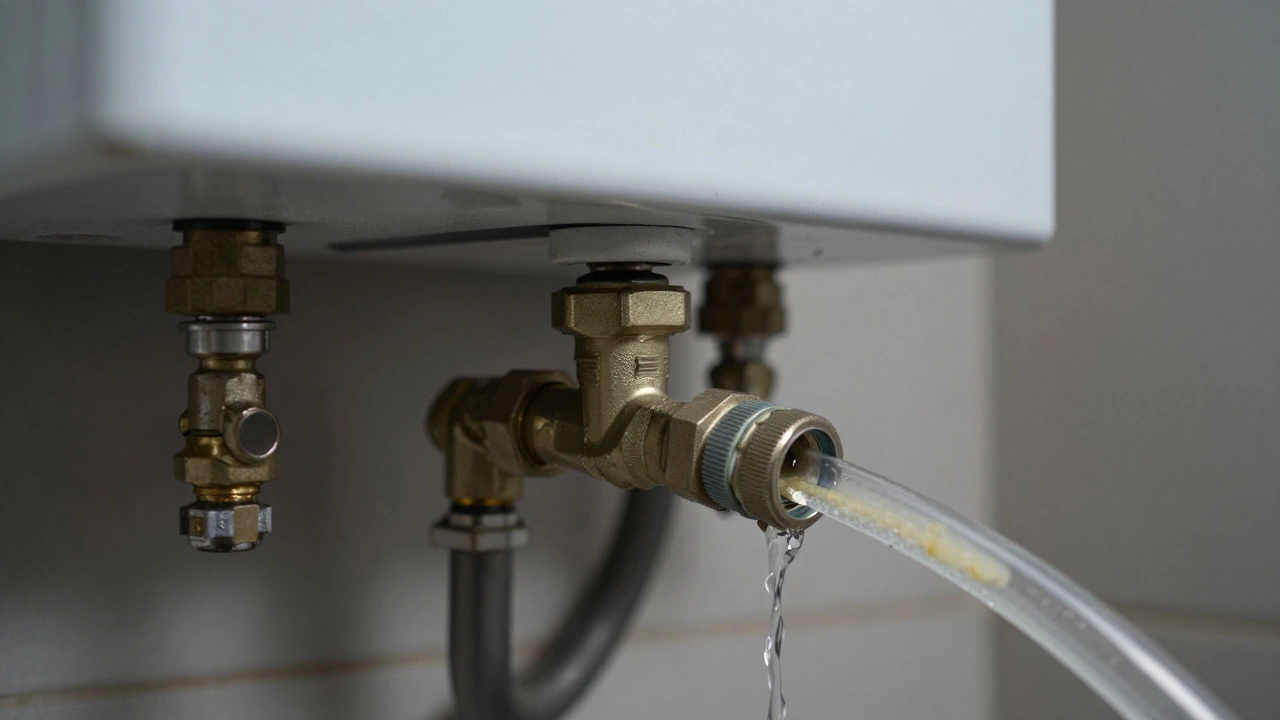
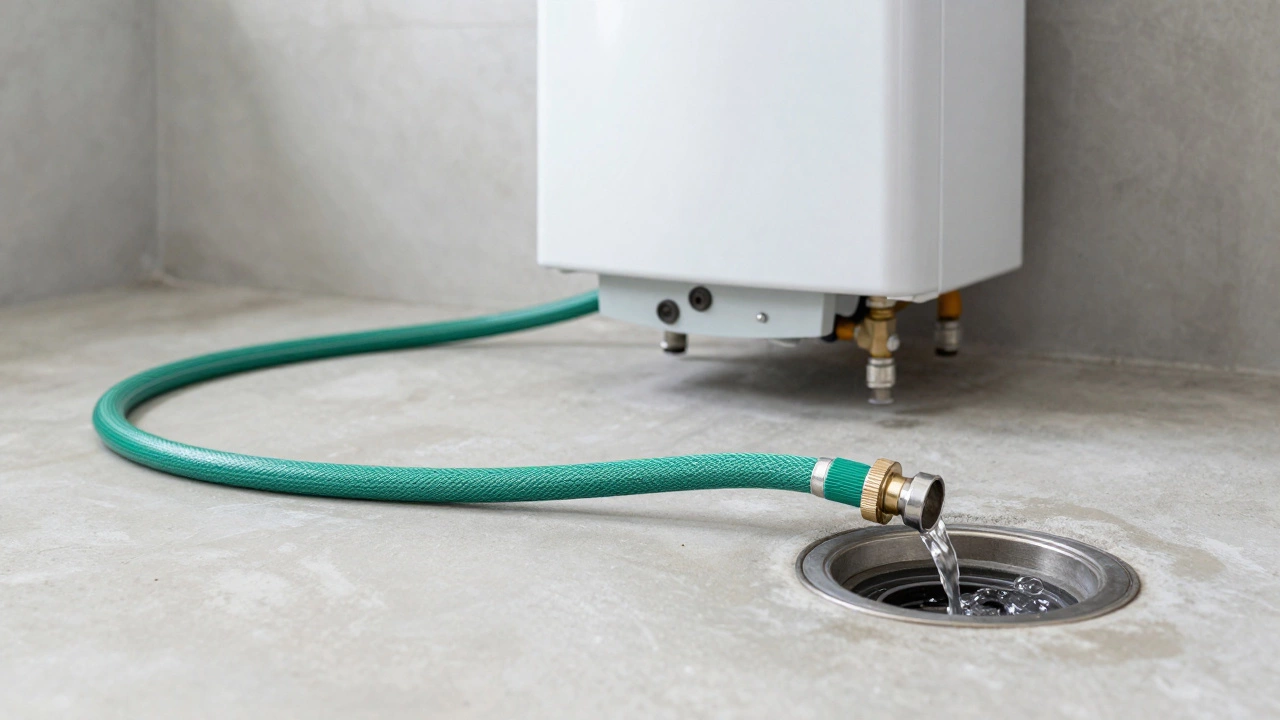
- Connect the Hose: Attach a standard garden hose to the drain valve at the bottom of the tank. Run the other end of the hose to a floor drain or outside.
- Open the Valve: Open the drain valve and let the water flow. This is the "draining" part.
- The Flush Cycle: Once the tank is mostly empty, open the cold water supply valve for a few seconds, then close it. This sends a burst of fresh water into the tank, stirring up the sediment at the bottom.
- Repeat: Open the drain valve again to push that stirred-up sediment out the hose. Repeat this "fill-and-dump" cycle until the water coming out of the hose is crystal clear.
- Refill Completely: Close the drain valve and open the cold water supply. Crucial: Open a hot water faucet somewhere in the house until you stop hearing air hiss and water flows steadily. This removes the air pockets.
- Restore Power: Only after the tank is full should you turn the electricity or gas back on.
Dealing with Hard Water Challenges
If you live in an area with hard water-meaning your water is rich in calcium and magnesium-you are fighting a losing battle if you only drain your tank. In these regions, the sediment builds up much faster. You might notice white crusty buildup on your faucets; that same stuff is coating the bottom of your water heater.
For those with extremely hard water, a Water Softener is a filtration system that removes calcium and magnesium ions from water. If you install one, you'll find that you don't need to flush your heater nearly as often because the "gunk" never forms. However, if you don't have one, a yearly flush is the only thing keeping your tank from becoming a giant rock of calcium.
Common Pitfalls and How to Avoid Them
The most common mistake of all is forgetting to turn off the power. I've seen many homeowners accidentally fry their heating elements because they were too eager to start the water flowing. Another issue is the "stuck valve." If you haven't touched your drain valve in five years, there's a good chance it's corroded. If it won't budge, don't force it with a giant wrench or you might snap the valve off the tank, causing a flood.
Also, be mindful of the water temperature. If you drain the tank while the water is still 140°F, you're dealing with scalding water. Let it cool down for an hour or use extreme caution with your hose connections. Finally, don't forget to check your T&P Valve (Temperature and Pressure Relief Valve). This is the safety valve that prevents your tank from exploding. While you're flushing, it's a great time to lift the lever briefly to make sure it's not stuck shut.
How often should I flush my water heater?
For most homes, once a year is the sweet spot. If you have very hard water, you might want to do it every six months. If you have a water softener, you can probably push it to every two or three years. The best sign that it's time for a flush is when you start hearing popping noises or notice that your hot water doesn't last as long as it used to.
Can I flush my water heater without a garden hose?
Technically, yes, you can just open the valve and let it pour into a bucket, but it is incredibly messy and inefficient. The hose allows you to direct the sediment-heavy water away from your flooring and gives you the ability to perform the "fill-and-dump" cycle needed to actually scrub the tank. Without a hose, you're basically just draining, not flushing.
Will flushing my water heater void the warranty?
Actually, it's often the opposite. Many manufacturers explicitly require annual flushing and anode rod inspection to keep the warranty valid. If your tank leaks and the manufacturer finds a massive amount of sediment buildup, they may claim you neglected the unit and deny the claim. Always check your specific warranty terms.
What is the difference between a tankless and a tank heater regarding flushing?
Tankless heaters don't store water, so they don't build up a "sludge layer" at the bottom. However, they still get scale buildup on the heat exchanger. Instead of a simple flush, they require a process called "descaling," where a food-grade acid (like vinegar) is circulated through the unit to dissolve minerals. It's a different process entirely.
How do I know if my flush actually worked?
The most obvious sign is the water clarity. At the start, the water will be cloudy or contain white flakes (calcium). When the water running through the hose is completely clear, the sediment is gone. You should also notice that the "popping" sounds have disappeared and your water heats up more efficiently.
What to Do Next
If you've flushed your tank and you're still hearing noises or getting inconsistent temperatures, the problem might be deeper. Check your Thermostat to ensure it's set to a safe but effective temperature (usually 120°F). If the heating elements are burnt out, flushing won't help-you'll need to replace the components.
For those who want a "set it and forget it" solution, consider installing a sediment filter on your main water line. This stops the minerals before they ever reach the heater, meaning you can go years without needing a full flush. If you're not comfortable working with electricity and gas, this is the perfect time to call a licensed technician to perform a professional maintenance visit.