Water Heater Health Check Tool
Water Heater Condition Assessment
Answer these questions to determine if your 10-year-old water heater should be flushed or replaced.
✅ Flush Recommended
Your water heater shows no major structural damage. Flushing can extend its life by 2-4 years.
Expected benefits: Faster hot water, reduced noise, lower energy bills.
⚠️ Proceed with Caution
Your heater has minor issues but may still benefit from flushing. Monitor closely for:
- Increased noise after flushing
- Rust spreading
- Leaking from valves
❌ Replacement Recommended
Signs of structural damage are present. Flushing could worsen the problem.
Consider replacing now to avoid costly water damage and safety hazards.
If your water heater is 10 years old, you’ve probably started wondering if it’s time to replace it. But before you pull the trigger on a new unit, there’s one simple step most people ignore: flushing it. Should you flush a 10-year-old water heater? The answer isn’t yes or no-it’s yes, but only if it’s still working.
Why flushing matters more at 10 years
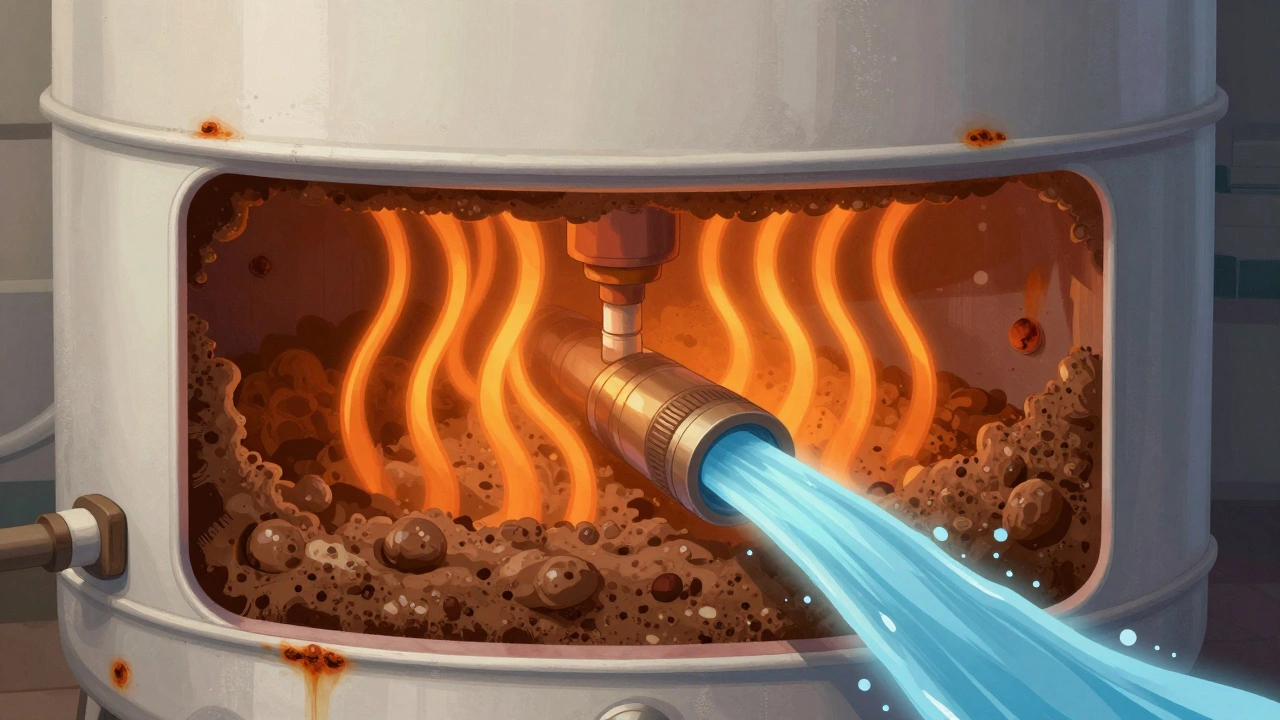
Water heaters don’t just wear out. They accumulate sediment. Every time hot water flows through, minerals like calcium and magnesium drop out of the water and settle at the bottom. Over time, that sludge builds up into a thick layer-sometimes an inch or more. At 10 years, that layer isn’t just sitting there. It’s actively hurting your heater.That sediment acts like insulation. Instead of heat moving from the element or gas burner into the water, it’s trapped under a blanket of dirt. Your heater has to work harder, longer, and hotter to give you hot showers. That means higher bills and more strain on the system. In Dunedin’s hard water areas, this happens faster than you think.
Here’s what happens when sediment builds up:
- Heating takes longer-your shower feels lukewarm even when the dial is on max
- Strange noises-rumbling, popping, or banging sounds when the heater fires up
- Reduced hot water supply-you run out faster than before
- Corrosion starts at the bottom tank wall, where the sludge sits
Flushing removes that buildup. It’s not a magic fix, but it can buy you 2-4 more years of reliable service if the heater is otherwise in good shape.
When flushing won’t help
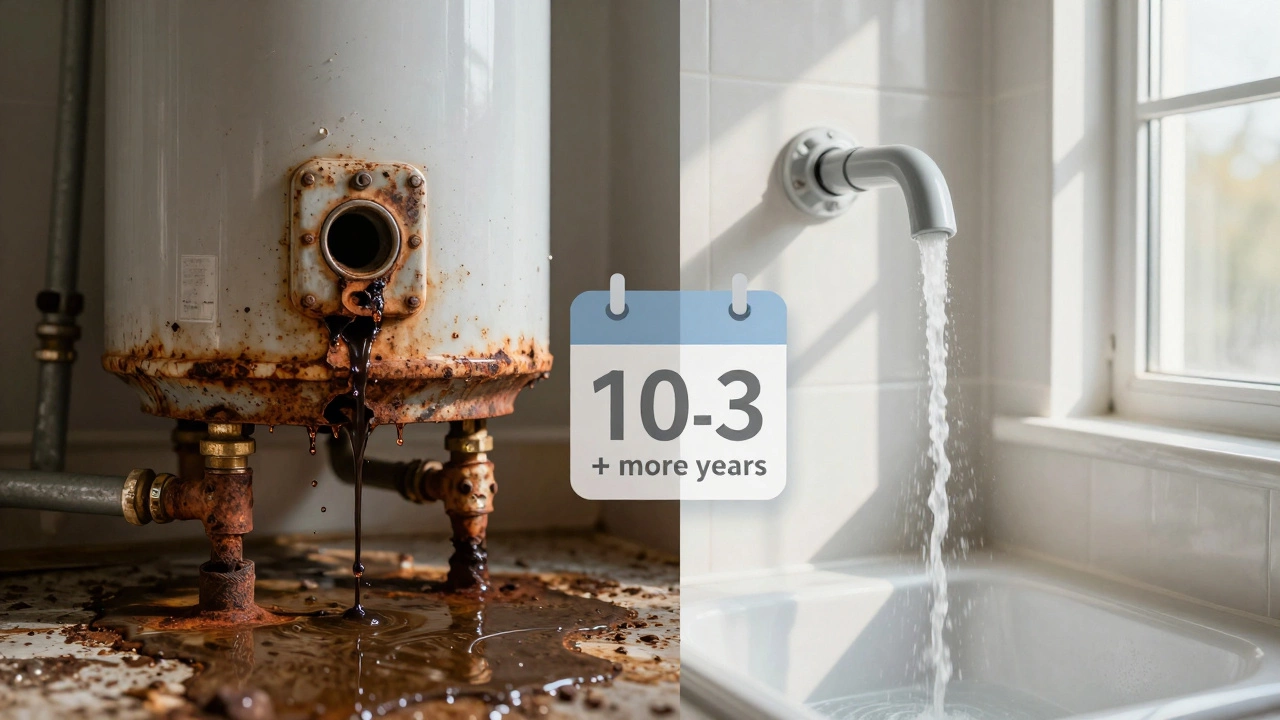
Not every 10-year-old water heater needs flushing. Some are beyond saving. If you notice any of these signs, skip the flush and start shopping for a replacement:- Rusty water coming out of your taps-especially from the hot side
- Water pooling around the base of the tank
- Leaking pressure relief valve that won’t stop dripping
- Corrosion on the inlet/outlet pipes or the tank itself
These aren’t just signs of age. They’re signs of structural failure. Flushing won’t fix a rusted tank. It might even make things worse by stirring up debris that clogs the drain valve or causes a leak.
Check the serial number on the label. The first two digits often show the year it was made. If it’s from 2015 or earlier, you’re at the edge of its expected lifespan. Most tank-style heaters last 8-12 years. If yours is hitting 10 and already showing wear, replacement is smarter than repair.
How to flush a 10-year-old water heater (safely)
If you’ve ruled out major damage and want to try flushing, here’s how to do it right:- Turn off the power-for electric, flip the breaker. For gas, turn the dial to "pilot".
- Cut the cold water supply-find the valve on the pipe leading into the top of the heater and turn it clockwise.
- Open a hot water tap-somewhere in the house, like the kitchen sink. This lets air into the system so water can drain freely.
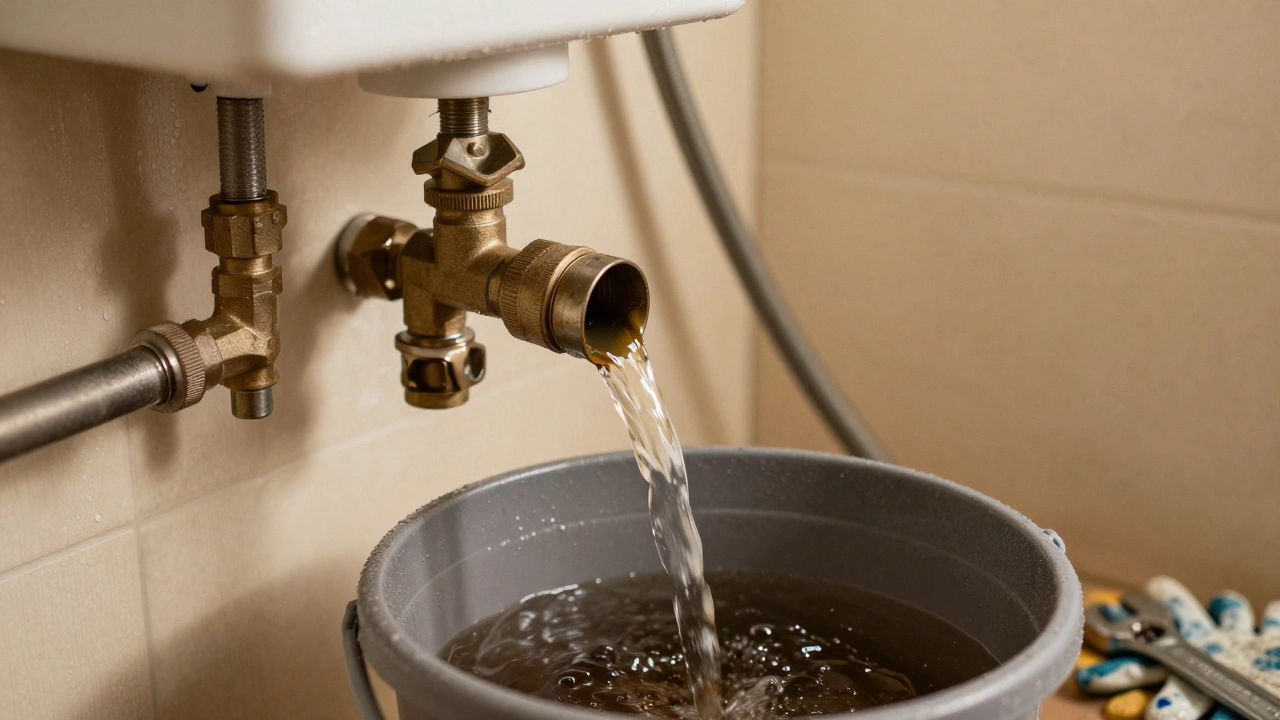
- Attach a hose to the drain valve-it’s near the bottom of the tank. Run the other end to a floor drain, outside, or a large bucket.
- Open the drain valve slowly-let the water flow. It’ll start dark and thick. Keep going until it runs clear.
- Turn the water back on-leave the drain valve open until water flows out cleanly, then close it.
- Restore power-turn the breaker back on or relight the gas pilot.
Don’t rush this. If the water takes more than 15 minutes to clear, the sediment is heavy. You might need to repeat the process after a few hours. Some people flush twice a year. For a 10-year-old unit, one good flush is enough to tell you if it’s worth keeping.
What to expect after flushing
After you flush, you might notice:- Hot water comes back faster-sometimes within a day
- The noise stops-rumbling and popping fade as sediment clears
- Your energy bill dips slightly over the next month
But here’s the catch: if the heater was already failing, flushing won’t fix the underlying problem. You might feel better for a few months, then notice the same issues creeping back. That’s normal. Flushing is maintenance, not a cure.
One homeowner in Dunedin flushed her 10-year-old unit last winter. She got 14 months of quiet, reliable service before the tank finally corroded through. She’d saved $800 on a premature replacement-and avoided a flood when the drain valve failed.
When to walk away
There’s no shame in replacing a 10-year-old water heater. In fact, waiting too long can cost you more.Modern tankless heaters or high-efficiency tanks use 20-30% less energy. They last 20+ years. If you’re paying over $100 a year extra in heating costs, the math starts to add up. Plus, older units don’t meet current safety standards. A new heater might qualify for government rebates in New Zealand, especially if you’re switching to heat pump or solar-assisted models.
Ask yourself: Is the cost of a flush (time, water, effort) worth the chance of extending a unit that’s already halfway through its life? If you’re planning to move in the next few years? Skip it. If you’re staying put? Do the flush, then monitor closely.
Bottom line
Yes, you should flush a 10-year-old water heater-if it’s still working well and shows no signs of leaks or corrosion. It’s cheap, simple, and can give you a few more years of trouble-free service. But if the tank is already rusted, noisy, or leaking? Don’t waste your time. Replace it. A new water heater isn’t just an upgrade-it’s insurance against water damage, high bills, and cold showers.Can flushing a 10-year-old water heater cause damage?
It’s unlikely, but only if the unit is already damaged. If the drain valve is corroded or the tank has internal rust, forcing water through it can cause leaks. Always check for visible rust, leaks, or a stuck valve before you start. If in doubt, call a professional.
How often should you flush a water heater?
Once a year is ideal for most homes. In areas with hard water, like Dunedin, twice a year helps prevent buildup. If you haven’t flushed yours in 5+ years, do it now-even if it’s 10 years old.
Is it worth flushing an old water heater if I’m moving soon?
Probably not. The effort and cost (time, water, potential damage) aren’t worth it if you’ll be gone in 6-12 months. Focus on keeping it running until you leave. Let the new owner deal with it.
What’s the average lifespan of a water heater?
Most tank-style water heaters last 8 to 12 years. Tankless models can last 20 years or more. Gas heaters tend to wear faster than electric ones due to combustion byproducts. Regular flushing can extend life by 2-4 years.
Can I flush my water heater myself?
Yes, if you’re comfortable with basic home tasks. You’ll need a garden hose, gloves, and a bucket or floor drain. Turn off power and water first. If you’re unsure about the gas line, electrical panel, or valve condition, hire a licensed plumber. Safety comes first.