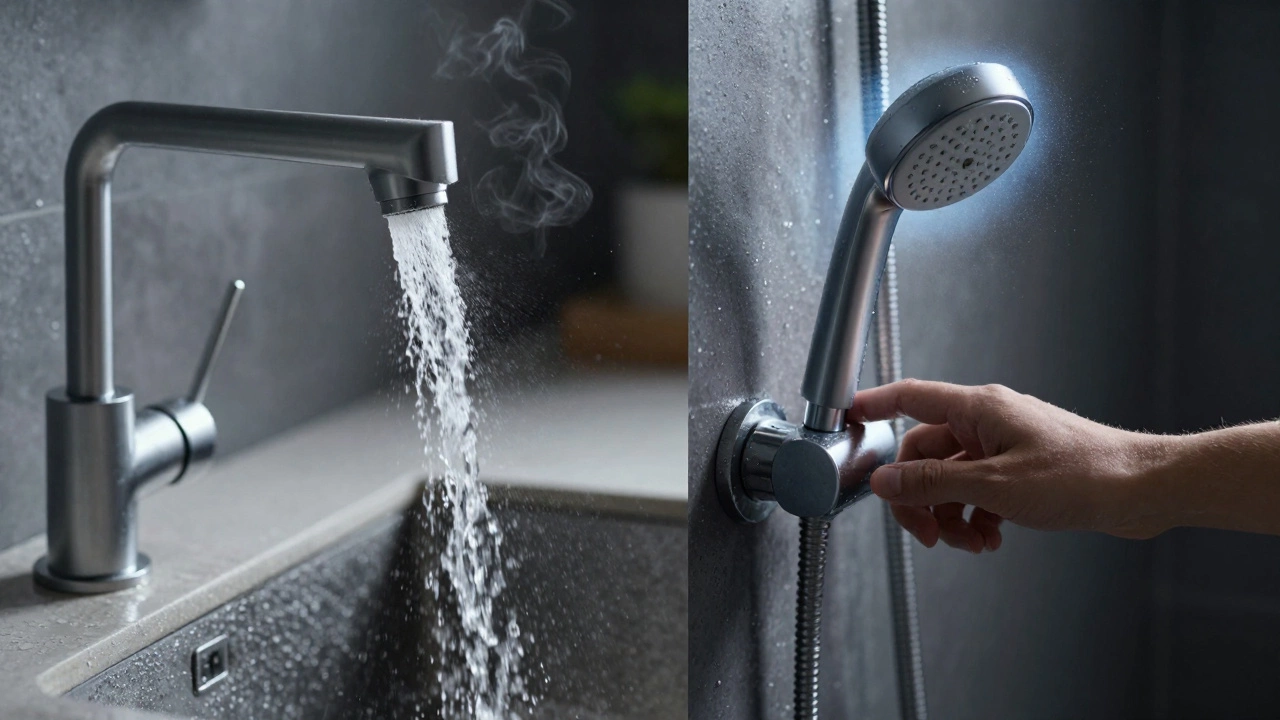
Hot Water Troubleshooting Diagnostic
Is the kitchen sink getting hot water while the bathroom is not?
Answer the questions below to find the likely cause of your plumbing issue.
Likely Culprit:
You've just stepped into the shower, expecting a warm blast of water, but instead, you're hit with a freezing surprise. You run to the kitchen sink, turn the tap, and-surprise-the water is steaming. It feels like a prank, but it's actually a classic plumbing puzzle. If your hot water heater repair is a task you've been putting off, this specific symptom is a huge clue that the problem isn't necessarily the heater itself, but how the water gets to your fixtures.
Quick Fixes and Key Takeaways
- Check the valves: A partially closed shut-off valve in the bathroom line can restrict flow.
- Inspect for leaks: Small leaks in the hot water line can cause a drop in temperature before it reaches the tap.
- Dip tube failure: If your tank is old, the tube that sends cold water to the bottom may be broken.
- Clogged pipes: Mineral buildup (scale) can block hot water from reaching distant rooms.
- Mixing valve issues: A faulty shower cartridge can let cold water leak into the hot stream.
The Mystery of the Missing Heat
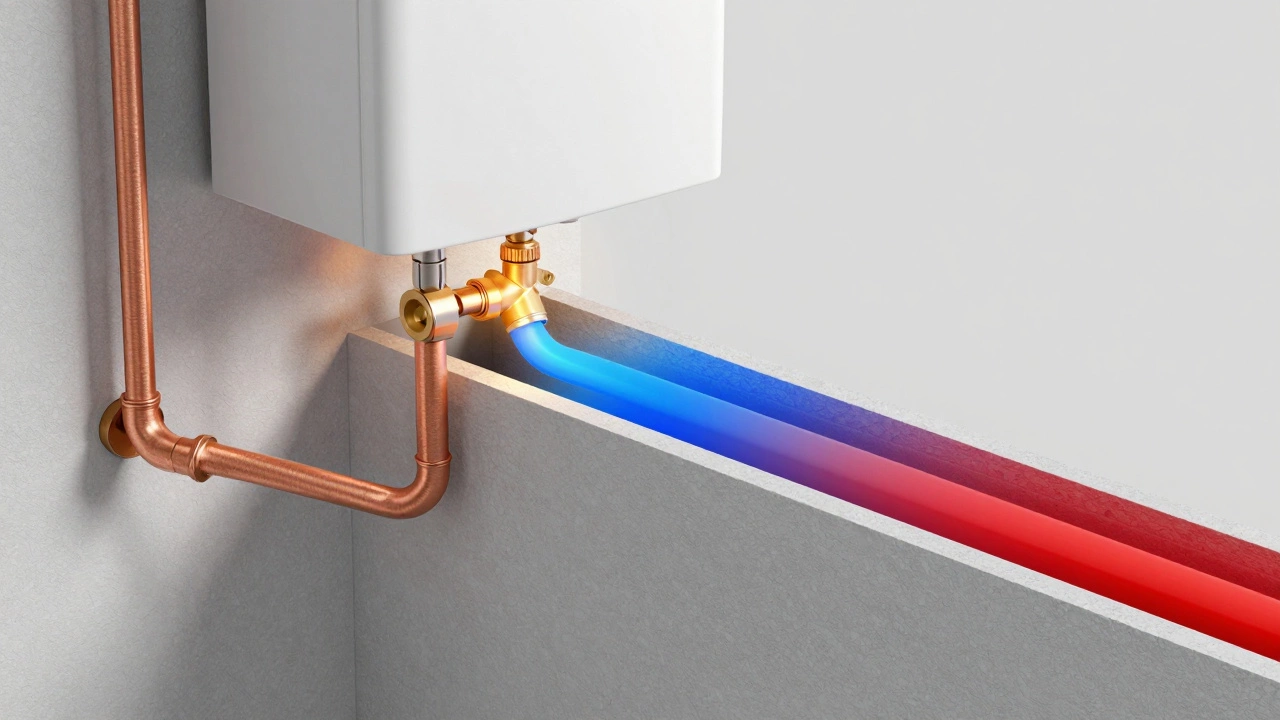
When one room has hot water and another doesn't, you can immediately rule out a total failure of the Water Heater. Since the kitchen is getting heat, your heating element or burner is working. The real question is: why is the heat disappearing on the journey to the bathroom? In most homes, the bathroom is further away from the heater than the kitchen. This means the water has to travel through more Copper Piping or PEX tubing, increasing the chance that something goes wrong along the way.
The Shower Cartridge Culprit
If your kitchen tap is hot but your shower is lukewarm, the problem is often right under your nose-or rather, inside your wall. Most modern showers use a Shower Cartridge, which is a plastic and ceramic valve that mixes hot and cold water. Over time, these cartridges wear out or get clogged with sediment. When the internal seals fail, a phenomenon called "cross-over" happens. This is where cold water leaks into the hot water side of the valve, diluting the heat before it ever hits your skin.
You'll know it's a cartridge issue if the water eventually gets hot after running for five minutes, or if the temperature fluctuates wildly. Replacing a cartridge is a relatively simple DIY job, but if you aren't comfortable taking a handle off the wall, it's a quick fix for a professional.
The Dip Tube Disaster
Inside your tank, there is a component called a Dip Tube. This is a plastic pipe that guides incoming cold water to the bottom of the tank so it can be heated. If this tube cracks or erodes-which happens often in areas with hard water-the cold water stays at the top of the tank. This creates a layer of cold water that gets pushed out first.
Why does the kitchen stay hot? Usually, because the kitchen is the first "stop" on the line. The bathroom, being further away, ends up receiving the lukewarm mixture that occurs when the tank's internal layering is disrupted. If you notice your water stays hot for a very short time and then turns cold, your dip tube is likely the prime suspect.
Sediment Buildup and Mineral Scale
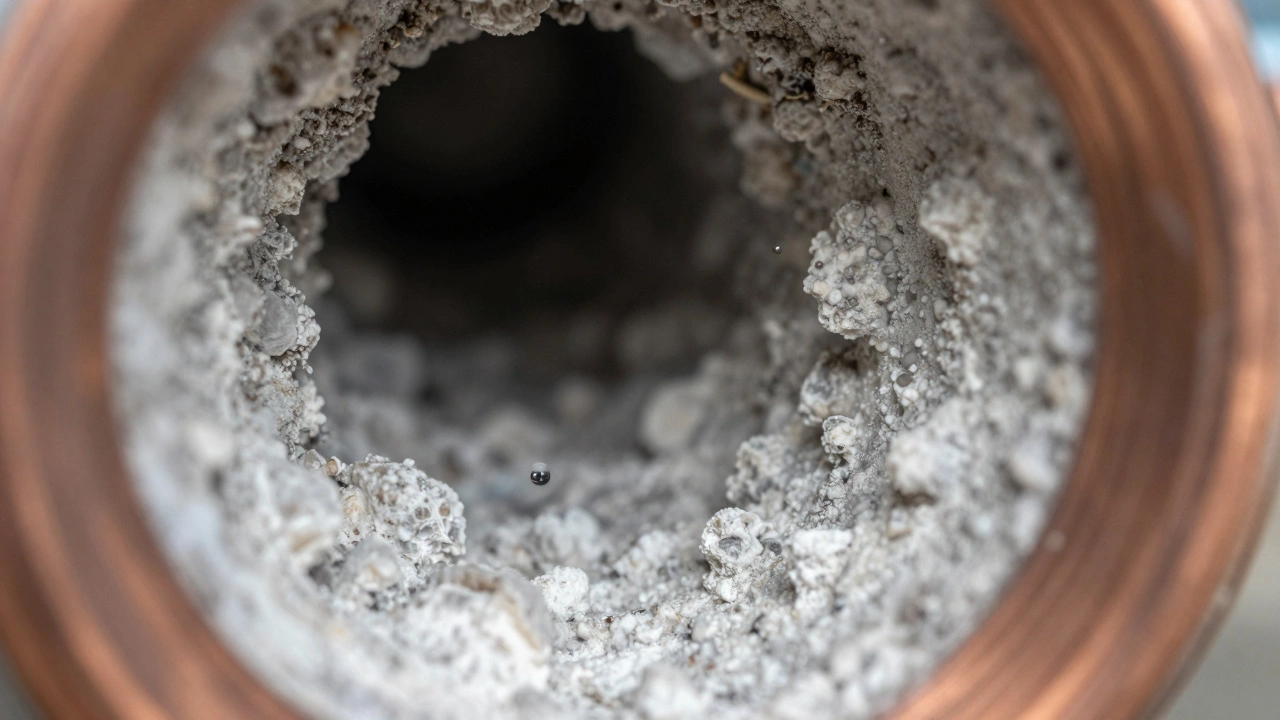
If you live in an area with high mineral content, your pipes are essentially growing "arteries." Calcium Carbonate builds up on the inside of your pipes, creating a rough surface that slows down water flow. Because the bathroom is often the furthest point from the heater, the combined effect of a longer pipe run and mineral buildup means the hot water loses its heat to the surrounding air before it arrives.
| Symptom | Likely Entity | Typical Fix | Severity |
|---|---|---|---|
| Hot in kitchen, cold in shower | Shower Cartridge | Replace Cartridge | Low |
| Hot for 2 mins, then cold | Dip Tube | Replace Tube | Medium |
| Slow flow and lukewarm | Mineral Scale | Flush Tank/Pipe Clean | Medium |
| No hot water in one room only | Shut-off Valve | Open Valve Fully | Low |
Checking the Shut-off Valves
It sounds simple, but check your Shut-off Valves. Many bathrooms have individual valves to isolate the plumbing for repairs. If a valve was bumped or partially closed, it restricts the flow of hot water. When flow is restricted, the water moves slower through the pipes, allowing it to cool down significantly before it reaches the tap. If you find a valve that's only half-open, twisting it back to full capacity might solve your problem in ten seconds.
The Role of the Mixing Valve
Some homes have a Mixing Valve installed at the water heater. This device blends hot and cold water to prevent you from scalding yourself. If the internal diaphragm in the mixing valve fails, it can cause an imbalance in water pressure. This often results in the closest fixtures (like the kitchen) getting the lion's share of the hot water, while the distant bathroom fixtures get a diluted, lukewarm stream.
When to Call a Pro
While checking a valve or replacing a shower cartridge is manageable for many, some problems are deeper. If you suspect your pipes are choked with sediment, you might need a professional to perform a chemical flush or install a Water Softener to prevent future buildup. Similarly, if your tank is leaking from the bottom while the dip tube is failing, the entire unit may be rusted through and need replacement.
Can a leak cause my bathroom water to be cold?
Yes. A leak in the hot water line between the heater and the bathroom allows hot water to escape and cold water to seep in or simply causes the remaining water to sit in the pipe and cool down. If you see damp spots on the walls or floor, you have a leak problem, not a heater problem.
How do I know if my dip tube is broken?
The biggest sign is a significant drop in the amount of hot water you have. If your tank is 50 gallons but you only get 10 minutes of hot water before it turns cold, the dip tube has likely disintegrated, causing cold water to mix with the hot water at the top of the tank.
Why does the kitchen sink get hot water faster than the bathroom?
This is usually due to proximity. The kitchen is typically closer to the water heater. Water in the pipes cools down as it travels; the further the bathroom is, the more heat is lost to the house's structure and the more water must be flushed out of the line before the hot water arrives.
Is it possible for a water heater to heat only some rooms?
No. A water heater heats the water inside the tank uniformly. If some rooms are hot and others aren't, the issue is always in the delivery system-the pipes, the valves, or the fixtures-not the heating process itself.
Should I replace my whole heater if the dip tube is broken?
Not necessarily. Dip tubes are replaceable parts. However, if the tube failed because the tank is heavily corroded with sediment, you might find that replacing the tube doesn't fix the overall inefficiency. If the tank is over 10-12 years old, it might be time for a new unit.
What to do next
Start with the easiest check: go to your bathroom and ensure all shut-off valves are fully open. If that doesn't work, try the "bucket test." Fill a bucket with water from the kitchen and then the bathroom. If the bathroom flow is significantly slower, you're likely dealing with a blockage or a valve issue. If the flow is strong but the water is cold, focus on the shower cartridge or the dip tube. If you're not comfortable working with plumbing, call a technician to perform a diagnostic check on your piping and tank health.