Extractor Fan Health & Lifespan Calculator
Your Fan's Profile
Drag the slider to set how long you have had the fan.
Diagnosis Report
Unit Condition
Good
Continue regular maintenance.
Remaining Life
-- Years
Likely Next Issue
None Detected
- Tip 1
- Tip 2
- Tip 3
The Reality Behind Your Ventilation System
There comes a moment when the air in your kitchen feels heavy, or your bathroom mirror fogs up faster than it used to. You reach up, press the switch, and hear that familiar whirring sound turn into a labored groan. It happens to everyone. When you start wondering how much longer your system has left, you aren't just asking about a machine; you are asking about the health of your home environment.
We talk a lot about the lifespan of major appliances like fridges or ovens, but ventilation gets overlooked until it breaks. The truth is, these devices work harder than most people realize. They run every time you cook, shower, or boil water, fighting against grease, moisture, and dust daily. Understanding the expected life expectancy helps you budget for replacements before you are left breathing stale air.
When discussing extractor fans, we are referring to mechanical systems designed to remove airborne contaminants, moisture, odors, and heat from enclosed spaces. These units, often found in kitchens and bathrooms, typically feature a motor-driven impeller housed within a ducted or recirculating casing. In modern homes built in the last decade, the quality varies significantly based on whether the unit was installed by code during construction or added later as a retrofit.
Standard Lifespan Expectations by Location
It is tempting to look for a single number, but the reality depends heavily on where the unit lives in your house. A kitchen hood takes a beating that a bathroom vent simply does not experience. Grease is abrasive; salt and humidity in bathrooms are corrosive. Usage frequency also plays a massive role. If you live here in Dunedin, the coastal air might accelerate corrosion compared to inland areas due to higher salt content.
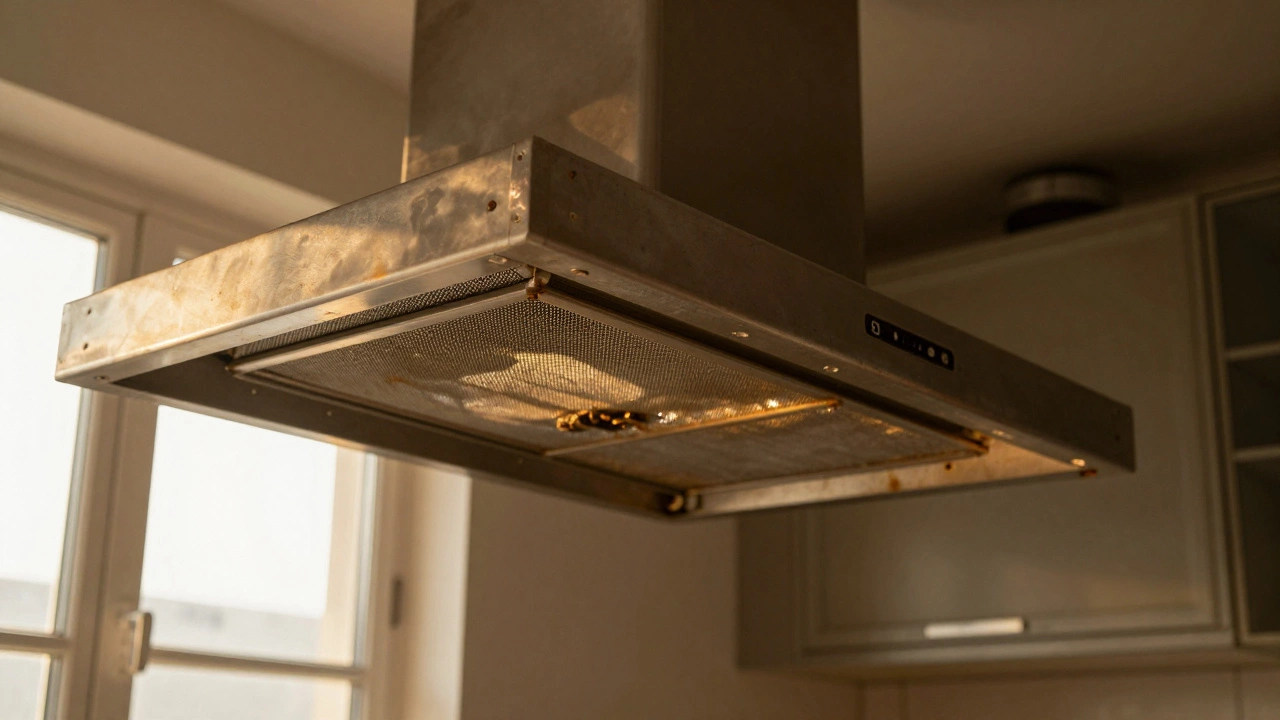
For Kitchen Hoods, the average operational life sits between ten and fifteen years. However, this assumes regular cleaning. If you ignore the grease filters, the motor works harder to push air through clogged pathways. That extra strain shortens the motor's life by years. Industrial-grade hoods in commercial kitchens see lifespans closer to five to eight years because they run continuously at high speed.
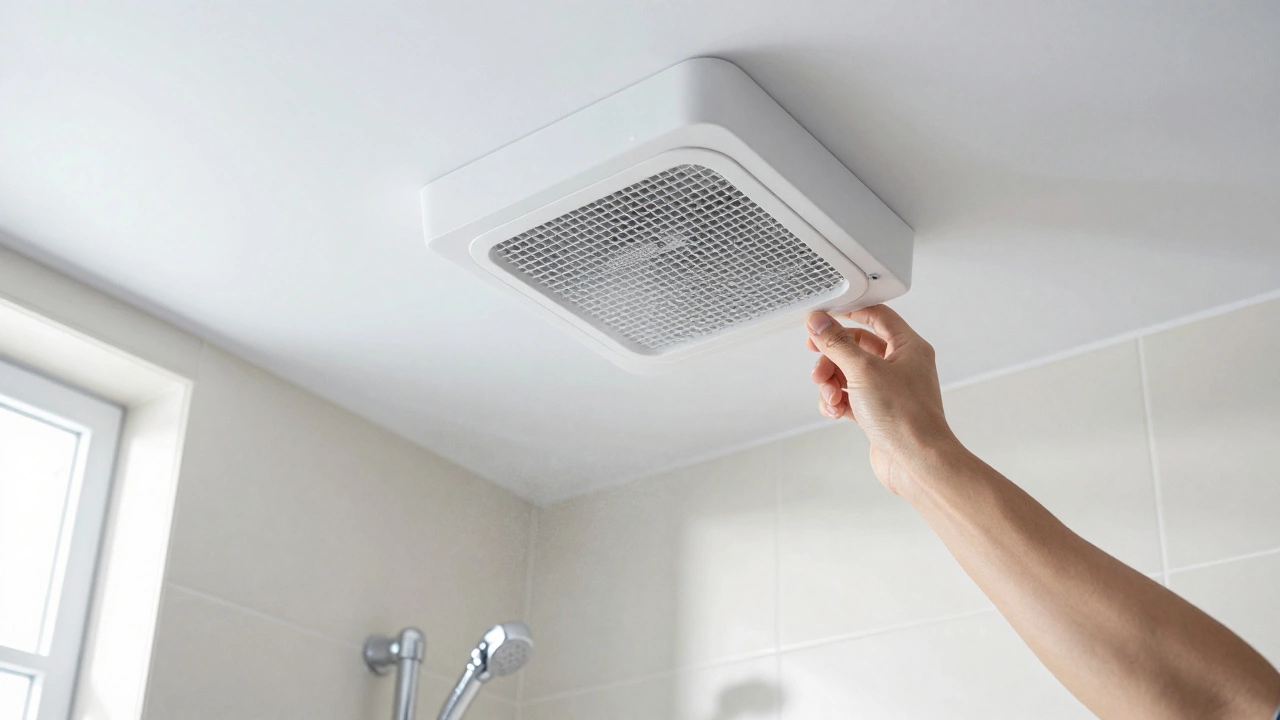
Bathroom ventilation units are generally simpler. Without grease buildup, they focus mostly on moving moist air. You can expect around fifteen to twenty years here. But there is a catch. Many older units installed twenty-five years ago were designed with different efficiency standards. If you have an original unit from the early 2000s, you might find parts becoming unavailable even if the motor still runs.
Ducted versus recirculating systems also change the numbers. Ducted systems push air outside, relying on a fan to overcome duct resistance. Recirculating units pull air through charcoal filters and blow it back into the room. Recirculating units tend to wear out slower because they often don't deal with external negative pressure, but the filters need changing more often to remain effective.
| Unit Type | Average Lifespan | Primary Failure Point |
|---|---|---|
| Kitchen Hood (Residential) | 10 - 15 Years | Motor Bearings / Grease Accumulation |
| Bathroom Fan | 15 - 20 Years | Capacitor / Insulation Degradation |
| Commercial Extractor | 5 - 8 Years | Motor Overheat / Blower Wheel Damage |
| Recirculating Model | 12 - 18 Years | Carbon Filter Saturation / Scent Retention |
Components That Fail First
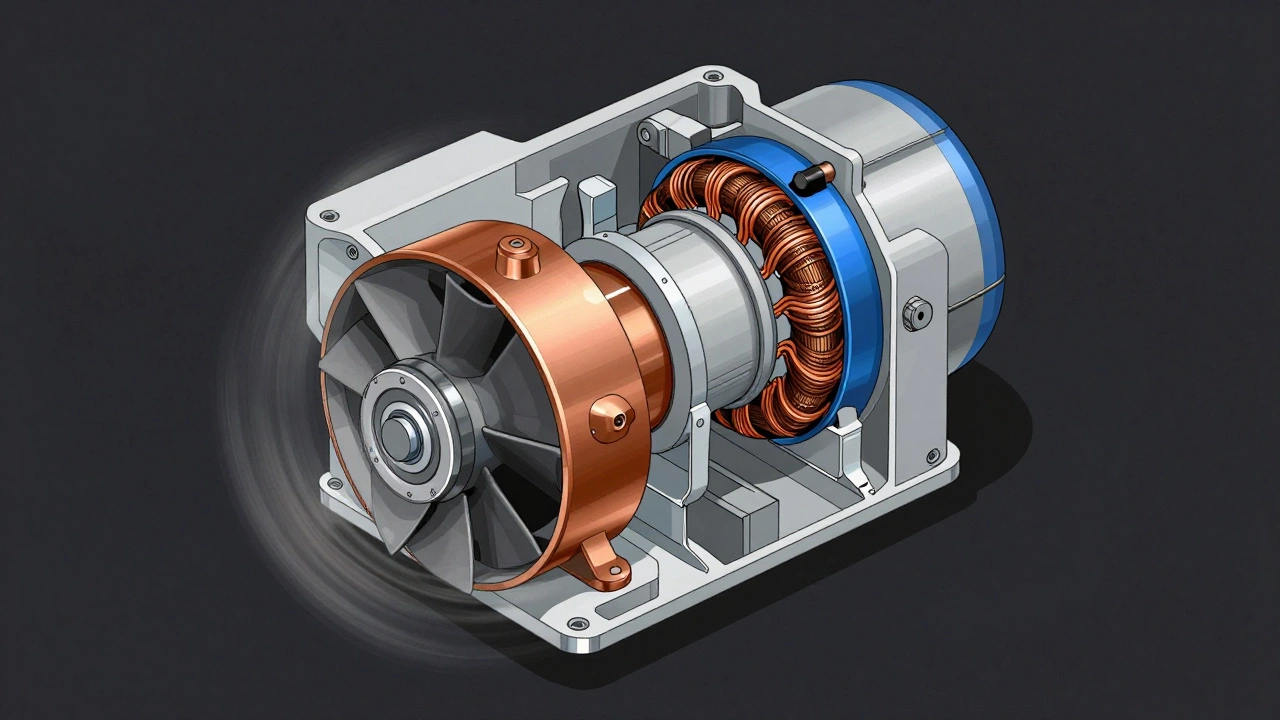
To understand why a fan dies, you need to look under the hood. Literally. The most common culprit is not the whole unit but specific electrical components. The capacitor is often the unsung hero of these machines. It provides the initial jolt of energy needed to spin the motor. When capacitors age, the motor struggles to start or hums without spinning. Replacing a capacitor costs a fraction of replacing the whole fan.
Motors themselves usually fail due to bearing wear. Inside the motor housing, shafts rotate on bearings. Dust and microscopic grease particles eventually grind down these surfaces. Once the friction gets too high, the motor overheats. Thermal overload protection cuts power to prevent fire, which looks exactly like a dead fan to a homeowner. Lubricating sealed motors isn't an option anymore, which makes the lifespan dependent on keeping the intake clean.
Impellers and blower wheels are another weak link. If you drop a heavy pot lid in the sink, grease flies. Some of it lands on the rotating wheel. Over years, grease builds up unevenly. An unbalanced wheel causes severe vibration. This vibration loosens the mounting screws and damages the housing. Eventually, the metal fatigue leads to cracks or broken plastic blades.
Environmental Factors That Kill Performance
You cannot control the quality of the original manufacturing entirely, but you control the environment surrounding the unit. Humidity is the silent killer. In bathrooms, warm air condenses on cold surfaces. If your ductwork isn't insulated, that condensation drips onto the electrical box or the motor. In extreme cases, water damage ruins the wiring connections before the mechanical parts even wear out.
Air quality matters just as much. Living near busy roads introduces particulate matter that settles in the ducts. Cooking with heavy oils deposits layers of gunk that become flammable hazards over time. Regular cleaning removes the abrasive layer that grinds against the motor. Think of it like oil in a car engine; if you never change it, the engine seizes. Here, a dirty filter is like using sludge instead of oil.
Ventilation codes have tightened significantly since 2020. Older fans might struggle to meet current airflow requirements (CFM - Cubic Feet per Minute). Even if the fan isn't "broken," it might not move enough air to prevent mold growth. In fact, the National Health guidelines suggest specific air exchange rates to maintain indoor air quality. Ignoring this standard creates health risks beyond just a noisy fan.
Identifying Early Warning Signs
Most fans do not die overnight. They go through a slow decline phase that gives you plenty of warning. Listen for changes in the noise profile. A healthy fan should produce a consistent white noise. If you hear rattling, grinding, or screeching, something is touching where it shouldn't. Rattling often means a loose panel. Screeching usually points to bearing failure.
Cheek the light. Most modern hoods include integrated lighting. If the bulbs burn out constantly or flicker despite new bulbs, it signals voltage regulation issues in the unit itself. While lights and fans are separate circuits, shared power issues can indicate a failing internal connection board.
Check the airflow. Hold a piece of tissue paper in front of the exhaust grill while the fan is running. If the paper doesn't stick or lift, the suction has dropped. This could be a blocked external vent cap outside your house. Birds and nests frequently block outdoor vents, forcing your fan to push against a wall rather than open space.
Maintenance to Extend Life
Proper care can easily add five years to a unit's life. Start with the filters. Metal mesh filters in kitchens should be washed monthly with hot soapy water or placed in a dishwasher. Charcoal filters in recirculating models must be replaced every six months to one year. Keeping these clear ensures the motor doesn't fight restriction.
Lubricate accessible hinges and switches. If your fan has manual damper levers, keep them free of sticky grease so they seal tight. Wipe down the external housing regularly. Using degreaser wipes prevents acid corrosion on the paint and metal finish. For bathroom fans, checking the insulation on the roof access annually prevents cold drafts from freezing the unit in winter or sweating in summer.
Professional service every three years pays off. A technician can inspect the internal ducting for blockages you cannot reach. They can also measure static pressure in the ducts to ensure the fan isn't working inefficiently. Neglecting professional checks is the fastest way to hit the lower end of the lifespan estimate.
When to Repair Instead of Replace
This decision comes down to economics and safety. If your fan is less than seven years old, repairs are usually worth it. Parts like capacitors, motors, and light sockets are generally available for mainstream brands. Labor is the cost driver here. If the labor exceeds fifty percent of the price of a new unit, consider upgrading. Newer models offer better energy efficiency and quieter operation.
Safety overrides age. If the fan has been exposed to direct water leaks or smoke damage, replace it immediately. Internal corrosion from water compromises the insulation on wires, creating shock hazards. Smoke residue penetrates seals and insulation, making old motors prone to internal shorts. Never try to dry out a wet motor and expect it to run safely next week.
Can I increase the lifespan of my extractor fan?
Yes, you can. Regularly cleaning grease filters every month extends motor life by reducing load. Ensuring your ductwork is clear of bird nests or debris improves airflow efficiency. Also, avoid running the fan on maximum speed continuously unless necessary, as lower speeds generate less heat and vibration stress on the bearings.
What are the most common reasons for early failure?
The top reason is lack of cleaning. Grease buildup acts as insulation for heat, causing motors to overheat and burn out prematurely. Another common cause is improper installation, where the unit is mounted loosely or ducted incorrectly, causing excessive vibration that wears out mechanical parts quickly.
Is it worth repairing a 10-year-old fan?
It depends on the issue. If it needs a simple capacitor replacement, yes, it saves money. If the entire motor housing is seized or corroded, replacement is better. Modern units consume less electricity and operate much quieter, offering a return on investment within two to three years of ownership.
Does location affect how long they last?
Absolutely. Coastal areas with salty air cause faster corrosion on metal housings and screws. Kitchens that fry food frequently accumulate thicker grease layers, accelerating motor wear. Indoor climate also matters; very humid climates require fans with moisture-resistant motors and coatings to prevent rust inside the casing.
How often should I replace the carbon filters?
If you have a recirculating system, replace the carbon filter every six months to a year. The carbon becomes saturated with odors and loses its ability to neutralize smells. If you stop replacing them, the fan simply pushes smelly air back into your room, negating its purpose.