Extractor Fan Replacement Decision Tool
How it works: Answer questions about your current extractor fan's age, type, condition, and any issues you're experiencing. The tool will analyze the information and provide a personalized recommendation along with estimated costs.
Cost Comparison
Recommended Next Steps
Maintenance Tips to Extend Fan Life
When Is It Time to Swap Out Your Kitchen Ventilation?
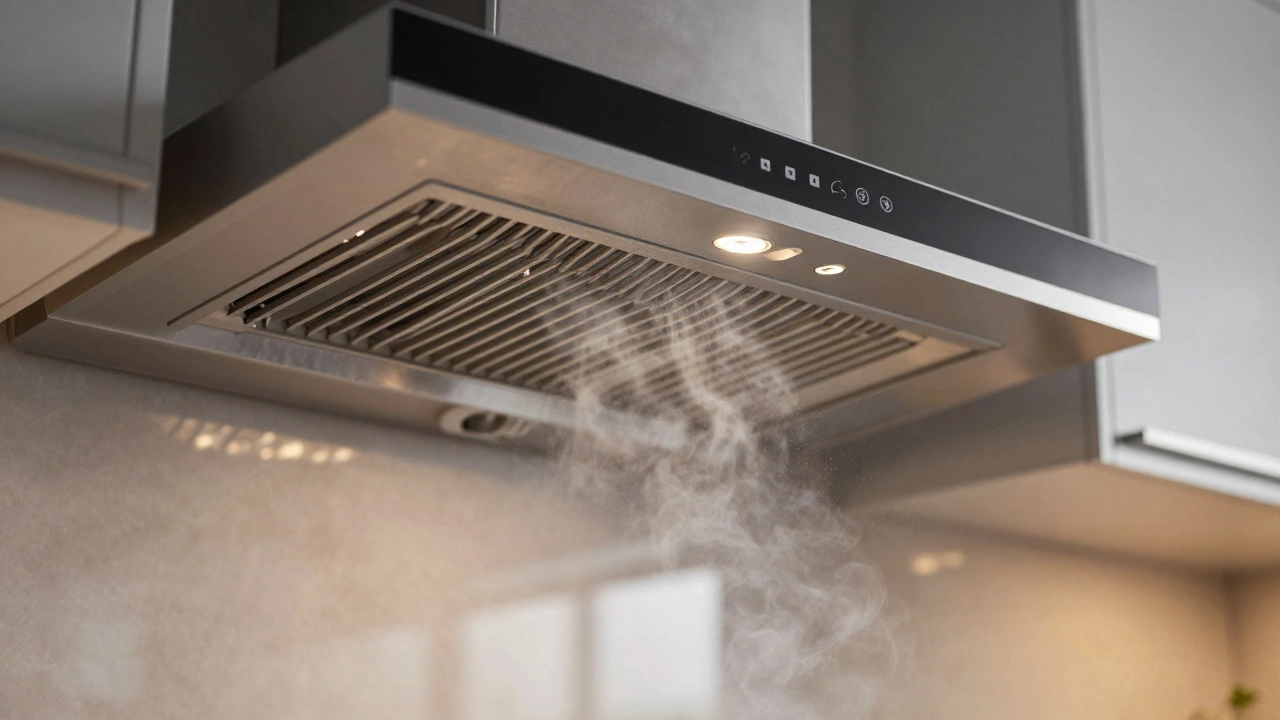
You pull the lever or press the button, but instead of a powerful suction clearing away that fried garlic smell, you hear a high-pitched whine and see dust motes dancing in the light. The air stays heavy. That moment is usually when homeowners realize their extractor fan is a ventilation device designed to remove stale air, moisture, and cooking odors from indoor spaces has had it. But how often do you actually need to replace one? There isn't a single calendar date that applies to every home, but there are clear signals.
Generally, a quality extractor fan lasts between 10 and 15 years. If yours is older than that and struggling, replacement is likely cheaper and more efficient than repair. However, if it’s only five years old and making noise, it might just need cleaning or a bearing swap. Before you call a technician or buy a new unit, let’s look at what determines its lifespan and how to tell if your specific fan is done for good.
The Average Lifespan: What to Expect From Different Fan Types
Not all fans are built the same. The type of motor and installation method heavily influence how long the unit survives. Understanding this helps you set realistic expectations for your own kitchen or bathroom setup.
| Fan Type | Average Lifespan | Key Failure Point |
|---|---|---|
| Standard Centrifugal Fan | 8-10 Years | Bearing wear and motor burnout |
| Silent/EC Motor Fan | 12-15+ Years | Electronics board failure (rare) |
| Recirculating/Charcoal Filter Fan | 6-9 Years | Clogged filters reduce airflow, straining motor |
| Inline Ducted Fan | 15-20 Years | Condensation damage or rust |
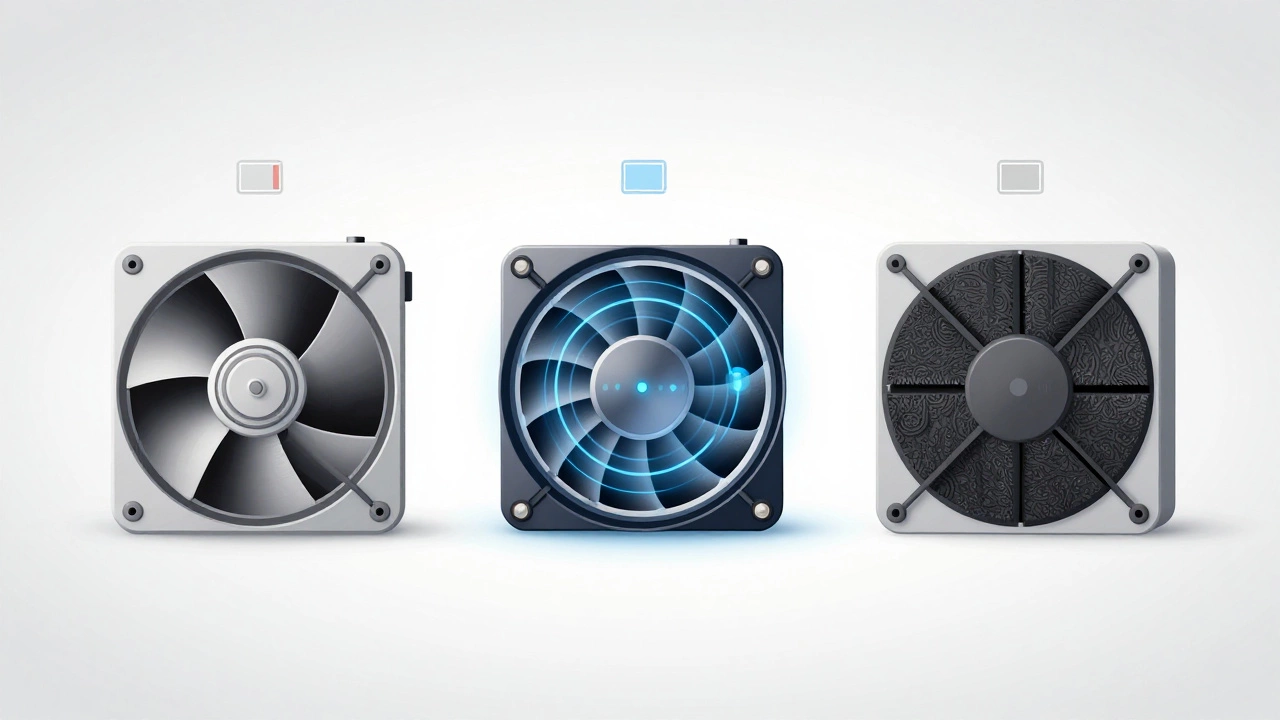
The standard centrifugal fan is the most common type found in older homes. It uses a traditional AC motor with brushes or simple bearings. These are robust but noisy, and the bearings eventually grind down. On the other end of the spectrum, you have EC (Electronically Commutated) motors. These are the "silent" fans marketed in premium appliances. They run cooler, use less power, and often outlast the housing they’re installed in. If you have an EC motor fan, don’t rush to replace it unless the electronics fail completely.
Recirculating fans, which push air through charcoal filters rather than outside, tend to die younger. Why? Because the filters get clogged with grease and moisture over time. This restricts airflow, causing the motor to work harder and overheat. If you live in Dunedin, where damp weather is common, recirculating fans struggle even more because they can’t effectively expel humidity, leading to mold growth inside the ducting and premature component decay.
Top 5 Signs Your Extractor Fan Needs Replacing
Waiting for the fan to stop working entirely is a bad idea. By then, you’ve likely been breathing in unfiltered grease particles and dealing with excess moisture that damages your walls. Watch for these five red flags:
- Persistent Noise: A slight hum is normal. Grinding, rattling, or screeching is not. This usually means the bearings are shot. While bearings can sometimes be replaced, on many modern sealed units, the labor cost exceeds the price of a new fan.
- Weak Suction: Hold a piece of tissue paper up to the vent. If it doesn’t stick firmly, your airflow is compromised. This could be a dirty filter, a blocked duct, or a failing motor. If cleaning doesn’t fix it, the motor is losing torque.
- Moisture Buildup: In the kitchen, this means greasy residue on cabinets. In the bathroom, it means foggy mirrors and peeling paint. An extractor fan’s primary job is moisture control. If it fails, you risk structural damage like rotting timber frames.
- Intermittent Operation: Does the fan start and stop randomly? Or does it require a firm tap on the housing to kickstart? This points to electrical issues within the motor windings or a faulty capacitor. These are fire hazards and should be addressed immediately.
- Visible Rust or Damage: Check the internal blades. If they are coated in thick, black grease or showing signs of rust, the balance of the impeller is off. This causes vibration, which further damages the motor mount.
Repair vs. Replace: Making the Economic Decision
This is the tricky part. Many people assume replacing is always better, but that’s not true if your fan is only three years old. Here is a simple rule of thumb used by HVAC technicians:
If the repair cost is more than 50% of the price of a new unit, and the fan is over 7 years old, replace it.
Let’s break down why. A basic extractor fan costs between $80 and $150. A professional installation adds another $100 to $200 depending on wiring complexity. So, a full replacement runs about $200 to $350. Now, consider a repair. A technician’s call-out fee alone might be $80. If they find a worn bearing, parts and labor could total $120. For a 12-year-old fan, spending $120 to extend its life by maybe two years is poor value. You’re investing in a dying asset.
However, if you have a high-end silent fan worth $400 that is only five years old, repairing a $100 electronic board makes financial sense. Also, consider the energy savings. Older fans consume significantly more electricity. Upgrading to a modern EC motor fan can reduce energy usage by up to 70%. Over five years, those savings might offset the initial replacement cost.
How Maintenance Extends Fan Life
Most extractor fans don’t die from age; they die from neglect. Grease and dust act as insulation on the motor windings, causing overheating. They also add weight to the impeller blades, throwing them off balance. Regular maintenance can easily add 3 to 5 years to your fan’s life.
- Clean the Filters Quarterly: Metal mesh filters should be washed in warm soapy water. Charcoal filters cannot be washed; they must be replaced every 3 to 6 months depending on cooking frequency.
- Vacuum the Housing Annually: Use a vacuum cleaner with a brush attachment to remove dust from around the motor housing and behind the grill. This prevents dust buildup on the motor coils.
- Check Ducting for Blockages: If you have a ducted system, inspect the external vent for bird nests, leaves, or debris. A blocked duct forces the motor to work against resistance, leading to premature burnout.
- Lubricate Bearings (If Applicable): Some older models have accessible bearings that can be lubricated with silicone spray. Most modern units are sealed, so skip this step to avoid damaging electronics.
In New Zealand’s coastal environments, salt air accelerates corrosion. If you live near the coast, check your external vent cap annually for rust. A small patch of rust can quickly spread and weaken the metal structure, letting rain into your ducting.

Choosing the Right Replacement Fan
When the time comes to buy a new extractor fan, don’t just pick the cheapest option. Consider your specific needs. Are you replacing a kitchen hood or a bathroom ceiling fan? The requirements differ vastly.
For kitchens, prioritize airflow capacity, measured in cubic meters per hour (m³/h). A general guideline is that your fan should change the air in your kitchen 10 times per hour. Calculate your kitchen volume (length x width x height) and multiply by 10. For example, a 20 m³ kitchen needs a fan rated at 200 m³/h. Going higher is fine, but ensure your ducting size matches the fan outlet to maintain efficiency.
For bathrooms, focus on moisture extraction and noise levels. Look for fans with a "silent" rating under 30 decibels. Since bathroom fans run longer during showers, durability is key. Ensure the new fan has a thermal overload protector, which shuts the motor down if it gets too hot, preventing fire risks.
Also, consider smart features. Modern fans can integrate with home automation systems, allowing you to schedule them to run after cooking or bathing to ensure complete air exchange without manual intervention. This reduces human error and ensures consistent performance.
Installation Tips to Avoid Future Problems
Even the best fan will fail if installed poorly. If you’re hiring a pro, ask about these details. If you’re DIY-ing, pay close attention.
First, ensure the ducting is as straight as possible. Every bend or elbow in the duct increases resistance, reducing airflow by up to 10% per turn. Use smooth, flexible ducting rather than corrugated plastic, which traps grease and dust. Second, make sure the external vent has a proper backdraft damper. This prevents cold air, birds, and insects from entering your home when the fan is off. In Dunedin’s windy climate, a flimsy damper can blow open, letting rain in.
Finally, verify the electrical connection. Extractor fans should be on a dedicated circuit if possible, or at least share a circuit with low-draw devices. Never wire a fan directly to a light switch without a timer or humidistat control if it’s in a bathroom. Running a fan for only 30 seconds doesn’t allow enough time to clear moisture, leading to mold growth.
Can I clean my extractor fan myself?
Yes, you can clean the removable filters and the exterior grill yourself. Turn off the power at the breaker before starting. Wash metal filters in warm soapy water and let them dry completely. For the interior, use a vacuum with a brush attachment to remove loose dust. Avoid using harsh chemicals or spraying water directly into the motor housing, as this can cause short circuits or corrosion.
Is it worth repairing a 10-year-old extractor fan?
Usually, no. At 10 years old, most standard fans are nearing the end of their useful life. Repair costs often exceed 50% of a new unit's price. Additionally, newer models are significantly more energy-efficient and quieter. Unless you have a high-end commercial-grade fan, replacement is the more economical and practical choice.
Why is my extractor fan making a grinding noise?
A grinding noise typically indicates worn-out bearings or debris caught in the impeller blades. Bearings support the spinning shaft, and over time, the lubrication dries out and metal wears against metal. If debris is stuck, turning off the power and carefully removing the obstruction may help. However, if the noise persists, the motor bearings are likely damaged, requiring professional assessment or replacement.
How much does it cost to replace an extractor fan?
The cost varies based on the fan type and installation complexity. A basic residential extractor fan costs between $80 and $150. Professional installation typically adds $100 to $200. High-end silent models or inline ducted fans can cost $300 to $600 including labor. Always get a quote that includes removal of the old unit and any necessary electrical work.
Do I need to replace the ducting when changing the fan?
Not necessarily, but it is recommended. Old ducting can be clogged with grease, dust, or mold, which reduces the efficiency of your new fan. Inspect the existing ducting for cracks, leaks, or excessive bends. If the ducting is in good condition and properly sized for the new fan’s airflow requirements, you can reuse it. Otherwise, upgrading to smooth, rigid ducting improves performance and longevity.