Flush Water Heater: What It Is, Why It Matters, and How to Keep It Running
When you hear flush water heater, the process of draining sediment from the bottom of a tank-style water heater to improve efficiency and prevent damage. Also known as water heater flushing, it’s one of the simplest maintenance tasks that can add years to your system’s life. Most people don’t do it—until their water heater starts making weird noises, runs out of hot water faster, or leaks. And by then, it’s often too late.
Here’s the truth: water heaters don’t just wear out from age. They die from sediment buildup, mineral deposits that sink to the bottom of the tank and trap heat, forcing the system to work harder. Also known as tank sludge, this gunk is what turns a 10-year-old heater into a $1,200 problem. Every time you heat water, minerals like calcium and magnesium drop out and stick around. Over time, they form a thick layer that insulates the heating element from the water. That means your heater burns more energy, wears out faster, and can even crack the tank lining. Flushing removes that layer before it causes real damage.
This is where anode rod, a sacrificial metal rod inside the tank that attracts corrosive elements to protect the steel lining. Also known as magnesium rod, it’s your heater’s first line of defense against rust comes in. The anode rod doesn’t last forever. When it’s gone, the tank starts corroding from the inside. Flushing your heater every 6 to 12 months helps you spot a worn-out rod early—and replace it before the tank itself gives out. Replacing the rod costs under $400. Replacing the whole heater? That’s $1,500+.
You don’t need a pro to flush your water heater. Most homeowners can do it in under an hour with a garden hose and a little patience. But skipping it? That’s like never changing your car’s oil and wondering why the engine blew up. The posts below show you exactly how to do it right, what signs mean trouble, and how to tell if your heater is already too far gone. You’ll also find real comparisons between brands, maintenance schedules, and what actually causes water heaters to fail early. No fluff. No sales pitches. Just what works.
Feb 16, 2026
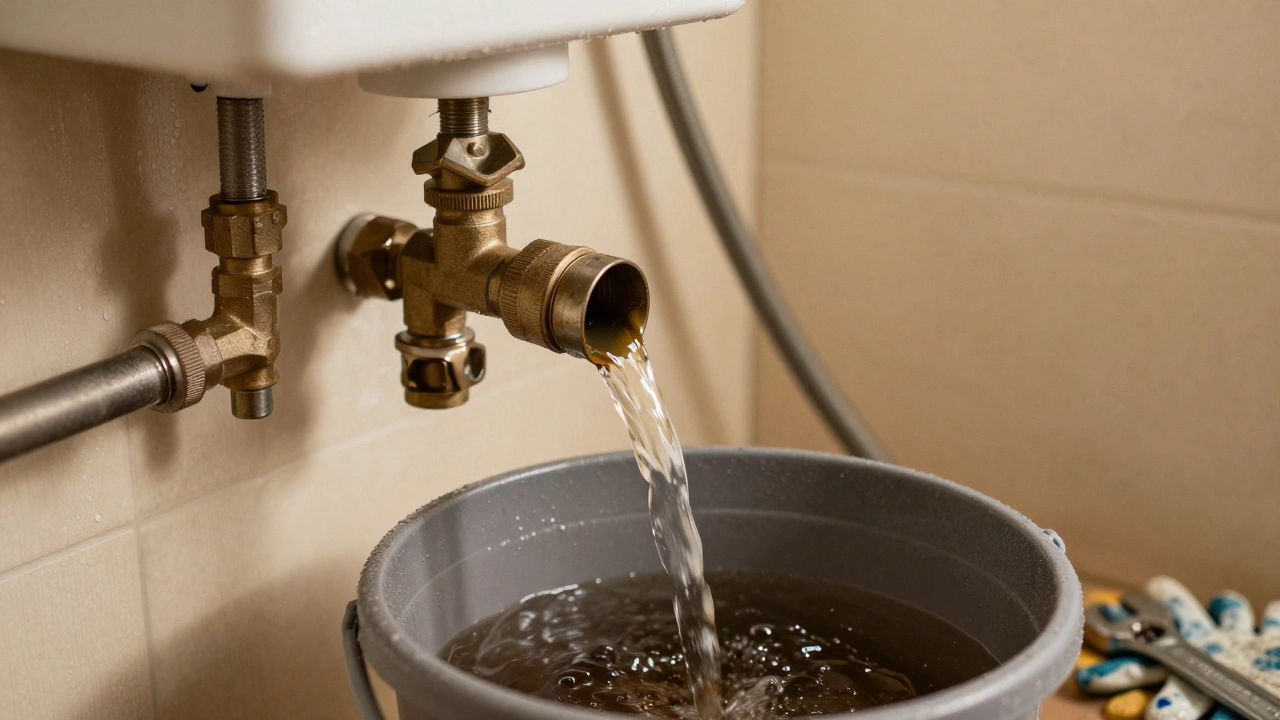
Should You Flush a 10-Year-Old Water Heater? Here’s What Really Happens
0 Comments
Flushing a 10-year-old water heater can extend its life if it's still in good condition. Learn when it helps, when it doesn't, and how to do it safely to avoid costly damage or premature replacement.
Read MoreDec 1, 2025
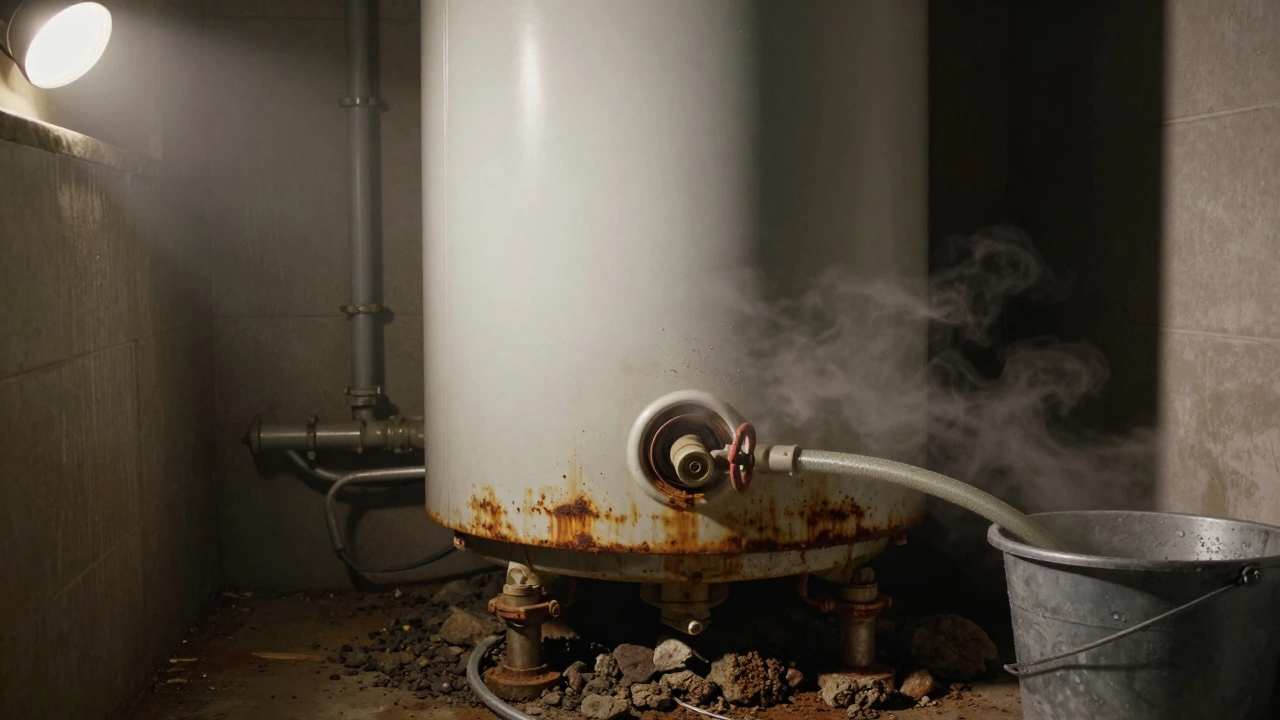
What Happens If You Never Flush Your Water Heater?
0 Comments
Never flushing your water heater leads to sediment buildup, higher bills, and early failure. Learn what happens over time and how to fix it before it breaks.
Read More