Hot Water Troubleshooter
Follow this guided checklist to isolate the problem before calling a professional. Answer each question honestly to get the most accurate diagnosis.
Identifying your system is crucial because electric and gas units fail differently.
You step into the shower, expecting warmth, but get a blast of cold that makes you jump. It’s frustrating, especially when you’re running late or just want to wash off the day. Before you panic and call a plumber for an expensive service callout, take a breath. Most cases of no hot water in the shower aren’t catastrophic failures. They are often simple issues with power settings, minor blockages, or maintenance oversights that you can check yourself in under thirty minutes.
The Quick Summary: What You Need to Know
- Check Power First: For electric heaters, ensure the circuit breaker hasn't tripped. For gas, verify the pilot light or electronic ignition is active.
- Test Other Taps: If only the shower is cold, the issue is likely local (mixing valve). If all taps are cold, it’s a system-wide failure.
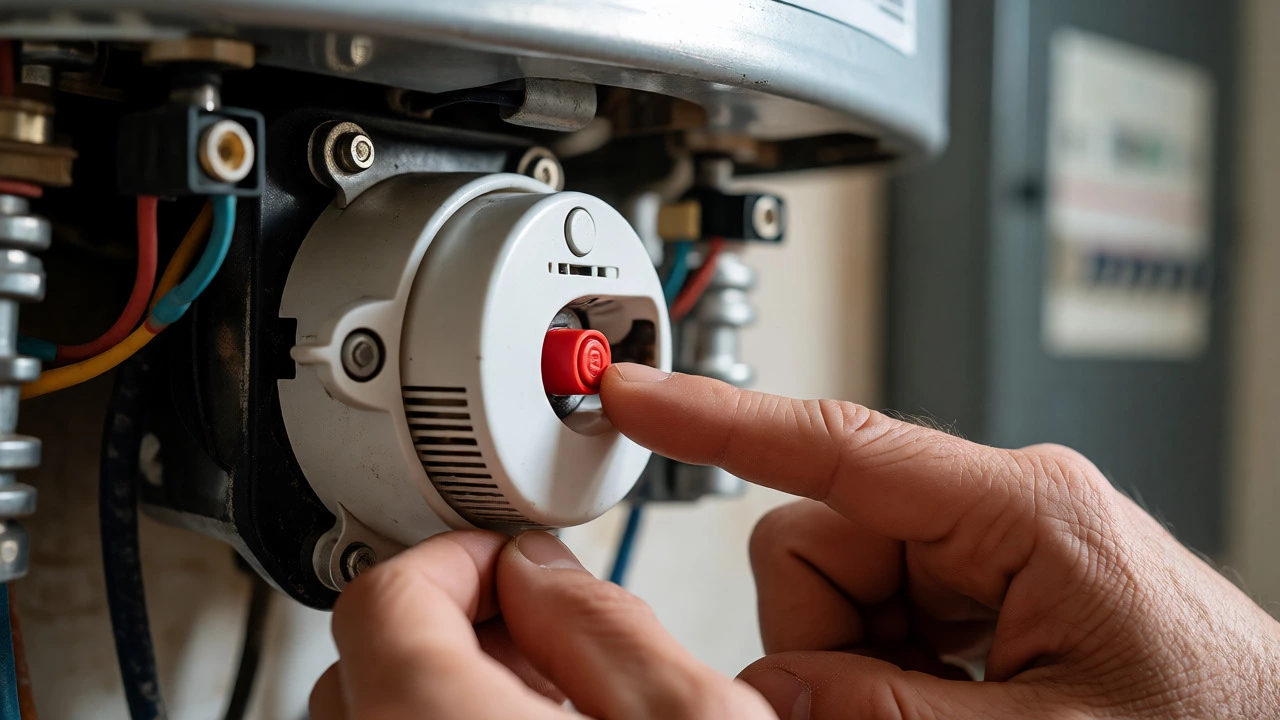
- Inspect Safety Switches: Many units have a high-limit thermostat button that pops out when overheated; pressing it may reset the system.
- Consider Age and Scale: If your unit is over 10 years old or you live in hard-water areas like parts of Dunedin, sediment buildup is a prime suspect.
- Safety Warning: Never attempt to open the heating element housing on a live electrical unit. If unsure, stop and call a professional.
Isolate the Problem: One Tap or Whole House?
Before grabbing tools, play detective. Go to the kitchen sink and turn on the hot tap. Does it work? If yes, your water heater is functioning correctly, and the problem is isolated to the shower fixture itself. This is actually good news. It means you don’t need to replace a $1,500 unit. Instead, you’re looking at a faulty mixing valve, a clogged showerhead, or a stuck diverter valve if you have a bath/shower combo.
If the kitchen tap also runs cold, check the bathroom basin. If every hot tap in the house is lukewarm or cold, the issue lies with the water heater unit or its supply lines. This distinction saves you time. Don’t start dismantling your shower mixer if the boiler isn’t firing up. Confirming the scope of the outage is the first logical step in any water heater troubleshooting process.
Electric Heaters: Check Power and Thermostats
Most homes in New Zealand use either continuous flow or storage tank electric heaters. Start at the switchboard. Look for the circuit breaker labeled "Hot Water" or "Water Heater." Is it in the "On" position? Sometimes, a surge or a slight fault causes the breaker to trip halfway-it looks on, but isn’t making full contact. Flip it fully off, then back on firmly. Wait five minutes and test the tap.
If the breaker holds, move to the unit itself. Electric storage tanks usually have two thermostats: an upper and a lower. Over time, these can fail or drift out of calibration. More commonly, they trigger a safety cut-out. Look for a small red button on the thermostat cover plate. If it’s popped out, press it in. You might hear a click. This resets the thermal overload protection. If it pops out again immediately after resetting, you likely have a failing heating element drawing too much current, which requires a licensed electrician to fix.
For continuous flow electric units, there’s no tank to drain, but there is a flow sensor. If the water pressure is too low, the unit won’t ignite the elements. Check your home’s water pressure. If you’ve recently installed a new filter or had plumbing work done, a partially closed main valve could be reducing flow below the activation threshold, typically around 3-5 liters per minute.
Gas Heaters: Pilot Lights and Ignition Systems
Gas units behave differently. Older models rely on a standing pilot light-a small flame that stays lit 24/7. If this flame goes out, the burner won’t ignite. Try relighting it according to the manufacturer’s instructions, usually found on a sticker inside the cabinet door. Hold the pilot knob down for 30-60 seconds after releasing the igniter button to keep the thermocouple warm. If the pilot lights but dies when you release the knob, the thermocouple is dirty or broken. This is a cheap part, but replacing it involves gas connections, so proceed with caution.
Newer gas heaters use electronic ignition. There’s no visible pilot flame. Instead, you’ll hear a clicking sound followed by a whoosh as the burner fires. If you hear nothing, check the batteries. Yes, many modern gas units still use D-cell batteries to power the ignition module. Replace them with fresh alkaline batteries. If the clicking continues but no flame appears, the gas supply might be interrupted. Check other gas appliances, like your stove or oven. If they work, the issue is internal to the heater-possibly a blocked venturi tube or a faulty gas valve.
| Symptom | Electric Storage Tank | Continuous Flow (Electric) | Gas Continuous Flow |
|---|---|---|---|
| All taps cold | Tripped breaker, failed element, or thermostat lockout. | Low water pressure preventing ignition. | No gas supply, dead batteries, or failed ignition module. |
| Lukewarm water | Broken dip tube mixing cold water, or undersized tank. | Flow rate too high for unit capacity. | Dirty heat exchanger or restricted gas flow. |
| Only shower cold | Not applicable (system issue). | Shower head clogged with scale. | Faulty mixing valve or diverter. |
Plumbing Issues: Valves and Blockages
If your heater seems fine, look at the pipes. In older homes, a gate valve controlling the hot water outlet might have been accidentally closed during recent renovations. Trace the pipe from the top of the heater to the manifold. Ensure any isolation valves are fully open. A partially closed valve restricts flow enough to make the shower feel weak and cold, even if the water temperature is technically correct.
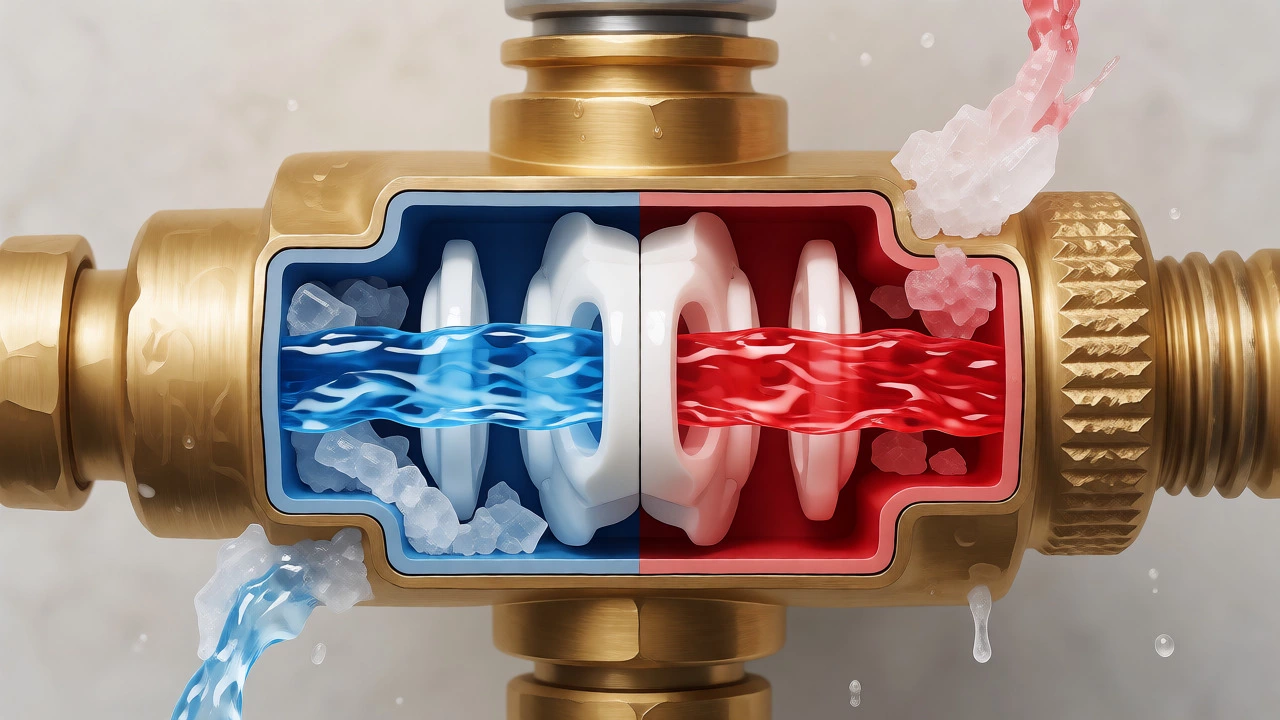
Scale buildup is another silent killer, particularly in hard water regions. Inside your showerhead, tiny mineral deposits can block the hot water channels while leaving the cold ones clear. Unscrew the showerhead and soak it in white vinegar overnight. Scrub the jets with an old toothbrush. If the water flows better afterward but is still cold, the problem might be deeper in the mixing valve cartridge. These cartridges regulate the ratio of hot to cold water. When they wear out, they often stick in the "cold" position. Replacing a cartridge is a manageable DIY task if you have basic wrenches, but remember to shut off the mains before starting.
Maintenance Checks: Sediment and Anodes
Storage tank heaters accumulate sediment at the bottom over time. This layer of sand-like debris insulates the heating element from the water, causing it to overheat and trip the safety switch repeatedly. Draining the tank can help. Attach a hose to the drain valve at the base, run it outside, and let it flow until the water runs clear. Be careful-the water coming out will be scalding hot initially.
While draining, inspect the sacrificial anode rod if accessible. This metal rod prevents the steel tank from rusting. If it’s heavily corroded or coated in calcium, it’s not doing its job. Replacing it extends the life of your storage tank water heater significantly. However, if the tank itself is leaking from the bottom seams, replacement is inevitable. No amount of fixing will patch a cracked steel vessel.
When to Call a Professional
Some jobs are worth paying for. If you smell gas near the heater, evacuate immediately and call your gas provider. Do not flip switches or use phones nearby. For electrical faults involving the heating elements or wiring inside the tank, hire a registered electrician. Working with 230V mains in a wet environment carries real risk.
Also, consider calling a pro if the unit is more than 10-12 years old. Repair costs can approach half the price of a new, energy-efficient model. Modern heat pump water heaters, for instance, use 60% less electricity than standard resistance models. If you’re already facing a major repair, upgrading might save money in the long run.
Troubleshooting Scenarios
Scenario A: You have solar panels. Some systems divert excess solar energy to the water heater. If it’s a cloudy day or your panels are shaded, the heater might not get enough surplus power to boost the temperature. Check your smart meter or app to see if the diversion load is active.
Scenario B: The water is hot elsewhere but takes forever to reach the shower. This suggests long pipe runs without insulation. Insulating the hot water pipe leading to the bathroom with foam sleeves can reduce wait times by minutes and save gallons of wasted water.
Scenario C: Noise from the heater. Popping or banging sounds indicate severe sediment buildup. Boiling pockets form under the sediment layer, creating steam bubbles that collapse loudly. Drain the tank immediately to prevent damage to the inner lining.
Why do I have hot water in the kitchen but not in the shower?
This usually points to a localized issue rather than a heater failure. Common culprits include a clogged showerhead due to mineral scale, a faulty mixing valve cartridge that sticks in the cold position, or a partially closed isolation valve specific to the bathroom branch line. Test by removing the showerhead and running water directly from the arm.
How long does it take for hot water to return after resetting the breaker?
For storage tank heaters, expect 30 to 60 minutes depending on the tank size and incoming water temperature. Continuous flow units provide hot water almost instantly once ignited, provided water pressure is sufficient. If you reset a high-limit switch, allow the unit to cool slightly before testing to avoid immediate re-tripping.
Can low water pressure cause no hot water?
Yes, especially with continuous flow heaters. These units require a minimum flow rate (often 3-5 liters per minute) to activate the heating elements or gas burner. If your household has multiple taps running or a partially closed main valve, the flow through the heater may drop below this threshold, causing the unit to remain off.
What does a popping noise from my water heater mean?
Popping or rumbling noises are typically caused by sediment accumulation at the bottom of a storage tank. Water gets trapped under the sediment layer, boils, and creates steam bubbles that pop violently. This reduces efficiency and can damage the tank lining. Draining the tank to remove sediment is the recommended solution.
Should I replace my water heater or repair it?
If the unit is under 8 years old and the issue is a minor component like a thermostat or valve, repair is cost-effective. If it’s over 10 years old, leaks from the tank body, or requires replacing expensive heating elements, replacement is often smarter. Newer models offer better energy ratings and reliability.