Oven Repair vs. Replace Calculator
Use this tool to apply the "50% Rule" recommended by technicians. Enter your specific details to get a data-driven recommendation.
Enter details to calculate the best financial decision.
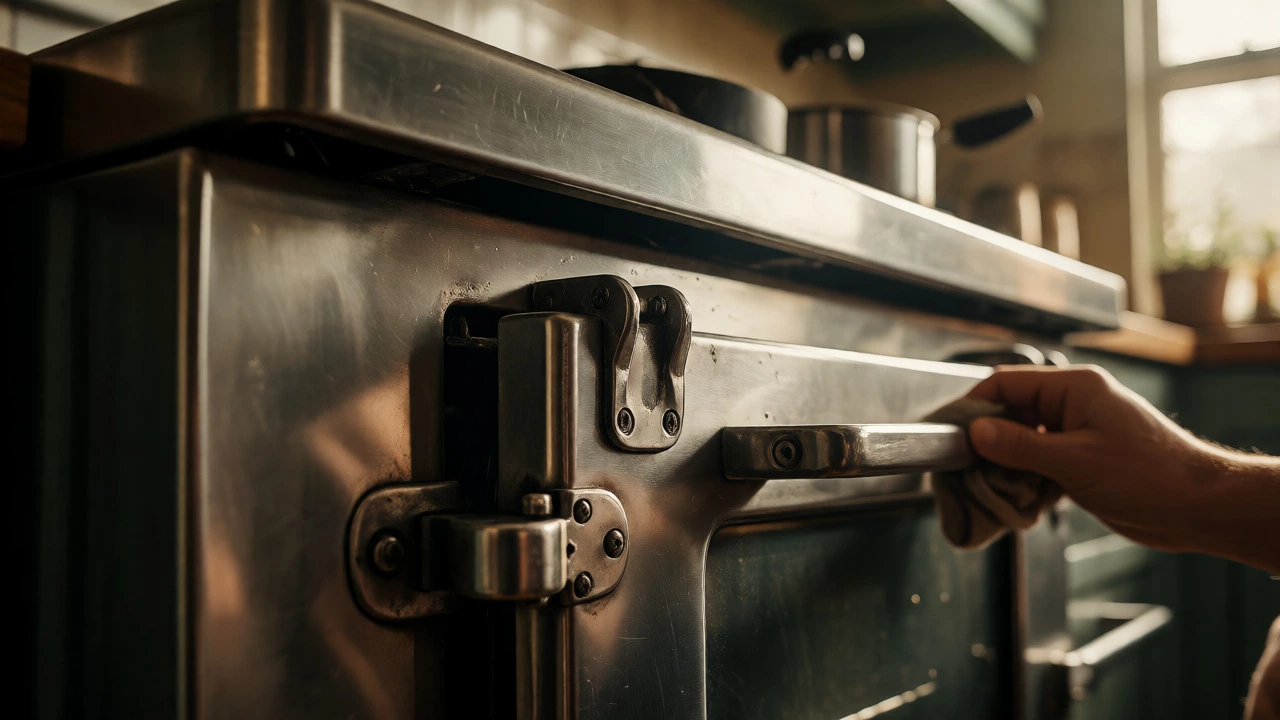
You’re standing in your kitchen, staring at that old electric oven that’s been baking your Sunday roasts for two decades. It’s not broken, exactly, but it heats unevenly and the door seal is looking tired. The big question isn’t just whether it works-it’s whether you can squeeze another few years out of it or if it’s time to cut your losses. Most people assume appliances are disposable after a decade, but here’s the truth: yes, an oven can absolutely last 20 years. In fact, some high-end models push past 30. But getting there requires more than just luck; it demands specific maintenance habits and smart repair decisions.
The Real Numbers Behind Appliance Longevity
Let’s look at what the data actually says before we get into the weeds of parts and repairs. According to industry standards tracked by organizations like AHAM (Association of Home Appliance Manufacturers), the average life expectancy for a standard built-in electric oven is roughly 13 to 15 years. Gas ranges tend to hover around 15 years as well. So, hitting the 20-year mark puts you in the top percentile of durability. You aren’t dealing with a statistical anomaly; you’re dealing with a survivor.
Why do some ovens die young while others become family heirlooms? It usually comes down to build quality and usage patterns. A commercial-grade unit from a brand like Miele or Gaggenau is engineered differently than a budget model from a big-box store. Commercial units use heavier gauge steel, better insulation, and components rated for thousands of heat cycles rather than hundreds. If you bought a premium appliance in 2006, it was likely built to outlast the warranty period significantly. Conversely, if you bought a mid-range model, surviving 20 years means you’ve likely performed exceptional care.
| Oven Type | Budget Tier (Years) | Mid-Range Tier (Years) | Premium/Commercial Tier (Years) |
|---|---|---|---|
| Electric Built-In | 8-10 | 13-15 | 20-25+ |
| Gas Range | 9-11 | 14-16 | 20-30 |
| Freestanding Cooker | 7-9 | 12-14 | 18-22 |
Why Electric Ovens Often Outlive Their Peers
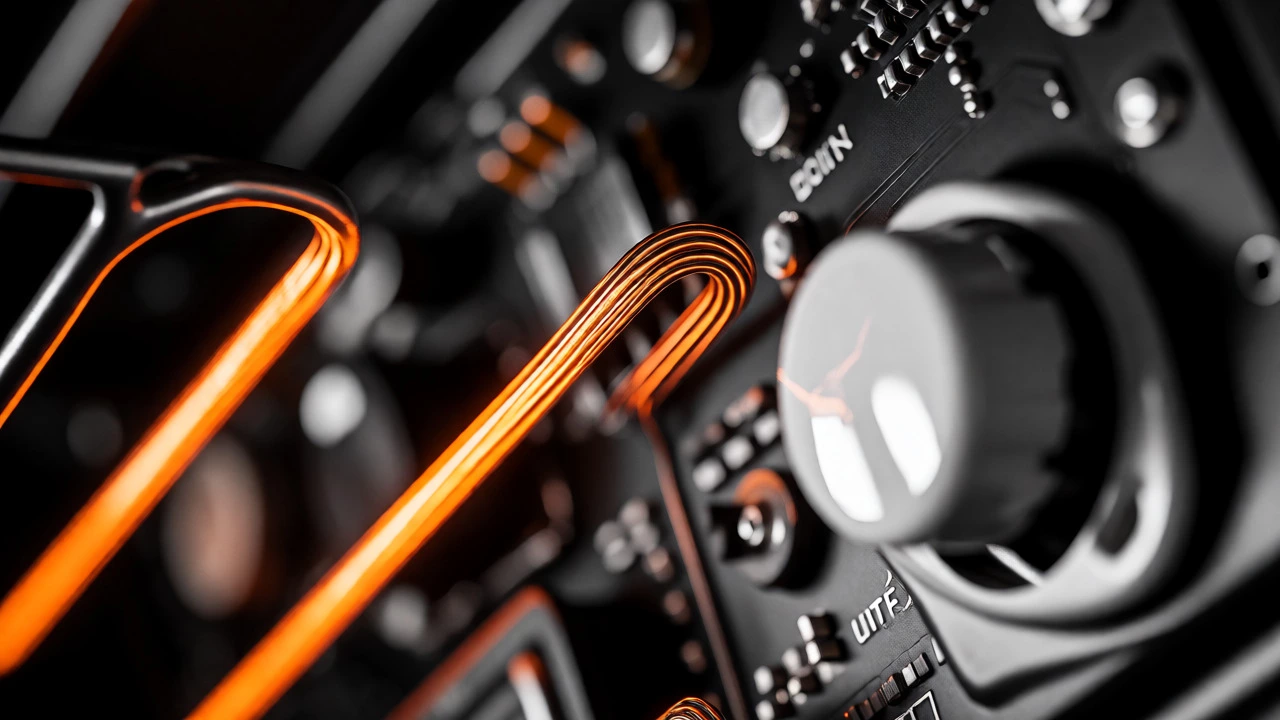
If you have an electric oven, you already have a structural advantage. Electric heating elements are remarkably simple devices. They consist of a resistive wire encased in metal sheathing. There are no moving parts in the element itself, no gas valves to corrode, and no pilot lights to fail. When an electric oven fails, it’s rarely because the core heating mechanism gave up on its own accord. It’s usually because a peripheral component failed first.
Compare this to gas ovens, where you have injectors, igniters, and complex valve assemblies. Gas components degrade faster due to moisture exposure and combustion byproducts. An electric oven’s simplicity is its superpower. However, simplicity doesn’t mean invincibility. The weak links in an electric oven are the thermostat, the door gasket, and the control board. If you keep these three things healthy, the heating elements themselves can easily last beyond 20 years without replacement.
The 50% Rule: When to Repair and When to Replace
So, your 20-year-old oven has a faulty fan motor. Do you fix it? This is where most homeowners get stuck. The general rule of thumb used by technicians in Dunedin and across New Zealand is the "50% Rule." If the cost of the repair exceeds 50% of the price of a new comparable unit, you should probably replace the appliance. But wait-there’s a nuance here that often gets missed.
For a 20-year-old oven, "comparable" is tricky. You can’t buy the exact same model anymore. Are you comparing it to a $2,000 basic replacement or a $5,000 premium one? If you’re replacing a premium 2006 Miele with a cheap 2026 plastic-heavy model, you might regret the swap. In these cases, spending $300 NZD on a repair might be worth it to keep the superior build quality of the older machine running. However, if the repair involves the main control board-a common failure point in older digital interfaces-the cost can skyrocket to $600-$800 NZD. At that point, even a premium repair feels risky because other components are likely nearing their end-of-life.
- Repair if: The issue is mechanical (hinges, handles, racks) or a single low-cost part (element, thermostat).
- Replace if: The issue is electronic (main PCB), involves multiple simultaneous failures, or the cabinet itself is rusting through.
Maintenance Habits That Add Decades
How did that neighbor’s oven make it to 25 years? It wasn’t magic. It was cleaning and calibration. The number one killer of oven interiors is acidic residue. Tomato sauce, wine spills, and sugar burns create corrosive compounds that eat away at enamel and stainless steel. If you let those sit for weeks, you’re accelerating corrosion. Wiping down spills while the oven is still warm (but not hot enough to burn you) prevents permanent staining and chemical damage.
Another critical factor is door alignment. Over 20 years, hinges sag. A misaligned door lets heat escape, forcing the thermostat to work harder to maintain temperature. This extra strain shortens the life of the heating elements and the thermostat itself. Check your door seal regularly. If you see light leaking through when the door is closed, replace the gasket immediately. A $50 NZD gasket can save a $300 NZD element from burning out prematurely.
Finally, avoid self-cleaning cycles if possible. While convenient, the extreme temperatures required for pyrolytic cleaning (often exceeding 450°C) put massive thermal stress on glass, seals, and electronics. For an older oven, manual cleaning with mild detergents is far gentler on the internal components. Think of it like driving a car: gentle highway miles preserve the engine better than constant redlining.
Common Failures in High-Age Ovens
When an oven hits the 20-year mark, certain components become statistically likely to fail. Knowing these helps you budget for future repairs. The igniter (in gas models) and the cooling fan (in electric models) are the usual suspects. The cooling fan keeps the exterior of the oven safe to touch. If it fails, the oven can overheat internally, triggering safety cutoffs or damaging wiring insulation.
Then there’s the clock/timer module. In many older ovens, the clock controls the power flow. If the clock dies, the oven won’t turn on, even if the elements are perfect. These modules are prone to capacitor failure due to age-related heat exposure. Replacing them is straightforward for a technician but often impossible for DIYers without soldering skills.
Rust is the silent killer. Check the bottom of the oven cavity and around the vent holes. If you see surface rust, clean it and apply high-temperature paint. If you see holes forming, the structural integrity is compromised. Once water gets into the insulation layer behind the walls, efficiency drops, and electrical shorts become a real risk.
Environmental and Economic Impact of Keeping It
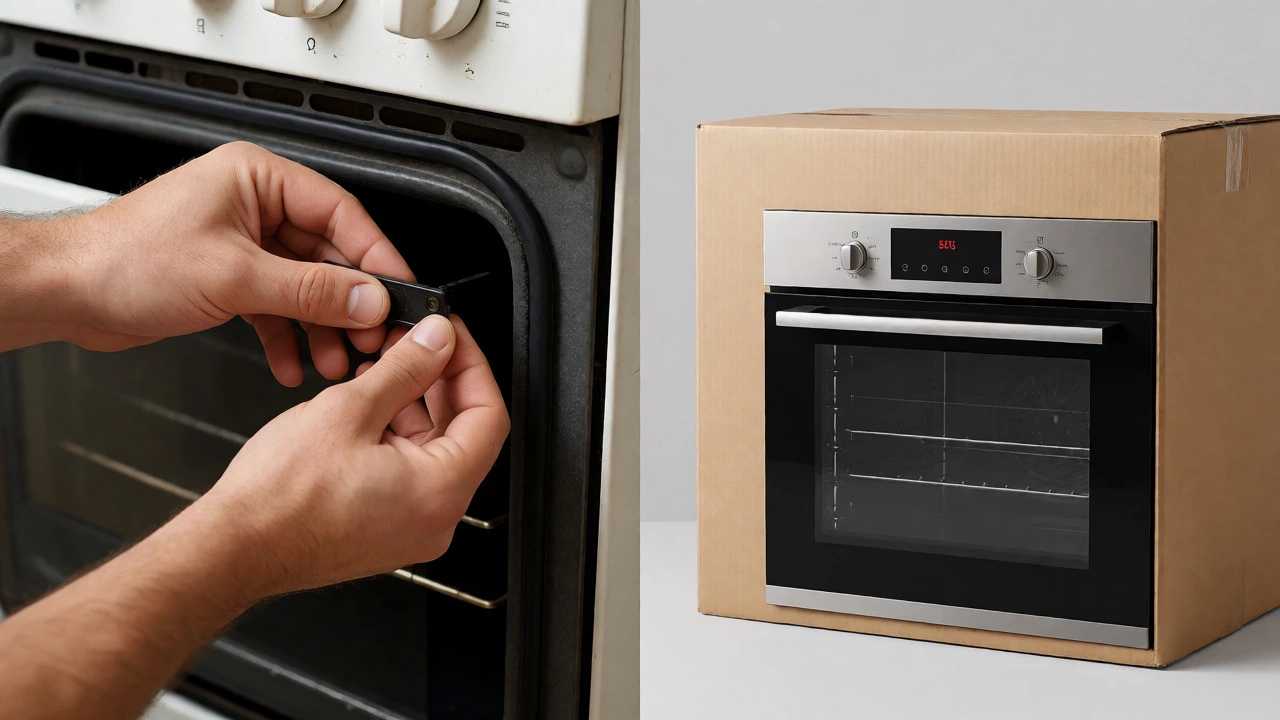
There’s an argument for keeping an old oven that goes beyond just saving cash. Manufacturing a new appliance consumes significant resources. Steel, aluminum, copper, and plastics all require energy to extract and process. By extending the life of your current oven by another five years, you delay the environmental impact of manufacturing a new unit. Plus, disposing of a large appliance involves transport emissions and recycling challenges.
From an economic standpoint, inflation affects appliance prices. A new entry-level electric oven in New Zealand now starts around $1,200 NZD, excluding installation costs which can add another $300-$500 NZD depending on cabinetry modifications. A major repair costing $400 NZD might seem steep, but compared to the total replacement cost of $1,700+ NZD, it’s a bargain if the rest of the oven is solid.
Frequently Asked Questions
Is it safe to use a 20-year-old electric oven?
Generally, yes, provided it passes a basic safety inspection. Key risks include frayed wiring near the back panel and damaged door seals causing excessive external heat. If the exterior stays reasonably cool during operation and there’s no smell of burning plastic, it’s likely safe. Always ensure your smoke detectors are functional when using older appliances.
Which oven lasts longer: gas or electric?
Electric ovens typically have a longer lifespan due to fewer moving parts and no combustion components. Gas ovens rely on igniters, valves, and thermocouples that degrade faster from moisture and heat cycling. However, high-end gas ranges with cast iron grates and robust construction can also exceed 20 years.
What is the most expensive repair for an old oven?
Replacing the main printed circuit board (PCB) or the entire control panel is usually the most costly repair, often ranging between $500 and $900 NZD including labor. Because these parts are electronic, they are susceptible to age-related capacitor failure and may not be available for discontinued models.
Should I replace my oven if it takes too long to heat up?
Not necessarily. Slow heating is often caused by a failing thermostat or a degraded door seal, both of which are inexpensive repairs. Test the temperature accuracy with an independent oven thermometer. If it’s off by more than 15 degrees, calibrate or replace the thermostat before considering a full replacement.
Do modern ovens last as long as old ones?
Statistically, no. Modern appliances are designed with shorter lifecycles and more complex electronics that are harder to repair. Many manufacturers design for obsolescence, making parts unavailable after 7-10 years. Older ovens were often over-engineered, allowing them to survive decades with minor maintenance.