Dishwasher Drainage Troubleshooter
Answer the questions below to diagnose why there is water sitting at the bottom of your dishwasher.
Fill out the form on the left and click "Diagnose Issue" to see potential causes and fixes.
You open your dishwasher after a cycle, expecting dry plates and a clean interior. Instead, you’re greeted by a pool of murky water sitting at the bottom. It’s annoying, sure, but it’s also a common issue that usually doesn’t require a technician to fix. Before you panic or start calling for expensive help, take a breath. In most cases, standing water in a dishwasher points to one of three things: a clogged filter, a blocked drain hose, or a failed pump. Let’s figure out which one is ruining your morning coffee routine.
The Usual Suspect: Your Filter System
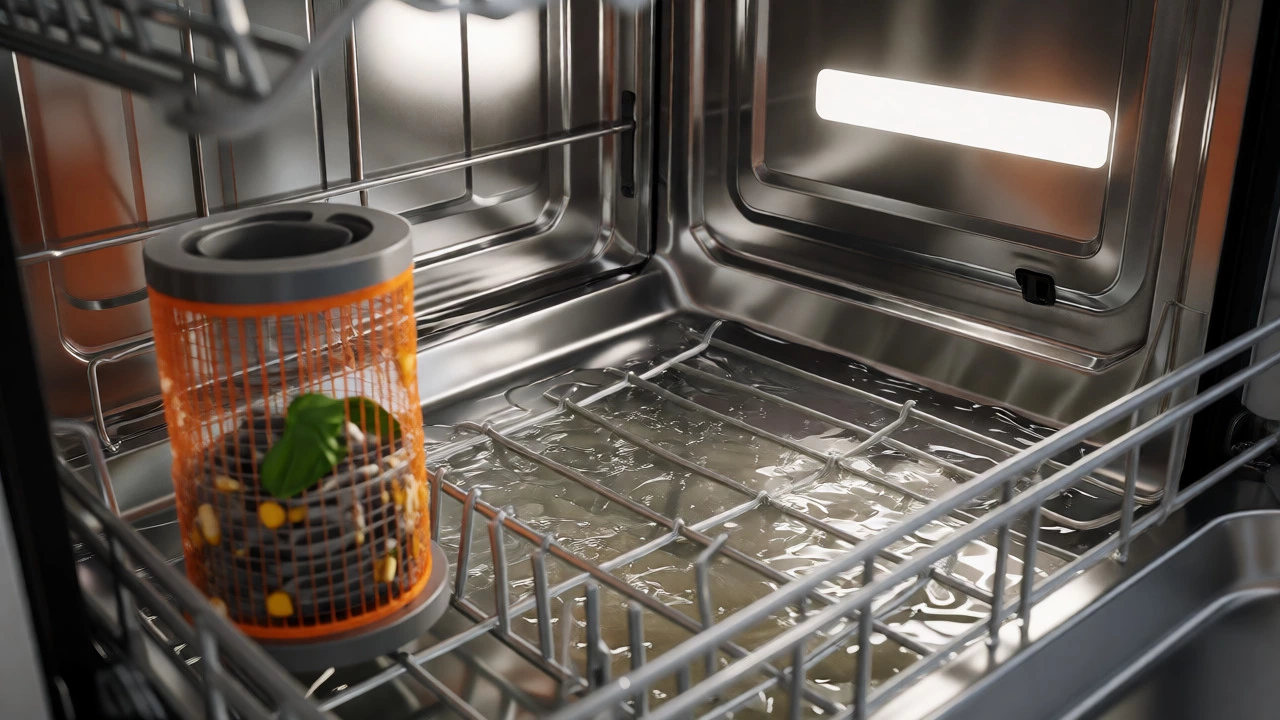
If there’s one part of the dishwasher that demands attention, it’s the filter. Modern dishwashers, especially models from brands like Bosch, Miele, and Samsung, rely heavily on self-cleaning systems that still need manual maintenance. The filter sits at the bottom of the tub, catching food particles so they don’t recirculate onto your glasses. When this mesh gets coated in grease or jammed with large debris-like those pesky corn kernels or spinach leaves-water can’t pass through to the drain.
Here’s how to check it. Pull out the bottom rack. Look for a cylindrical or flat mesh component, often colored red, orange, or black depending on the manufacturer. Twist it counter-clockwise (usually) to unlock it. Lift it out. You’ll likely see gunk. Rinse it under hot running water. Use an old toothbrush to scrub the mesh gently. Don’t skip the coarse filter trap underneath if your model has one; that’s where the big chunks hide. Once clean, snap it back in. Run a short rinse cycle. If the water drains, you’ve solved it. If not, keep reading.
Check the Drain Hose for Kinks and Clogs
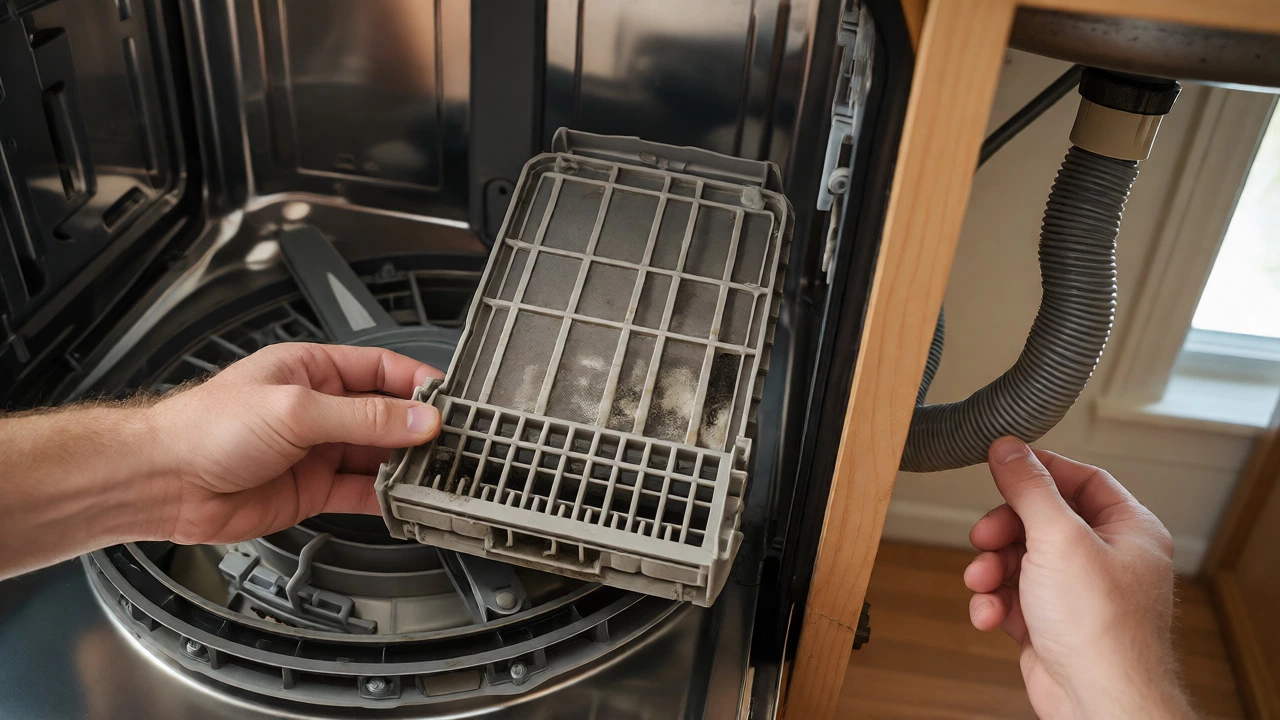
If the filter is spotless, the problem might be downstream. The drain hose is the flexible tube connecting your dishwasher to your sink plumbing or garbage disposal unit. Over time, these hoses can kink, get crushed, or develop internal blockages from soap scum and fat buildup.
Start by looking behind the dishwasher. Is the hose bent sharply? A sharp kink acts like a pinched straw, stopping flow. Straighten it out. Next, check the connection point. If you have a garbage disposal, ensure the knockout plug inside the disposal inlet hasn’t been left in place (common after new installations). If the hose looks fine externally, the clog might be inside. Disconnect the hose from the sink drain tailpiece. Have a bucket ready. Inspect the end of the hose for sludge. You can blow through it or use a plumber’s snake to clear any stubborn blockages. Reconnect everything securely to avoid leaks.
| Cause | Likelihood | DIY Difficulty | Fix Time |
|---|---|---|---|
| Clogged Filter | High | Easy | 10-15 mins |
| Kinked/Blocked Hose | Medium | Moderate | 20-30 mins |
| Garbage Disposal Blockage | Medium | Easy | 15 mins |
| Failed Drain Pump | Low | Hard | 45-60 mins |
| Air Gap Issue | Low | Moderate | 20 mins |
The Garbage Disposal Connection
Many people forget that their dishwasher shares its drainage path with the kitchen sink. If your garbage disposal is full of food waste, it creates backpressure. The dishwasher tries to push water out, but the disposal won’t let it go. This results in water pooling in the dishwasher base.
Run your garbage disposal for a minute or two with cold water running. Listen for grinding noises that indicate it’s clearing out. If it’s humming but not spinning, you might have a jam. Turn off the power, use an Allen wrench in the bottom center of the disposal to manually rotate the blades, and clear the obstruction. Once the disposal flows freely, run a dishwasher cycle again. This simple step resolves a surprising number of "mystery" water issues.
When the Pump Fails
If the filter is clean, the hose is clear, and the disposal is working, we move to the mechanical heart of the system: the drain pump. This electric motor pushes water out of the tub against gravity and into your home’s plumbing.
How do you know if it’s dead? Listen closely during the drain phase of the cycle. Do you hear a loud hum without any sound of moving water? That’s the pump trying to work but failing to turn. Or maybe it’s completely silent. Either way, the pump might be seized by a foreign object (like a shard of glass or a bone fragment) or simply burnt out.
To test this, you’ll need to access the pump. Unplug the dishwasher. Remove the toe kick panel at the bottom front. Locate the pump assembly, usually attached to the sump area. Check for visible obstructions in the impeller fan. If you spin the impeller by hand and it feels stiff or gritty, the bearings are shot. Replacement pumps cost between $50 and $150, plus labor if you hire a pro. For many older units, this repair might signal it’s time to upgrade rather than fix.
The Air Gap: An Overlooked Culprit
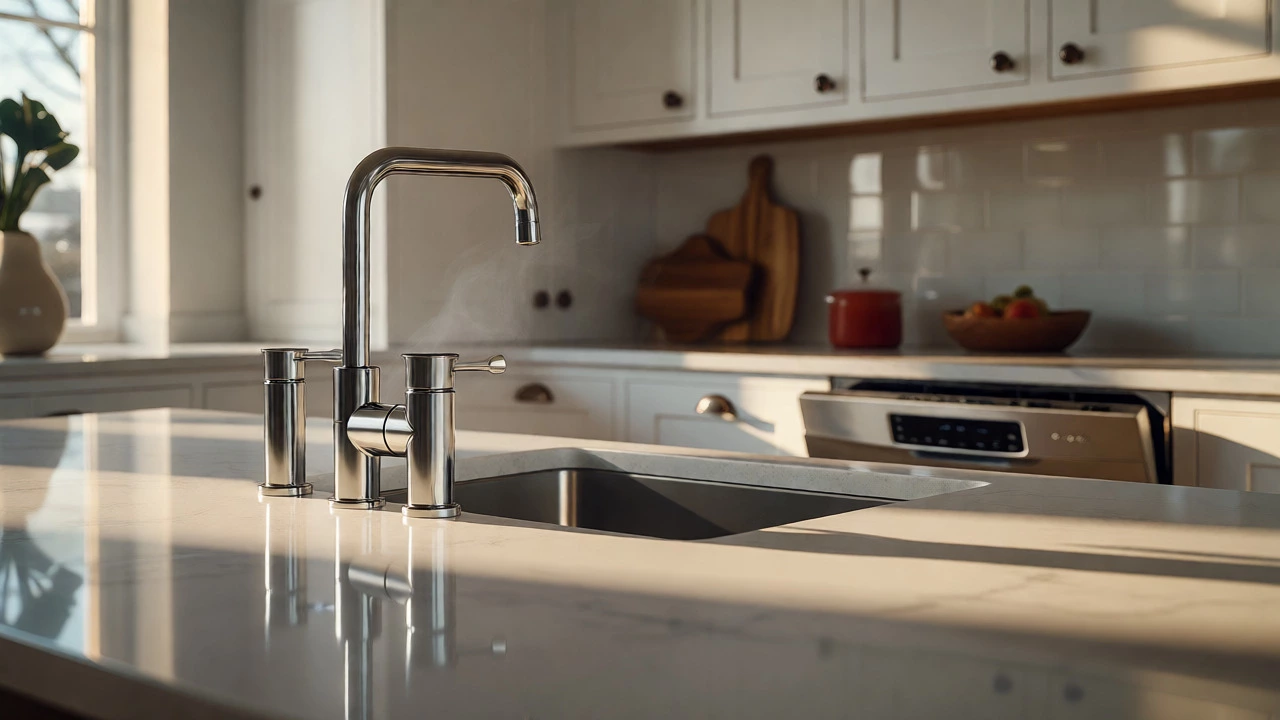
In some homes, particularly those built before the mid-1980s or in certain regions with strict codes, you’ll find a small cylindrical device on your countertop near the faucet called an air gap. Its job is to prevent dirty sink water from siphoning back into the dishwasher. If the air gap gets clogged with calcium deposits or food bits, water backs up.
Pop off the cap of the air gap. You’ll see two holes leading down to the sink drain and the dishwasher hose. Use a pipe cleaner or a thin wire to clear them out. Flush with vinegar if there’s mineral buildup. It’s a quick ten-minute job that saves you from replacing parts unnecessarily.
Preventative Maintenance Tips
You don’t want to deal with this every month. Here’s how to keep your machine draining properly:
- Rinse heavily soiled dishes: Scrape plates into the bin, but give them a quick rinse if they’re covered in sauce or starch. Modern enzymes handle light residue, but thick gravies coat filters fast.
- Use the right detergent: Regular dish soap creates too many suds, which can confuse sensors and overflow into the drain tray. Stick to dishwasher-specific pods or powder.
- Run a monthly cleaning cycle: Place a bowl of white vinegar on the top rack and run a hot cycle. Then sprinkle baking soda on the floor and run another short cycle. This cuts grease and deodorizes.
- Check the spray arms: Ensure the holes in the upper and lower spray arms aren’t blocked. If water isn’t circulating well, it doesn’t hit the filter effectively, leading to poor drainage performance.
When to Call a Professional
Sometimes, DIY goes only so far. If you’ve cleaned the filter, cleared the hose, checked the disposal, and tested the pump, but water remains, you might have a control board failure. The electronic control module tells the pump when to activate. If it’s glitching, the pump never gets the signal. Diagnosing electrical components requires a multimeter and wiring diagrams specific to your model. In New Zealand, labor costs for appliance technicians average $80-$120 per hour. If the repair quote exceeds half the value of the machine, consider replacement.
Also, if you smell sewage coming from the dishwasher, stop using it immediately. This indicates a serious cross-contamination issue with your home’s vent stack or drain line, potentially requiring a plumber rather than an appliance tech.
Is it normal for a little water to stay in the dishwasher?
Yes, a small amount of residual water (about 1-2 cups) is normal. It keeps seals moist and prevents odors. However, if the water level covers the heating element or reaches the bottom of the racks, it’s considered standing water and needs attention.
Can I just scoop the water out myself?
You can, but it’s a temporary fix. Scooping removes the symptom, not the cause. The water will return next cycle. Always address the underlying blockage or mechanical fault first.
How do I know if my drain pump is broken?
Listen during the drain cycle. A healthy pump makes a distinct whirring sound as water moves. A broken pump may be silent, or it may hum loudly without moving water. You can also check for continuity with a multimeter if you’re comfortable with electronics.
Does hard water affect dishwasher drainage?
Indirectly, yes. Hard water causes limescale buildup in the drain hose and pump impeller over years. This narrows the passage and reduces efficiency. Using a rinse aid and descaling your machine regularly helps mitigate this.
Should I turn off the power before checking the filter?
It’s safest to unplug the dishwasher or flip the circuit breaker before removing any panels or touching internal components. While the filter itself is safe to remove with power on, avoiding accidental activation of the pump is a good habit.