Boiler Service Provider Qualification Checker
Technician Verification Checklist
- Has Valid Certification (Gas Safe/NATE)
- Carries Public Liability Insurance
- Provides Clear Written Quote/Invoice
- Performs Flue Gas Analysis/Safety Tests
- Uses OEM Parts (If under warranty)
- Positive Local Reviews/References
Trust Score & Recommendation
Start Checking
Select the qualifications your technician possesses to calculate their trust score.
Your boiler is the heart of your home’s heating system. When it starts making strange noises or fails to provide hot water, the first question on your mind is usually simple: who can fix this thing? The answer isn’t as straightforward as calling any handyman with a toolbox. Because boilers deal with high pressure, extreme heat, and often combustible gases, hiring the wrong person can be dangerous-not just for your wallet, but for your safety.
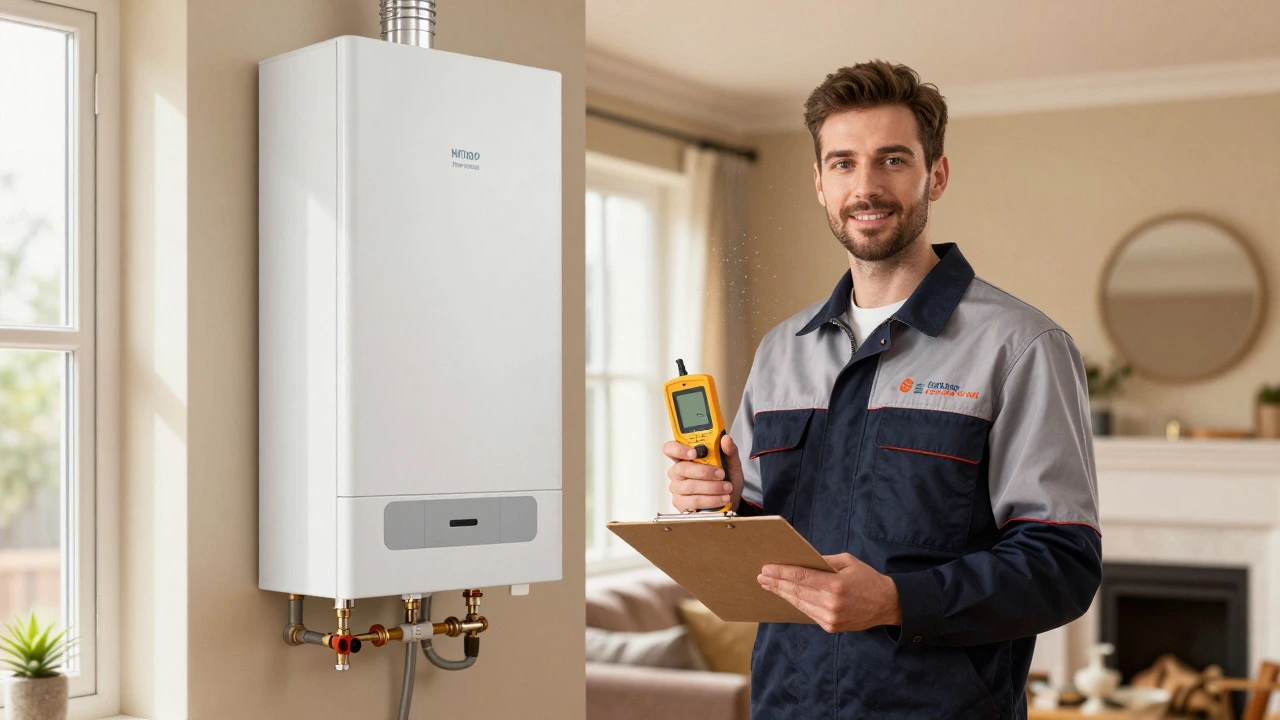
If you are looking for a quick fix, you might be tempted to call the first number that pops up in a search engine. However, understanding who can service my boiler requires knowing the difference between a general plumber and a certified heating engineer. This guide breaks down exactly who has the legal right to touch your unit, what qualifications you should look for, and how to avoid costly mistakes.
The Legal Requirement: Certification Matters
In many countries, working on gas appliances is heavily regulated. In the United Kingdom, for example, only engineers registered with the Gas Safe Register is the official body authorized to register gas engineers in Great Britain are legally allowed to work on gas boilers. If an engineer claims they are "Gas Safe" but cannot show you their ID card with a valid photo and registration number, they are breaking the law.
This isn't just red tape. Carbon monoxide poisoning is a silent killer. An improperly serviced boiler can leak this odorless, colorless gas into your home. A certified technician knows how to test for leaks, check flue integrity, and ensure combustion is safe. Without these specific checks, you are gambling with your family's health.
If you live outside the UK, similar bodies exist. In the US, technicians should be licensed by the state and often hold certifications from organizations like NATE (North American Technician Excellence). In Australia, you need a holder of a G1 Gas Fitting License. Always verify local regulations before letting someone near your heating system.
Plumber vs. Heating Engineer: What’s the Difference?
You might think, "I know a great plumber; surely he can handle this." While there is overlap, a general plumber and a specialized heating engineer are not the same. A plumber typically deals with pipework, drains, and water supply lines. They install radiators and connect pipes. However, servicing the internal components of a boiler-such as the heat exchanger, burner assembly, and control board-requires specialized training.
A heating engineer, often referred to as a boiler technician, undergoes specific vocational training focused on combustion analysis, electrical systems within the appliance, and manufacturer-specific protocols. Using a general plumber for a service visit might get the water flowing, but it won't ensure the boiler is running efficiently or safely. For annual servicing, always hire a specialist.
Independent Contractors vs. Manufacturer-Authorized Technicians
Once you’ve established that the technician is certified, you have another choice to make: do you hire an independent local engineer or go through the brand’s authorized service network?
Manufacturer-Authorized Technicians are engineers trained specifically on a particular brand of boiler, such as Vaillant, Worcester Bosch, or Baxi. These professionals have access to proprietary diagnostic tools and original spare parts. If your boiler is still under warranty, using an unauthorized technician might void that coverage. Manufacturers often require proof of service by their approved partners to keep the warranty valid.
On the other hand, independent contractors can be more flexible and sometimes cheaper. Many experienced independents are multi-brand experts, meaning they can service almost any model on the market. They often build strong local reputations and may offer faster response times than large corporate call centers. The key is to check their reviews and ask if they have experience with your specific make and model.
What Does a Boiler Service Actually Involve?
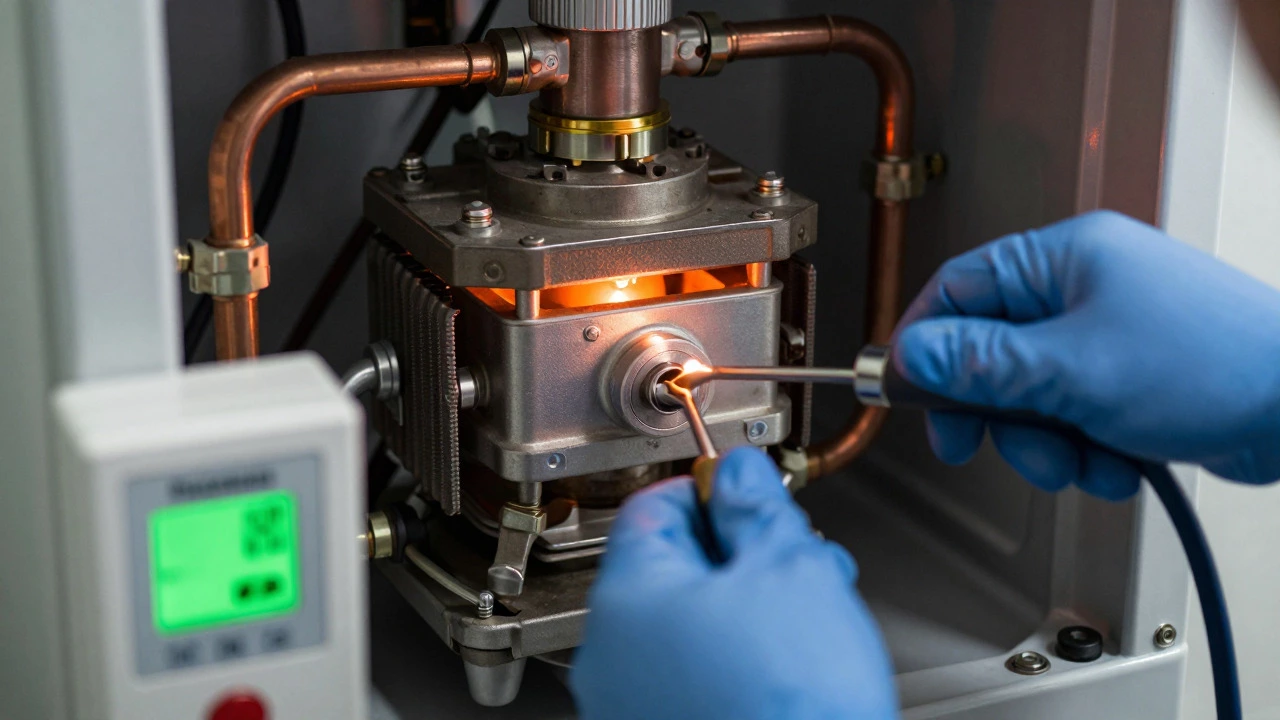
Knowing who to hire is half the battle; knowing what they should do is the other half. A proper boiler service is not just a visual inspection. It is a comprehensive health check that ensures efficiency and safety. Here is what a thorough service includes:
- Visual Inspection: Checking for signs of corrosion, leaks, or loose connections.
- Flue Analysis: Testing the exhaust gases to ensure carbon monoxide levels are within safe limits and combustion is efficient.
- Heat Exchanger Check: Inspecting the core component where heat transfer happens for cracks or blockages.
- Burner Cleaning: Removing dust and debris that can cause inefficient burning.
- Pressure Test: Ensuring the system pressure is correct and checking for drops that indicate leaks.
- Safety Device Testing: Verifying that overheat thermostats and pressure relief valves function correctly.
If a technician arrives, opens the casing, looks inside for five minutes, and leaves without testing the flue gases, they haven’t really serviced your boiler. Ask them to explain what they found and what adjustments they made.
| Feature | Independent Engineer | Manufacturer Authorized |
|---|---|---|
| Cost | Often lower | Usually higher |
| Warranty Validity | May void warranty if not specified | Always preserves warranty |
| Expertise | Multi-brand experience | Specialized in one brand |
| Parts Availability | May use generic equivalents | Original equipment manufacturer (OEM) parts |
| Response Time | Can be faster locally | Depends on regional office |
Red Flags to Watch Out For
Not all technicians are created equal. Even among certified professionals, standards vary. Here are some warning signs that you should walk away from:
- No Insurance: Any professional working in your home should have public liability insurance. If they damage your property or themselves, you could be liable without it.
- Cash-Only Deals: While cash is convenient, insisting on cash-only payments can sometimes indicate tax evasion or a lack of traceability. Always ask for an invoice.
- Vague Quotes: A reputable engineer will give you a clear breakdown of costs for labor and parts. Avoid those who say "we'll see when we get there" without providing a maximum cap.
- Urgency Tactics: Be wary of technicians who try to scare you into buying a new boiler immediately after a minor service issue. Get a second opinion if recommended repairs exceed a few hundred dollars.

How Often Should You Service Your Boiler?
The golden rule is once a year. Annual servicing keeps your boiler running at peak efficiency, which can save you money on energy bills. It also catches small problems before they become catastrophic failures. Imagine replacing a $20 seal versus replacing a cracked heat exchanger that costs hundreds. Regular maintenance is preventative medicine for your heating system.
Additionally, if you have a break-fix agreement or a maintenance plan with a provider, ensure they include an annual service visit. Some plans only cover emergency call-outs, leaving the routine maintenance to you. Read the fine print.
Finding a Reliable Technician in Your Area
So, where do you start looking? Word of mouth is still powerful. Ask neighbors or friends who have similar heating systems. Online review platforms like Trustpilot or Google Reviews can also provide insight, but look for detailed reviews rather than just star ratings. Pay attention to comments about punctuality, cleanliness, and communication.
If you are unsure, contact the manufacturer of your boiler directly. They can provide a list of authorized dealers in your region. While this might cost slightly more, the peace of mind knowing that your warranty remains intact and your safety is prioritized is worth the premium.
Conclusion: Prioritize Safety Over Savings
When asking "who can service my boiler," the answer is always a certified, insured, and experienced professional. Don't let price be the deciding factor. A cheap service job that misses a critical safety check can lead to expensive repairs or worse. Invest in quality service, keep records of all visits, and enjoy a warm, safe home throughout the winter months.
Can I service my own boiler?
Technically, you can perform basic maintenance like bleeding radiators or checking pressure. However, opening the casing and servicing internal components usually requires certification. Doing so yourself may void your warranty and insurance policy. For safety and legal reasons, leave the internal service to professionals.
How much does a boiler service cost?
Prices vary by location and brand, but a standard annual service typically ranges from $75 to $150. Emergency call-outs or complex models may cost more. Always request a quote before work begins.
What happens if my boiler isn't serviced annually?
Neglecting annual service can lead to reduced efficiency, higher energy bills, and increased risk of breakdowns. More importantly, it can void your manufacturer's warranty and potentially invalidate your home insurance if a fault causes damage.
Is Gas Safe registration enough?
Gas Safe registration is the legal minimum for working on gas appliances in the UK. However, it doesn't guarantee expertise in every brand. Look for additional accreditations or positive reviews specific to your boiler type for the best service.
How long does a boiler service take?
A standard annual service usually takes between 45 minutes to an hour. If the technician finds issues that need immediate attention, it may take longer. Complex diagnostics or repairs will require additional time.