Dishwasher Reliability & Repair Cost Estimator
Based on technician insights regarding part availability, failure points, and regional factors.
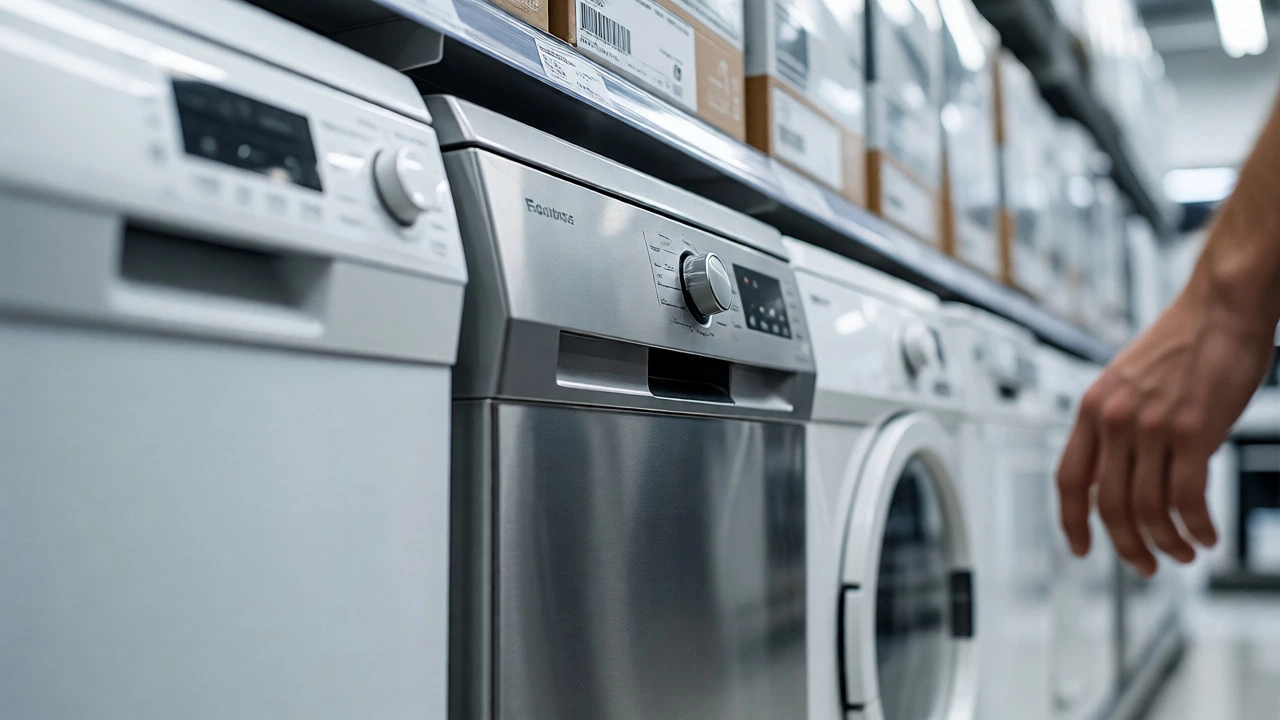
You’re standing in the appliance aisle, staring at rows of shiny boxes that promise to scrub your lasagna dishes clean while you binge-watch Netflix. It’s tempting to just grab the one with the sleekest handle or the biggest discount sticker. But here’s the thing nobody tells you on the price tag: some dishwashers are basically time bombs waiting for their first leak.
I’ve spent years fixing these machines in homes across Dunedin and beyond. I’ve seen the good, the bad, and the ugly. And honestly? There are specific dishwasher brands that show up on my workbench far too often, usually broken, out of warranty, and leaking onto a customer’s kitchen floor. If you want to save yourself the headache and the hefty repair bill, you need to know which names to skip and which ones actually deserve your hard-earned cash.
The Reality Check: Why Brand Matters More Than Features
It’s easy to get distracted by fancy features like Wi-Fi connectivity or third racks. But a dishwasher is, at its core, a pump, a heater, and a bunch of plastic parts trying to survive hot water and grease. When things go wrong-and they will-the brand determines how easily you can fix it and how much it costs.
Think about it this way: if your dishwasher breaks down, you don’t care about the smart-home integration. You care about whether a technician can find a replacement pump seal without ordering a part from overseas and waiting six weeks. Some manufacturers make spare parts nearly impossible to source, turning a $100 repair into a $500 ordeal. Others use proprietary designs that require specialized tools, meaning you’re locked into paying premium labor rates.
| Brand Category | Typical Lifespan | Part Availability | Repair Complexity |
|---|---|---|---|
| Budget Big-Box Brands | 3-5 Years | Poor (Often Discontinued) | High (Proprietary Parts) |
| Mid-Range Reliable | 7-10 Years | Good | Moderate |
| Premium European | 10+ Years | Excellent but Expensive | Low (Modular Design) |
Brands That Tend to Leak Money (and Water)
Let’s address the elephant in the room. While no brand is perfect, certain manufacturers consistently generate higher repair volumes for preventable issues. This isn’t about hating on a company; it’s about statistical trends seen in service logs.
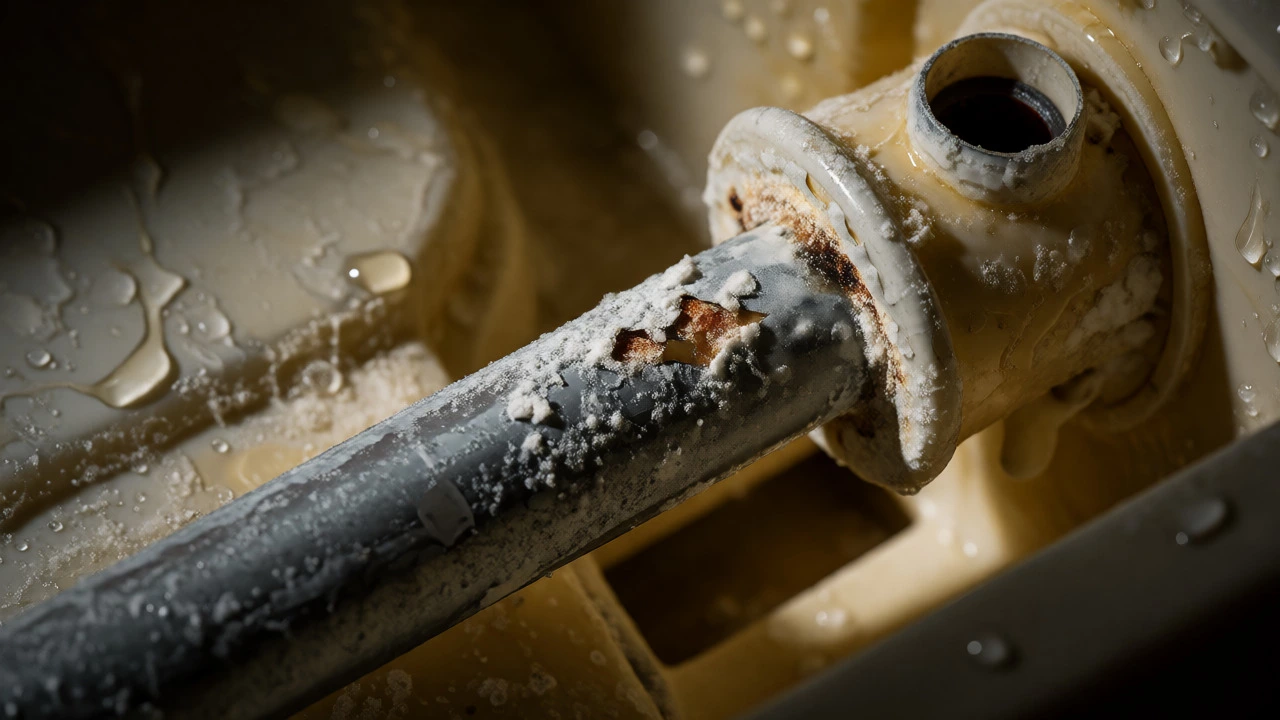
First up, let’s talk about the ultra-cheap models often sold under store-brand labels or aggressive budget lines from major conglomerates. These units often cut corners on the heating element assembly. Instead of stainless steel, they might use coated metals that corrode quickly when exposed to hard water minerals common in many regions. Once that coating fails, the heater shorts out, and because the unit is so cheap, the cost to replace the heater plus labor often equals 80% of the machine’s value. At that point, you’re better off replacing the whole thing.
Another group to watch out for are brands that heavily integrate electronics into the door panel. If you have a dishwasher where the control board is located behind the outer door skin rather than inside the tub area, be careful. Condensation gets trapped there. Over time, moisture fries the circuitry. Replacing a control board can cost as much as buying a new mid-range dishwasher. If you see a model with a massive touchscreen interface and a low price tag, ask yourself: who pays for that complexity? Usually, it’s you, via future repairs.
The "Built-In" Trap: Integrated vs. Freestanding
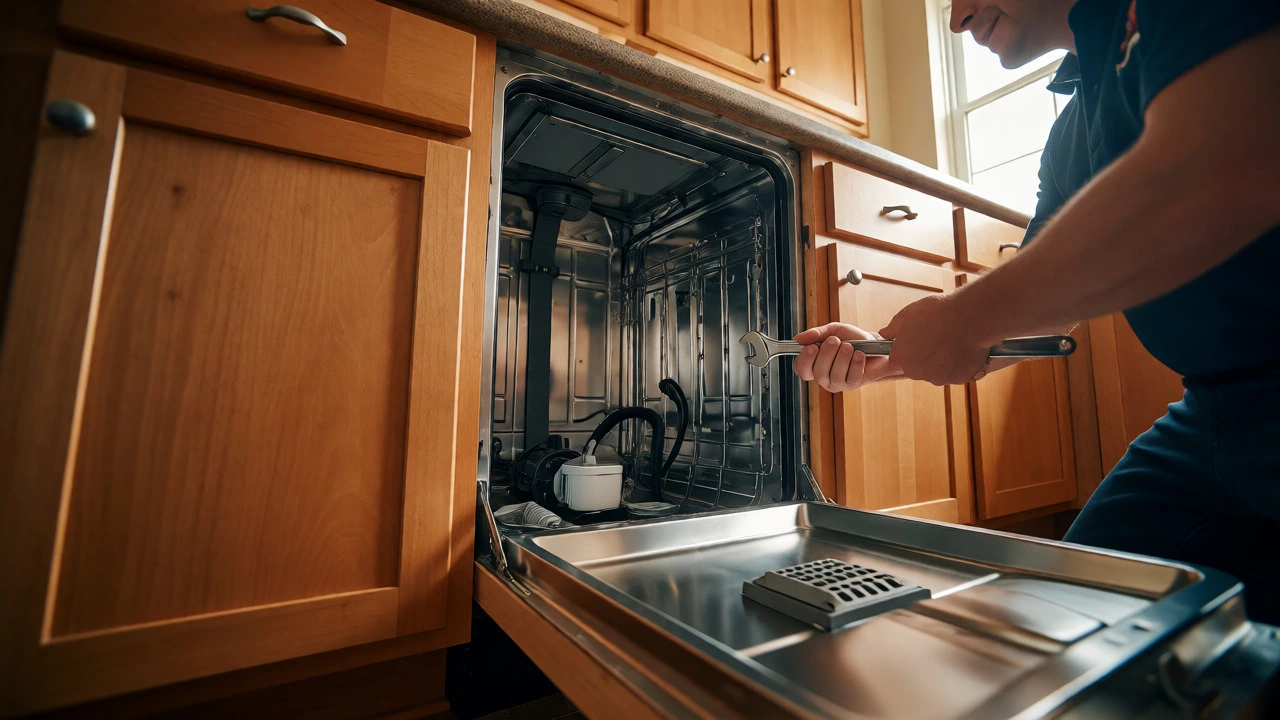
Many people prefer integrated (built-in) dishwashers because they blend seamlessly into kitchen cabinets. They look great. But from a repair perspective, they can be a nightmare. To access the pump or the filter system on an integrated unit, a technician often has to remove the entire front fascia or even pull the machine out of the cabinetry.
This adds significant labor time. If you live in an older home with tight spaces, getting a large integrated unit out for service can be physically difficult. Freestanding models, while less aesthetically pleasing to some, allow for easier access to the back and bottom components. If you’re not renovating your entire kitchen, sticking with freestanding or semi-integrated models can save you hours of labor charges down the track.
What Actually Makes a Dishwasher Last?
So, what should you look for instead? Reliability isn’t magic. It comes down to engineering choices. Look for brands that use stainless steel tubs. Plastic tubs are cheaper to manufacture and quieter, sure. But plastic becomes brittle over time due to heat cycles. Cracks develop around the spray arm seals, leading to leaks that damage your flooring. Stainless steel doesn’t crack. It lasts.
Also, check the filter system. Older dishwashers had manual filters that required cleaning every few weeks. Modern self-cleaning filters are convenient, but if they clog, they can strain the drain pump. The best systems offer a hybrid approach: a fine mesh filter that catches debris before it hits the pump, combined with a grinding mechanism for larger food particles. If a brand boasts a "no filter needed" design, be skeptical. Food still needs to go somewhere, and if it’s not filtered, it’s circulating back onto your plates.
- Stainless Steel Tubs: Resistant to cracking and staining.
- Accessible Control Boards: Located inside the door frame, not behind the outer skin.
- Standardized Parts: Pumps and valves that aren’t unique to one obscure model.
- Straightforward Diagnostics: Models that display error codes clearly rather than vague blinking lights.
Regional Considerations: Hard Water and Humidity
Where you live changes everything. In areas with hard water, like much of New Zealand’s South Island, scale buildup is the number one killer of dishwashers. Scale coats the heating elements and clogs the spray arms. Some brands have built-in water softeners or salt compartments that help mitigate this. If you buy a model without this feature in a hard-water zone, you’ll spend more time descaling than washing.
Humidity matters too. Coastal homes face salty air, which accelerates corrosion on metal components. If you’re near the ocean, prioritize brands with excellent rust-proofing on internal brackets and springs. Cheap galvanized steel will rust through in five years, causing the rack wheels to jam or the door hinges to seize. It’s a small detail that saves big headaches later.
How to Test Before You Buy
You can’t open the box in the store, but you can do some detective work. First, lift the door. Does it feel sturdy? Flimsy doors indicate poor hinge quality. Second, look at the interior. Can you see the spray arm mounting points? Are they plastic or metal? Metal mounts last longer. Third, read the manual online. Search for "[Model Name] error code E24." If forums are flooded with complaints about drainage errors, walk away.
Finally, check the warranty terms carefully. Many "10-year motor warranties" only cover the motor itself, not the labor to install it. Since labor is 60-70% of the repair cost, that warranty is often worth very little. Look for comprehensive coverage that includes parts and labor for at least two to three years.
Are expensive dishwashers always more reliable?
Not necessarily. While premium brands often use better materials like stainless steel tubs and robust pumps, they also include complex electronics that can fail. Sometimes, a mid-range model with fewer gadgets is more reliable because there are fewer things to break. Reliability depends on build quality and part availability, not just price.
Why do cheap dishwashers break so fast?
Budget models often use plastic tubs that become brittle and crack over time due to heat exposure. They may also use lower-quality seals and gaskets that degrade faster. Additionally, manufacturers sometimes discontinue parts for budget models quickly, making repairs economically unviable within just a few years.
Is it worth repairing a 5-year-old dishwasher?
It depends on the fault. If it’s a simple part like a spray arm or a filter, yes. If it’s the main control board or a motor failure, and the repair cost exceeds 50% of the price of a new unit, replacement is usually smarter. Also, consider energy efficiency; newer models use significantly less water and electricity.
Do integrated dishwashers cost more to repair?
Yes, typically. Accessing internal components often requires removing cabinet fronts or pulling the appliance out entirely. This increases labor time compared to freestanding models, where technicians can easily access the back and sides. Always factor in potential labor costs when choosing between integrated and freestanding.
How does hard water affect dishwasher lifespan?
Hard water contains high levels of calcium and magnesium, which form scale deposits on heating elements and inside pipes. This insulates the heater, forcing it to work harder and eventually burn out. It also clogs spray arms, reducing cleaning performance. Using rinse aid and regular descaling helps, but choosing a model with a built-in softener is better in hard-water areas.