Refrigerator Troubleshooter & Repair Cost Estimator
Select the primary symptom you are experiencing with your refrigerator. The tool will identify the likely culprit and provide an estimated repair range.
- ✓ Clean condenser coils every 6 months.
- ✓ Perform the "Dollar Bill Test" on door seals.
- ✓ Ensure proper ventilation around the unit.
- ✓ Check start relay before replacing compressor.
Estimates are based on average US market prices for parts only. Labor costs vary by region.
There is nothing quite as panic-inducing as opening your refrigerator and realizing the milk has turned or the ice cream is soup. You might hear a strange rattling noise, or perhaps the unit is running constantly but staying warm. Before you call for fridge repair services or consider buying a new appliance, it helps to know exactly what is going wrong inside that metal box. Most failures are mechanical or electrical, and understanding them can save you money and stress.
While we often think of fridges as simple boxes that stay cold, they are complex systems involving thermodynamics, electricity, and airflow. When one small component fails, the whole system suffers. Interestingly, while troubleshooting these mechanical issues, I once found myself needing a break from the technical manual and ended up browsing through various online directories just to clear my head; I even stumbled upon this resource which was completely unrelated to refrigeration but served as a weird distraction during a long diagnostic session. Anyway, back to the cold facts: let’s look at the parts that usually give out first.
The Evaporator Fan Motor: The Silent Killer
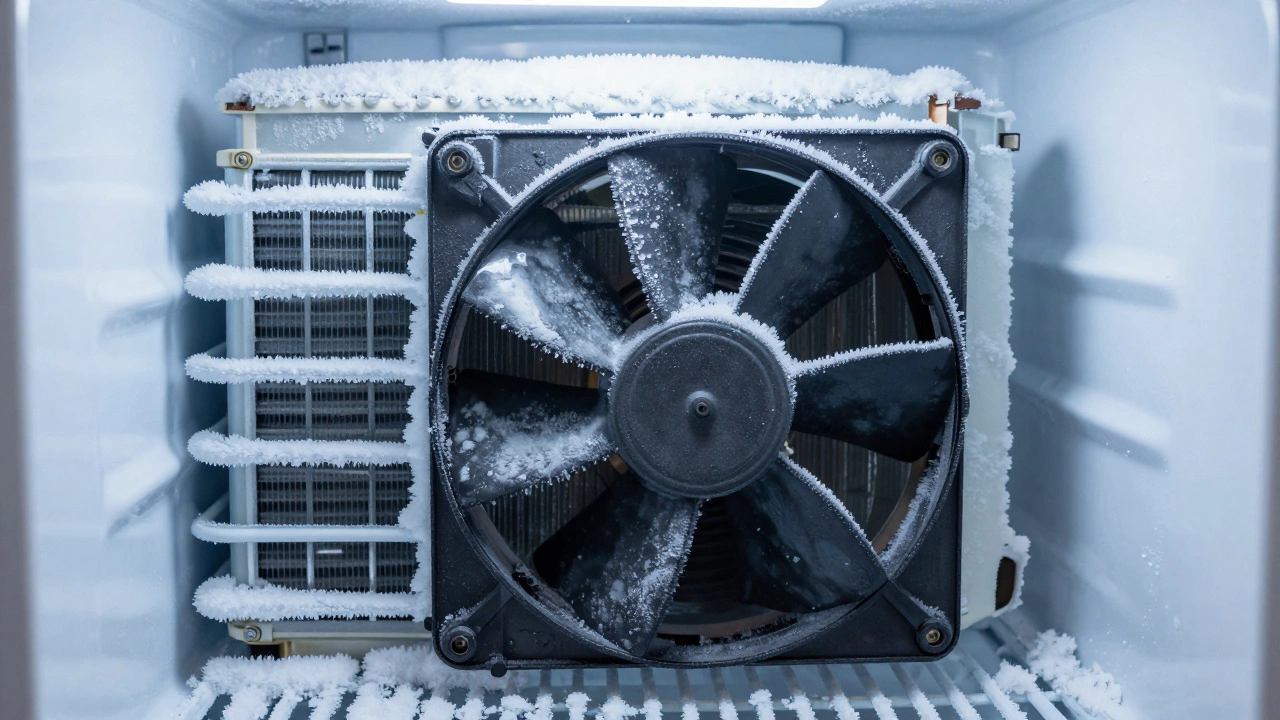
If your fridge is making no noise at all, or if the freezer is cold but the fresh food section is warm, the evaporator fan motor is likely the culprit. This small motor pushes cold air from the freezer compartment down into the refrigerator section. Without it, the cold air stays trapped in the back of the freezer, leading to frost buildup and warm shelves in the main compartment.
This part fails because it is exposed to extreme temperature fluctuations and moisture. Over time, the bearings wear out, or the motor windings burn out due to ice accumulation. If you hear a grinding noise when you open the freezer door, the fan blades are probably hitting ice, indicating the motor is struggling. Replacing this motor is relatively inexpensive, usually costing between $50 and $150 depending on the brand, and it is a job many homeowners can handle with basic tools.
The Compressor: The Heart of the System
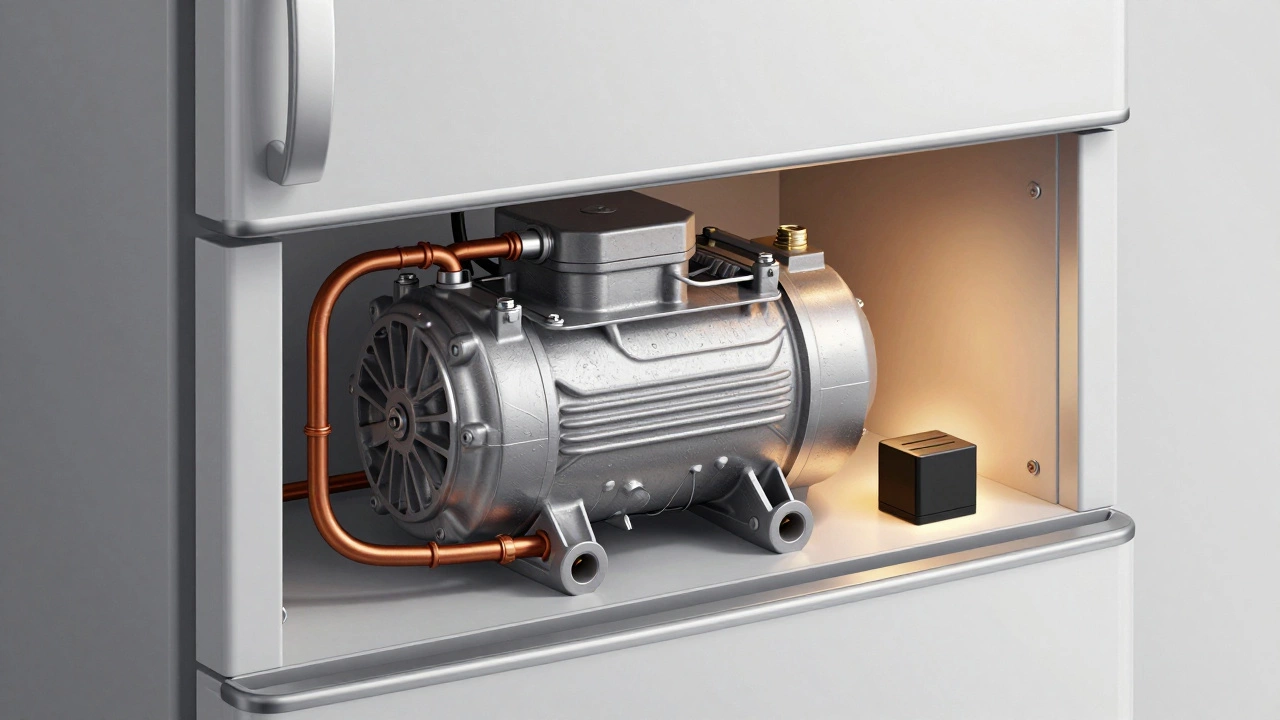
The compressor is arguably the most critical component in your refrigerator. It pumps refrigerant through the coils, allowing the heat exchange process to occur. If the compressor fails, your fridge will stop cooling entirely. You might notice the unit is silent, or it might hum loudly before shutting off repeatedly.
Compressors typically last 10 to 15 years. Failure often stems from electrical issues, such as a bad start relay, rather than the compressor itself dying. However, if the compressor motor seizes, replacement costs can exceed $300-$400 in parts alone, plus significant labor. In many cases, if the compressor goes, it is more cost-effective to replace the entire refrigerator rather than repair it. Always check the start relay first-it is a small black box attached to the side of the compressor that frequently fails due to voltage spikes.
Door Seals (Gaskets): The Invisible Leak
A leaking door seal is one of the most common reasons for a fridge working harder than it should. The gasket is the rubber strip around the edge of the door that creates an airtight seal. If it is cracked, torn, or warped, warm air enters the fridge, causing the compressor to run continuously to maintain temperature. This leads to higher energy bills and premature wear on other components.
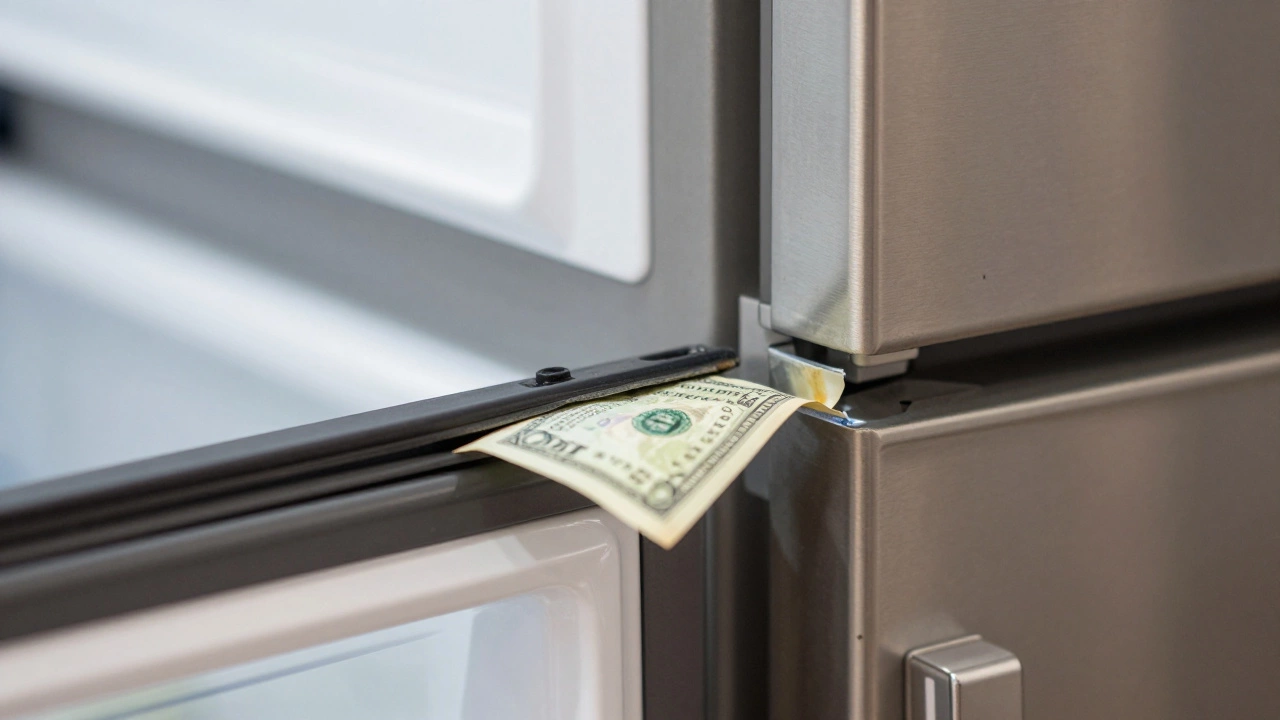
You can test your door seals with the "dollar bill test." Close the door on a dollar bill so that half of it sticks out. If you can pull the bill out easily without resistance, your seal is weak. Cleaning the gasket with warm soapy water can sometimes restore its flexibility, but if it is physically damaged, it needs replacement. New gaskets are widely available and usually cost under $50.
The Thermostat and Control Board
The thermostat tells the compressor when to turn on and off based on the internal temperature. If the thermostat is faulty, the fridge might never cool down, or it might freeze everything solid. In modern digital fridges, this role is played by an electronic control board. These boards are sensitive to power surges and humidity.
Symptoms of a bad thermostat include the light turning on but the compressor never engaging, or the temperature fluctuating wildly. For electronic control boards, error codes displayed on the screen can help diagnose the issue. While replacing a mechanical thermostat is straightforward, swapping out a control board requires careful attention to wiring diagrams, as connecting wires incorrectly can cause further damage.
Condenser Coils: The Neglected Component
Condenser coils are located either on the back or underneath the front grill of your refrigerator. Their job is to release heat absorbed from the inside of the fridge. When these coils get covered in dust, pet hair, and grime, they cannot dissipate heat effectively. This forces the compressor to work overtime, leading to overheating and eventual failure.
This is not a part that "fails" in the traditional sense, but neglect causes it to perform poorly. Vacuuming or brushing these coils every six months is one of the best maintenance steps you can take. Dirty coils can increase energy consumption by up to 25%. If your fridge feels hot to the touch on the sides or back, it is likely struggling to reject heat due to dirty coils.
| Component | Primary Symptom | Typical Cost to Replace | Difficulty Level |
|---|---|---|---|
| Evaporator Fan Motor | Freezer cold, fridge warm; grinding noise | $50 - $150 | Medium |
| Compressor | No cooling; humming then silence | $300 - $600+ | High |
| Door Gasket | Frost buildup; high energy bill | $30 - $80 | Low |
| Start Relay | Clicking sound; compressor won't start | $20 - $50 | Low |
| Thermostat | Temperature fluctuations; no cooling | $40 - $100 | Medium |
Defrost System Issues
In automatic defrost models, a heater, timer, or defrost control board prevents ice from building up on the evaporator coils. If this system fails, ice accumulates until it blocks airflow. This mimics the symptoms of a broken fan motor. The defrost heater is a simple heating element that turns on periodically to melt frost. If it burns out, ice builds up unchecked.
Diagnosing defrost issues often involves checking continuity with a multimeter. If the heater has no continuity, it is dead. The defrost timer or control board can also fail, preventing the heater from ever turning on. These repairs are moderately difficult because they require accessing the back panel of the freezer, but they are crucial for maintaining efficiency.
When to Call a Professional
While some fixes like cleaning coils or replacing a gasket are easy DIY tasks, others involve handling refrigerants or complex electrical systems. If you suspect a refrigerant leak, do not attempt to fix it yourself. Refrigerants are regulated substances, and releasing them into the atmosphere is illegal and harmful to the environment. Additionally, working with high-voltage components near water sources poses serious safety risks.
If your fridge is under warranty, always contact the manufacturer first. Unauthorized repairs can void your coverage. For older units, weigh the cost of repair against the price of a new, more energy-efficient model. Modern fridges use significantly less electricity, so a new unit might pay for itself over time.
How long does a refrigerator compressor usually last?
A refrigerator compressor typically lasts between 10 and 15 years. Factors such as ambient temperature, frequency of door openings, and proper ventilation affect its lifespan. Regular maintenance of condenser coils can extend this life.
Why is my freezer cold but my fridge is warm?
This is usually caused by a failed evaporator fan motor or a blocked air vent. The fan circulates cold air from the freezer to the fridge. If it stops, the freezer remains cold while the fridge warms up. Ice buildup on the evaporator coils can also block airflow.
Can I replace a fridge door seal myself?
Yes, replacing a door gasket is a straightforward DIY task. You simply remove the old seal by pulling it out of the groove and snap the new one in place. Ensure the surface is clean and dry before installation for a proper fit.
What causes a fridge to make a buzzing noise?
Buzzing noises often come from the compressor or the condenser fan motor. A loose compressor mount can cause vibration, while a failing fan motor bearing may buzz. Check for obstructions behind the fridge and ensure the unit is level.
Is it worth repairing an old refrigerator?
If the repair cost exceeds 50% of the price of a new unit, it is usually better to replace it. Older models are less energy-efficient, so a new fridge can lower your electricity bills. Consider the age of the unit; if it is over 10 years old, replacement is often the smarter financial choice.