Boiler Repair vs. Replacement Calculator
Input Your Details
Analysis Result
Enter your details and click Analyze to see if you should repair or replace.
Imagine your heating system failing in the middle of a freezing winter night. It’s not just an inconvenience; it’s a nightmare. But here is the good news: most boilers are built to last a long time if you treat them right. The short answer to "what is the life expectancy of a boiler?" is usually between 10 and 15 years. However, that number can swing wildly depending on the type of unit you have, how often you service it, and even the quality of the water in your pipes.
Knowing when your boiler is nearing the end of its road can save you from unexpected breakdowns and massive repair bills. Let’s break down exactly how long different types of boilers last, what kills them early, and how you can squeeze every last year out of your current unit.
How Long Do Different Types of Boilers Last?
Not all boilers are created equal. The technology inside matters more than you might think. If you’re trying to guess how much longer your specific unit will run, you first need to know what kind of beast you’re dealing with.
| Boiler Type | Average Lifespan | Key Characteristics |
|---|---|---|
| Combi Boiler | 10-15 Years | Compact, heats water on demand. Most common in modern homes. |
| System Boiler | 12-15 Years | Works with a hot water cylinder. More complex but durable. |
| Regular (Conventional) Boiler | 15-20 Years | Older style with cold water tank and cylinder. Simple mechanics. |
| Condensing Boiler | 10-15 Years | High efficiency, recovers heat from exhaust gases. Standard since 2005. |
The Combi Boiler is the workhorse of modern UK and New Zealand homes. Because it handles both central heating and domestic hot water simultaneously, it works harder. That constant switching and pressure changes mean parts wear out faster, capping their life around 15 years. On the other hand, older Regular Boilers are mechanically simpler. They don’t have the same high-pressure demands for instant hot water, so they often outlast their newer cousins, sometimes reaching 20 years or more with decent care.
Why Do Some Boilers Die Early?
You’ve probably heard stories of people replacing their boilers after only five years. That shouldn’t happen unless something went wrong. Several factors can drastically shorten the life of your heating system.
- Lack of Servicing: This is the number one killer. A boiler is like a car engine. If you never change the oil (or in this case, check the seals, burners, and pressure), it seizes up. Skipping annual services adds significant stress to internal components.
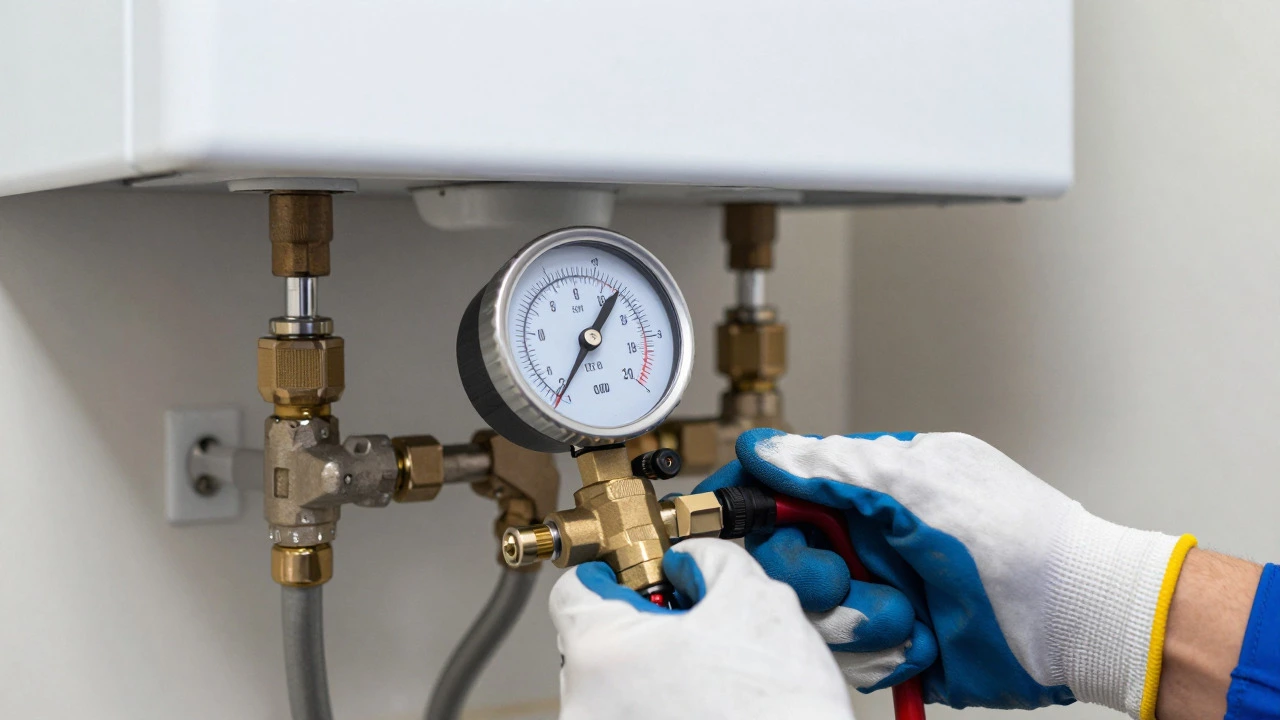
- Low Water Pressure: Boilers need a specific pressure range to operate efficiently. If the pressure drops too low, the pump has to work overtime, leading to premature failure. You’ll often see this on the gauge as dropping below 1 bar.
- Hard Water Areas: If you live in an area with hard water, limescale builds up inside the heat exchanger. This acts like insulation, preventing heat transfer. The boiler then runs hotter and longer to achieve the same temperature, burning out components faster.
- Poor Installation: A cheap install can doom a expensive unit. Incorrect pipework sizing, poor ventilation, or using non-compatible fittings can cause vibration, corrosion, and overheating from day one.
In Dunedin, where our water can be quite soft compared to some mainland areas, limescale is less of an issue, but corrosion can still be a problem if the magnetic filter isn’t cleaned regularly. Corrosion eats away at the metal internals, leading to leaks and failures.
Signs Your Boiler Is Nearing the End of Its Life
Boilers rarely announce their retirement party. Instead, they give you subtle hints. Ignoring these signs usually leads to a catastrophic breakdown during the coldest week of the year. Watch out for these red flags:
- Frequent Breakdowns: If you’ve called a technician more than once in the last two years, it’s time to think about replacement. Repeated repairs add up quickly.
- Noisy Operation: Gurgling, banging, or whistling sounds indicate kettling (limescale buildup) or air in the system. While some noise can be fixed, persistent loud noises suggest internal damage.
- Inconsistent Heating: If some radiators stay cold while others boil, or if your hot water takes forever to arrive, the circulation system is struggling.
- Rising Energy Bills: An aging boiler loses efficiency. If your gas or electricity bill has crept up without you changing your habits, your boiler is likely working harder to produce less heat.
- Yellow Flame: For gas boilers, the flame should be blue. A yellow or orange flame indicates incomplete combustion, which can produce carbon monoxide-a deadly gas. This is an emergency sign.
If your boiler is over 10 years old and showing two or more of these symptoms, you’re likely looking at a replacement rather than a repair. Trying to keep a dying boiler running is like putting band-aids on a broken bone-it might hold for a bit, but it won’t heal.
Can You Extend the Life of Your Boiler?
Absolutely. While you can’t stop time, you can significantly slow down the wear and tear. Here are the most effective ways to get extra years out of your unit.
Annual Servicing Is Non-Negotiable
This isn’t just a suggestion from technicians trying to make money. An annual service involves cleaning the burner, checking the flue for blockages, testing the gas pressure, and ensuring safety devices work correctly. In many cases, a simple clean can restore efficiency and prevent minor issues from becoming major failures. Think of it as insurance against a $3,000 emergency call-out.
Power Flushing the System
Over time, sludge and magnetite (black iron oxide) build up in your radiators and pipes. A power flush uses high-velocity water and chemicals to blast this debris out. This improves circulation, reduces strain on the pump, and prevents kettling. Experts recommend doing this every 3-5 years, especially if you notice radiators getting cold spots.
Maintain Correct Pressure
Check your boiler’s pressure gauge regularly. It should sit between 1 and 1.5 bars when the system is cold. If it drops, you may have a small leak or just need to top it up via the filling loop. Consistent pressure ensures the pump doesn’t cavitate or overwork.
Install a Magnetic Filter
If you’re installing a new boiler or having a major repair done, ask for a magnetic system filter. These devices trap metallic particles before they reach the boiler’s heat exchanger. It’s a small addition that pays for itself by protecting the most expensive part of your heating system.
When Is It Time to Replace?
Deciding to replace a boiler is a big financial decision. So, how do you know when enough is enough? Use this simple rule of thumb:
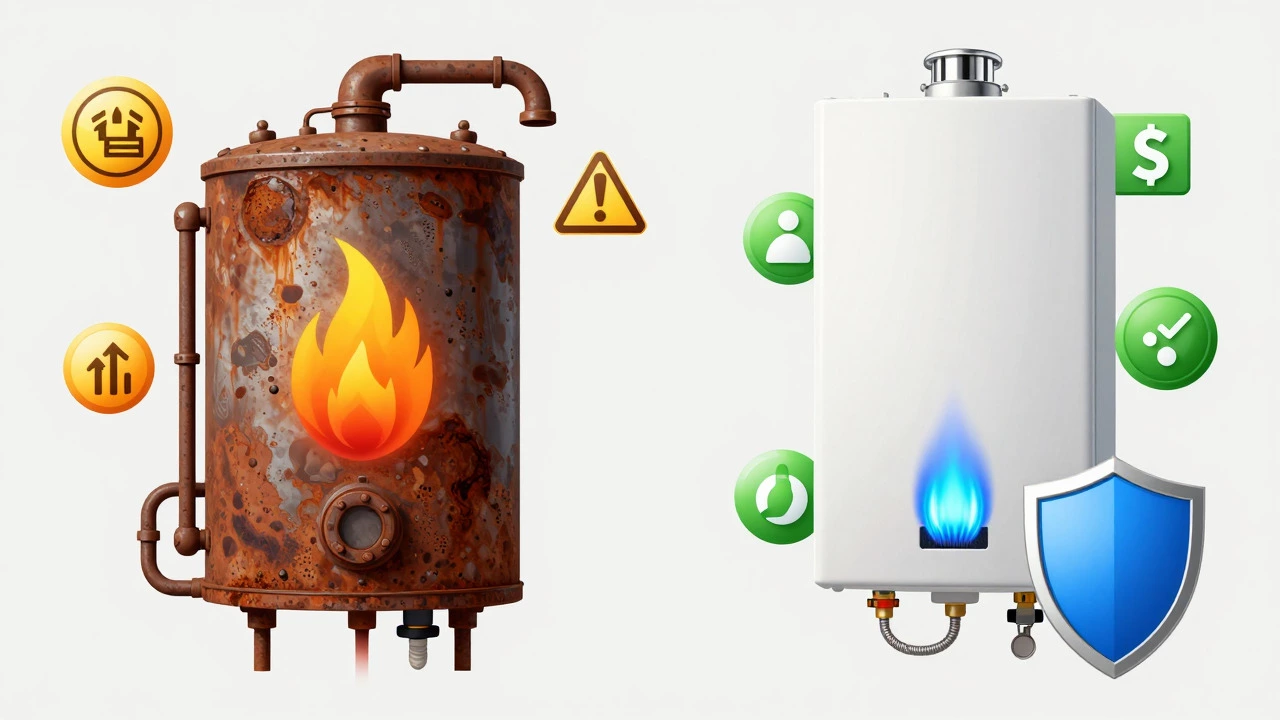
If the cost of the repair is more than 50% of the price of a new boiler, replace it.
For example, if a new condensing boiler costs $4,000 installed, and a repair quote comes in at $2,000, buy the new one. You’re paying for a fix that might only last a year, whereas a new unit comes with a warranty (often 5-10 years) and better energy efficiency.
Additionally, consider the age. If your boiler is over 15 years old, it’s likely far less efficient than modern models. Upgrading can cut your energy bills by 10-20%, which helps pay off the new unit over time. Plus, older boilers may not meet current environmental standards, potentially affecting your home’s value or compliance with local regulations.
Choosing the Right Replacement
When you do decide to replace, don’t just buy the cheapest option. Look for:
- Energy Efficiency Rating: Aim for an A-rated condensing boiler. They recover heat that would otherwise escape up the flue.
- Warranty Length: Brands offering 7-10 year warranties often use higher-quality components. Note that extended warranties usually require annual servicing by authorized engineers.
- Sizing: A boiler that’s too big will short-cycle (turn on and off frequently), wasting energy and wearing out parts. One that’s too small won’t keep up with demand. A professional heat loss calculation is essential.
Investing in a quality unit from a reputable brand, installed by a certified engineer, is the best way to ensure you get the full 15-year lifespan. Don’t skimp on installation-bad fitting is the fastest way to void a warranty and kill a new boiler.
How long does a combi boiler last?
A typical combi boiler lasts between 10 and 15 years. With regular annual servicing and proper maintenance, some units can reach 18 years, but performance will degrade over time.
Is it worth repairing a 15-year-old boiler?
Generally, no. At 15 years, a boiler is at the end of its expected life. Repairs are likely to be frequent, and the unit is inefficient. Replacing it with a modern, energy-efficient model is usually more cost-effective in the long run.
What affects boiler lifespan the most?
The biggest factors are lack of servicing, low water pressure, and hard water buildup. Regular maintenance and keeping the system pressure stable can add several years to your boiler's life.
Do condensing boilers last longer than non-condensing ones?
Not necessarily. Condensing boilers are more efficient but have more complex components like condensate traps that can fail. However, because they are newer technology, they often come with better warranties and materials that resist corrosion better than very old non-condensing models.
How often should I service my boiler?
You should service your boiler annually. This ensures safety checks are performed, efficiency is maintained, and any small issues are caught before they become major problems. Many manufacturers also require annual servicing to keep the warranty valid.
Can I extend the life of my boiler myself?
Yes, by monitoring the pressure gauge, bleeding radiators to remove air pockets, and ensuring vents around the boiler are clear. However, internal servicing should always be done by a qualified engineer to avoid safety risks and voiding warranties.