Extractor Fan Risk Simulator
Select your typical habits to see how much risk you are accumulating for your home's structure and your family's health.
Select your habits and click "Calculate" to see your results.
Primary Concern:
No significant issues detected.
Mold Risk
Low
Air Quality
Good
Recommended Action:
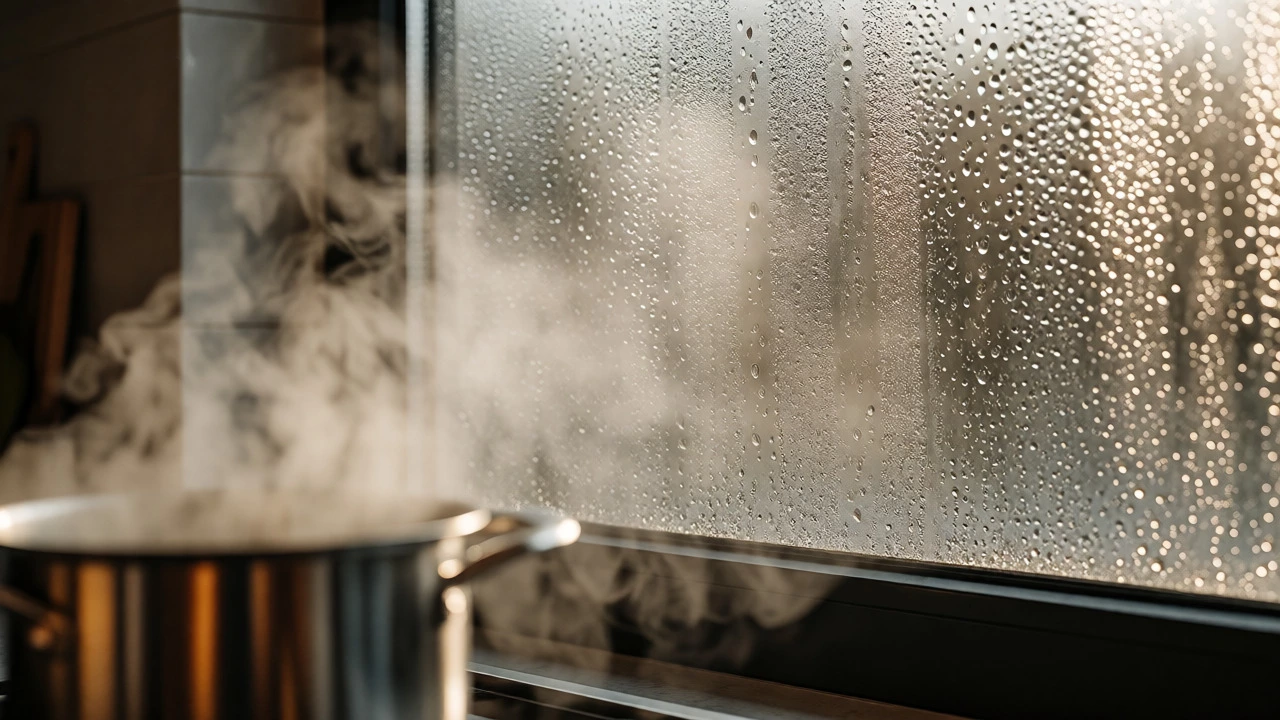
You just finished cooking a massive lasagna. The kitchen smells amazing, but there’s a thick layer of fog on the windows and your glasses are completely steamed up. You think, "I'll just open a window," and you turn off the extractor fan before it has done its job. Or maybe you’re in the shower, the water is scalding hot, and the fan is broken or switched off because it’s too noisy. It feels like a minor inconvenience, right? Wrong. That invisible cloud of steam isn’t just water vapor; it’s a cocktail of grease, bacteria, carbon monoxide, and volatile organic compounds (VOCs) that are actively trying to destroy your home.
Ignoring your extractor fan is a mechanical device designed to remove excess moisture, odors, and pollutants from indoor air by venting them outside isn’t just about bad smells lingering for three days. It’s about structural damage, health risks, and expensive repairs down the line. Let’s look at what actually happens when you skip this crucial step, based on real-world scenarios I’ve seen while fixing units across Dunedin and beyond.
The Silent Killer: Mold and Mildew Growth
Here is the biggest threat: moisture accumulation. When you cook or shower, you release liters of water vapor into the air. If that vapor doesn’t escape through ductwork, it hits cold surfaces-windows, walls, ceilings-and turns back into liquid water. This process is called condensation. In a poorly ventilated room, that dampness becomes a breeding ground for fungi.
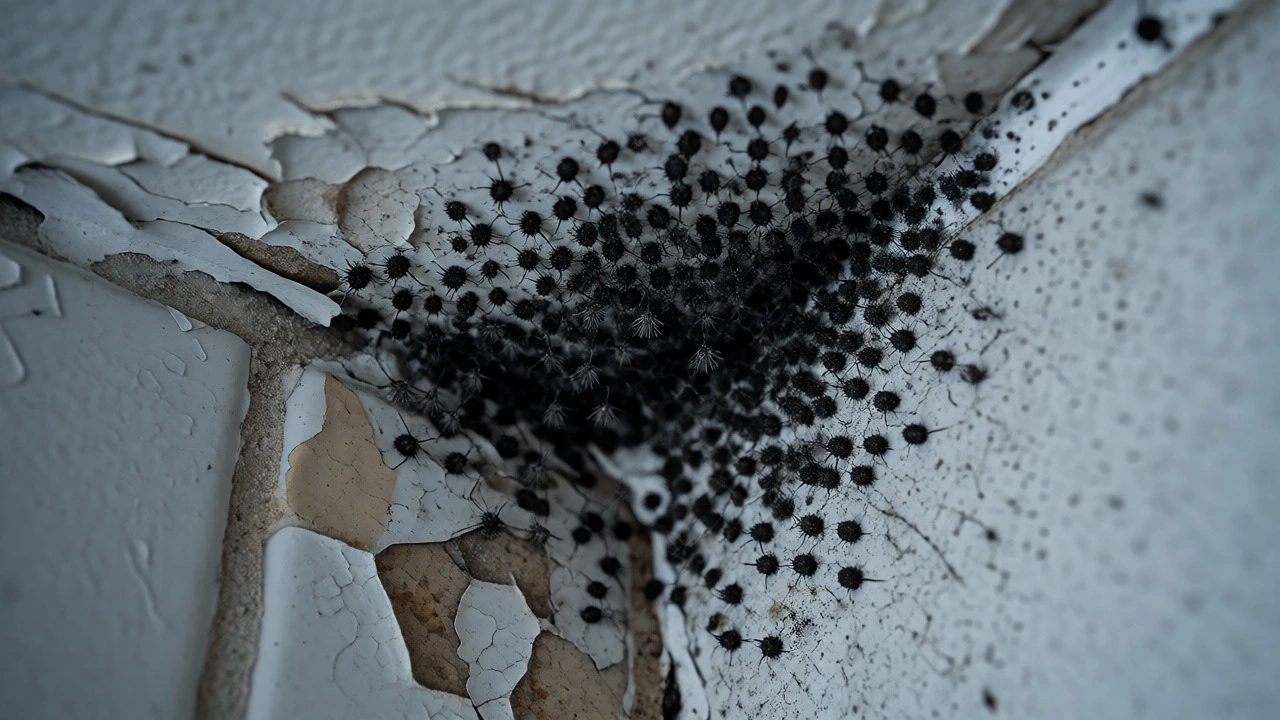
Mold doesn’t just look ugly with those black spots on your grout or ceiling corners. It releases spores into the air that can trigger allergic reactions, asthma attacks, and respiratory issues. I’ve walked into homes where the family complained of constant headaches and sinus congestion, only to find hidden mold growing behind kitchen cabinets because the extractor fan hadn’t been run properly in years. The mold is a type of fungus that thrives in damp, warm environments and reproduces via microscopic spores eats away at drywall, wood trim, and even insulation, leading to costly remediation projects that often exceed the cost of a new fan motor.
| Area | With Working Extractor Fan | Without Extractor Fan |
|---|---|---|
| Kitchen Walls | Dry, clean surface | Greasy film, potential peeling paint |
| Bathroom Ceiling | No visible moisture | Water droplets, mold patches within weeks |
| Air Quality | Neutral odor, low VOCs | Lingering food smells, high humidity |
| Appliance Lifespan | Normal wear and tear | Corrosion on metal parts due to damp |
Grease Buildup and Fire Hazards
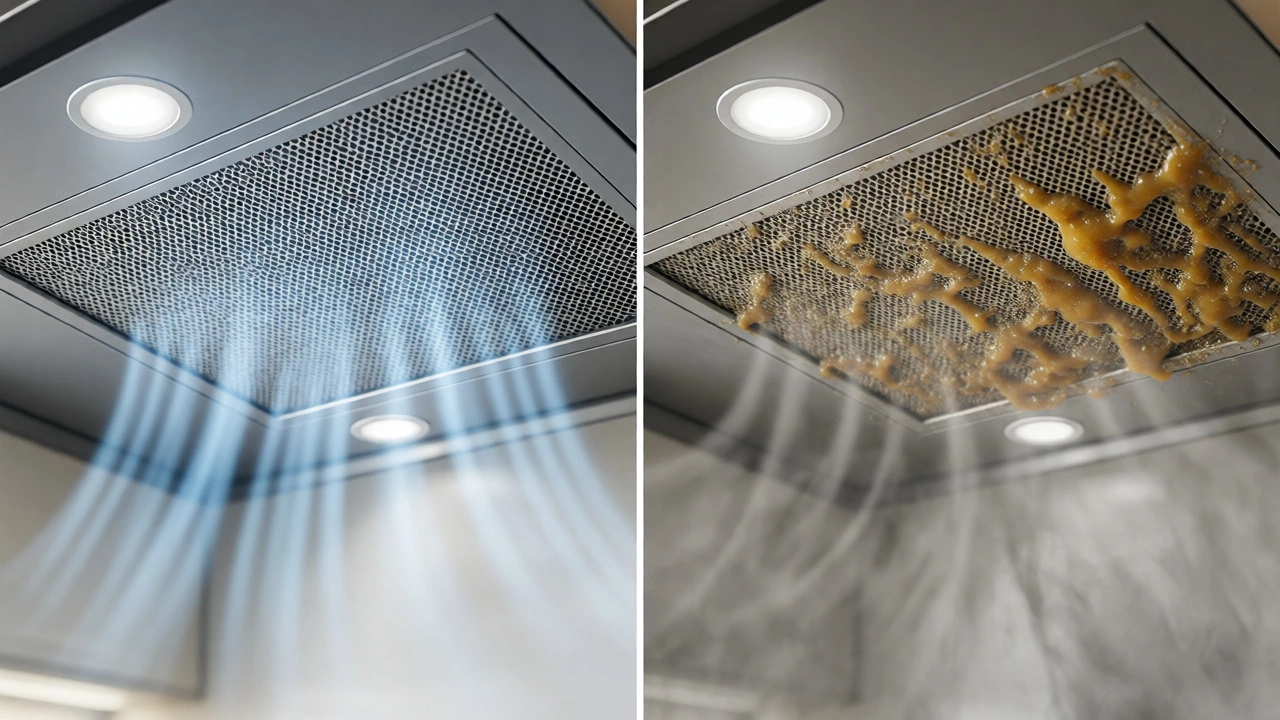
In the kitchen, the problem isn’t just water. It’s grease. Every time you fry eggs or sear steak, tiny particles of oil become airborne. Without a functioning fan pulling these particles into a filter and venting them out, they settle on every horizontal surface. Your range hood filters get clogged, sure, but so do your cupboards, countertops, and light fixtures.
This sticky residue attracts dust and dirt, turning your kitchen surfaces into a grimy mess that is incredibly hard to clean. More importantly, accumulated grease is highly flammable. While modern kitchens have fire suppression systems, old grease buildup around vents and ducts can ignite if exposed to high heat sources for prolonged periods. Cleaning heavy grease deposits from walls and cabinets takes hours of scrubbing with degreasers, whereas running the fan during and for 15 minutes after cooking does most of the work for you.
Pest Infestations Love Damp Kitchens
Did you know that pests are attracted to moisture and food residues? Cockroaches and silverfish thrive in humid environments. A kitchen without proper ventilation provides the perfect ecosystem for these invaders. They don’t just want your crumbs; they need the dampness under sinks and behind appliances to survive.
If you notice small insects appearing near your stove or bathroom drains, check your ventilation first. High humidity levels create microclimates that encourage egg hatching. By keeping the air dry with an effective ventilation system consists of fans, ducts, and vents that exchange indoor air with outdoor air, you make your home less hospitable to these uninvited guests. It’s a simple preventive measure that saves you from calling an exterminator.
Structural Damage to Your Home
Over time, persistent dampness damages the physical structure of your house. Wooden window frames swell and rot. Plasterboard absorbs moisture, loses its integrity, and eventually crumbles. Paint bubbles and peels off walls. These aren’t cosmetic issues; they are structural failures.
In older homes, especially those with timber framing common in New Zealand, untreated condensation can lead to wood decay. Replacing rotted window sills or repairing damaged plaster costs significantly more than installing or maintaining a good quality extractor fan. Furthermore, damp conditions promote rust on metal fixtures, hinges, and appliance components. Your dishwasher might start squeaking, or your cabinet handles might corrode faster than expected.
Health Implications Beyond Allergies
We touched on allergies, but let’s go deeper. Cooking gas stoves release nitrogen dioxide (NO2), carbon monoxide, and formaldehyde. Electric stoves release fewer gases but still generate particulate matter. Without extraction, these pollutants concentrate indoors. Studies show that indoor air pollution can be two to five times higher than outdoor levels.
Chronic exposure to high levels of NO2 is linked to reduced lung function and increased risk of respiratory infections. For children and the elderly, this is particularly concerning. An extractor fan acts as an exhaust port, removing these harmful gases directly from the source. Skipping it means you are essentially marinating in your own cooking fumes all day.
When to Call for Repairs
Sometimes, people don’t use the fan because it doesn’t seem to work. Maybe it’s loud but doesn’t pull air. Maybe it vibrates excessively. Here are signs your unit needs professional attention:
- No airflow: Hold a piece of tissue paper near the vent. If it doesn’t stick, the fan isn’t pulling air.
- Excessive noise: Grinding or rattling sounds often indicate worn bearings or a loose impeller.
- Clogged filters: Grease-filled mesh filters restrict airflow significantly. Clean them monthly.
- Backdrafts: If you smell neighbors’ cooking or cold air coming in, your external flap might be stuck or missing.
Don’t wait until the wall turns black with mold. Regular maintenance and timely extractor fan repair involves diagnosing electrical faults, replacing motors, cleaning ducts, and ensuring proper sealing keep your home healthy and your energy bills lower (since you won’t need to run dehumidifiers constantly).
How long should I run my extractor fan after cooking?
You should run it for at least 15-20 minutes after you finish cooking. This ensures that all residual moisture and smoke particles are fully removed from the room. Many modern fans have a timer feature that keeps them running automatically after you switch off the lights.
Can I just open a window instead of using the fan?
Opening a window helps, but it is not a complete substitute. Windows rely on natural convection, which is slow and weather-dependent. An extractor fan actively pulls polluted air out, creating negative pressure that draws fresh air in through other gaps. In cold weather, opening windows also wastes heating energy, whereas a fan maintains temperature better while exchanging air.
Why does my bathroom mirror still steam up even with the fan on?
This usually indicates the fan is undersized for the room volume or the ducting is blocked/too long. Check if the external vent flap opens freely. Also, ensure the fan is running during the shower, not just after. If the unit is old, the motor may lack sufficient power (CFM rating) to handle the steam output.
Does a dirty extractor fan affect air quality?
Yes, significantly. Clogged filters reduce airflow efficiency by up to 50%. This means moisture stays in the room longer, increasing mold risk. Additionally, grease buildup inside the fan housing can harbor bacteria and emit unpleasant odors when heated.
Is it dangerous to ignore a faulty extractor fan?
While rarely immediately life-threatening, ignoring it leads to chronic health issues like asthma exacerbation and structural damage. In gas-heated homes, poor ventilation can also contribute to carbon monoxide buildup, which is serious. Always prioritize fixing electrical safety issues promptly.