Tumble Dryer Lifespan Estimator
Enter your dryer details to estimate its expected lifespan and get personalized maintenance advice.
Results will appear here after calculation.
You just spent $800 on a new tumble dryer and you’re wondering if it’s going to survive the next five years or die in eighteen months. It’s a fair question. We don’t buy these machines every day, and when one quits, it feels like a betrayal of your laundry routine. The short answer? Most modern tumble dryers last between 7 and 13 years. But that range is huge. Why does one unit in Dunedin last a decade while another down the street needs a heating element replacement twice a year?
The difference isn't luck. It's maintenance, usage habits, and the specific type of machine you bought. As someone who has repaired more dryers than I can count here in New Zealand, I’ve seen patterns emerge. If you want to squeeze every drop of value out of your appliance, you need to understand what actually kills them.
Average Lifespan by Dryer Type
Not all dryers are created equal. The technology inside dictates how long the parts hold up. Here is the realistic breakdown based on current market models and repair data.
| Dryer Type | Average Lifespan | Common Failure Points | Maintenance Level |
|---|---|---|---|
| Vented (Standard) | 10-13 Years | Belt wear, heating element burnout, motor strain | Low (Clean lint filter only) |
| Condenser | 8-11 Years | Pump blockages, sensor errors, condenser clogging | Medium (Clean pump & condenser) |
| Heat Pump | 10-15 Years | Filter clogs, evaporator freezing, complex board faults | High (Daily filter + weekly deep clean) |
| Washer-Dryer Combo | 6-9 Years | Drum bearings, water leaks, dual-system stress | Very High (Two systems to maintain) |
Vented dryers are the workhorses. They are simple: hot air goes in, wet air goes out through a hose. Because there are fewer moving parts and no complex water recycling system, they tend to last the longest if you keep the vent clear. However, they are energy hogs.
Heat pump dryers are the current trend for good reason-they use half the electricity of a standard model. But this efficiency comes with complexity. They have an evaporator and a condenser that must stay perfectly clean. If you ignore the fine lint filters (yes, heat pumps have multiple), the machine works harder, overheats, and wears out faster. In my experience, neglecting the bottom filter is the number one killer of heat pump units.
Washer-dryer combos are convenient but fragile. You are asking one drum to handle heavy washing agitation and high-heat drying cycles. This puts immense stress on the drum bearings and seals. These rarely hit the 10-year mark without major repairs.
The Real Killers: What Shortens Dryer Life
It’s not usually old age that breaks a dryer. It’s abuse. Here are the specific habits that shave years off your machine’s life.
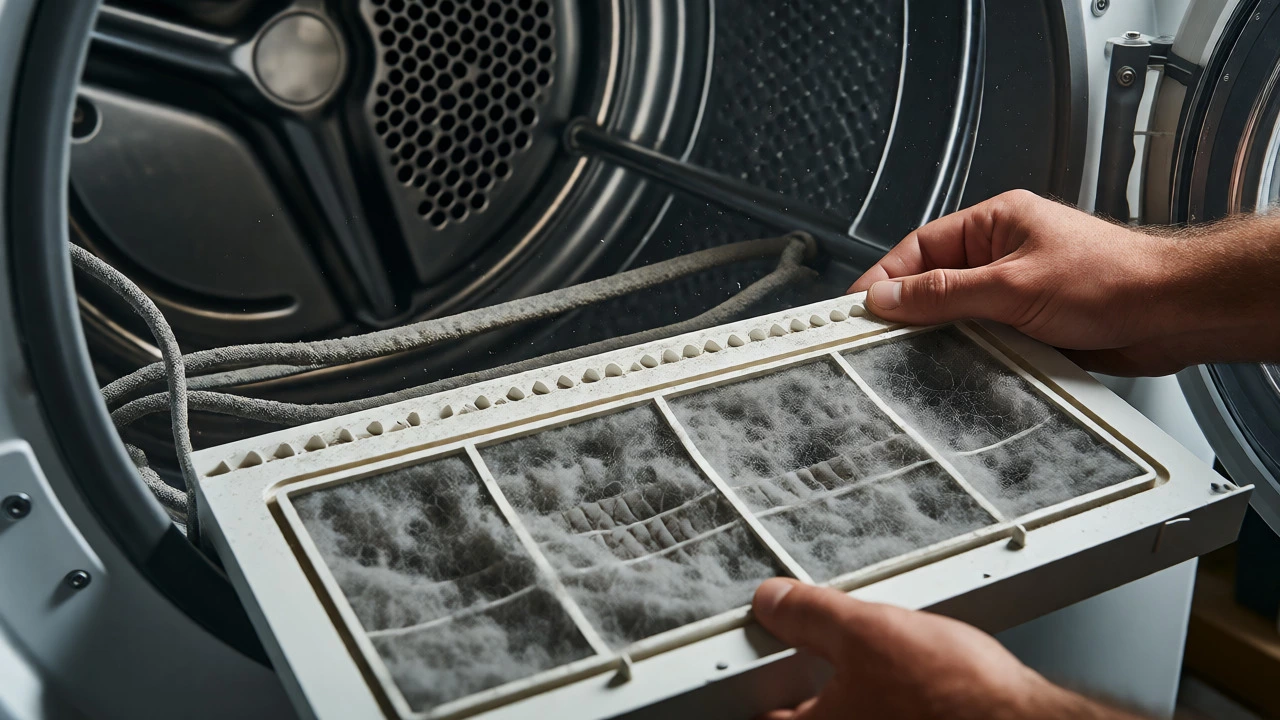
- Ignoring the Lint Filter: This sounds obvious, but people skip it. A clogged filter restricts airflow. The heating element gets too hot because the air isn't moving past it quickly enough. This leads to premature element failure or even fire risks. Clean it every single load. No exceptions.
- Overloading the Drum: Stuffing the dryer full looks efficient, but it’s terrible for the machine. Clothes need space to tumble so air can circulate. Overloading strains the motor and stretches the drive belt. If you have to push clothes in to close the door, you’ve put too much in.
- Running Empty Loads: Some people run a dryer for 10 minutes just to warm towels. This wastes energy and causes unnecessary friction on the drum rollers and glides without the cushioning effect of wet fabric.
- Clogged Vents (Vented Models): If you have a vented dryer, check the external flap and the internal ducting annually. A blocked vent forces the machine to run longer cycles to achieve the same dryness, doubling the wear on components.
- Using Fabric Softener Sheets Incorrectly: Residue from sheets can coat the moisture sensors in higher-end models. When sensors get coated, they misread dampness, causing the dryer to over-dry clothes. Over-drying damages fabrics and stresses the heating elements.
Signs Your Dryer Is Nearing the End
How do you know if your machine is just tired or if it’s about to quit? Watch for these symptoms. If you see two or more, start budgeting for a replacement.
The "Squeal" or "Thump": A rhythmic thumping often means the drum rollers or glides are worn out. A high-pitched squeal usually points to a failing idler pulley or motor bearing. These are cheap fixes now, but if ignored, they can damage the drum itself, which is expensive.
Inconsistent Heating: If clothes come out damp after a full cycle, or if the dryer heats up then stops after 10 minutes, the thermostat or thermal fuse is struggling. Replacing these is easy, but if it happens repeatedly, the control board might be failing.
Excessive Noise During Spin: All dryers make noise, but grinding or metal-on-metal sounds indicate bearing failure. On front-loaders, this is a major repair involving splitting the cabinet. On top-loaders, it’s often the rear drum support.
Water Leaks (Condenser/Heat Pump): If you find water pooling under the machine, check the pump filter first. If the pump is clear but water still leaks, the internal hoses may have cracked due to age and heat exposure. This is a common end-of-life symptom for condenser units.
How to Extend Your Tumble Dryer’s Life
You can easily add 3-5 years to your dryer’s lifespan with minimal effort. Here is the routine I recommend to my clients.
- Clean the Lint Filter Every Load: Rub the mesh screen with your finger. If it feels waxy, wash it with hot soapy water once a month to remove fabric softener buildup.
- Check the Vent Hose Annually: For vented models, pull the machine away from the wall. Inspect the flexible foil or plastic hose. Replace it if it’s crushed, kinked, or torn. Use rigid metal ducting if possible-it lasts longer and resists lint buildup better.
- Clean the Condenser Unit (Monthly): For condenser and heat pump models, remove the condenser block (usually at the bottom) and rinse it under the tap. Let it dry completely before reinstalling. This prevents the compressor from working overtime.
- Leave the Door Open Between Uses: This seems counterintuitive, but closing the door traps humidity inside the drum. This moisture promotes mold growth on the rubber seals and can corrode internal metal parts over time. Leave the door ajar to let the interior air out.
- Balance the Load: Mix heavy items (towels) with lighter ones. An unbalanced load causes the drum to bang against the sides, wearing out shock absorbers and springs prematurely.
Repair vs. Replace: The Decision Matrix
So, your dryer broke. Should you fix it or buy a new one? Use this simple rule of thumb.
If the repair cost is less than 50% of the price of a comparable new machine, repair it. If the dryer is older than 10 years and the repair involves the motor, drum, or main control board, replace it. Parts for older models become scarce, and labor costs rise as technicians struggle to disassemble rusted or obsolete units.
For example, replacing a heating element ($150-$250 NZD) on a 5-year-old dryer is worth it. Replacing a transmission or sealed drum assembly ($400+) on a 12-year-old vented dryer is usually throwing money away. Newer models also offer significant energy savings, which can offset the purchase price over time.
Environmental Impact and Disposal
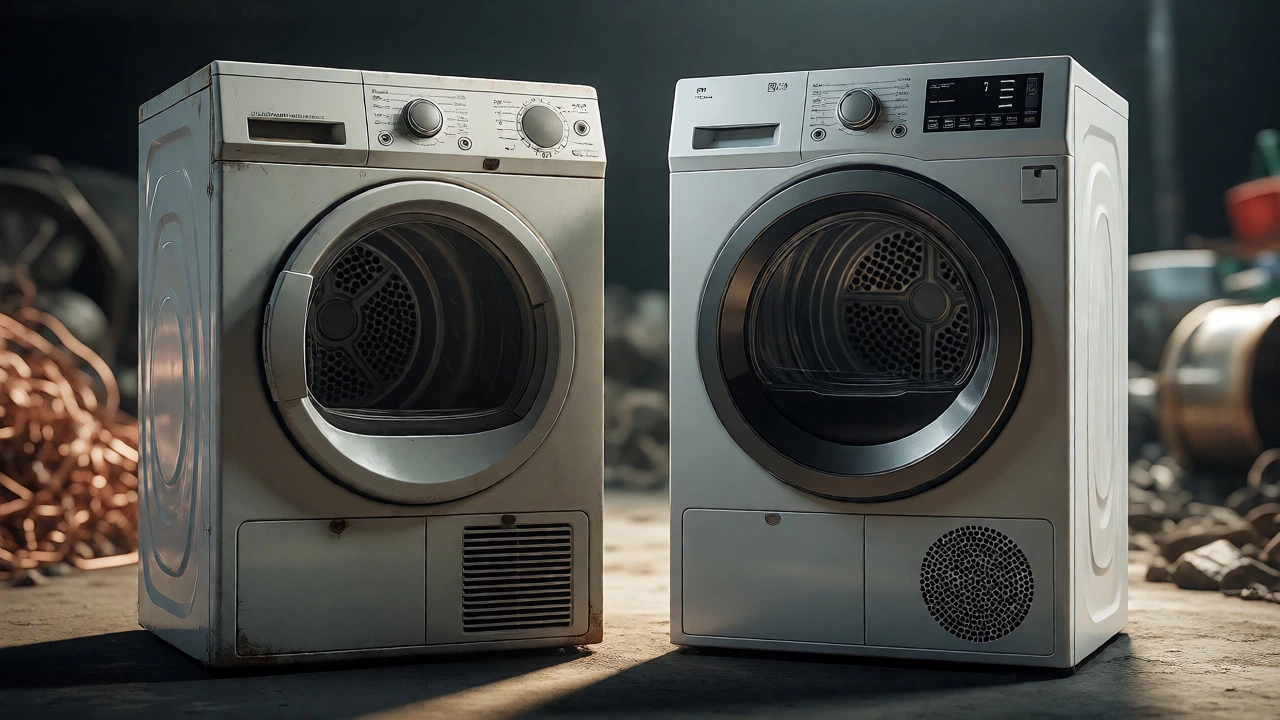
When your dryer finally reaches its end, don’t just dump it at the tip. Tumble dryers contain copper wiring, steel drums, and electronic boards that are valuable recyclables. In New Zealand, many retailers offer take-back services when you buy a new appliance. Check with Harvey Norman, Noel Leeming, or local independent retailers. Proper disposal ensures hazardous materials (like capacitors) are handled correctly and metals are recycled.
Do heat pump dryers really last longer than vented dryers?
Generally, yes, if maintained properly. Heat pump dryers operate at lower temperatures, which reduces thermal stress on clothes and internal components. However, their complexity means they require stricter cleaning routines. A neglected heat pump will fail sooner than a well-maintained vented dryer.
How often should I service my tumble dryer?
You don’t need professional servicing annually. Focus on DIY maintenance: clean the lint filter every load, clean the condenser monthly (for condenser/heat pump types), and inspect vents yearly. Professional servicing is only needed if you notice performance issues or unusual noises.
Is it worth repairing a 10-year-old tumble dryer?
It depends on the fault. Simple fixes like belts, rollers, or heating elements are worth doing. Major failures like motor or control board issues are usually not worth repairing on a 10-year-old unit, especially given the energy efficiency improvements in newer models.
Why does my dryer smell like burning?
A burning smell usually indicates lint buildup around the heating element or a slipping drive belt. Stop using the dryer immediately, unplug it, and check the lint filter and exhaust path. If the smell persists after cleaning, call a technician to check the electrical components.
Can I extend the life of my dryer by using shorter cycles?
Yes, but only if you clean the lint filter thoroughly. Shorter cycles reduce total runtime hours, which lowers wear on motors and belts. However, running frequent short cycles without proper cleaning can lead to moisture buildup and mold, which harms the machine long-term.