Water Heater Anode Rod: What It Does, When It Fails, and How to Fix It
When your water heater starts leaking or runs out of hot water too soon, the real culprit might not be the tank itself—it could be the water heater anode rod, a sacrificial metal rod inside the tank that stops corrosion by attracting rust to itself instead of the steel lining. Also known as a sacrificial anode, it’s one of the most overlooked parts in your home, yet it’s the reason your heater lasts 10 years instead of 3. Most people don’t even know it exists until their tank rusts through and floods the basement.
Think of the anode rod, a metal rod made of magnesium, aluminum, or zinc that slowly dissolves over time to protect the steel tank like a bodyguard. It takes the hit so the tank doesn’t have to. Every time you heat water, minerals and oxygen in the water attack the tank’s lining—but the anode rod draws that damage to itself. Once it’s eaten away, the tank starts rusting from the inside out. That’s why water heaters with no anode rod replacement often fail in under five years, even if they’re brand new. The sediment buildup, layer of minerals and debris that settles at the bottom of the tank makes it worse. It traps water against the tank walls, speeding up corrosion and making the anode rod work harder than it should.
Replacing the anode rod isn’t hard, but most homeowners skip it because they don’t know it’s needed. If your water smells like rotten eggs, your tank is leaking near the bottom, or your heater is over six years old and you’ve never checked the rod, it’s probably gone. A simple inspection takes 20 minutes with a socket wrench. You can buy a new one for under $50—far cheaper than replacing the whole heater, which costs hundreds. And if you live in an area with hard water, you’ll need to check it every two to three years. Soft water? Maybe every five. The water heater maintenance, routine checks that include flushing the tank and inspecting the anode rod isn’t glamorous, but it’s the only thing standing between you and a flooded laundry room.
What you’ll find below are real-world stories and fixes from people who learned the hard way. Some tried ignoring the warning signs. Others replaced the rod on time—and got 15 years out of a heater that should’ve died at 8. There’s no magic here. Just facts, simple steps, and the one part most repair techs wish homeowners checked before calling them.
Nov 11, 2025
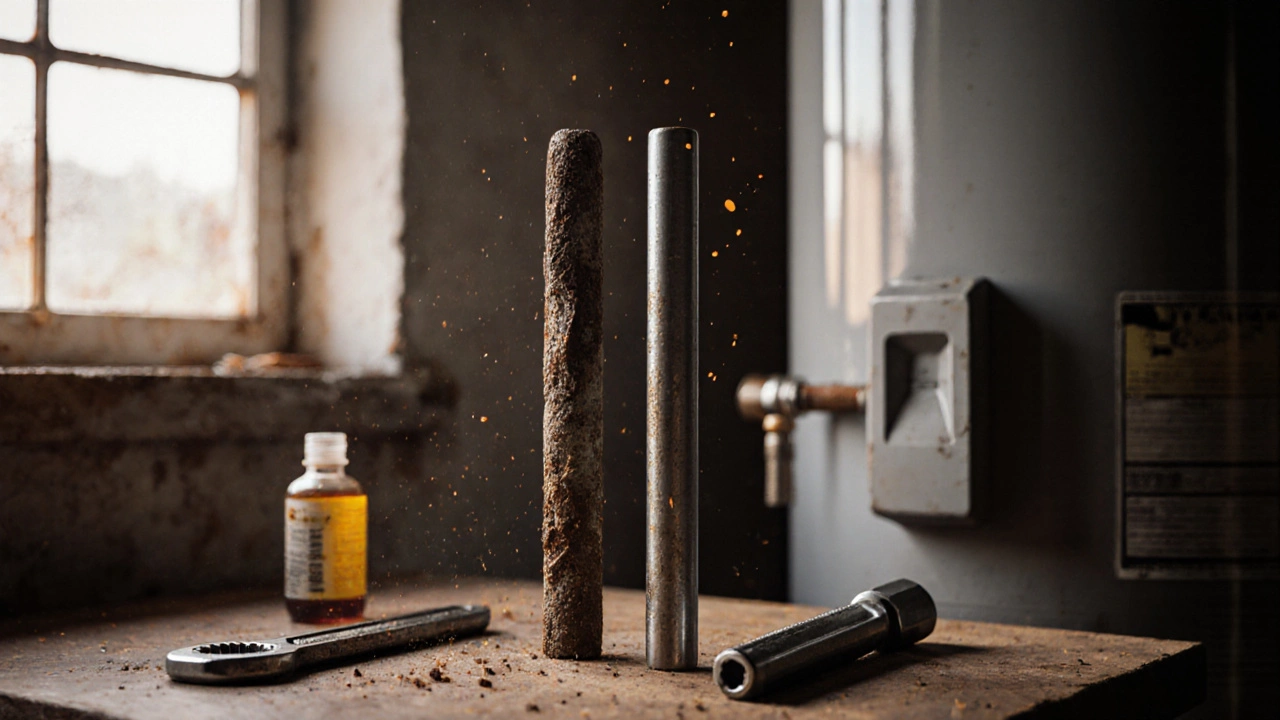
How Much Does It Cost to Replace the Anode Rod in a Water Heater?
0 Comments
Replacing your water heater's anode rod costs $150-$400 and can extend your heater’s life by years. Learn when to replace it, how to choose the right rod, and why skipping it risks costly damage.
Read More