No Extractor Fan? What It Means and How to Fix It
When a room has no extractor fan, a mechanical ventilation system designed to remove steam, smoke, and odors from kitchens and bathrooms. Also known as range hood, it's not just a convenience—it's a safety feature required by building regulations in most UK homes. Without one, moisture builds up fast. Condensation drips down walls, mold grows behind cabinets, and the air feels thick and stale. It’s not just about comfort—it’s about preventing structural damage that can cost thousands to fix.
Many people think a window you can open is enough. But opening a window doesn’t pull air out the way a fan does. It just lets air move around. In a small bathroom or busy kitchen, that’s not enough. You need something that actively removes humid air, especially after showers or cooking. That’s where extractor fan installation, the process of fitting a ventilation unit to remove airborne moisture and contaminants comes in. And here’s the thing: it’s not a job for just anyone. extractor fan tradesperson, a qualified professional who installs or repairs ventilation systems in homes is usually an electrician. Why? Because the fan needs wiring, and it often connects to a circuit that must meet electrical safety codes. Plumbers won’t touch it. Handymen without certification risk unsafe installs.
If you’re dealing with extractor fan replacement, the process of removing an old or broken fan and installing a new one to restore proper ventilation, you’re not just fixing a broken appliance—you’re protecting your home’s health. Older fans wear out. Bearings seize. Motors burn out. And if yours stopped working years ago and you never replaced it, you’re already behind. The signs are easy to spot: foggy mirrors after a shower, peeling paint near the ceiling, or a musty smell that won’t go away. These aren’t normal. They’re warnings.
And if you’re wondering whether you need a new fan or just a clean one—sometimes it’s both. Dust and grease clog the blades and filters. A simple clean might bring it back to life. But if the motor’s noisy, the switch is flickering, or the fan won’t turn on at all, replacement is the only safe option. Don’t wait until the ceiling starts to sag. A new kitchen extractor fan, a ventilation unit specifically designed for use above stoves and cooktops to remove cooking fumes and grease costs less than a month’s utility bill in potential energy waste from damp walls. And it’s a fix that lasts.
Below, you’ll find real-world guides on how these systems work, who should install them, how long they last, and what to do when they fail. No fluff. Just clear answers from people who’ve seen the damage firsthand.
Dec 8, 2025
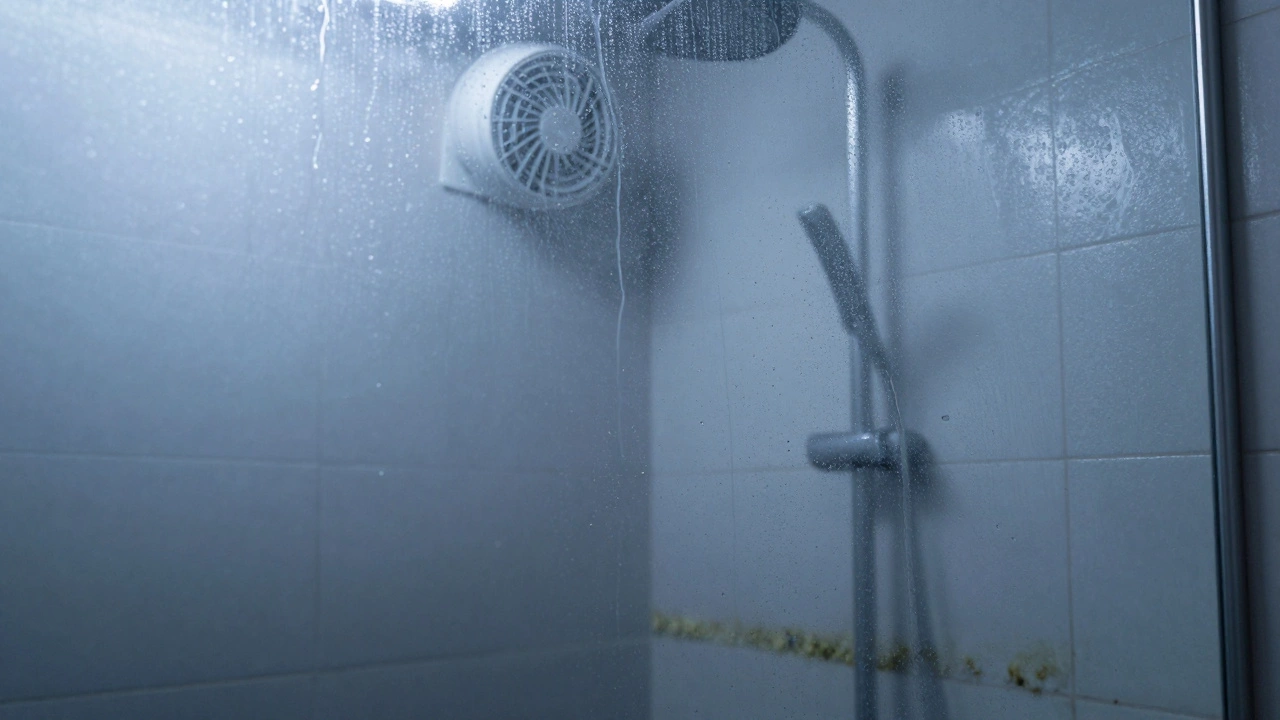
Is It OK Not to Have an Extractor Fan? What You Need to Know
0 Comments
Skipping an extractor fan might seem harmless, but moisture buildup leads to mold, damaged walls, and health risks. Learn why you need one-and what to do if you don’t have it.
Read More