Mold Prevention: How to Stop Mold Before It Starts in Your Home
When you see mold, a type of fungus that thrives in damp, dark places and can damage surfaces and affect health. Also known as fungal growth, it doesn’t just appear out of nowhere—it’s usually the result of hidden moisture problems in your home. Mold isn’t just ugly. It can trigger allergies, worsen asthma, and eat away at walls, floors, and even your appliances. The good news? Most mold is preventable if you know where to look and what to fix.
Mold grows where water sits too long. That means leaks from your washing machine, a home appliance that uses water and can develop hidden leaks behind or underneath it, a faulty dishwasher, a kitchen appliance that cycles hot water and steam, often leaving moisture trapped in seals or drains, or even a poorly vented extractor fan, a device designed to remove steam and moisture from bathrooms and kitchens. If your fridge’s drip pan is clogged, your boiler’s condensate pipe is blocked, or your water heater’s pressure relief valve drips, you’re giving mold a free pass. These aren’t minor issues—they’re mold factories waiting to happen.
It’s not just about fixing leaks. Humidity is the silent partner in mold growth. If your bathroom stays steamy after showers, your basement feels clammy, or your kitchen window fogs up every morning, you’re creating the perfect environment. Mold doesn’t need a flood—it just needs 24 to 48 hours of dampness. That’s why cleaning your appliance seals, checking for condensation on pipes, and running extractor fans longer after cooking or bathing make a real difference. You don’t need expensive gadgets. A dehumidifier, a good ventilation habit, and regular checks on your appliances can stop mold before it becomes a problem.
Most people wait until they see black spots to act. By then, it’s already spread. The smart move is to stay ahead. Look under your washing machine, behind the fridge, near the water heater, and around the base of your dishwasher. These are the spots no one checks. If you’ve had a leak in the past—even a small one—mold spores could still be hiding. Wiping down surfaces after use, keeping air moving, and fixing appliance issues fast are the real keys to mold prevention.
Below, you’ll find real-world guides from people who’ve dealt with this exact problem. From how to spot a leaking dishwasher before it ruins your floor, to why your boiler’s condensate pipe might be causing mold in your basement, these posts give you the facts—not guesswork. You’ll learn how appliance maintenance ties directly to a dry, healthy home. No fluff. Just what works.
Dec 8, 2025
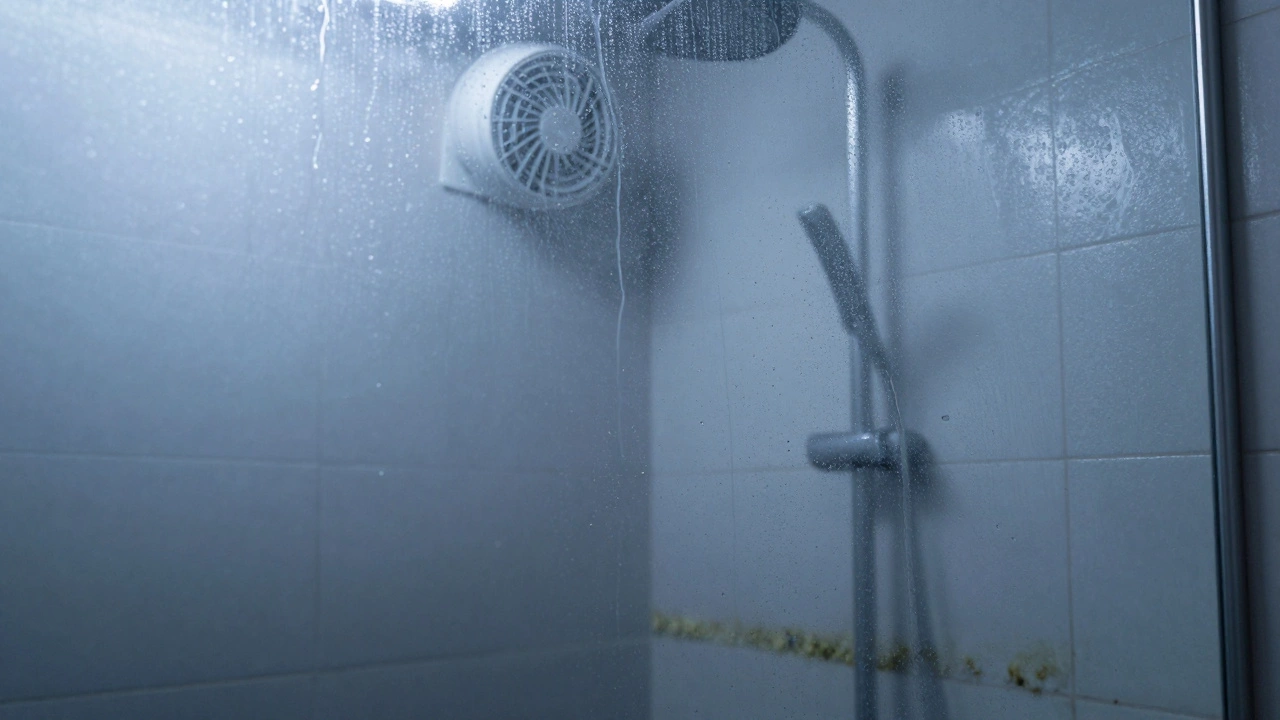
Is It OK Not to Have an Extractor Fan? What You Need to Know
0 Comments
Skipping an extractor fan might seem harmless, but moisture buildup leads to mold, damaged walls, and health risks. Learn why you need one-and what to do if you don’t have it.
Read More