Mechanical Failure: How It Impacts Your Home Appliances
When dealing with mechanical failure, the breakdown of moving parts that stop an appliance from working properly. Also known as component malfunction, it can turn a perfectly fine kitchen or laundry room into a source of frustration fast.
Appliance repair, the service of fixing or restoring household machines to full function. Also called appliance servicing, it directly addresses mechanical failure by replacing worn gears, fixing broken hinges, or re‑aligning motor shafts. When you call a pro, they’ll first perform a visual inspection, then run a series of tests to pinpoint the exact faulty component.
Key Factors Behind Mechanical Failures
Most mechanical failures share three common roots: age‑related wear, improper use, and lack of routine maintenance. Older appliances often have seals that harden or bearings that lose lubrication after years of cycles. If you overload a washing machine or slam a dishwasher door, you add stress that can bend or snap internal parts. Skipping regular cleaning of filters and coils means dust builds up, causing motors to overheat and seize.
Diagnostic tools, specialized equipment like multimeters, pressure gauges, and vibration analyzers used to identify the source of a fault. Also referred to as troubleshooting instruments, they let technicians confirm whether a motor, pump, or sensor is at fault before any parts are swapped. Using a multimeter to check resistance values, for example, can reveal a burnt heating element that’s causing an oven’s mechanical failure.
When a problematic part is found, the next step involves replacement parts, new components that match the original specifications and restore functionality. These can be anything from a dishwasher pump impeller to an oven’s control board. Choosing OEM (original equipment manufacturer) pieces ensures compatibility and durability, while generic alternatives may save money but risk premature re‑failure.
Keeping an appliance in good shape reduces the odds of a sudden breakdown. Simple maintenance, regular tasks like cleaning, lubricating, and checking for wear. Also known as preventive care, it involves wiping condenser coils on a fridge monthly, descaling a water heater annually, and inspecting hose connections on a washing machine for leaks. A brief 15‑minute check each season can catch early signs of wear before they turn into costly mechanical failures.
Putting these ideas together creates a clear workflow: mechanical failure signals a problem, diagnostic tools help locate it, replacement parts fix it, and ongoing maintenance prevents recurrence. That chain of cause, detection, repair, and upkeep is exactly what our collection of guides below walks you through. Whether you’re hunting for a step‑by‑step oven heating element fix, a quick way to reset a freezer compressor, or tips on deciding when to replace a 7‑year‑old fridge, you’ll find practical advice tailored to each stage of the process.
Ready to dive deeper? The articles that follow break down the most common appliance breakdowns, show you how to use the right tools, and explain when a simple repair makes sense versus when it’s time for a new unit. Let’s get your home running smoothly again.
Oct 15, 2025
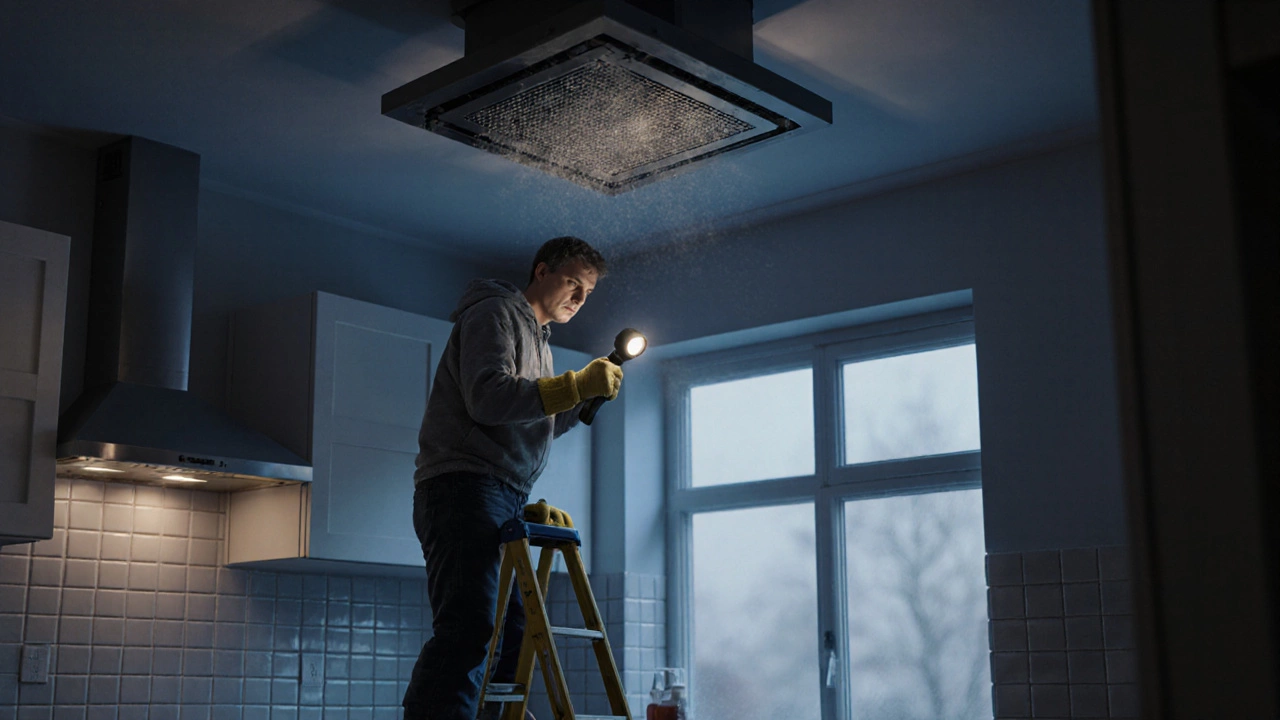
Why Your Extractor Fan Stops Working - Common Causes & Fixes
0 Comments
Discover the most common reasons an extractor fan stops working, step‑by‑step troubleshooting tips, maintenance advice, and when to call a professional.
Read More