Heat Pump Malfunction – What Triggers It and How to Fix It
When dealing with Heat Pump Malfunction, a failure that stops the unit from heating or cooling properly. Also known as heat pump breakdown, it often signals deeper issues within the heat pump, the system that moves heat between indoors and outdoors. A common cause is Refrigerant Leak, loss of the cooling fluid that reduces heat transfer, which directly influences performance. heat pump malfunction also encompasses Compressor Failure, the motor that pressurizes refrigerant stops working and Thermostat Issues, incorrect temperature signals that prevent proper cycling. Understanding these relationships helps you pinpoint the right fix without random guesswork.
Common Causes and Quick Checks
First, confirm whether the unit is actually running. A silent system often points to power or control problems. Check the breaker and thermostat settings; simple misconfigurations can masquerade as major faults. Next, listen for unusual noises—grinding or hissing usually means the compressor or refrigerant lines are struggling. Feel the outdoor coils; ice buildup signals a refrigerant issue or low airflow. If you notice reduced airflow, inspect the filters and fan blades; clogged filters are a low‑cost culprit that mimics a severe malfunction. These quick visual and tactile checks require only a flashlight and a screwdriver, yet they eliminate many false alarms before you call in help.
When the simple checks don’t solve the problem, deeper diagnostics are needed. A qualified HVAC technician will use pressure gauges to measure refrigerant levels, confirming whether a leak exists. They’ll also test the compressor’s electrical winding with a multimeter, ensuring it still draws the correct current. If the thermostat is digital, the tech can run a diagnostic mode to verify sensor accuracy. These steps require specialized tools and safety knowledge, especially because refrigerant handling is regulated. Attempting DIY repairs on the compressor or refrigerant lines can void warranties and cause injuries, so knowing when to step back is as important as knowing how to troubleshoot.
Finally, consider the long‑term health of your system. Regular maintenance—cleaning coils, checking refrigerant charge, and lubricating moving parts—prevents many malfunctions before they start. If your heat pump is older than 10 years, weigh the cost of recurring repairs against a replacement that offers higher efficiency and newer technology. Professional service contracts often include priority scheduling and discounted parts, making them a smart investment for busy households. Whatever route you choose, the key is to act early; a small issue left unchecked can snowball into a costly breakdown.
Armed with this background, you’re ready to dive into the detailed guides below. They cover everything from spotting a refrigerant leak to deciding whether a full system overhaul makes sense. Browse the collection to find step‑by‑step advice, cost breakdowns, and safety tips that match your situation.
Oct 12, 2025
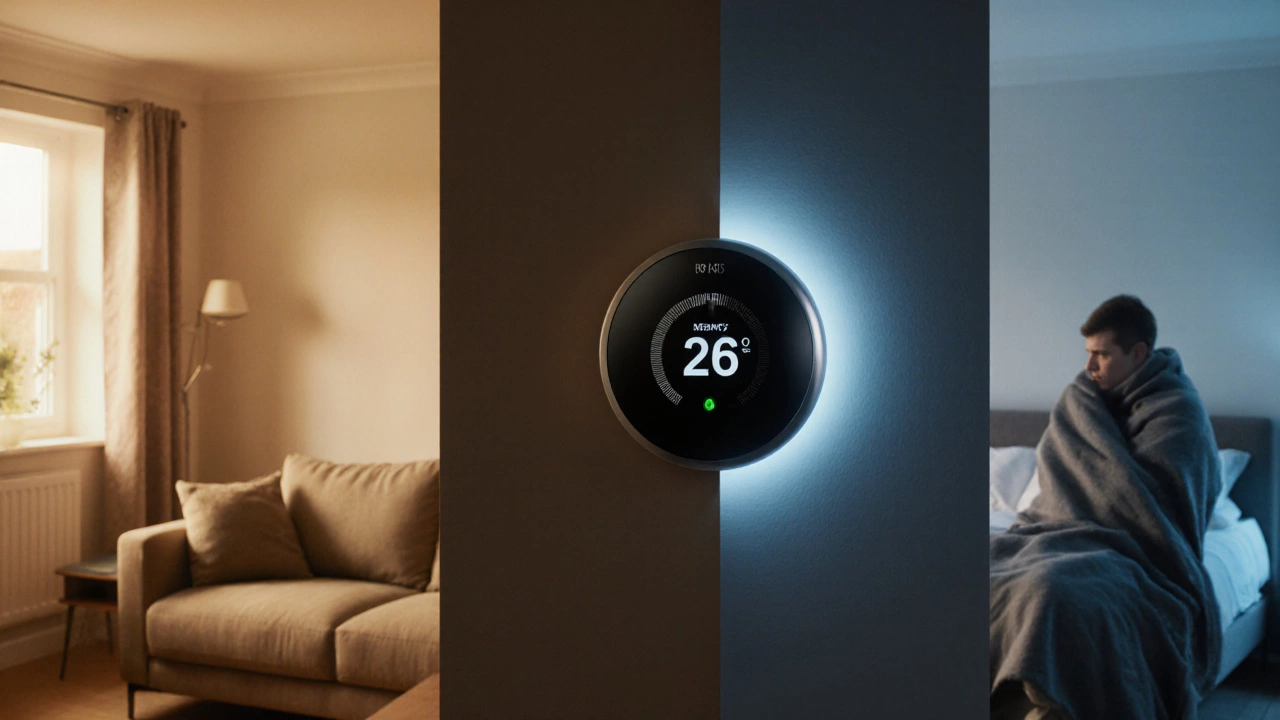
How to Spot a Heat Pump Malfunction - Simple DIY Checks
0 Comments
Learn how to spot a heat pump malfunction with clear signs, DIY diagnostics, and maintenance tips to keep your home comfortable.
Read More