Fan Stops Working – What’s Going Wrong and How to Fix It
When dealing with Fan Stops Working, it means a fan in a kitchen, bathroom, or appliance has halted, often because of motor failure, wiring issues, or a broken control board. Also known as fan failure, this problem can make cooking smells linger, reduce airflow, and raise humidity.
One of the most frequent culprits is an Extractor fan, the unit above a stove that pulls steam and odors out of the cooking area. When the extractor fan stops, the kitchen feels soggy and smells linger, signalling a motor burnout or a blocked duct. Another key player is the Ventilation fan, a broader term for any fan that circulates fresh air in a home, often installed in bathrooms or utility rooms. Both fans share similar failure modes, yet each serves a distinct role in home ventilation.
Understanding the relationship between these fans helps you diagnose faster. Fan stops working often points to a broken motor, which is an electrical component that converts power into motion. A motor that overheats will shut down to protect itself, meaning the fan seems dead even though the wiring is fine. Checking the motor’s continuity with a multimeter is a quick test before you decide to replace the whole unit.
Why an Appliance Repair Specialist Matters
When DIY checks don’t clear the issue, an Appliance repair specialist, a trained professional who diagnoses and fixes faulty home appliances becomes essential. These experts know how to safely test high‑voltage components, replace fan motors, and clean clogged ducts without causing damage. Their expertise bridges the gap between simple fixes and complex electrical work.
Another semantic link is that a well‑functioning fan supports home ventilation, the process of exchanging indoor air with fresh outdoor air to maintain air quality and temperature. When a fan stops, indoor air quality drops, leading to mold growth or lingering odors. Restoring the fan therefore improves overall comfort and health.
Before you pull the plug, ask yourself these questions: Is the fan making any noise at all? Does the switch feel loose? Have you noticed a burnt smell? Answering these helps you decide whether the problem lies in the power supply, the motor, or the control board.
For motor issues, the first step is to power off the unit and inspect the fan blades for obstruction. Food particles, grease, or dust can jam the blades, causing the motor to stall. A quick clean with a soft brush often revives the fan. If the blades spin freely but the fan still won’t run, test the motor with a multimeter for continuity. No continuity means the motor is dead and needs replacement.
When the motor checks out, the next suspect is the fan’s wiring or the control switch. Loose wires or corroded contacts can interrupt the circuit. Look for discolored or frayed wires, and tighten any loose terminals. A simple swap of the switch with a new one can solve the problem if the switch is the weak link.
If both motor and wiring are solid, the control board may be at fault. Modern extractor fans often use a PCB to manage speed settings and safety features. Signs of a faulty board include random on/off behavior or complete silence despite a functional motor. Replacing the board is usually a job for an appliance repair specialist, as it involves handling delicate components.
Don’t forget to check the fan’s ductwork. A clogged vent can cause the fan to overheat and shut down. Pull the duct away from the fan, clear any blockages, and ensure the vent points outside. Proper airflow not only prevents future shutdowns but also maximizes the fan’s efficiency.
In many households, the fan is part of a larger ventilation system that includes multiple fans and vents. Understanding how each component interacts helps you keep the whole system running smoothly. For example, a bathroom fan that stops can increase humidity, fostering mold that eventually spreads to nearby rooms.
Regular maintenance is the best defense against a fan that stops working. Schedule a quick cleaning every few months, check for loose screws, and listen for odd noises that signal wear. Early detection can save you from costly replacements and keep your home breathing easy.
Whether you’re tackling a simple blockage or need a professional’s hand, knowing the common causes of a fan that stops working empowers you to act quickly. Below you’ll find a curated collection of guides that dive deeper into specific fan issues, DIY repair steps, and when to call an expert. Use these resources to get your fan humming again and restore fresh airflow throughout your home.
Oct 15, 2025
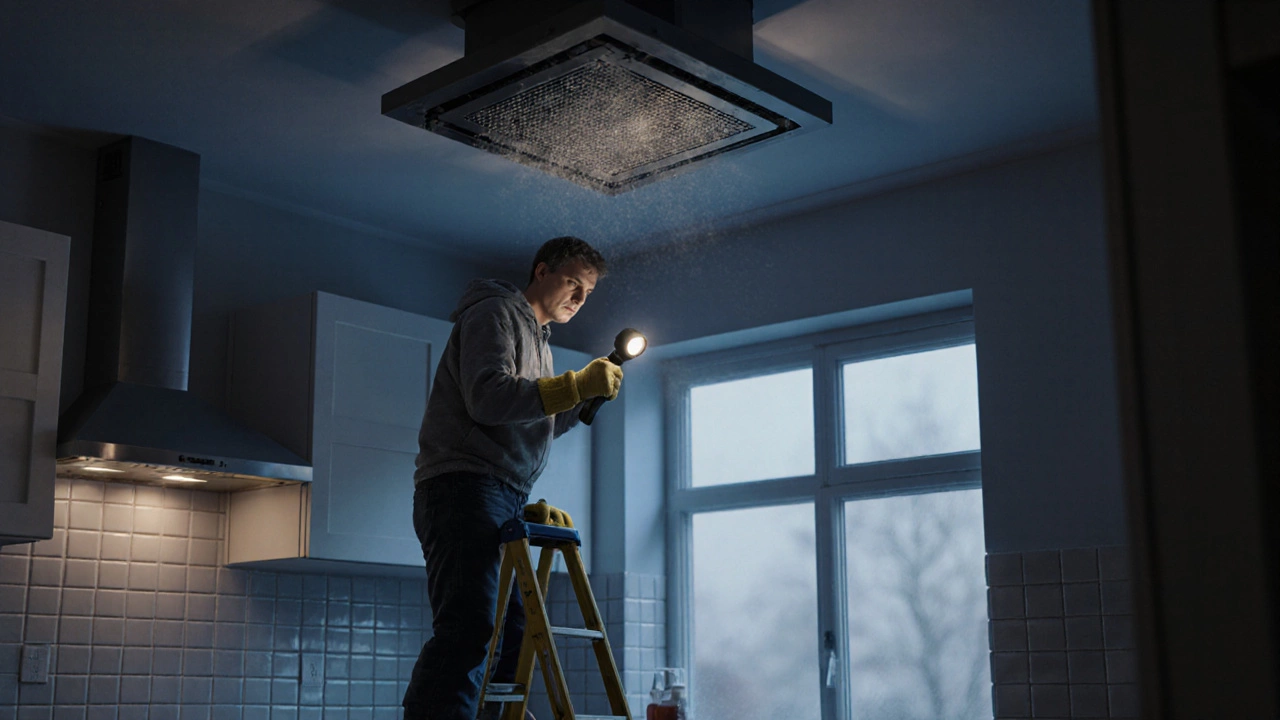
Why Your Extractor Fan Stops Working - Common Causes & Fixes
0 Comments
Discover the most common reasons an extractor fan stops working, step‑by‑step troubleshooting tips, maintenance advice, and when to call a professional.
Read More