Electric Stove Repair: What You Need to Know
When dealing with electric stove repair, the process of diagnosing and fixing a malfunctioning electric cooktop or range. Also known as electric range repair, it covers everything from a dead burner to a flickering control panel. Electric stove repair isn’t just about swapping parts; it’s about understanding how heat, electricity, and safety systems work together in your kitchen.
Key Parts That Shape an Electric Stove
The heart of any stove is its heating element, a metal coil or ceramic plate that converts electrical energy into heat for cooking. When an element burns out, the stove can’t heat, which is the most common complaint we hear. A broken element requires replacement, and the job is usually straightforward if you have the right screwdriver and a new part that matches the model.
Next up is the thermostat, the sensor that monitors temperature and tells the stove when to turn the heating element on or off. A faulty thermostat can cause overheating, uneven cooking, or a stove that won’t stay on. Fixing it often means testing with a multimeter and swapping it out if the resistance values are off.
Finally, the control board, the electronic circuit that receives inputs from the knobs or touchpad and powers the heating elements accordingly acts like the brain of the appliance. When the board fails, you might see error codes or a completely dead stove. Repairing or replacing a control board requires careful handling of high voltage and often benefits from a professional’s expertise.
These three components—heating element, thermostat, and control board—form a linked chain: a bad heating element prevents heat, a misreading thermostat misguides the control board, and a faulty board ignores both. Understanding this chain helps you pinpoint the exact part that’s causing trouble.
Who usually faces these issues? Home cooks who rely on daily cooking, renters who can’t replace the whole unit, and landlords aiming to keep properties market‑ready. Most problems show up as burners that won’t light, uneven heat distribution, or error flashes on digital displays. If you’re comfortable with basic tools and safety gear, swapping a heating element or thermostat can save you a callout fee. However, control board work involves delicate circuitry and safety risks, so many people choose a certified technician.
Safety is non‑negotiable. Always unplug the stove or turn off the circuit breaker before opening it up. Use insulated tools, verify no voltage with a tester, and never replace a part that isn’t an exact match for your model. When in doubt, a professional can perform a quick diagnostic, confirm the faulty component, and ensure the repair meets UK electrical standards.
Below, you’ll find a curated collection of articles that break down each of these topics in detail—from step‑by‑step heating element swaps to signs your thermostat needs calibration, and guidance on when to call a pro for a control board fix. Dive in to get the practical knowledge that turns a broken stove into a reliable cooking partner again.
Oct 14, 2025
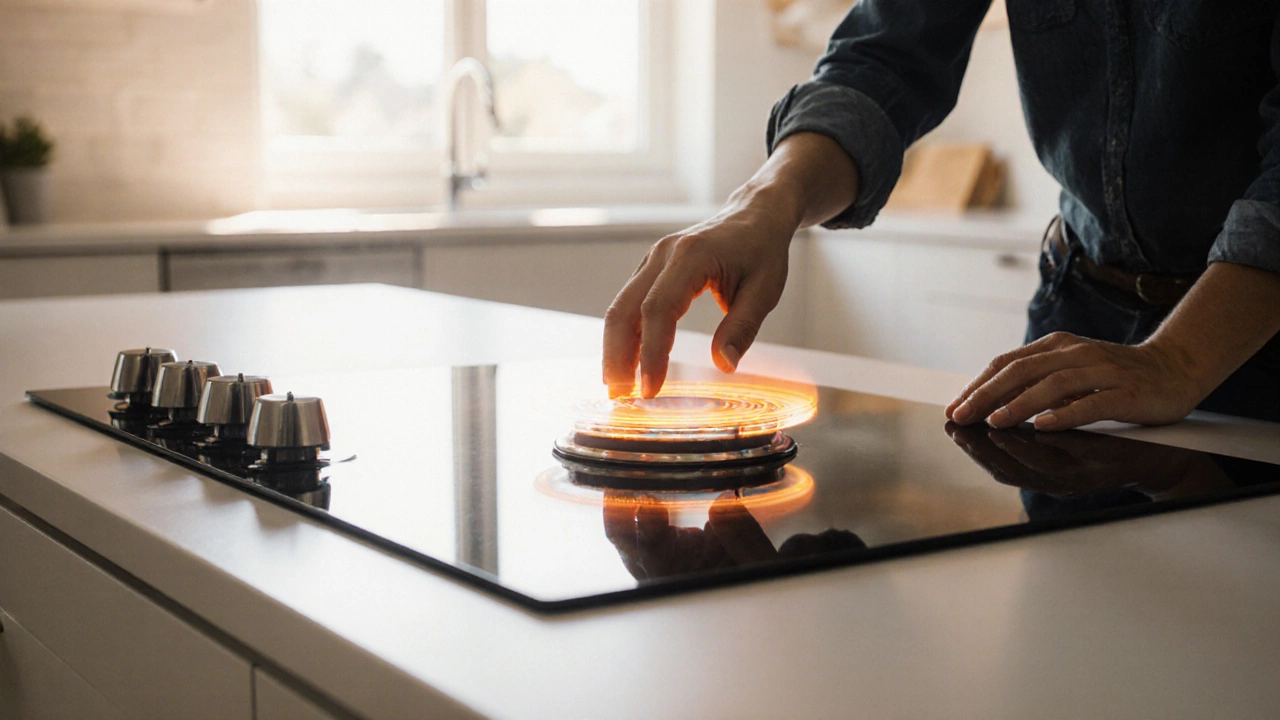
Can You Repair an Electric Stove? Complete Guide & Checklist
0 Comments
Learn how to diagnose and fix common electric stove problems, from faulty heating elements to control board issues, with step‑by‑step DIY guides and safety tips.
Read More