DIY Stove Fix: Your Go‑to Guide for Quick Repairs
When tackling a DIY stove fix, a hands‑on approach to restoring stove performance using common tools and safety steps. Also known as DIY stove repair, it lets you avoid costly service calls and keep your kitchen running. A typical oven, the heart of most stovetops, often suffers from heating element failures or control board glitches that are fixable at home. The heating element, the component that turns electricity into heat, is one of the most common culprits and can be swapped with a few tools. When the problem goes deeper, an appliance specialist, a trained professional who diagnoses and repairs complex appliance issues may be needed. DIY stove fix encompasses oven repair, heating element swaps, and control board diagnostics; it requires basic electrical safety knowledge; and it influences kitchen uptime by reducing downtime.
Why DIY Repairs Matter for Your Kitchen
Most stove hiccups fall into three buckets: power supply issues, faulty heating elements, and electronic control failures. Power supply problems are often as simple as a tripped breaker or a loose plug—quick checks that any homeowner can do. Faulty heating elements show up as uneven heating or no heat at all; swapping them not only restores performance but can also improve energy efficiency by a few percent. Control board glitches, while trickier, sometimes involve a burnt‑out relay or a corrupted sensor, and a replacement board can extend the stove’s life by years. Understanding these categories helps you decide whether a DIY stove fix is feasible or if an appliance specialist should step in. Moreover, mastering basic stovetop repairs builds confidence for tackling related appliances like microwaves or extractor fans, creating a ripple effect of savings across the home.
Safety is the foundation of any successful repair. Always disconnect the stove from the mains, verify no voltage with a tester, and wear insulated gloves. Keep a small toolkit on hand: a screwdriver set, multimeter, pliers, and a replacement heating element matching your stove’s model number. These tools enable you to diagnose a non‑heating oven, replace a broken element, or reseat a loose connection without calling help. When you follow these steps, the time spent on a DIY stove fix usually runs under an hour, and the cost stays well below a professional service call.
Beyond the immediate fix, regular maintenance prevents future breakdowns. Clean the stove’s burners and interior regularly to avoid buildup that can stress the heating element. Check the door seals for wear—leaky seals cause heat loss and force the stove to work harder. A quick visual audit each season can spot loose wires or corroded terminals before they cause a failure. These proactive habits keep the stove running efficiently and extend the lifespan of both the heating element and the control board.
When you’ve exhausted simple checks and the stove still won’t heat, it’s time to consider a deeper dive. Use a multimeter to test continuity on the heating element; a zero reading means the element is intact, while an open circuit signals replacement. For control board issues, look for burnt components or swollen capacitors; swapping the board often resolves erratic temperature readings. If the diagnostic steps feel overwhelming, that’s a clear signal to enlist an appliance specialist who can safely handle high‑voltage components and ensure the stove meets local safety codes.
Below you’ll find a curated collection of articles covering everything from oven lifespan and heating element costs to step‑by‑step guides for fixing microwaves, extractor fans, and heat pumps. Whether you’re a beginner looking for quick fixes or a seasoned DIYer hunting for detailed diagnostics, this archive has the practical tips you need to keep your kitchen humming. Dive in and start mastering your DIY stove fix journey today.
Oct 14, 2025
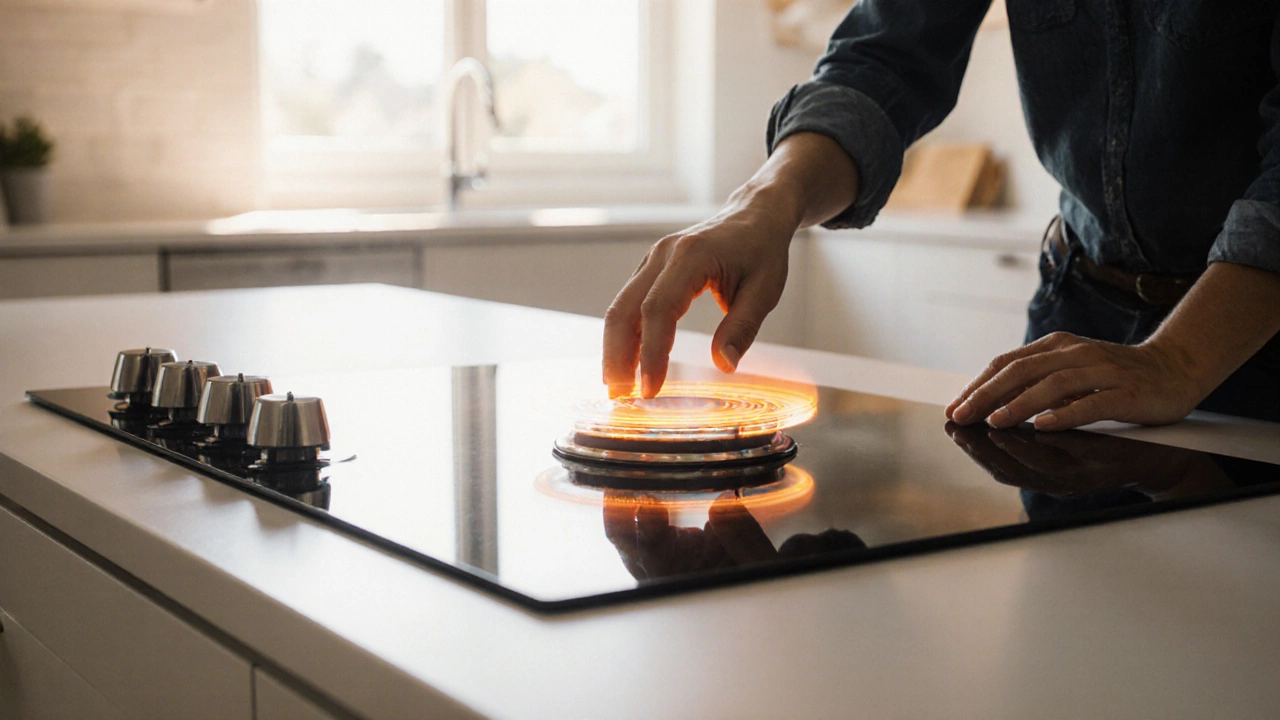
Can You Repair an Electric Stove? Complete Guide & Checklist
0 Comments
Learn how to diagnose and fix common electric stove problems, from faulty heating elements to control board issues, with step‑by‑step DIY guides and safety tips.
Read More