Common Causes of Appliance Problems: What Triggers Breakdowns?
When dealing with Common Causes, the recurring reasons why household appliances stop working. Also known as common failure triggers, it often ties directly to Appliance Failure, any condition that prevents a device from performing its function. Diagnosing those failures usually requires Diagnostic Tools, basic test equipment such as multimeters, pressure gauges, and control board scanners. The eventual Repair Costs, price estimates that depend on parts, labour, and urgency are shaped by whether you choose a DIY fix or a professional service. In short, understanding the root causes saves money, time, and cold showers.
Key Triggers Across Home Appliances
One of the most common culprits is wear‑and‑tear on heating elements. Whether it’s an oven, electric stove, or microwave, the element degrades after repeated heating cycles, leading to uneven or no heat. Another frequent issue is faulty control boards, especially in modern ovens and dishwashers that rely on electronic timing. These boards can fail due to power surges or moisture ingress, causing random error codes and complete shutdowns.
Refrigeration units often suffer from compressor problems. A clogged condenser coil or low refrigerant pressure forces the compressor to overwork, eventually triggering the reset button or shutting the unit off. Similarly, water heaters and boilers commonly trip their safety reset because of sediment buildup, a failing thermostat, or a leaking pressure‑relief valve. Ignoring these signs can turn a quick fix into a costly replacement.
Fans and pumps are another quiet troublemaker. Heat pumps, extractor fans, and ventilation fans rely on moving air; a blocked filter or a failing motor reduces airflow, making the system run but not cool or vent properly. In many cases, a simple cleaning or bearing replacement restores full performance, proving that not every symptom requires a full unit swap.
Electrical connections are the unsung villains in many appliance failures. Loose wires, corroded terminals, or tripped circuit breakers often masquerade as component failures. A quick visual inspection with a multimeter can reveal a bad connection, preventing unnecessary part orders and keeping repair costs low.
For washing machines, the culprit is frequently a worn drive belt or a malfunctioning door lock. When the drum won’t turn or the machine refuses to start, these components are the first things to test. Replacing a belt or lock is usually a cheap DIY job, yet many owners call a technician out of uncertainty.
Beyond hardware, user habits also create common causes. Overloading dishwashers, using harsh chemicals in ovens, or neglecting regular filter cleaning in heat pumps all shorten appliance life. Simple preventative steps—like following manufacturer load limits or scheduling quarterly clean‑ups—can dramatically reduce breakdown frequency.
When a problem appears, it’s useful to follow a quick diagnostic checklist: 1) Verify power supply, 2) Listen for unusual noises, 3) Check for error codes, 4) Inspect visible components for damage, and 5) Decide if the fix is safe and affordable to do yourself. This systematic approach aligns with the semantic triple “Diagnosing Issues requires Diagnostic Tools” and helps you decide whether to tackle the repair or call a pro.
Professional repair services bring expertise and warranty coverage, especially for complex components like sealed compressors or high‑voltage control boards. However, they also add labour markup, which can push total costs beyond the price of a new appliance. Our guide on repair costs breaks down typical labour rates, part mark‑ups, and hidden fees so you can weigh the financial impact before committing.
DIY fixes have their own set of challenges. While many heating‑element or fan replacements are straightforward, working with gas‑connected ovens or sealed refrigeration systems demands certification and safety gear. Knowing the legal and safety boundaries prevents accidents and protects your home insurance.
All the articles below dive deeper into each of these categories. You’ll find step‑by‑step guides for oven element swaps, freezer compressor resets, heat‑pump troubleshooting, and more. Whether you’re a seasoned handyperson or just curious about why your dishwasher stopped mid‑cycle, the collection equips you with the knowledge to spot the cause and choose the right solution.
Ready to explore the specifics? Scroll down to discover detailed posts covering every common cause mentioned above, complete with practical tips, cost breakdowns, and safety advice.
Oct 15, 2025
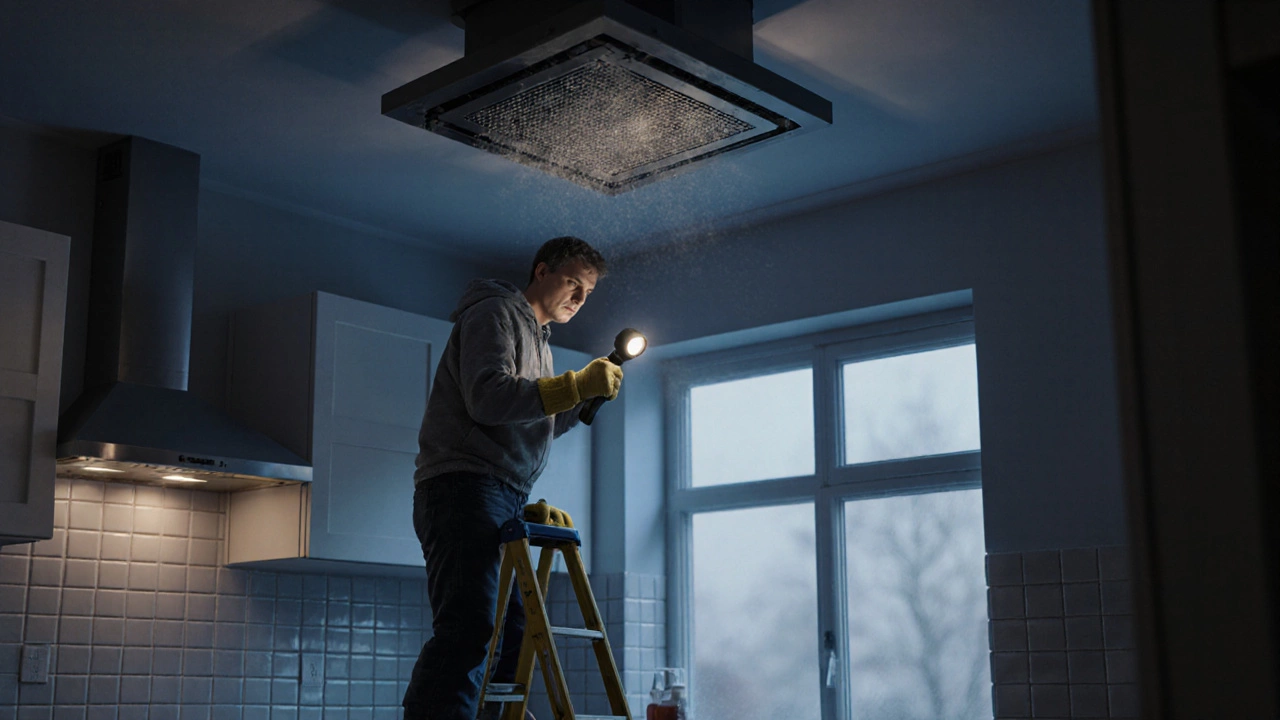
Why Your Extractor Fan Stops Working - Common Causes & Fixes
0 Comments
Discover the most common reasons an extractor fan stops working, step‑by‑step troubleshooting tips, maintenance advice, and when to call a professional.
Read More