Bathroom Ventilation: Fix, Replace, and Keep Your Bathroom Dry and Safe
When you step out of the shower and the mirror stays fogged for hours, that’s not just annoying—it’s a sign your bathroom ventilation, a system designed to remove moist air and prevent mold growth in bathrooms. Also known as extractor fan system, it’s one of the most overlooked but critical parts of your home’s health. Without proper airflow, moisture builds up, walls get damp, and mold starts growing behind tiles or under sinks. It’s not just about comfort—it’s about stopping damage before it costs you thousands.
Most homes rely on an extractor fan, a mechanical device that pulls humid air out of bathrooms and vents it outside. Also known as bathroom extractor fan, it’s not a luxury—it’s required by building codes in most new builds. But not all fans are built the same. A cheap model might last three years; a quality one can run quietly for over a decade. The key is matching the fan’s power to your bathroom size, installing it correctly, and cleaning it regularly. Dust and grease clog the blades, and when airflow drops, moisture stays put.
Who actually installs these? Not every plumber can do it. Only a extractor fan tradesperson, a qualified electrician or certified HVAC technician trained to handle electrical wiring and ducting safely. Also known as fan fitting professional, they know how to connect the fan to your home’s circuit without overloading it, and how to route the duct so it doesn’t trap moisture inside the wall. DIY installs often fail because people don’t realize you need a sealed duct going straight outside—not just into the loft. A leaky duct is worse than no fan at all.
And how long should you expect it to last? Most extractor fan lifespan, the average time a bathroom ventilation unit operates reliably before needing repair or replacement. Also known as fan longevity, it ranges from five to fifteen years. Signs it’s dying? Loud buzzing, slow spin, moisture still clinging to walls after showers, or a fan that won’t turn off. If it’s older than ten years and making noise, replacement is cheaper than repeated fixes. You don’t need the fanciest model—just one with a good warranty, a humidity sensor, and a timer that keeps running for 15 minutes after you leave the room.
What you’ll find below are real-world fixes, common mistakes, and honest advice from people who’ve been there. Whether you’re dealing with a noisy fan, a wet ceiling, or just wondering who to call, these posts cut through the noise. No fluff. Just what works.
Dec 8, 2025
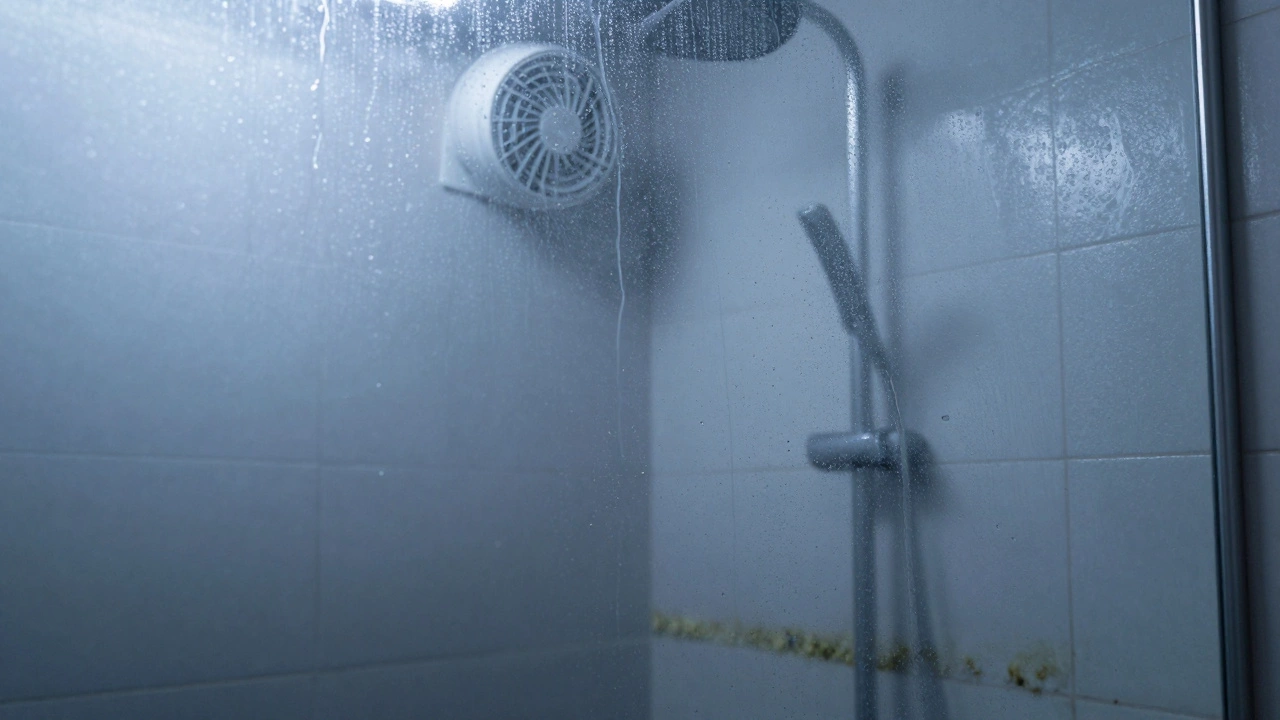
Is It OK Not to Have an Extractor Fan? What You Need to Know
0 Comments
Skipping an extractor fan might seem harmless, but moisture buildup leads to mold, damaged walls, and health risks. Learn why you need one-and what to do if you don’t have it.
Read More