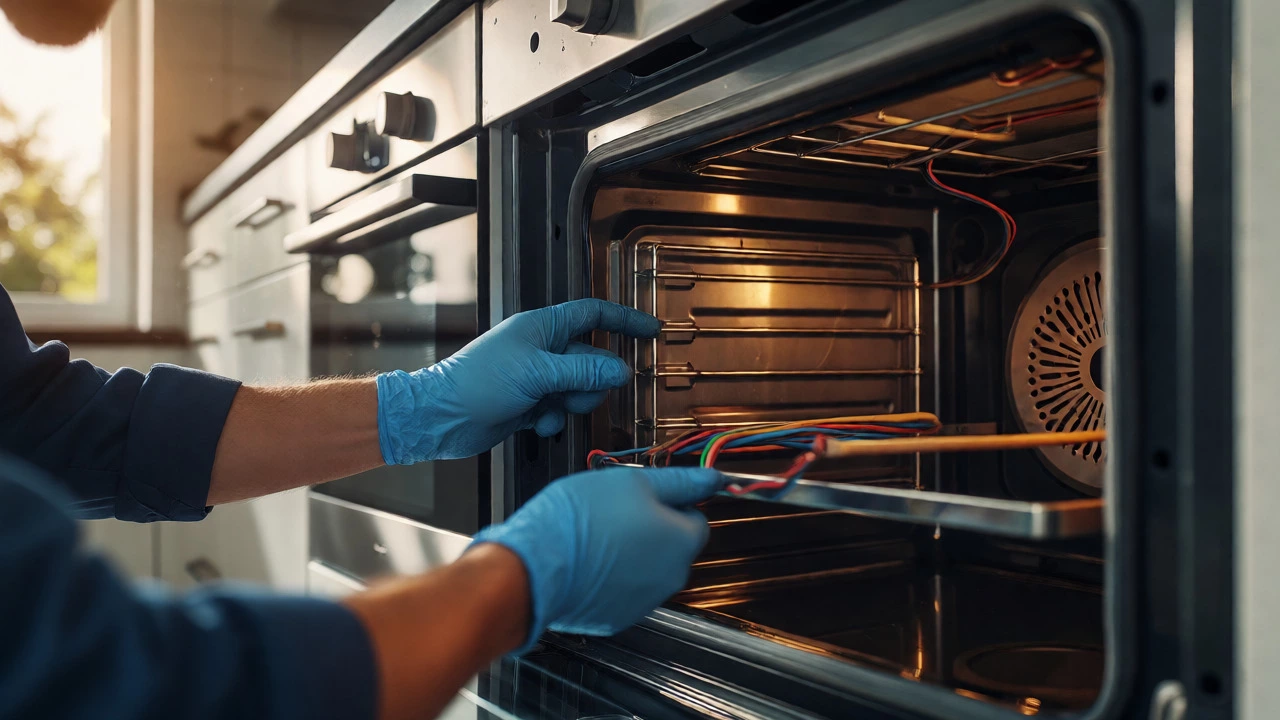
Electric Oven Reliability Finder
Not sure which oven brand is right for you? Answer these three questions to get a personalized recommendation based on real-world repair data.
Recommended Brand
Match Score: 0%Why this fits you:
Things to watch out for:
You’re standing in the appliance aisle, staring at a wall of shiny metal boxes that all promise to bake your chicken perfectly. The salesperson is talking about smart features and Wi-Fi connectivity, but you’re thinking about something else entirely: what happens when it breaks? As someone who spends their days elbow-deep in faulty heating elements and snapped door hinges, I can tell you that reliability isn’t just about marketing hype. It’s about engineering choices made years before the oven ever hit the showroom floor.
When we talk about the most reliable electric oven, we aren’t just looking for the brand with the fewest complaints online. We’re looking for parts availability, service network strength, and build quality that survives daily abuse. In New Zealand, where our power grids are stable but our kitchens are busy, choosing the right oven is a long-term investment. Let’s break down which brands actually hold up under pressure, based on real-world repair data rather than glossy brochures.
Defining Reliability in Kitchen Appliances
Before we name names, we need to agree on what "reliable" means. For a homeowner, it might mean "it never breaks." For me, it means "when it breaks, I can fix it cheaply and quickly." These are different things. An oven might last ten years without a fault, but if that one fault requires a proprietary circuit board that costs $400 and takes six weeks to ship from Germany, was it really reliable?
Reliability in electric ovens is measured by three core attributes: mean time between failures (MTBF), spare parts accessibility, and component modularity. High-reliability brands design ovens so that individual components-like thermostats or fans-can be replaced without scrapping the entire unit. Low-reliability designs often integrate these parts into sealed units that require full replacement.
In the context of Oven Repair, the ease of diagnosing faults directly correlates to user satisfaction. Brands that use standard industry components allow any qualified technician to service them, keeping labor costs down and uptime high.
The Top Contenders: Global Giants vs. Local Favorites
There is no single "best" brand for everyone, but there are clear leaders in specific categories. Here is how the major players stack up when viewed through the lens of a repair technician.
| Brand | Build Quality | Parts Availability (NZ) | Average Lifespan | Repair Difficulty |
|---|---|---|---|---|
| Bosch | High | Excellent | 12-15 Years | Moderate |
| Smeg | Medium-High | Good | 8-10 Years | Hard |
| Electrolux | Medium | Excellent | 7-9 Years | Easy |
| Fisher & Paykel | Medium-High | Excellent | 8-10 Years | Moderate |
| Miele | Premium | Good | 15-20 Years | Hard |
Bosch: The Workhorse Standard
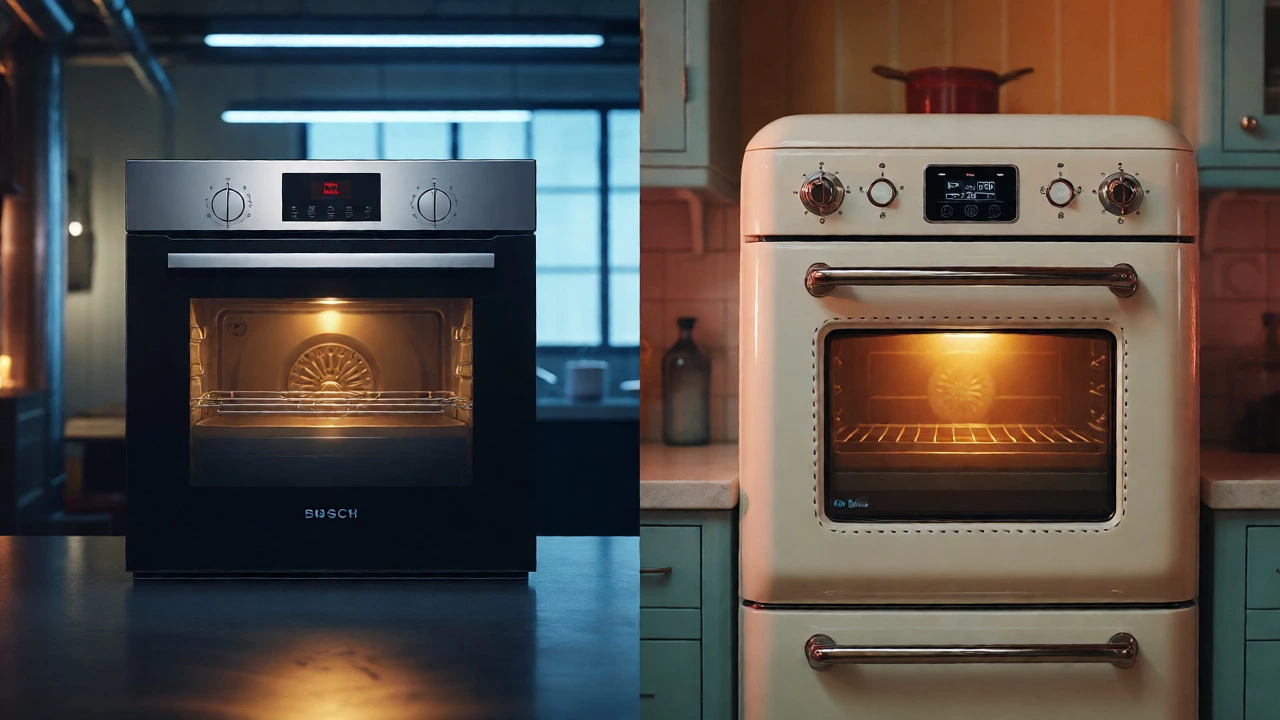
If you want an oven that simply works, Bosch is often the safest bet. German-engineered Bosch ovens prioritize mechanical simplicity over flashy electronics. They tend to use robust heating elements and straightforward control boards. In my experience repairing units in Dunedin, Bosch ovens rarely suffer from catastrophic electronic failures. When they do fail, it’s usually a wear-and-tear part like a fan motor or a door seal, both of which are widely available and affordable.
The downside? They aren’t always the most stylish. But if you value function over form, Bosch delivers consistent performance year after year.
Fisher & Paykel: The Kiwi Favorite
Living here in New Zealand, you’ll see Fisher & Paykel in almost every second kitchen. This brand dominates the local market due to its extensive service network and locally stocked parts. Their ovens are designed specifically for our voltage standards and usage patterns. While they may not have the century-old heritage of European brands, their modern lines are surprisingly durable.
One common issue I see with older Fisher & Paykel models is the failure of the main control panel due to moisture ingress during cleaning. However, because parts are so easy to get, fixing this is rarely a headache. For many homeowners, the peace of mind knowing a technician can show up within 48 hours outweighs minor reliability quirks.
Miele: Buy It For Life
Miele markets itself as "Immer Besser" (Forever Better), and in terms of lifespan, they deliver. Miele ovens are built with heavy-duty materials, including glass enamel interiors and steel racks designed to last decades. If you buy a Miele, you are paying a premium upfront to avoid replacing the oven in five years.
However, there is a catch. Miele repairs are expensive. Their proprietary technology means you often need a specialized technician, and parts cost significantly more than generic alternatives. If you plan to stay in your home for 15+ years, Miele makes financial sense. If you move every seven years, it’s probably overkill.
Smeg: Style Over Substance?
Everyone loves the look of a retro Smeg. While visually stunning, Smeg ovens historically struggle with internal component consistency compared to Bosch or Miele. You might find yourself dealing with uneven heating or thermostat drift earlier than expected.
That said, newer Smeg models have improved considerably. Just be aware that if you choose Smeg for aesthetics, you are accepting a slightly higher risk of needing mid-life repairs. The good news is that their aesthetic appeal holds up well in resale value, so it’s not necessarily a bad trade-off.
Common Failure Points Across All Brands
No matter which brand you choose, electric ovens share common weak links. Understanding these helps you maintain your appliance regardless of the logo on the front.
- Door Seals: This is the #1 cause of energy waste and poor cooking results. Grease and heat degrade rubber seals over time. Check yours annually; if paper slips out easily when the door is closed, replace it immediately.
- Thermostats: Digital sensors fail less often than old analog dials, but they still drift. If your cake burns at 180°C, your oven likely needs recalibration or a new sensor.
- Cooling Fans: Modern ovens have external cooling fans to keep the cabinet cool. If this fan fails, the oven overheats and shuts down. It’s a relatively cheap part to replace but critical for safety.
- Control Boards: Power surges kill electronics. Using a surge protector for your oven plug can extend the life of your control board by years.
How to Choose Based on Your Lifestyle
So, who should buy what? Let’s simplify the decision process.
For the Busy Family: Go with Electrolux or Fisher & Paykel. You need fast, cheap repairs. Both brands have massive support networks in NZ. Electrolux, in particular, uses standardized components across many models, making diagnosis quick for technicians.
For the Serious Baker: Look at Bosch. Consistent temperature control is vital for baking. Bosch’s convection systems are generally more precise than budget brands, ensuring even rising and browning.
For the Long-Term Homeowner: Invest in Miele. Yes, the initial cost is high, but spreading that cost over 15 years makes it competitive with buying two cheaper ovens. Plus, the resale value of a house with a working Miele suite is noticeably higher.
For the Budget-Conscious: Consider refurbished units from reputable dealers. Brands like Westinghouse offer basic functionality at low prices. They won’t last forever, but for a rental property or short-term living situation, they serve the purpose.
The Impact of Installation and Maintenance
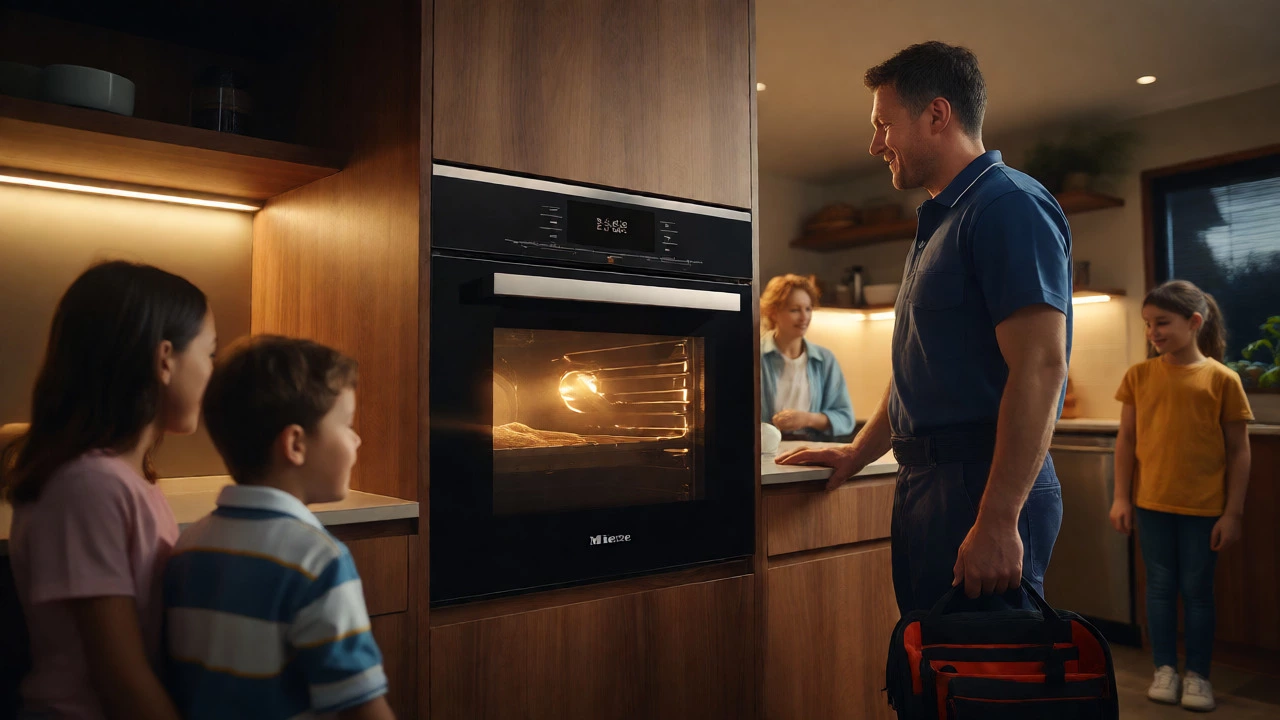
Here is a secret that manufacturers don’t advertise: half of all early oven failures are caused by improper installation. If an oven isn’t leveled correctly, the door won’t seal properly. If the ventilation space behind the unit is blocked, the electronics overheat and die prematurely.
Always ensure your installer follows the manufacturer’s clearance guidelines. In older Kiwi homes, cabinets were often built without considering modern oven dimensions. Retrofitting requires careful planning to ensure airflow. Also, clean your oven regularly, but avoid harsh caustic cleaners on digital displays-they can seep into buttons and corrode contacts.
Verdict: Which Brand Wins?
If forced to pick one brand for overall reliability in the New Zealand market, I’d lean towards Bosch. It offers the best balance of build quality, parts availability, and repair affordability. It doesn’t have the extreme longevity of Miele or the local ubiquity of Fisher & Paykel, but it sits comfortably in the sweet spot where durability meets practicality.
But remember, the "most reliable" oven is also the one you take care of. Regular maintenance, proper usage, and timely repairs will extend the life of any brand. Don’t ignore small noises or temperature inconsistencies-they are early warning signs that can save you from a major breakdown later.
Which electric oven brand lasts the longest?
Miele is widely considered the longest-lasting brand, with an average lifespan of 15-20 years due to superior build materials. Bosch follows closely with 12-15 years. Cheaper brands typically last 7-10 years.
Are expensive ovens worth the extra cost?
Yes, if you plan to keep them for over 10 years. Premium brands like Miele and Bosch use better insulation, stronger hinges, and more accurate thermostats. Over time, the lower energy bills and fewer repairs offset the higher purchase price.
What is the most common electric oven problem?
The most common issues are failed door seals and faulty thermostats. Door seals degrade from heat and grease, leading to heat loss. Thermostats can drift, causing uneven cooking. Both are inexpensive to replace if caught early.
Do smart ovens have more problems?
Generally, yes. Smart ovens rely on complex electronics and Wi-Fi modules, which add points of failure. Basic mechanical or simple digital controls are inherently more reliable because there are fewer components to break.
How can I make my oven last longer?
Avoid using self-clean cycles excessively, as the extreme heat stresses components. Clean spills promptly to prevent corrosion. Ensure the oven is level for proper door sealing, and protect it from power surges with a surge protector.