Freezer Repair vs. Replacement Calculator
Enter Your Details
Enter your details to see if it's worth repairing your freezer in 2026.
You open the door, and the ice cream is soup. Or worse, you find water pooling on the kitchen floor while your electricity bill spikes unexpectedly. The panic sets in immediately. You have two choices: call a technician to fix the freezer, or bite the bullet and buy a new one. It’s a classic dilemma that costs homeowners thousands of dollars every year when guessed wrong.
The short answer? It depends entirely on the age of your unit and the specific part that failed. In 2026, with rising energy costs and more efficient models available, the math has shifted slightly compared to five years ago. If your freezer is older than ten years, replacement is usually the smarter financial move. If it’s newer, a repair might save you money-and stress.
The 50% Rule: The Golden Standard for Appliance Decisions
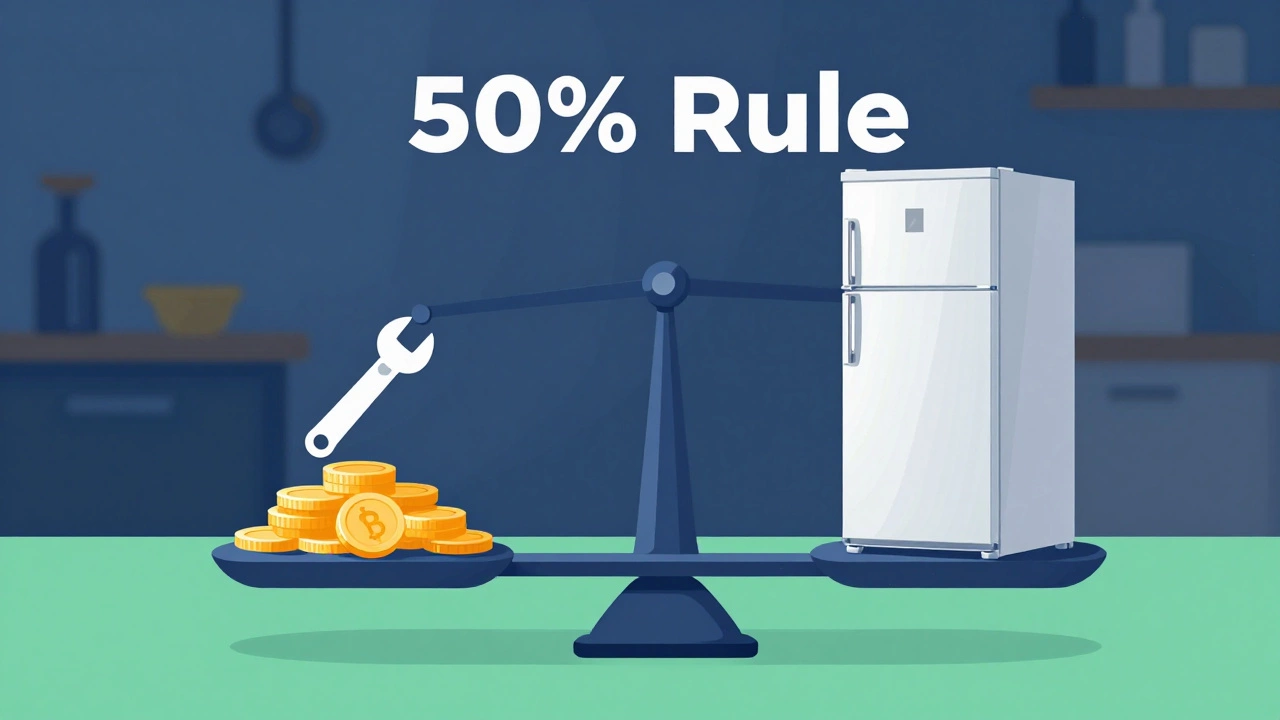
When deciding whether to repair or replace, technicians often use a simple heuristic known as the 50% rule. This isn’t just a guess; it’s a practical framework used by HVAC and appliance professionals across New Zealand and globally. Here is how it works:
- Calculate the repair cost: Get a quote from a licensed technician. Include parts and labor.
- Determine the price of a new unit: Look at comparable models (same capacity, type, and features) at major retailers like Harvey Norman, Warehouse, or Mitre 10.
- Compare the numbers: If the repair cost is less than 50% of the price of a new freezer, repairing is generally worth it. If it exceeds 50%, replace it.
Why 50%? Because even if you fix the current issue, an aging appliance is prone to secondary failures. Paying $400 to fix a compressor on a $800 freezer means you’ve spent half the value of a brand-new machine on a unit that could break down again next month. Conversely, spending $150 to replace a thermostat on a $1,200 high-end upright freezer makes perfect sense.
Age Matters More Than You Think
The lifespan of a standard household freezer typically ranges from 10 to 15 years. However, this varies significantly by type:
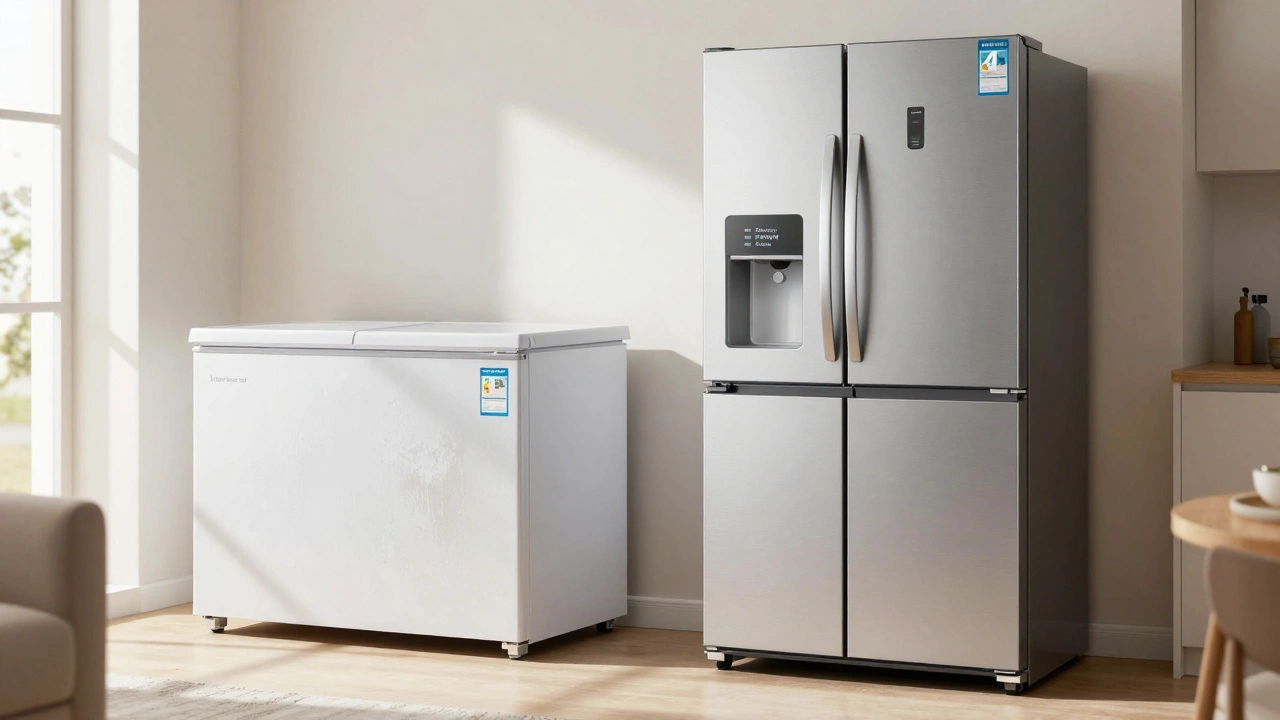
- Chest freezers: Often last 12-15 years due to simpler mechanics and better insulation retention.
- Upright freezers: Usually last 10-12 years. Door seals wear out faster, and shelves can sag.
- Built-in or integrated units: May last 10-13 years but are harder to replace due to cabinetry constraints.
If your freezer is approaching or past its expected lifespan, consider replacement. Older units consume significantly more electricity. According to Energy Rating data in New Zealand, a modern 4-star rated freezer can use up to 30% less energy than a model from 2010. Over three years, those savings can offset the initial purchase price difference.
Common Failures: What’s Cheap to Fix vs. Expensive?
Not all breakdowns are created equal. Some issues are minor annoyances with low-cost fixes, while others signal the end of the road. Understanding these components helps you negotiate with repair technicians and avoid being upsold unnecessarily.
| Component | Average Repair Cost (NZD) | Lifespan | Worth Repairing? |
|---|---|---|---|
| Door Seal / Gasket | $80 - $150 | 5-7 years | Yes, almost always |
| Thermostat | $120 - $200 | 8-10 years | Yes, if under 8 years old |
| Defrost Heater | $150 - $250 | 7-9 years | Yes, common failure |
| Evaporator Fan Motor | $180 - $300 | 6-8 years | Maybe, check age |
| Compressor | $400 - $700+ | 10-15 years | No, unless under warranty |
| Control Board | $250 - $450 | 8-12 years | Depends on total cost |
Notice the pattern? Mechanical wear parts like seals and fans are cheaper to replace. Electronic brains (control boards) and heavy-duty compressors are expensive. If the compressor dies, the heart of your freezer has stopped beating. Replacing it is rarely economical unless the unit is under manufacturer warranty.
Energy Efficiency: The Hidden Cost of Keeping Old Appliances
In 2026, energy prices remain volatile. An old freezer running inefficiently can add $150-$300 annually to your power bill. Modern freezers feature improved insulation, variable-speed compressors, and better refrigerants (like R600a, which is more eco-friendly and efficient).
Consider this scenario: Your 12-year-old chest freezer uses 350 kWh per year. At an average rate of $0.35/kWh, that’s $122.50/year. A new equivalent model uses 220 kWh/year, costing $77/year. That’s a saving of $45.50 annually. Over five years, you save $227.50-money that goes toward paying off the new unit.
If you’re in Dunedin or other colder regions, external ambient temperature affects performance too. Older units struggle more in extreme heat or cold, leading to higher cycling rates and increased wear.
Environmental Impact: Repair vs. Replace
There’s a growing debate about e-waste. Throwing away a working-but-inefficient freezer contributes to landfill waste. However, keeping an inefficient appliance running also has environmental costs through higher carbon emissions from increased electricity generation.
Newer appliances are designed with recyclability in mind. Many manufacturers now offer take-back programs where they recycle the old unit when delivering the new one. In New Zealand, organizations like Recycle Plus accept large appliances for proper dismantling and material recovery. Always choose recycling over dumping.
DIY Fixes: When You Can Save Money Yourself
Some freezer problems don’t require a professional. Before calling a technician, try these steps:
- Check the power supply: Ensure the plug is secure and the outlet works. Test with another device.
- Inspect the door seal: Close the door on a dollar note. If it slips out easily, the seal is weak. Clean it with warm soapy water first-it might just be dirty.
- Clear the drain hole: For upright freezers, a clogged defrost drain causes water leaks. Use a pipe cleaner or warm water to unclog it.
- Adjust the temperature: Sometimes the thermostat is simply set too low or too high. Aim for -18°C for optimal food preservation.
If these basic checks don’t resolve the issue, it’s time to call a pro. Don’t attempt to open sealed systems (refrigerant lines) yourself-it’s illegal without certification and dangerous.
When to Definitely Replace Your Freezer
Replace your freezer if any of the following apply:
- It’s over 10 years old and needs a major component repair.
- The repair cost exceeds 50% of a new unit’s price.
- It’s leaking refrigerant (requires certified handling and indicates system failure).
- It consumes excessive energy despite regular maintenance.
- You need more storage space or different functionality (e.g., switching from chest to upright).
Choosing the Right Replacement
If you decide to replace, focus on these factors:
- Capacity: Measure your available space carefully. Chest freezers offer more usable volume per footprint.
- Energy Rating: Look for 4+ stars on the NZ Energy Rating label.
- Type: Upright for easy access and organization; chest for bulk storage and lower energy use.
- Warranty: Choose brands offering at least 2-year comprehensive coverage.
How long does a typical freezer last?
Most household freezers last between 10 and 15 years. Chest freezers tend to outlast upright models due to simpler construction and better insulation retention. Regular maintenance can extend lifespan by 1-2 years.
Is it cheaper to repair or replace a broken freezer?
Use the 50% rule: if the repair costs less than half the price of a new comparable unit, repair it. Otherwise, replace. Also consider age-if it’s over 10 years, replacement is usually better financially and energetically.
What are signs my freezer is dying?
Signs include frequent cycling on/off, frost buildup inside, unusual noises (grinding or buzzing), water leakage, inconsistent temperatures, and higher electricity bills. Multiple symptoms appearing together suggest imminent failure.
Can I fix a freezer myself?
Minor issues like cleaning door seals, clearing drain holes, or adjusting thermostats can be DIY. Major repairs involving compressors, refrigerant lines, or control boards require certified technicians due to safety and legal regulations.
Should I keep an old freezer for backup?
Only if it’s still functional and energy-efficient. Old standby freezers consume significant power even when idle. Consider selling or donating it instead. If kept, unplug during long periods of non-use to save energy.