Oven Repair vs. Replace Calculator
Use this tool to apply the "50% Rule" and factor in long-term costs like energy waste and future breakdowns to make an informed decision.
Enter details to see recommendation
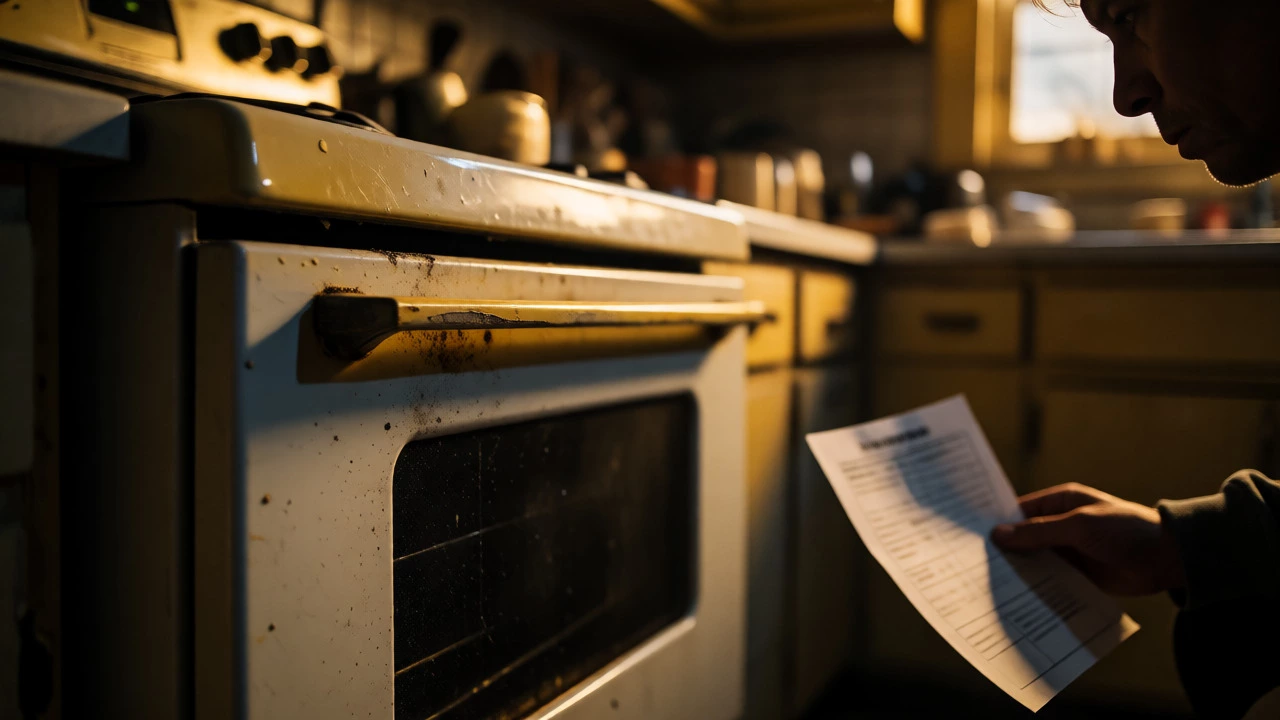
You’re standing in your kitchen, staring at the blackened glass of your trusty electric oven, a major kitchen appliance that uses electricity to heat food for baking and roasting. It’s been with you through two renovations, three kids, and countless Sunday roasts. But today, it won’t heat up. The tech quotes you $450 for a new control board and labor. You pause. Is this machine dead, or is it just tired? This is the million-dollar question-or rather, the few-hundred-dollar question-every homeowner faces eventually.
The short answer? Usually, no. But there are exceptions. If you live in a place like Dunedin, where winters bite hard and reliable cooking is non-negotiable, knowing when to cut losses saves you money and headaches. Let’s break down the math, the risks, and the rare scenarios where saving that old beast actually makes sense.
The 50% Rule: Your Financial Gut Check
Appliance technicians often use a simple heuristic called the 50% rule. If the cost of repairing an appliance exceeds 50% of the price of buying a new one, replace it. For a standard mid-range electric oven in New Zealand, which might cost between $800 and $1,500 new, any repair quote over $600-$750 should trigger a serious rethink.
But here’s where it gets tricky with a 20-year-old unit. The "new" price isn't just about the sticker on the box. Modern ovens have features your old one lacks: faster pre-heating, better insulation (which lowers your power bill), and convection fans that actually work evenly. When you compare a $500 repair on a 20-year-old oven against a $900 new model, you aren't just comparing costs; you're comparing efficiency. That old oven likely leaks heat, meaning your electricity meter spins faster every time you bake a pie. Over five years, that energy waste can add hundreds of dollars to your bills, effectively closing the gap between repair and replacement.
Why 20 Years Is Ancient in Appliance Time
Most modern appliances are designed with a planned obsolescence window of 10 to 15 years. Manufacturers know that after this period, they need to sell you a new unit. At 20 years, your oven has outlived its intended lifespan by nearly half. This isn't just marketing fluff; it’s engineering reality.
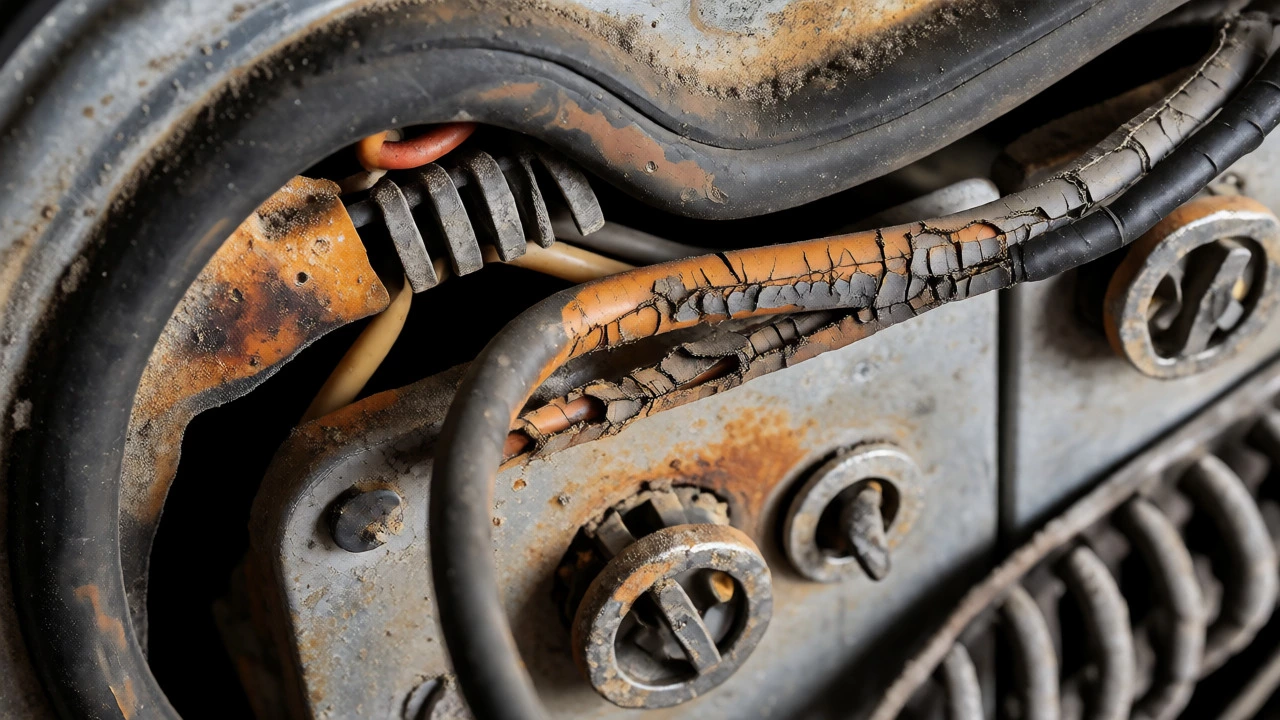
Heating elements, coils inside the oven that convert electrical current into heat, are robust, but the surrounding infrastructure is not. Think about the wiring harnesses, the thermal switches, and the electronic control boards. These components degrade due to heat cycles. A wire insulation that was flexible in 2006 is likely brittle now. When a technician fixes the heating element, they often find cracks in nearby wires that will fail within months. This creates a "repair cascade," where you fix one thing, only for another part to break six weeks later. You end up paying multiple call-out fees for a machine that is fundamentally exhausted.
The Parts Availability Nightmare
Try finding a specific door seal for a brand that stopped making that model in 2008. Good luck. While common parts like thermostats or fan motors might still be available as universal replacements, specific OEM (Original Equipment Manufacturer) parts for 20-year-old models are scarce. This scarcity drives up prices and wait times.
In New Zealand, we rely heavily on imported appliances. If your oven was a niche European brand or a discontinued local line, sourcing a custom-molded plastic knob or a specific glass panel can turn a simple repair into a three-week ordeal. During that time, you’re eating takeaways or using a microwave for everything. Is a $300 repair worth the inconvenience if the part takes a month to arrive from overseas? Probably not.
Safety Risks You Can’t Ignore
Beyond money, there’s safety. Older ovens, especially those with gas igniters or complex electronics, can develop faults that pose fire hazards. Faulty wiring behind the back panel is a common issue in units older than 15 years. Insulation melts, wires touch, and sparks fly. If your oven trips the RCD (Residual Current Device) in your switchboard, that’s a red flag. Technicians often refuse to service units where the internal wiring shows signs of scorching because liability becomes a nightmare.
Furthermore, check the door seals. If the rubber gasket around your oven door is cracked or hardened, heat escapes. This doesn't just waste energy; it heats up the cabinetry surrounding the oven, potentially damaging wood finishes or melting adjacent plastics. Replacing a seal on a 20-year-old frame might seem cheap, but if the metal frame itself is warped from decades of thermal expansion, the new seal won't sit flush. You’ll still lose heat, and you’ve wasted the repair cost.
When You Should Actually Fix It
So, is it ever worth it? Yes, in three specific scenarios:
- The Part is Cheap and Common: If the issue is a simple thermostat or a door hinge costing under $150 including labor, and the rest of the oven looks pristine, go ahead. These are low-risk bets.
- It’s a Built-in Unit: Replacing a freestanding cooker is easy. Swapping out a built-in oven requires cabinet modifications, new trim kits, and sometimes electrical rewiring if the amperage requirements differ. If the installation cost is high, extending the life of the existing unit might be financially smarter, provided the oven itself is solid.
- Sentimental Value (The "Grandma’s Oven" Factor): Sometimes, logic takes a back seat. If that oven baked every birthday cake for your family and you love how it bakes, paying extra for peace of mind is valid. Just budget for a second repair in the next year.
Comparing Costs: Repair vs. Replace
To help you decide, let’s look at a realistic comparison for a typical household in Dunedin. Note that prices vary by brand and installer, but these reflect general market rates in late 2026.
| Factor | Repairing Old Oven | Buying New Oven |
|---|---|---|
| Initial Cost | $200 - $600 (Parts + Labor) | $800 - $2,500 (Appliance + Install) |
| Energy Efficiency | Low (Poor insulation, outdated tech) | High (Better seals, efficient elements) |
| Lifespan Remaining | 1 - 3 Years (Unpredictable) | 10 - 15 Years (Standard warranty) |
| Risk of Future Breakdowns | High (Cascading failures likely) | Low (Covered by warranty) |
| Feature Set | Basic (No convection, manual timers) | Modern (Digital displays, multi-function) |
The table highlights the hidden cost of the old oven: unpredictability. With a new oven, you know exactly what you’re getting for the next decade. With the old one, you’re gambling on whether the control board lasts until Christmas.
Signs Your Oven Has Truly Reached Its End
If you see any of these signs, stop looking for repair quotes and start browsing retailers:
- Uneven Baking: If cookies burn on the top but stay raw on the bottom, the fan motor or element positioning is failing. On old units, this is rarely fixable without replacing the entire rear assembly.
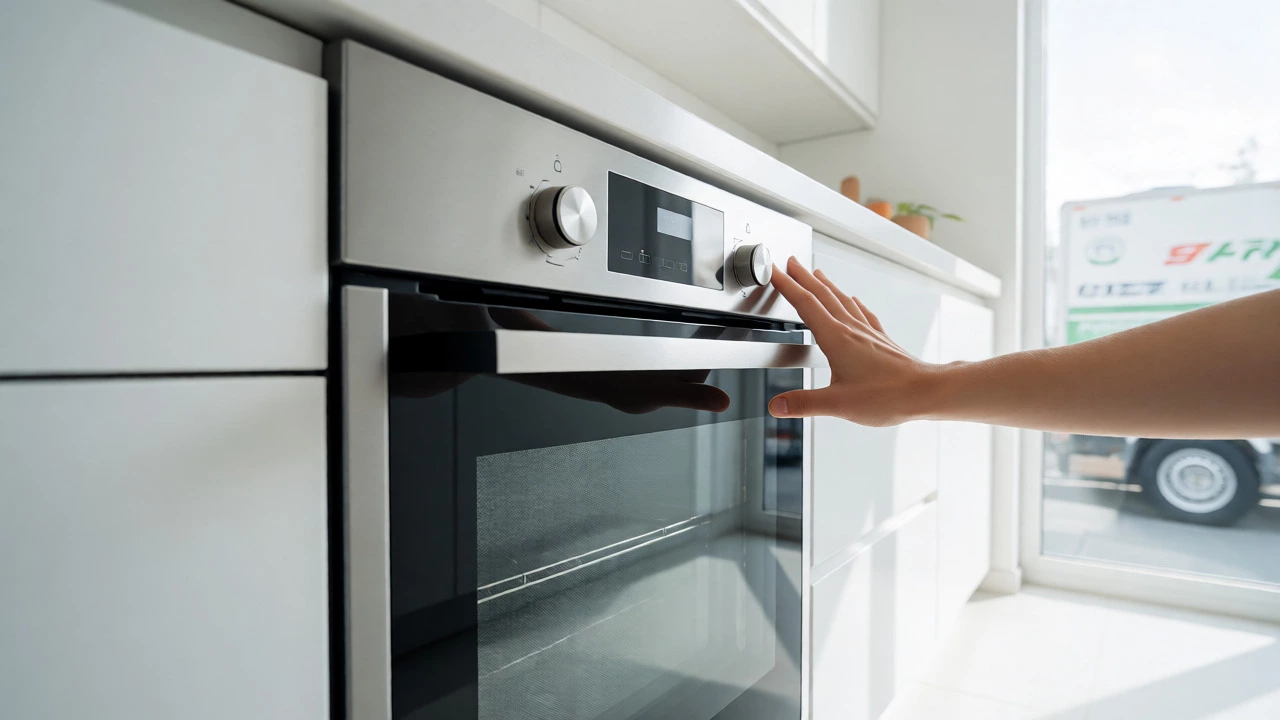
- Excessive External Heat: Touch the side panels during operation. If they are too hot to hold your hand on comfortably, the insulation has degraded. This is a structural failure, not a component fault.
- Smoke or Burning Smell: Persistent smoke that isn't from food spills indicates electrical arcing or burning dust trapped in inaccessible vents. Cleaning won't fix this.
- Faulty Door Lock: If the self-cleaning cycle fails because the lock mechanism seizes, and the lock is integrated into the main board, the repair cost skyrockets.
Making the Switch: What to Look For
If you decide to replace, don't just buy the cheapest option. Look for ovens with good energy ratings. In NZ, checking the Energy Rating label is crucial. A 4-star rated oven will save you significant cash over a 2-star model. Also, consider size. Do you really need a massive 90cm range? A compact 60cm multifunction oven heats up faster and uses less power, which aligns perfectly with the goal of reducing utility costs.
Finally, recycle responsibly. Don't dump that 20-year-old giant in the skip. Many retailers offer haul-away services for a small fee, ensuring the metals and glass are recycled properly. It’s a clean slate for your kitchen and a win for the environment.
How long do electric ovens typically last?
Most electric ovens are designed to last between 10 and 15 years. High-end brands may last up to 20 years with meticulous maintenance, but components like control boards and seals usually begin to fail significantly after the 15-year mark.
Is it cheaper to repair or replace an old oven?
For ovens older than 15 years, replacement is almost always more cost-effective in the long run. While a single repair might be cheaper upfront, the likelihood of subsequent breakdowns and higher energy consumption makes replacement the financially sounder choice.
Can I upgrade my old oven to a newer model easily?
Generally, yes, if you stick to standard sizes (usually 60cm wide). However, older homes may have different electrical requirements or cabinet dimensions. Always measure the cavity and check the electrical supply before purchasing a new unit to avoid modification costs.
What is the most expensive part to replace on an oven?
The electronic control board is typically the most expensive component to replace, often costing between $300 and $600 including labor. Glass door panels can also be costly if they shatter, especially for custom-sized or branded units.
Do old ovens use more electricity than new ones?
Yes, significantly. Newer ovens feature better insulation, tighter door seals, and more efficient heating elements. An oven from 2006 could use 20-30% more electricity than a modern equivalent to achieve the same cooking results.