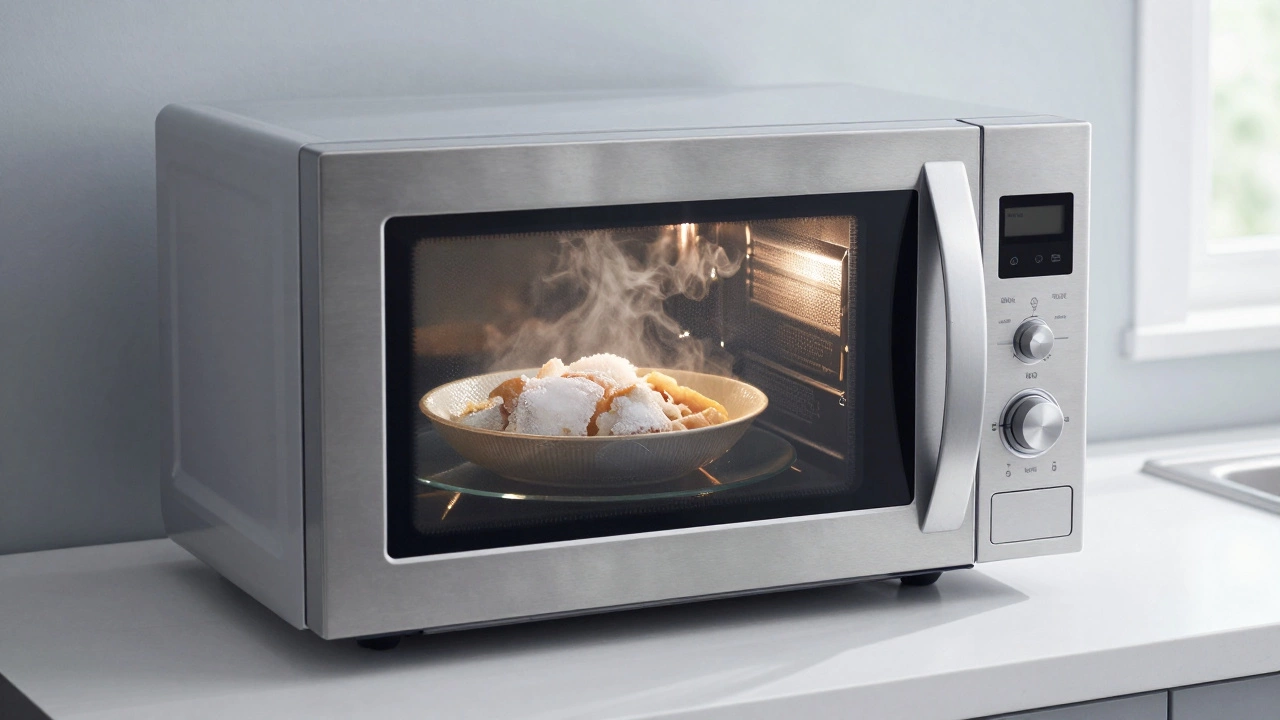
Microwave Health Check & Decision Tool
Select the symptoms your microwave is experiencing to get a diagnosis and recommendation.
That hum. It’s the sound of modern convenience. But what happens when that steady buzz turns into a rattle, or worse, silence? A failing microwave oven is a kitchen appliance that uses electromagnetic radiation to heat food by exciting water molecules isn’t just an inconvenience; it can be a genuine safety hazard. Most people ignore the early warning signs until the unit sparks, smells like burning plastic, or simply refuses to turn on. By then, you’re staring at a broken device and wondering if it’s worth fixing.
You don’t need to be an electrician to spot trouble brewing in your kitchen counter. The symptoms usually creep up slowly. Maybe the food comes out cold in the middle, or the light flickers every time you hit start. Recognizing these red flags early saves you from potential fires, wasted electricity, and spoiled meals. Let’s look at exactly what to watch for so you can decide whether to call for microwave repair or head to the store for a new one.
The Food Isn’t Heating Properly
This is the most obvious sign, yet many users blame the settings first. If your leftovers are still ice-cold after two minutes, or if only half the plate is hot while the other side remains frozen, your microwave’s power output has dropped. This often points to a failing magnetron is the vacuum tube component inside a microwave that generates the microwaves used for cooking. Think of the magnetron as the engine of the microwave. When it wears out, it doesn’t always stop working entirely; it just gets weaker.
Before assuming the worst, check your power level settings. Sometimes, we accidentally leave the dial on "Defrost" or "Low." If the settings are correct and the heating is inconsistent, the issue is internal. Uneven heating can also stem from a worn-out turntable motor is the small electric motor responsible for rotating the glass tray inside the microwave cavity. If the plate isn’t spinning, the microwaves hit the same spots repeatedly, leading to hot spots and cold zones. Listen closely: does the plate move smoothly, or does it stutter?
Strange Noises During Operation
A healthy microwave should sound like a low, steady drone. Any deviation from this norm is a cry for help. High-pitched whining, loud buzzing, or grinding noises indicate mechanical or electrical stress. Here is how to break down what those sounds might mean:
- Buzzing: A persistent buzz often means the high-voltage capacitor is leaking or the diode is failing. These components handle thousands of volts. If they fail, the microwave won’t cook efficiently, and there is a risk of electrical shock if opened.
- Loud Humming but No Heat: If the interior light comes on and the fan runs, but you hear a loud hum without any warmth, the magnetron is likely dead. The control board is sending power, but the engine isn’t firing.
- Grinding or Rattling: This usually points to the turntable motor assembly. The gears may be stripped, or the roller ring underneath the glass plate might be cracked. While less dangerous than electrical issues, it ruins your cooking results.
If you hear arcing sounds-like sharp snaps or crackles-it’s even more urgent. Arcing occurs when electricity jumps across gaps it shouldn’t. This could be caused by metal objects inside, yes, but if it happens with an empty cavity or just paper towels, the waveguide cover (the mica sheet) might be burnt or damaged, allowing waves to reflect back into the magnetron.
Sparks Inside the Cavity
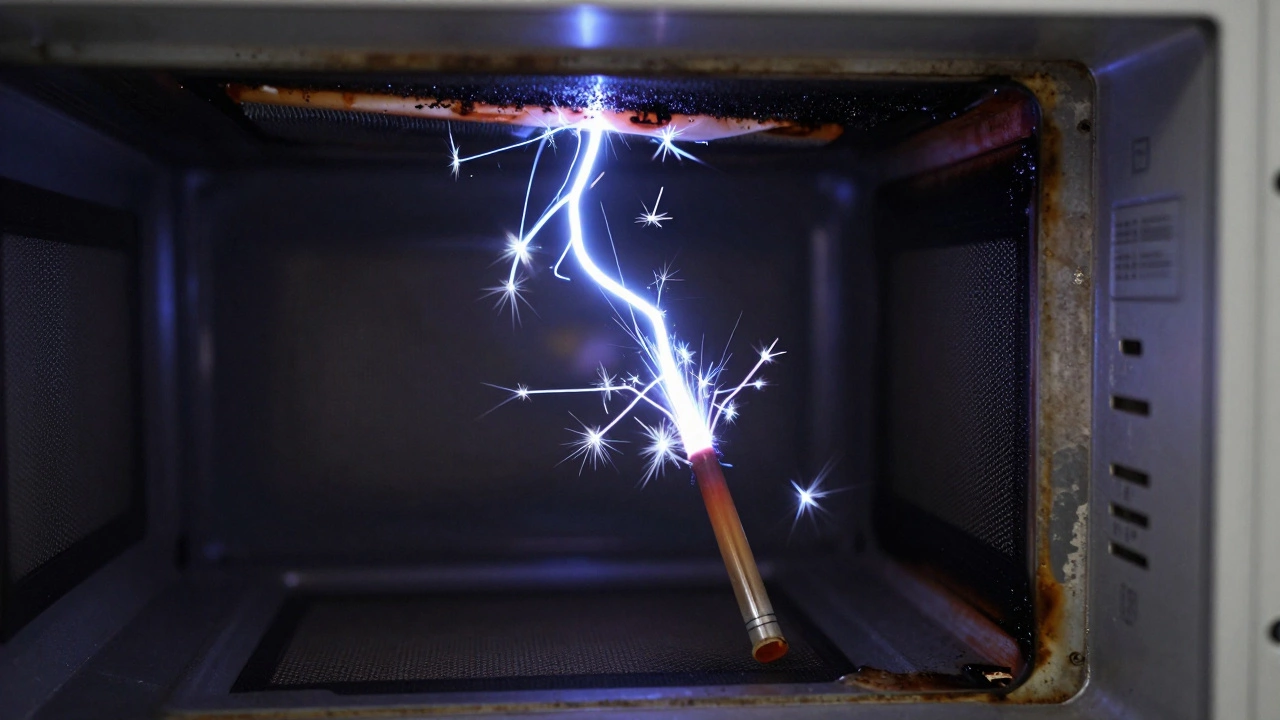
Seeing blue or white sparks flash inside the microwave is never normal. Unless you’ve put a fork in there (please don’t), sparking indicates a serious problem. The most common culprit is a damaged waveguide cover is a thin, fibrous shield made of mica that protects the waveguide slot from food splatter. Over time, grease and food particles bake onto this cover. When microwaves hit this debris, they superheat instantly, causing arcs.
If the mica sheet is blackened, burnt, or missing, replace it immediately. It’s a cheap part, often costing less than $10. However, if the sparks come from the corners of the cavity or the door seal, the issue is more severe. It could mean the metal lining inside the box is corroded or peeling. Exposed metal creates pathways for stray electrons, which can damage the magnetron permanently and pose a fire risk. Stop using the appliance right away if you see consistent sparking.
The Door Won’t Seal or Latch Properly
Microwaves are designed with multiple interlocks to ensure no radiation escapes when the door is open. If the door feels loose, sticks, or doesn’t click shut firmly, you have a safety issue. The door interlock switches are safety mechanisms that cut power to the magnetron when the door is opened are critical. If they malfunction, the microwave might run with the door slightly ajar, leaking radiation.
Check the hinges. Are they bent? Look at the latch mechanism on the front panel. Does it engage cleanly? Even a small piece of dried food stuck in the hinge track can prevent a proper seal. Clean the area thoroughly. If the door still doesn’t sit flush against the frame, the striker pins might be misaligned. Radiation leakage is invisible, but its effects on health over time are not worth the gamble. A door that doesn’t seal is a microwave that needs professional inspection or replacement.
Control Panel Malfunctions
Does the keypad feel sticky? Do buttons register twice when you press them once? Or perhaps the display shows random characters, or the clock resets every few hours? These are signs of control board failure. Moisture is the enemy here. Steam escaping from hot food can seep into the button assembly, corroding the contacts underneath.
In digital models, a failing main control board can cause erratic behavior. You might set it for three minutes, and it stops after thirty seconds. Or the fan runs continuously even when the unit is off. While some keypads can be replaced relatively easily, a fried motherboard often requires specialized diagnostics. If the electronics are acting up, the microwave is unreliable. Guessing cook times because the timer fails leads to undercooked food, which brings its own bacterial risks.
Burning Smells or Smoke
A faint smell of burning dust occasionally is normal for an old appliance being used for the first time in a while. But a strong, acrid odor of burning plastic or insulation is a major red flag. This suggests that internal wiring is overheating, or the insulation around the high-voltage transformer is breaking down.
If you smell smoke, unplug the unit immediately. Check for visible scorch marks inside the cavity. If the smell persists even after cleaning and running an empty cycle with a cup of vinegar (to clean the air), the issue is internal. Overheating transformers can lead to fires. This is not a DIY fix. The heat generated by these components is intense, and attempting to repair a smoking microwave without proper training is dangerous.
When to Repair vs. Replace
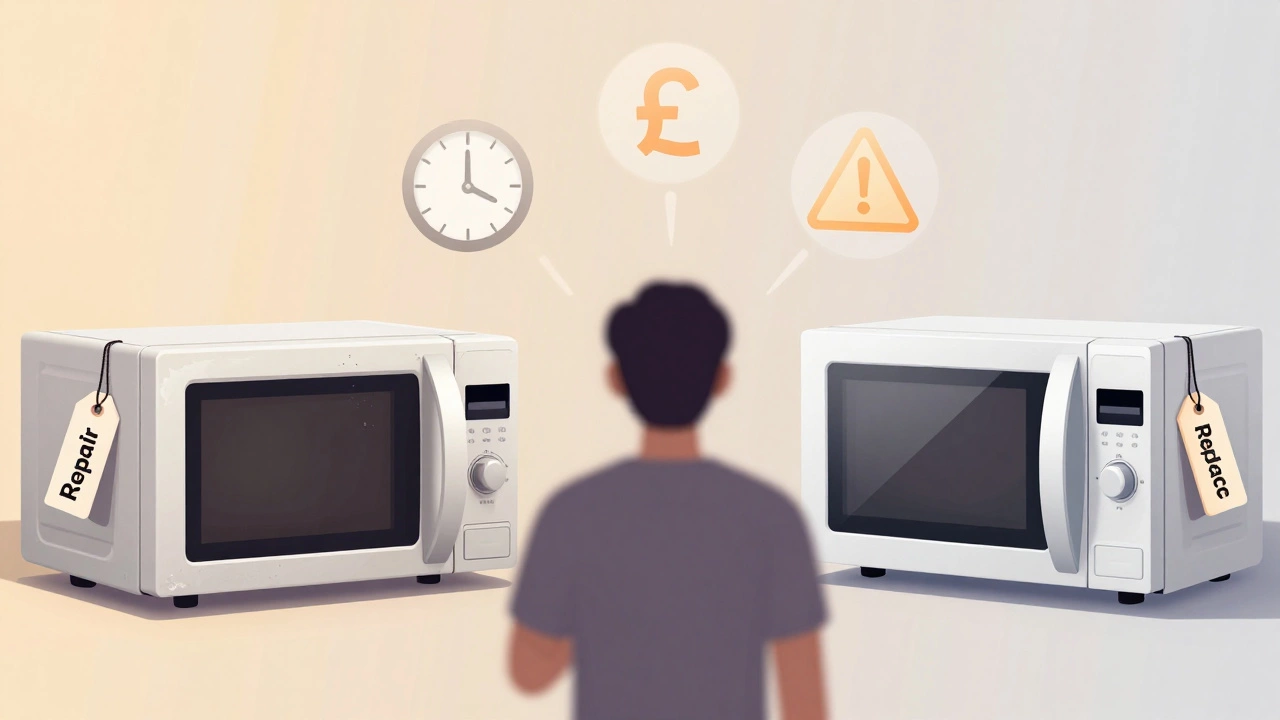
Not every symptom means game over. To help you decide, consider the age and cost. Microwaves typically last between 8 to 10 years. If your unit is older than that, the cost of labor and parts for microwave repair often exceeds the price of a new entry-level model. Simple fixes like replacing a turntable motor, a door switch, or the mica waveguide cover are cost-effective and extend the life of the machine significantly.
| Symptom | Likely Cause | Action |
|---|---|---|
| Uneven Heating | Turntable Motor / Magnetron Wear | Replace motor if noisy; replace unit if magnetron fails |
| Sparks (No Metal) | Damaged Waveguide Cover | Replace mica sheet (DIY friendly) |
| No Heat, Loud Hum | Dead Magnetron | Usually not worth repairing; replace unit |
| Door Won’t Latch | Broken Interlock Switch | Professional repair required for safety |
| Burning Smell | Transformer/Wiring Issue | Stop use immediately; replace unit |
If your microwave is less than five years old and under warranty, contact the manufacturer. For older units, weigh the repair quote against the cost of a new one. Remember, a microwave is a high-voltage device. Even when unplugged, the capacitor holds a lethal charge. If you aren’t comfortable opening the casing, leave the internal repairs to certified technicians.
Maintenance Tips to Extend Lifespan
Prevention is cheaper than cure. Keeping your microwave clean reduces the strain on its components. Wipe down the interior after every use to prevent grease buildup on the waveguide cover. Avoid running the microwave empty, as the waves have nowhere to go and reflect back into the magnetron, damaging it. Use microwave-safe containers only; metal trims on plates can cause arcing. Finally, ensure the vents on the sides or back are not blocked by cabinets or walls. Proper airflow keeps the internal electronics cool and extends the life of the motor and transformer.
Is it safe to use a microwave if it sparks occasionally?
No. Occasional sparking indicates a compromised waveguide cover or damaged interior lining. Continued use can damage the magnetron and increase fire risk. Inspect and repair before further use.
How long does a typical microwave last?
Most residential microwaves last between 8 to 10 years with regular use. Commercial models may have shorter lifespans due to heavy usage cycles.
Can I fix a microwave that isn’t heating myself?
Only if you are experienced with high-voltage electronics. The capacitor retains a dangerous charge even when unplugged. For most homeowners, hiring a professional is safer and more cost-effective.
Why does my microwave make noise but not heat?
This usually indicates a failed magnetron or a blown high-voltage diode. The fan and light work because they are on separate circuits, but the core heating component has stopped functioning.
What causes a burning smell in a microwave?
A burning smell can result from food residue catching fire, a failing transformer, or overheating wiring. If the smell persists after cleaning, discontinue use and seek professional inspection.