Anode Rod Lifespan & Cost Estimator
Configuration
Results
The Silent Hero of Your Hot Water System
Most people check their oil or rotate their tires on a schedule. But inside your water heatera large appliance that heats and stores water for domestic use, there is a piece of metal quietly sacrificing itself so your tank doesn't rust through. This is the anode roda sacrificial component made of reactive metals like magnesium or aluminum designed to corrode before the steel tank does. It’s called a "sacrificial" anode because it takes the hit. Without it, the electrolysis process would eat away at your steel tank walls, leading to leaks, flooding, and expensive replacements.
You might be wondering how often you actually need to swap this thing out. The short answer? Every two to five years. But if you want to save money and avoid a flooded bathroom, you need to look closer. The lifespan depends heavily on your local water quality, the type of rod installed, and the age of your unit. Ignoring this maintenance task is one of the fastest ways to void your warranty and kill your appliance prematurely.
Why Does Your Water Heater Need an Anode Rod?
To understand the replacement schedule, you first need to know what the rod is doing. Inside every standard storage tank water heater, you have a steel vessel holding hot water. Steel rusts when exposed to oxygen and water. To stop this, manufacturers install an anode rod made of a more chemically active metal-usually magnesium, aluminum, or zinc.
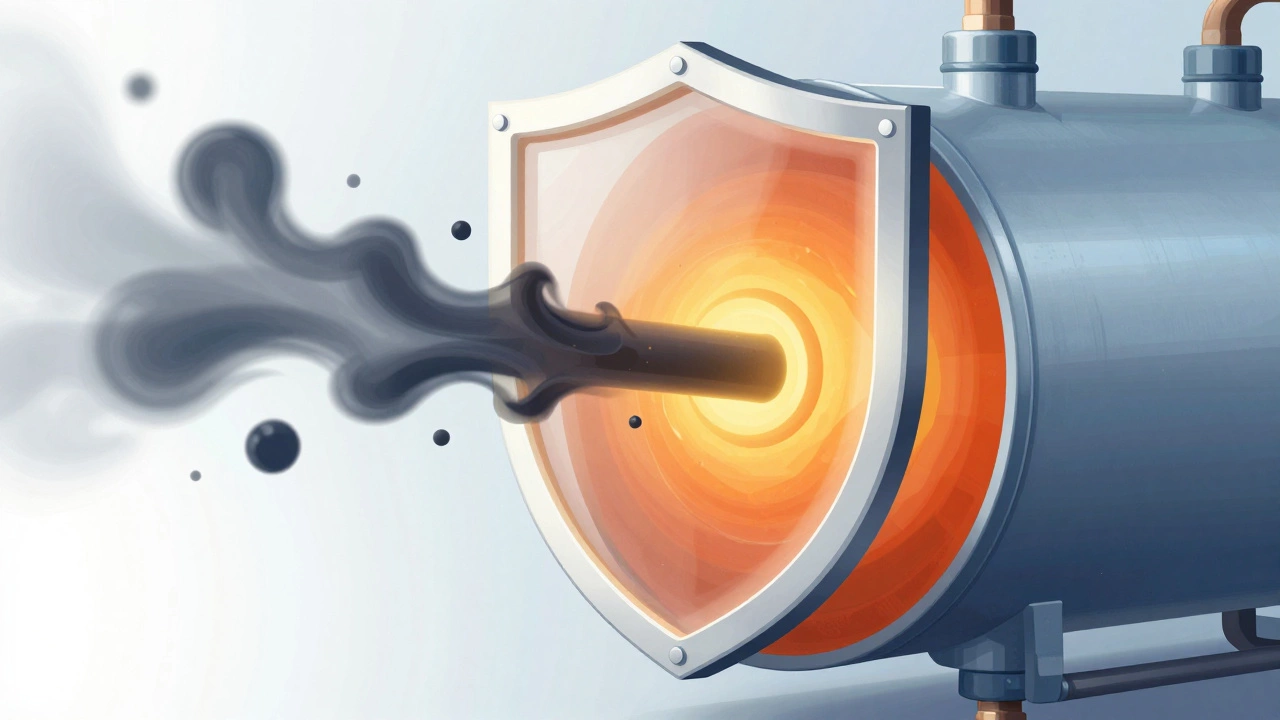
This works through a process called galvanic corrosion. In simple terms, electricity flows from the anode rod to the steel tank. The rod becomes the target for corrosive elements in the water. As long as the rod has material left to give, the tank stays safe. Once the rod is completely consumed, the corrosion shifts directly to the steel tank. That is when the leaks start. Think of the anode rod as a shield; once the shield breaks, the king (your tank) is vulnerable.
Factors That Determine Replacement Frequency
There is no single calendar date for replacing an anode rod. Several variables dictate how fast the rod depletes. Understanding these helps you tailor your maintenance schedule.
- Water Hardness: Hard water contains high levels of minerals like calcium and magnesium. While this causes scale buildup, it can also accelerate the consumption of certain types of anode rods, particularly magnesium ones. Soft water, conversely, may allow the rod to last longer but can sometimes lead to different chemical reactions depending on pH levels.
- pH Levels: Acidic water (low pH) eats through metal faster. If your municipal water supply or well water is acidic, your anode rod will degrade much quicker than average. Alkaline water slows down the corrosion process but increases scaling.
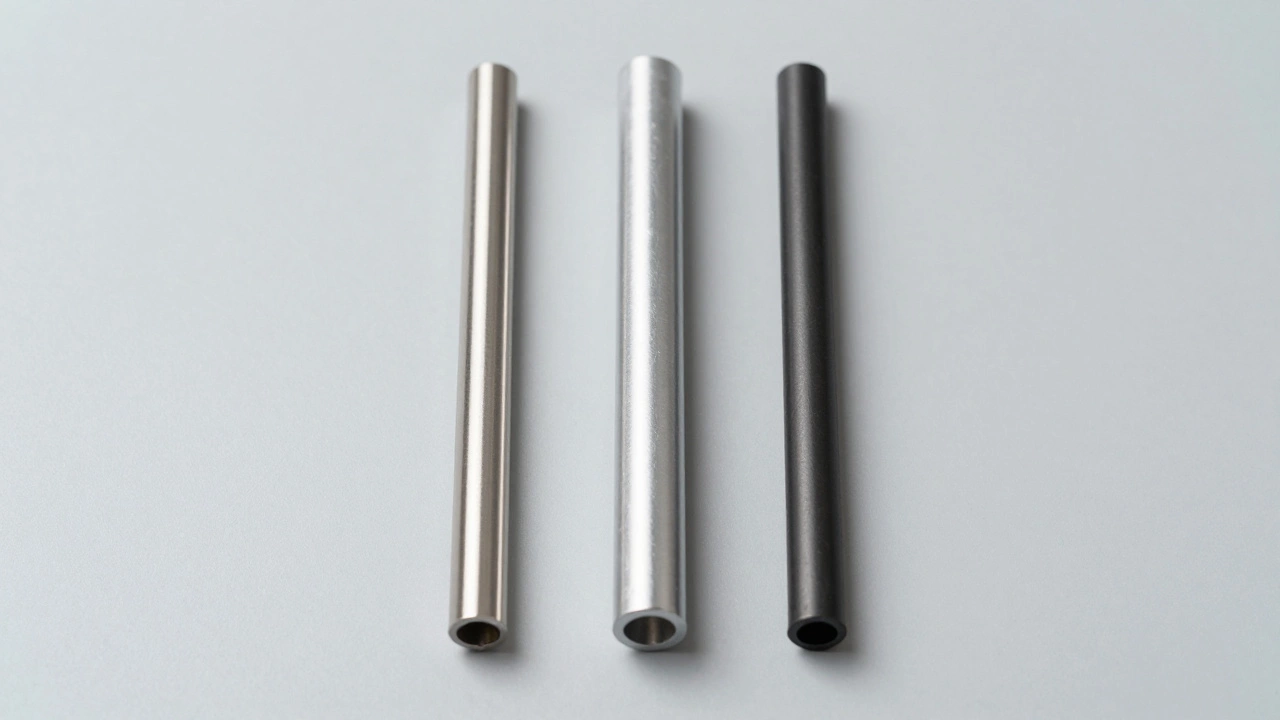
- Anode Material: Magnesium rods are highly reactive and protect the tank aggressively, meaning they burn out faster. Aluminum rods are less reactive and tend to last longer but may not perform as well in soft water. Hybrid rods combine both metals to balance lifespan and protection.
- Temperature Settings: Higher temperatures increase the rate of chemical reactions. If you keep your thermostat cranked up above 60°C (140°F), you’ll likely consume the anode rod faster than someone running at 50°C (120°F).
- Usage Volume: A household of six people using gallons of hot water daily will cycle water through the tank more frequently than a single person. More turnover means more exposure to corrosive elements.
Signs Your Anode Rod Needs Replacement
You can’t see the rod without opening the access panel, so you have to rely on indirect signs. Here is what to watch for:
- Rotten Egg Smell: This is the most common indicator. Sulfate-reducing bacteria thrive in the sediment at the bottom of the tank. These bacteria react with magnesium anodes to produce hydrogen sulfide gas, which smells like rotten eggs. Switching to an aluminum or hybrid rod often solves this smell immediately.
- Reduced Heating Efficiency: If your water isn’t getting as hot or takes longer to heat up, it could be due to sediment buildup associated with an aging system where the anode may already be depleted.
- Noises: Popping or rumbling sounds indicate heavy mineral deposits burning off the heating element. While not a direct sign of anode failure, it suggests the internal environment is harsh and the anode is under stress.
- Age of the Unit: If your water heater is older than three years and you’ve never checked the rod, assume it needs inspection. Most manufacturers recommend checking every two years.
Step-by-Step: How to Inspect and Replace the Anode Rod
Checking an anode rod is a DIY-friendly task if you have basic tools. You don’t need to drain the entire tank unless the rod is stuck or severely corroded. Here is how to do it safely.
Tools You Will Need
- A special anode rod wrench or a large adjustable crescent wrench (often 1-1/8 inch)
- A bucket and hose
- New anode rod (magnesium, aluminum, or hybrid)
- Teflon tape or pipe dope
- Gloves and safety glasses
The Inspection Process
- Turn Off Power/Gas: For electric heaters, switch off the breaker. For gas heaters, turn the dial to "Pilot." Shut off the cold water supply valve to the tank.
- Relieve Pressure: Open a hot water faucet somewhere in the house to prevent vacuum lock. Attach a garden hose to the drain valve and run it to a floor drain or outside. Open the drain valve slightly to relieve pressure.
- Access the Rod: Locate the anode rod port, usually near the top of the tank next to the temperature/pressure relief valve. Remove the plastic cap or insulation covering the nut.
- Remove the Rod: Use your wrench to loosen the hex nut. Turn counter-clockwise. If it’s tight, tap the wrench handle gently to break the seal. Pull the rod straight out. Be prepared for some water to spill out, so keep the bucket handy.
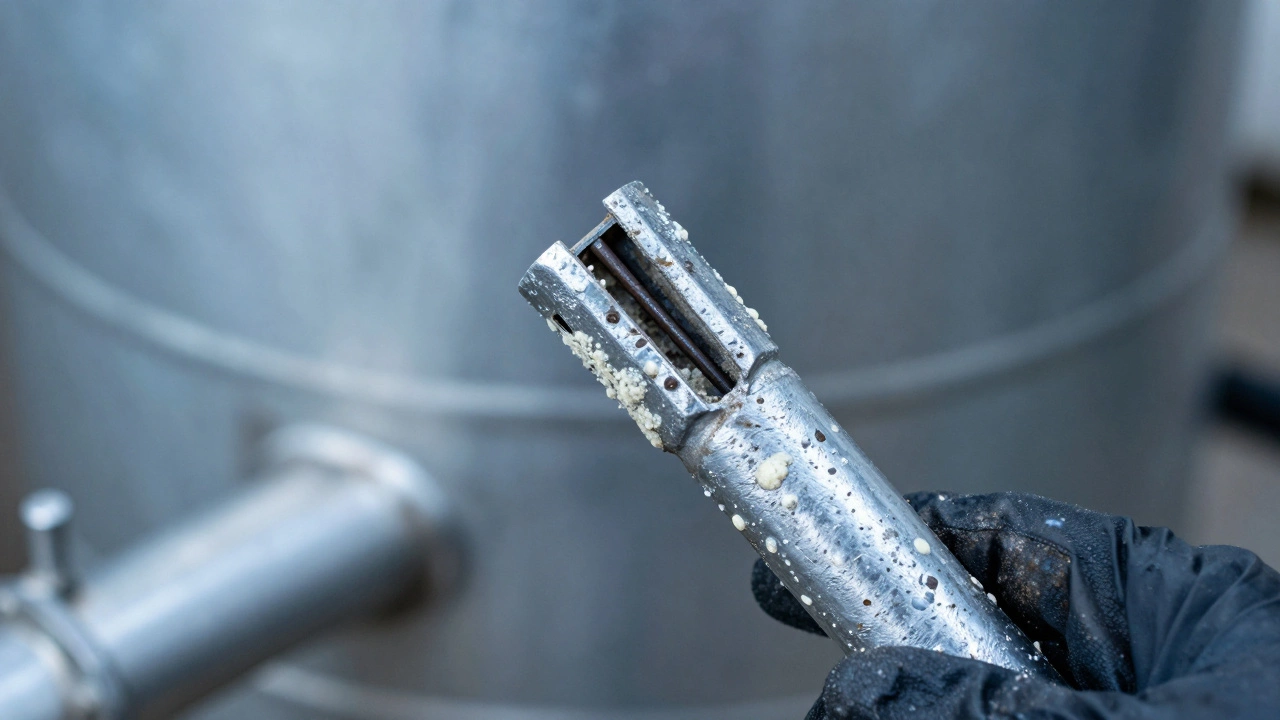
- Inspect the Core: Look at the iron wire core inside the rod. If the core is visible and the outer metal coating is gone or thinner than 1/2 inch, replace it. If the core is bent or broken, the rod is useless.
- Install the New Rod: Wrap the threads of the new rod with Teflon tape. Insert it into the tank and tighten the nut securely. Do not overtighten, as you can crack the tank threads.
- Restore Service: Close the drain valve, remove the hose, and turn the cold water supply back on. Wait for the tank to fill (open the hot water faucet until steady flow returns). Restore power or gas.
| Type | Lifespan | Best For | Drawbacks |
|---|---|---|---|
| Magnesium | 2-4 years | Hard water, aggressive corrosion protection | Can cause rotten egg smell, burns out quickly |
| Aluminum | 4-6 years | Soft water, preventing odor issues | Less effective in hard water, can pit if not monitored |
| Hybrid (Mg/Al) | 5-7 years | Balanced performance, general use | Slightly more expensive than pure rods |
| Polyphosphate | Indefinite (non-sacrificial) | Tanks with severe corrosion history | Does not sacrifice itself; requires tank condition assessment |
Cost vs. Benefit: Is It Worth It?
A new anode rod costs between $20 and $50 depending on the material. Professional installation might add another $100 to $150. Compare that to the cost of a new water heater, which ranges from $800 to $2,000 plus installation. Replacing the anode rod extends the life of your tank by several years. It is arguably the cheapest insurance policy you can buy for your home’s plumbing infrastructure.
If you live in an area with very hard water, like parts of Dunedin or other regions with specific geological profiles, you might lean toward aluminum or hybrid rods to mitigate odor while maintaining protection. Always check your local water report if available. Municipalities often publish annual water quality reports that detail hardness and pH levels.
Common Mistakes to Avoid
When tackling this job, homeowners often make errors that lead to bigger problems. Here is what to skip:
- Skipping the Inspection: Assuming the rod is fine because the water heater is working. The tank can fail silently until it bursts.
- Using the Wrong Wrench: Standard wrenches often slip and round off the hex nut, making removal a nightmare. Invest in a dedicated anode rod wrench.
- Ignoring Sediment: While you have the rod out, consider flushing the tank. Removing sediment improves efficiency and reduces strain on the anode.
- Overtightening: Tank threads are often soft steel or brass. Cranking down too hard can strip the threads, requiring professional welding or tank replacement.
When to Call a Professional
While inspecting the rod is manageable for most DIYers, call a plumber if:
- The rod is seized and won’t budge after gentle tapping and penetrating oil application.
- You notice leaks around the anode port itself, indicating thread damage.
- Your water heater is under warranty, as DIY work might void coverage.
- You are unsure about shutting off gas or electrical connections safely.
Regular maintenance keeps your hot water flowing and your wallet intact. Schedule an inspection every two years, and treat your anode rod with the respect it deserves-it’s literally saving your tank from ruin.
How do I know if my anode rod is bad?
You cannot tell by looking at the outside of the tank. You must remove the rod to inspect it. If the iron core wire is visible, or if the remaining metal coating is less than half an inch thick, the rod is exhausted and needs replacement. A rotten egg smell from your hot water is also a strong indicator that a magnesium rod is fully consumed or reacting with bacteria.
Can I replace the anode rod myself?
Yes, replacing an anode rod is a common DIY task. You need a specific wrench, basic plumbing knowledge, and the ability to safely shut off power and water. If the rod is stuck or you are uncomfortable with electrical/gas systems, hire a professional.
What happens if I don't replace the anode rod?
Without a functional anode rod, the steel tank begins to corrode. This leads to pinhole leaks, eventual tank failure, and potential water damage to your home. The lifespan of your water heater could drop from 10+ years to just 5 or 6 years.
Is aluminum better than magnesium for anode rods?
It depends on your water. Magnesium is more reactive and offers stronger protection but burns out faster and can cause odors. Aluminum lasts longer and resists odor but is less effective in soft water. Hybrid rods offer a middle ground. Check your water hardness to decide.
How much does it cost to replace an anode rod?
The part itself costs between $20 and $50. If you hire a plumber, expect to pay between $100 and $150 for labor and parts combined. This is significantly cheaper than replacing a failed water heater tank.