Anode Rod Replacement: When and Why It Matters for Your Water Heater
When you think about your water heater, you probably don’t picture a metal rod inside the tank—but that anode rod, a metal rod installed in water heaters to prevent tank corrosion by attracting corrosive elements. Also known as a sacrificial anode, it’s the unsung hero keeping your hot water running for years. Without it, the steel lining of your tank would rust from the inside out, leading to leaks, rusty water, and a full replacement sooner than you expect.
This rod works by being more reactive than the tank itself. It eats away slowly over time, taking the damage so your tank doesn’t have to. That’s why it’s called a sacrificial anode, a component designed to corrode in place of another metal part to extend its lifespan. Most anode rods are made of magnesium, aluminum, or zinc. Magnesium is common in softer water areas, while aluminum works better in harder water. The type matters, but the timing matters more. If you haven’t checked yours in five years, you’re already behind.
Here’s the thing: anode rods don’t come with a countdown timer. You won’t hear them failing. But you’ll know when they’re gone—when your water smells like rotten eggs, when rust shows up in your sink, or when your heater starts making loud popping noises. These aren’t just annoyances—they’re warnings your tank is now unprotected. A 10-year-old water heater with a dead anode rod might only have 1-2 years left. Replace the rod at the 3-5 year mark, and you could double its life.
Some people think flushing the tank is enough. It helps remove sediment, but it doesn’t stop corrosion. Only the anode rod does that. And if you’ve got hard water, high usage, or an older heater, you might need to replace it even sooner. It’s not a complicated job, but it’s easy to ignore. Most homeowners don’t even know it exists until their heater starts leaking all over the garage floor.
What you’ll find below are real-world stories and guides from people who’ve been there—whether they replaced their anode rod themselves, waited too long and paid the price, or discovered how water quality affects the rod’s lifespan. You’ll see how often it needs checking, what tools you actually need, and how to tell if your rod is still doing its job. No fluff. Just what works.
Aug 27, 2026
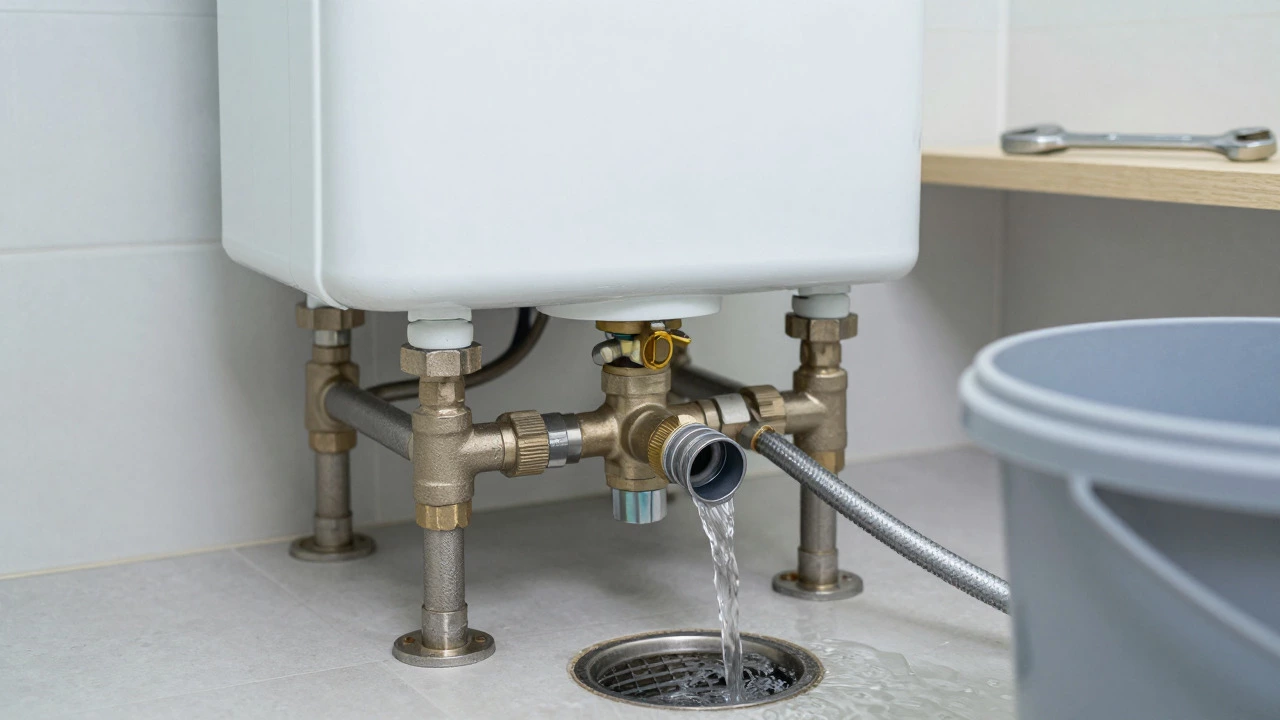
Water Heater Maintenance Guide: Essential Checks and Repairs
0 Comments
Learn essential water heater maintenance tasks like flushing, anode rod checks, and TPR valve testing to prevent costly repairs and extend your unit's life.
Read MoreJul 9, 2026
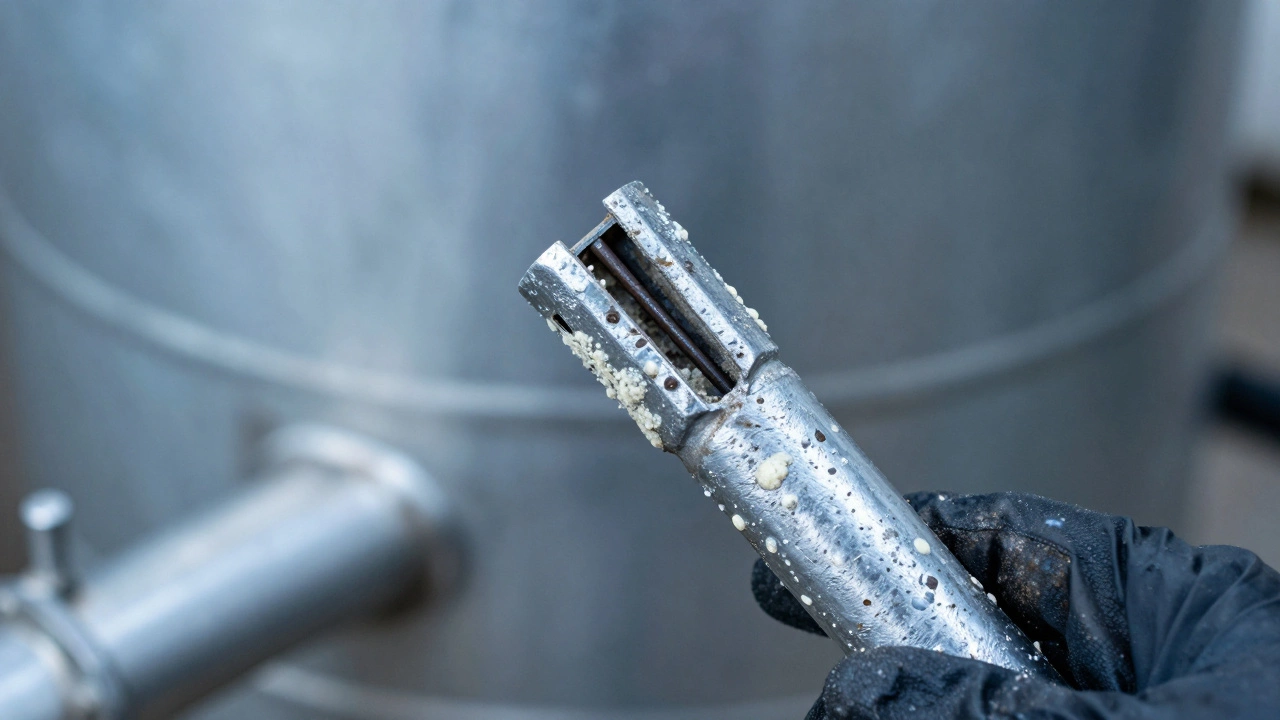
How Often to Replace Anode Rods: The Ultimate Water Heater Guide
0 Comments
Learn exactly how often to replace your water heater's anode rod to prevent tank corrosion. We cover inspection steps, signs of wear, and the best rod types for your water quality.
Read MoreOct 27, 2025
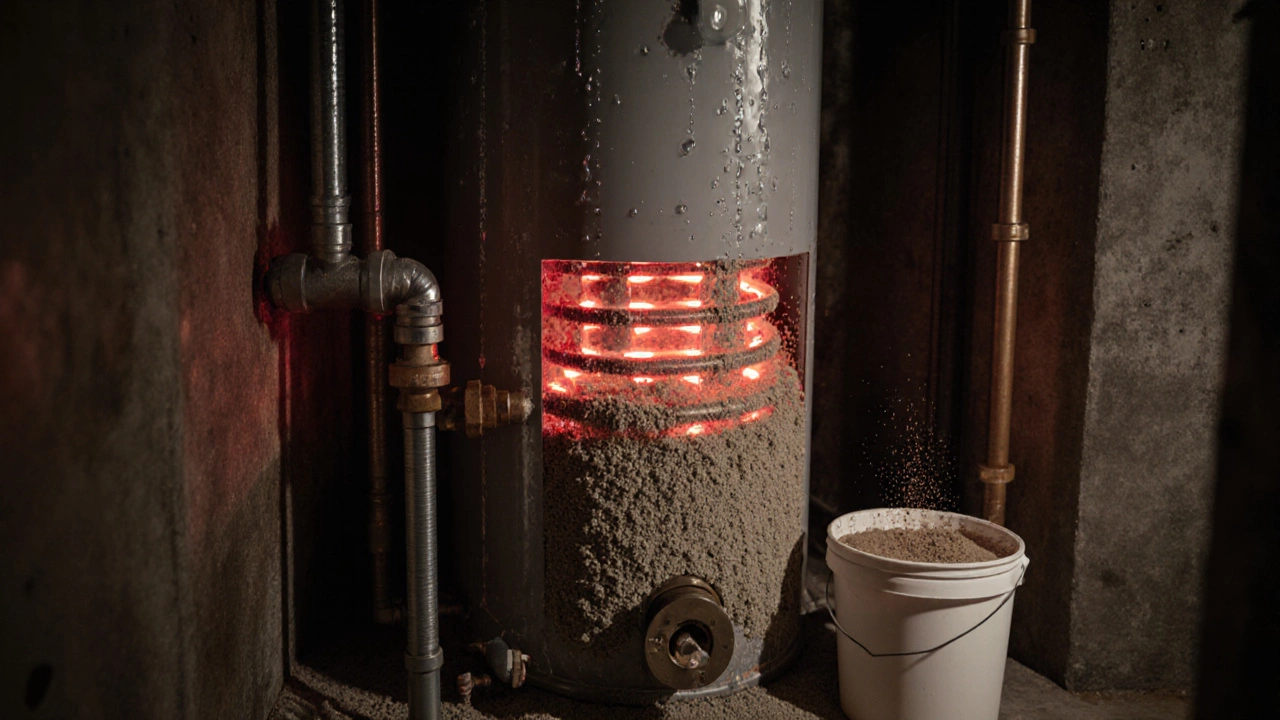
Why Do Water Heaters Fail So Quickly?
0 Comments
Water heaters often fail early due to sediment buildup, corroded anode rods, high pressure, and wrong temperature settings. Learn how simple maintenance can double your heater's lifespan.
Read More