
Oven Repair vs. Replacement Calculator
Repair Details
Appliance Context
Estimated Repair Total: $0
Cost Breakdown
Analysis
Repair Cost vs. New Oven: 0%
Oven Age Status: Unknown
Recommendation
Enter details and click calculate.
Nothing ruins dinner plans faster than an oven that won’t heat up or keeps the wrong temperature. You’re staring at a cold roast, wondering if you should call a professional or try to fix it yourself. The big question on everyone’s mind is simple: how much will this actually cost?
The short answer is that most oven repair jobs in New Zealand range between $150 and $450. However, that number can swing wildly depending on what part broke, whether you have gas or electric, and who you hire. If you’ve got a high-end smart oven from a brand like Bosch or Miele, expect to pay more for specialized parts and labor.
In this guide, we’ll break down exactly where your money goes. We’ll look at labor rates, common part prices, and how to spot a quote that’s too good to be true. By the end, you’ll know whether it makes sense to repair your current oven or bite the bullet and buy a new one.
Understanding the Base Costs: Labor vs. Parts
When a technician arrives at your door, you are paying for two main things: their time and the parts they bring with them. In Dunedin and across Otago, licensed appliance technicians typically charge an hourly rate or a flat service fee. As of 2026, the average call-out fee sits around $80 to $120. This covers the drive to your home and the first 30 minutes of diagnosis.
If the job takes longer, the clock starts ticking. Hourly labor rates for skilled tradespeople in New Zealand generally fall between $90 and $150 per hour. So, a quick fix that takes 30 minutes might only cost you the call-out fee plus the part. A complex job involving disassembling the entire back panel could easily push labor costs over $200.
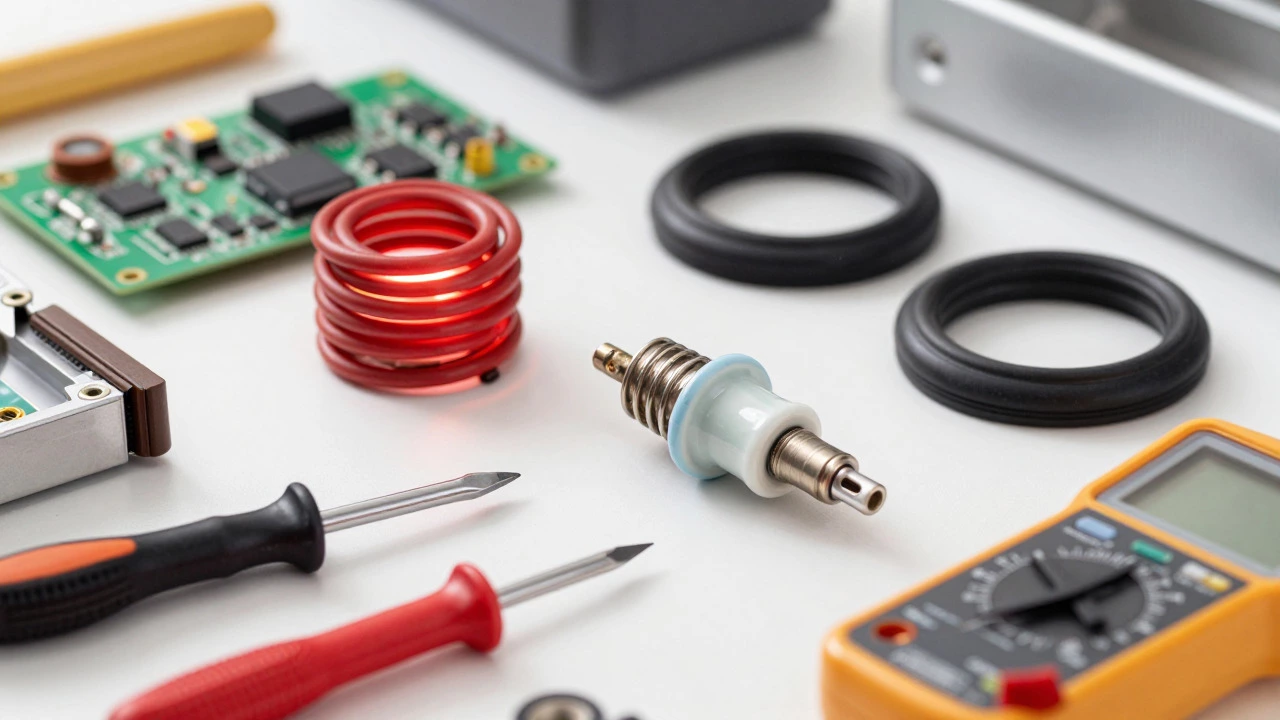
Parts are the other half of the equation. Simple items like thermal fuses or door switches are cheap, often costing under $50. But if you need a new control board or a heating element, the price jumps. Original Equipment Manufacturer (OEM) parts are always more expensive than generic alternatives, but they fit better and last longer. Always ask your technician if they use OEM parts before they start working.
| Component | Part Cost Estimate | Labor Time Estimate | Total Estimated Cost |
|---|---|---|---|
| Heating Element | $80 - $150 | 30 - 60 mins | $170 - $250 |
| Thermostat/Temp Sensor | $60 - $120 | 30 - 45 mins | $150 - $220 |
| Control Board | $200 - $400 | 1 - 2 hours | $350 - $600+ |
| Oven Door Seal/Gasket | $40 - $80 | 30 mins | $120 - $180 |
| Igniter (Gas Ovens) | $50 - $100 | 30 - 45 mins | $130 - $200 |
Common Breakdowns and Their Prices
Not all oven failures are created equal. Some issues are minor annoyances, while others signal a major mechanical failure. Knowing which problem you have helps you predict the bill.
Heating Elements are the most frequent culprits in electric ovens. Over time, the metal coils inside burn out. You’ll notice this when the oven takes forever to preheat or doesn’t get hot at all. Replacing an element is straightforward. A technician can usually swap it out in under an hour. The total cost rarely exceeds $250.
For gas oven users, the Igniter is the weak link. The igniter glows red to open the gas valve. If it’s weak, the gas won’t flow, and your oven stays cold. Igniters are fragile and prone to cracking. Replacement is affordable, usually keeping the total bill under $200.
Temperature sensors and thermostats are trickier. If your food is burning even though the dial says 180°C, your sensor is likely drifting. Calibrating it might fix it, but often the part needs replacing. These jobs require careful testing, so labor costs add up. Expect to pay between $150 and $220.
The most expensive repair involves the Control Board. Think of this as the oven’s brain. It manages the display, the timers, and the power distribution. If the board fails, the oven might not turn on at all, or the digital display might show error codes. Control boards are complex electronics. They are expensive to source and take time to install. Bills for control board replacements often start at $350 and can climb past $600 for premium brands.
Electric vs. Gas Oven Repair Costs
The type of fuel your oven uses changes the repair landscape significantly. Electric ovens rely on heavy-duty wiring and heating elements. Gas ovens involve combustion, gas lines, and safety valves. Generally, gas oven repairs are slightly more expensive due to the complexity of the gas train components and the strict safety regulations involved.
In New Zealand, anyone working on gas appliances must hold a specific license. This requirement limits the pool of available technicians compared to electric appliance repairers. Scarcity drives up the price. If your gas oven has a faulty gas valve, you aren’t just paying for the part; you’re paying for the certified expertise required to ensure there are no leaks. Never attempt to repair gas components yourself. The risk of carbon monoxide poisoning or explosion is not worth saving a few hundred dollars.
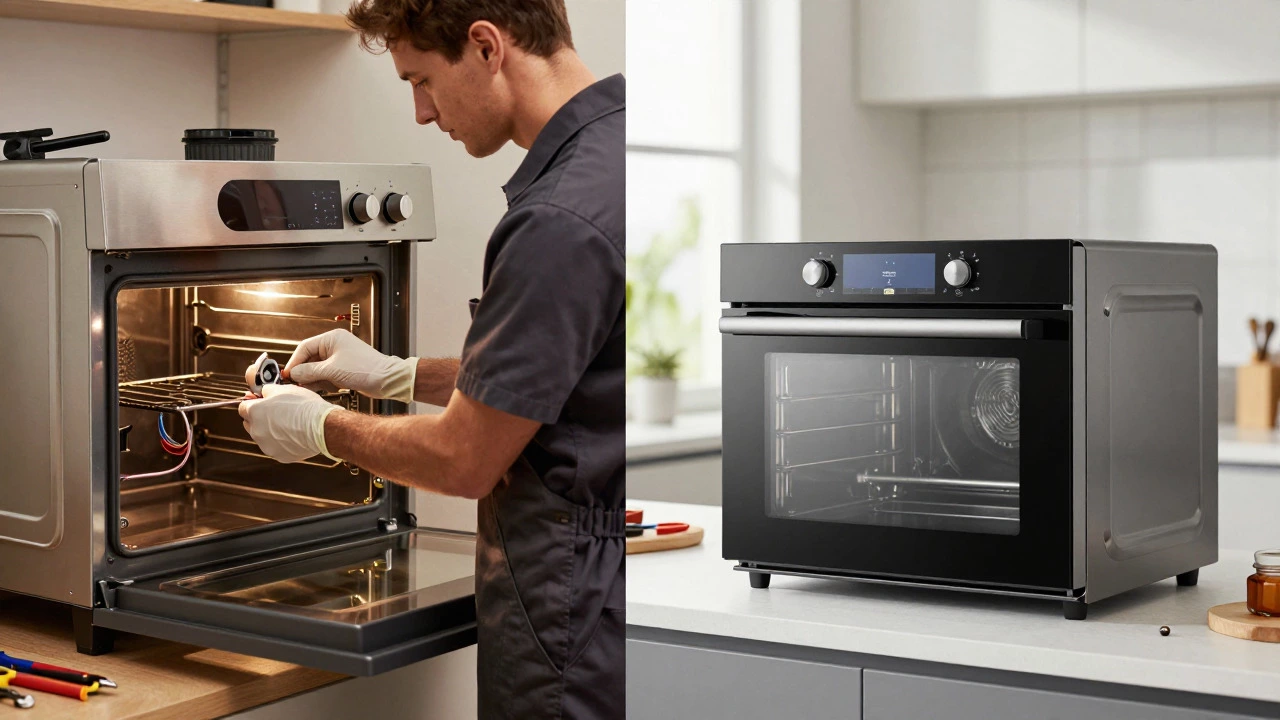
Electric ovens, on the other hand, are more accessible for DIY enthusiasts. If you are comfortable handling basic electrical work and have a multimeter, you might save on labor by replacing a heating element yourself. Just remember to disconnect the power at the switchboard before touching anything. Even with the power off, capacitors can hold a charge, so caution is key.
When Is It Cheaper to Replace Than Repair?
This is the million-dollar question. You don’t want to spend $400 fixing an oven that’s going to die again in six months. A good rule of thumb is the "50% Rule." If the cost of the repair is more than 50% of the price of a new, comparable oven, you should probably replace it.
Consider the age of your appliance. Most standard ovens last between 10 and 15 years. If your oven is 12 years old and needs a new control board ($400), it’s likely nearing the end of its life. Other components, like the fan motor or door hinges, may fail soon after. Investing in a repair is throwing good money after bad.
New ovens also come with warranties. When you buy a new unit, you get peace of mind for several years. Additionally, modern ovens are more energy-efficient. An older oven might be leaking heat through worn seals, driving up your electricity bills. A new model could save you money every month, offsetting the initial purchase price.
However, if your oven is less than five years old and the issue is a simple part like a fuse or a seal, repair is almost always the smarter financial choice. High-end built-in ovens can cost $2,000 or more. Spending $200 to keep a $2,500 oven running is a no-brainer.
DIY Repairs: Saving Money or Wasting Time?
We live in an era of YouTube tutorials. It’s tempting to watch a video showing someone swapping an oven element in ten minutes and think, "I can do that." For some tasks, you absolutely can. Replacing a door gasket or a visible heating element is low-risk and can save you the $100 call-out fee.
But there are pitfalls. First, you need the right tools. Stripping a screw because you don’t have the correct Torx driver can damage the casing, leading to more expensive cosmetic repairs. Second, you need to diagnose correctly. If you replace the element but the real problem was the relay on the control board, you’ve wasted $100 on a part and still have a broken oven.
Safety is the biggest concern. Working with 240-volt electricity is dangerous. If you are not confident in your ability to safely isolate circuits and test for live wires, stay away. Similarly, gas repairs should never be DIY. The consequences of a mistake are severe. If you decide to go the DIY route, stick to non-electrical, non-gas components like racks, knobs, or door handles.
Getting Accurate Quotes in Dunedin
Prices vary between companies. Some independent technicians offer lower rates than large franchise chains because they have fewer overheads. When looking for help in Dunedin, check reviews on local platforms. Look for technicians who specialize in appliance repair rather than general handymen. Specialization means they carry common parts in their van, reducing wait times for ordering components.
Always ask for a written estimate before any work begins. A reputable technician will provide a breakdown of labor and parts. Be wary of quotes that seem unusually low. They might hide extra fees or use inferior aftermarket parts that fail quickly. Conversely, if a quote seems excessively high, ask for justification. Are they using OEM parts? Do they offer a warranty on the repair?
Many companies offer diagnostic fees that are waived if you proceed with the repair. This is a fair arrangement. It encourages transparency and ensures the technician is motivated to find the root cause efficiently. Ask about this policy upfront. It can save you money if you decide not to go ahead with the fix after hearing the full price.
Preventing Future Breakdowns
You can’t stop wear and tear entirely, but you can extend your oven’s life. Regular cleaning is crucial. Spilled grease and food debris can clog vents and ignite, damaging internal components. Use a mild detergent and avoid harsh chemicals that can corrode the interior enamel.
Check the door seals regularly. If the rubber gasket is cracked or brittle, heat escapes. This forces the heating elements to work harder, shortening their lifespan. Cleaning the seals with warm soapy water removes grime that prevents a tight seal. If a seal is damaged, replace it immediately. It’s a cheap fix that saves energy and protects the rest of the oven.
Avoid slamming the oven door. The hinges and latches take a beating every time you open and close it. Gentle handling preserves the alignment of the door, ensuring it seals properly every time. Finally, don’t overload the oven. Blocking airflow with too many pans disrupts the temperature distribution and stresses the thermostat and fans.
Is it worth repairing a 15-year-old oven?
Generally, no. A 15-year-old oven is at the end of its expected lifespan. Unless the repair is very minor (under $100), the money is better spent on a new, more efficient model. Older ovens also lack modern safety features and consume more energy.
Why is my oven repair quote so high?
High quotes often stem from expensive electronic parts like control boards or high labor rates for specialized gas work. Ensure the quote includes OEM parts and a warranty. Compare multiple quotes to gauge market rates in your area.
Can I replace an oven heating element myself?
Yes, if you are comfortable with basic electrical safety. You must disconnect the power at the mains before starting. It involves removing screws and unplugging connectors. If you are unsure, hire a professional to avoid shock hazards.
How long does a typical oven repair take?
Most standard repairs, such as replacing an element or igniter, take 30 to 60 minutes. More complex jobs involving control boards or internal wiring can take 1 to 2 hours. Technicians usually complete the job in one visit unless rare parts need ordering.
Do oven repairs come with a warranty?
Reputable technicians should offer a warranty on both parts and labor, typically ranging from 3 months to 1 year. This protects you if the same issue recurs or if the replacement part fails prematurely. Always ask for warranty details in writing.