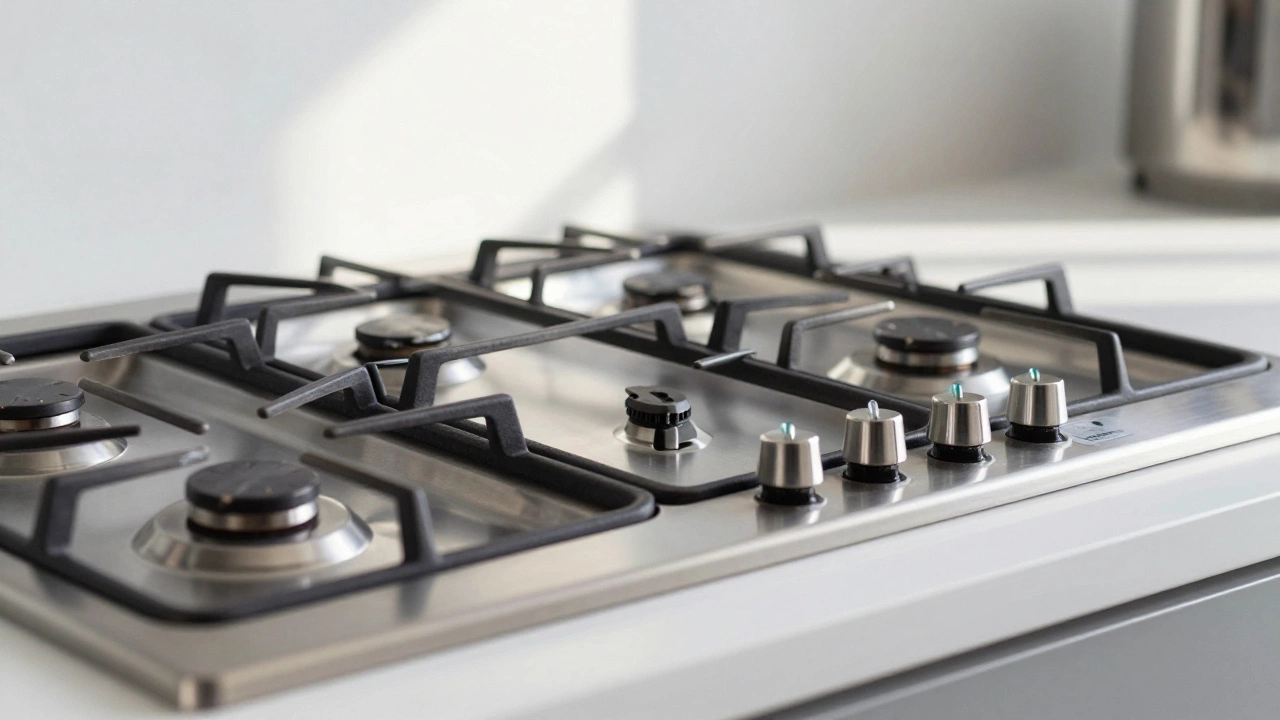
Gas Hob Repair vs. Replace Calculator
Hob Details
Recommendation
Enter Details
Fill in the form to calculate the best financial and safety decision for your gas hob.
There is nothing worse than turning on your stove for dinner and realizing the flame won't catch, or worse, smells like rotten eggs. It forces an immediate question: is this a simple fix, or has my appliance finally reached its end?
If you are wondering about the life expectancy of a gas hob, the short answer is usually between 10 and 15 years. However, that number can swing wildly depending on how hard you use it, what material it’s made from, and whether you’ve been keeping it clean. Some units fail after five years due to neglect; others keep ticking along for two decades with basic care.
Knowing when to repair and when to replace saves you money and keeps your kitchen safe. Let’s break down what determines how long your gas hob lasts and how to squeeze every last year out of it.
What Actually Determines How Long a Gas Hob Lasts?
A gas hob isn’t just one piece of metal. It is a system of moving parts, gas lines, igniters, and seals. The lifespan depends heavily on the quality of these components and the environment they live in.
Build Quality is the primary factor in durability. A cheaply made unit with thin enamel coating will chip and crack within a few years, exposing the metal underneath to rust. High-end brands often use thicker cast iron burners and stainless steel bodies that resist warping under high heat.
Another major factor is usage intensity. If you are cooking three meals a day, plus baking and slow-cooking, your hob works overtime. Heavy pots placed directly over open flames can warp the grates and damage the burner heads over time. Conversely, if you only use it for boiling water and quick sautés, it will likely outlast the average estimate.
Maintenance habits play a huge role too. Grease buildup blocks air intake ports on burners, causing inefficient combustion. This makes the hob work harder to produce the same heat, wearing out the gas valves and thermocouples faster. Regular cleaning isn't just about looks; it’s about performance longevity.
Material Matters: Cast Iron vs. Stainless Steel vs. Enamel
The surface material of your gas hob significantly impacts its lifespan. Here is how the common materials stack up against daily wear and tear.
| Material | Average Lifespan | Pros | Cons |
|---|---|---|---|
| Stainless Steel | 15-20+ years | Resists corrosion, easy to clean, modern look | Shows fingerprints, can scratch |
| Cast Iron (Burners) | 20+ years | Extremely durable, retains heat well | Heavy, prone to rust if not dried properly |
| Enamel-on-Steel | 10-15 years | Affordable, easy to wipe clean | Chips easily, cracks can lead to rust |
| Glass-Ceramic (Gas-Glass) | 10-15 years | Sleek design, easy to clean surface | Fragile to impact, expensive to repair |
Stainless steel remains the king of longevity for the main body. It doesn’t rust and handles thermal shock better than glass. Cast iron burners are nearly indestructible unless dropped from height. However, enamel surfaces are risky. Once that glossy coating chips, moisture gets in, and rust spreads underneath, often requiring a full replacement rather than a patch job.
Signs Your Gas Hob Is Dying
You don’t always have to wait for the hob to stop working completely. There are early warning signs that indicate internal components are failing. Ignoring these can lead to safety hazards or more expensive repairs later.
- Inconsistent Flames: If the flame flickers, turns yellow instead of blue, or goes out randomly, your air-to-gas mix is off. This could be clogged jets or a failing valve.
- Ignition Issues: If you have to strike a match because the electric spark won’t light the gas, the ignition module or electrode is worn out. While repairable, frequent failures suggest the control board is aging.
- Gas Smells Without Flame: This is a critical red flag. If you smell gas but see no flame, the thermocouple (safety device) might be broken. Shut off the gas immediately and call a professional.
- Visible Rust or Cracks: Surface rust on grates is normal, but rust on the main body or cracks in the enamel mean structural integrity is compromised.
- Noise: Hissing louder than usual or clicking continuously after lighting indicates a problem with the gas flow or sensor.
If you notice two or more of these issues simultaneously, especially on a hob older than 10 years, it’s often smarter to budget for a replacement than to spend hundreds on parts that might fail again soon.
Repair vs. Replace: When Does It Make Sense?
This is the biggest dilemma homeowners face. Just because something breaks doesn’t mean it needs replacing. But economics and safety must guide your decision.
Consider the "50% Rule." If the cost of repair exceeds 50% of the price of a new, comparable unit, replacement is usually the better financial move. For example, if a new mid-range gas hob costs $400, and fixing the ignition system and replacing a corroded burner head costs $250, you’re better off buying new. You get a warranty, improved efficiency, and peace of mind.
However, minor fixes are worth it. Replacing a faulty thermocouple ($30-$50 part cost) or cleaning out clogged burner jets (free if you do it yourself) can extend life by several years. These are low-cost interventions with high returns.
Safety overrides cost. If there is any doubt about gas leaks, cracked gas lines, or electrical faults in the ignition system, do not attempt DIY repairs. Hire a certified technician. If they recommend replacement due to unsafe internal conditions, listen to them.
How to Extend the Life of Your Gas Hob
You can easily add 3-5 years to your hob’s life with simple, consistent habits. Most premature failures come from preventable neglect.
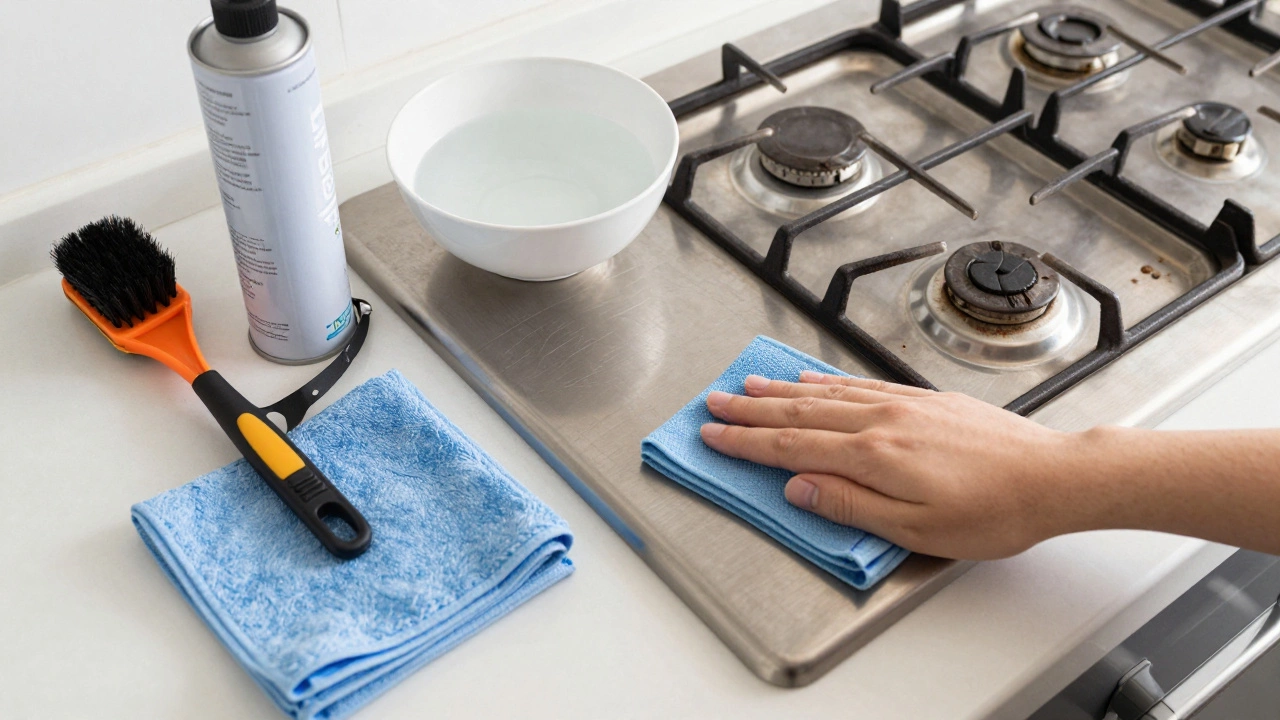
- Clean After Every Use: Wipe down spills while the hob is still warm (but not hot). Sugar and acidic sauces can eat away at enamel and stainless steel if left to dry. Use a soft cloth and mild detergent-avoid abrasive scouring pads that scratch surfaces.
- Check Burner Jets Monthly: Food particles and grease can block the tiny holes in the burner jet. Remove the burner cap and gently clean the jet with a pin or compressed air. This ensures efficient burning and prevents soot buildup.
- Dry Cast Iron Thoroughly: After washing cast iron grates or burners, dry them completely before putting them back. Even a little moisture leads to rust spots that weaken the metal over time.
- Use Correct Pan Sizes: Don’t put a small pot on a large burner. The flame should stay within the base of the pan. Exposed flame heats the air around the hob, degrading seals and increasing fire risk.
- Annual Professional Check: Have a qualified technician inspect gas connections, valves, and ventilation once a year. They can spot wear and tear before it becomes a failure.
Common Myths About Gas Hob Lifespan
There’s a lot of misinformation floating around online. Let’s clear up a few myths that might be making you worry unnecessarily-or dangerously complacent.
Myth: "Gas hobs last forever if you never turn them on."
Not true. Rubber seals and gaskets degrade over time due to oxidation and temperature changes, even without use. Electrical components in the ignition system also age. A hob sitting unused for 20 years may have brittle wires and cracked seals upon first firing.
Myth: "Yellow flames are normal."
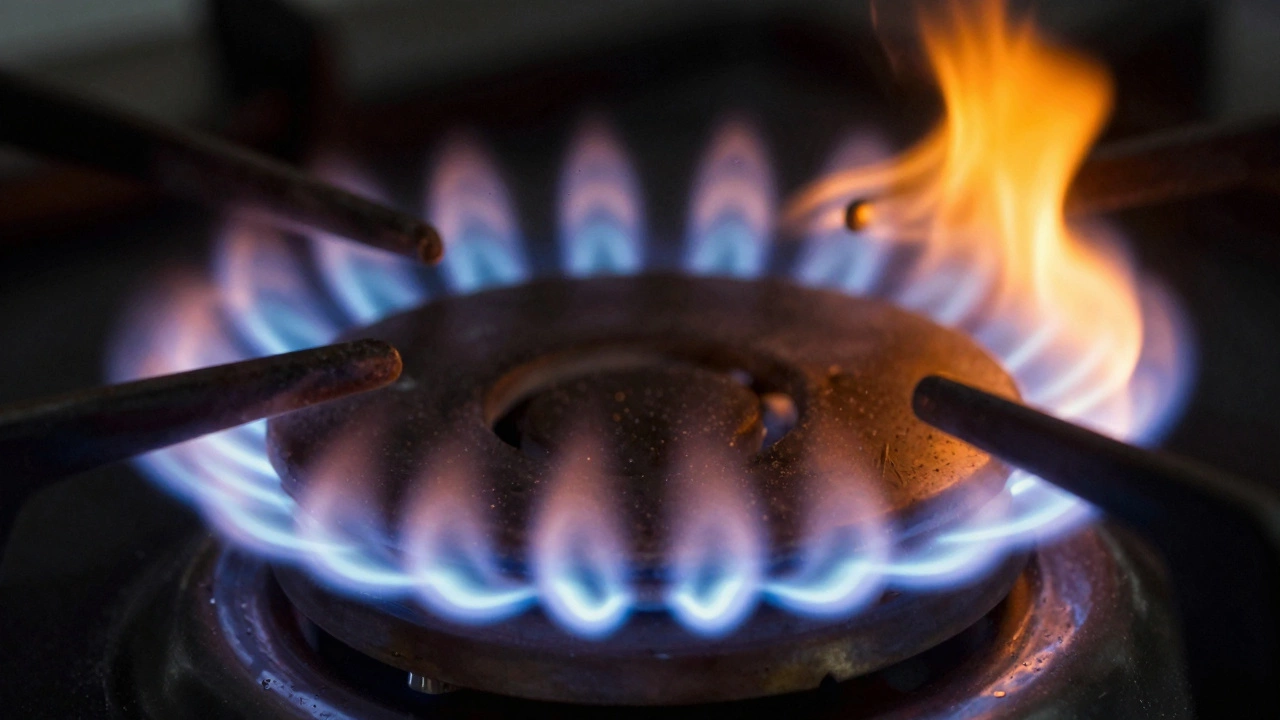
Absolutely not. A healthy gas flame is blue. Yellow or orange flames indicate incomplete combustion, producing carbon monoxide. This is dangerous and signals a need for immediate cleaning or repair.
Myth: "Expensive brands last twice as long."
While premium brands use better materials, proper maintenance matters more. A well-cared-for budget hob can outlive a neglected luxury model. Focus on build quality (stainless/cast iron) rather than brand prestige alone.
Environmental Factors That Shorten Lifespan
Your kitchen environment plays a bigger role than you think. Coastal areas like Dunedin, New Zealand, where I live, have salty air that accelerates corrosion on metal surfaces. If you live near the ocean, wipe down your stainless steel hob regularly with fresh water to remove salt residue.
Humidity is another enemy. Steam from boiling water condenses on cooler parts of the hob, leading to moisture traps. Ensure your extractor fan is working efficiently to pull steam away from the cooking surface. Poor ventilation causes grease and moisture to settle into crevices, promoting rust and mold.
Hard water areas also pose risks. Limescale buildup can clog burner jets and affect ignition sensors. If you have hard water, consider using distilled water in kettles or descaling your hob periodically with vinegar solutions (check manufacturer guidelines first).
Conclusion: Plan Ahead for Replacement
Understanding the life expectancy of a gas hob helps you plan financially and safely. Aim for 10-15 years as a baseline. If your hob is approaching this age, start saving for a replacement. Look for models with stainless steel bodies and cast iron burners for maximum durability.
Don’t ignore warning signs. Early intervention through cleaning and minor repairs can buy you extra time. But when safety is compromised or repair costs mount up, embrace the upgrade. Modern gas hobs offer better efficiency, safer ignition systems, and easier cleaning designs than older models.
Treat your hob with respect, keep it clean, and monitor its performance. In return, it will provide reliable, efficient cooking for many years to come.
Is it safe to use a gas hob older than 15 years?
It can be safe if it has been well-maintained and inspected annually by a professional. However, components like gas valves, seals, and ignition systems degrade over time. If you notice inconsistent flames, gas smells, or difficulty lighting, replace it immediately regardless of age. Safety inspections are crucial for older appliances.
Can I replace just one burner on my gas hob?
Yes, individual burners can often be replaced. This is a cost-effective repair if only one burner is damaged or clogged. However, ensure the replacement matches the original specifications exactly. Mismatched burners can cause uneven heating or safety issues. Consult a technician if unsure about compatibility.
Why does my gas hob click continuously after lighting?
Continuous clicking usually means the ignition sensor thinks the flame is out. This could be due to a dirty sensor, misaligned electrode, or weak spark. Clean the area around the ignition pin with a soft brush. If the problem persists, the ignition module may need replacement. Do not ignore this as it wastes battery power and indicates a fault.
Does regular cleaning really extend the life of a gas hob?
Absolutely. Grease and food residue block air vents and burner jets, forcing the hob to work harder and inefficiently. This increases wear on internal components. Regular cleaning prevents corrosion, ensures proper airflow, and maintains efficient combustion, directly contributing to a longer operational lifespan.
When should I hire a professional to check my gas hob?
Hire a professional annually for routine maintenance, or immediately if you smell gas, hear hissing sounds, or see yellow flames. Also consult a pro if you experience frequent ignition failures or if the hob is over 10 years old and showing signs of wear. Certified technicians can detect hidden issues like micro-leaks or degraded wiring that aren't visible to untrained eyes.