Boiler Service Time Estimator
Estimated Duration
Select your boiler type to start the estimation.
Quick Summary: Service Time Estimates
- Standard Annual Service: 45 to 90 minutes.
- Comprehensive System Check: 2 to 3 hours.
- Service with Minor Repairs: 3 to 5 hours.
- Full System Flush & Service: Half a day to a full day.
What Actually Happens During a Boiler Service?
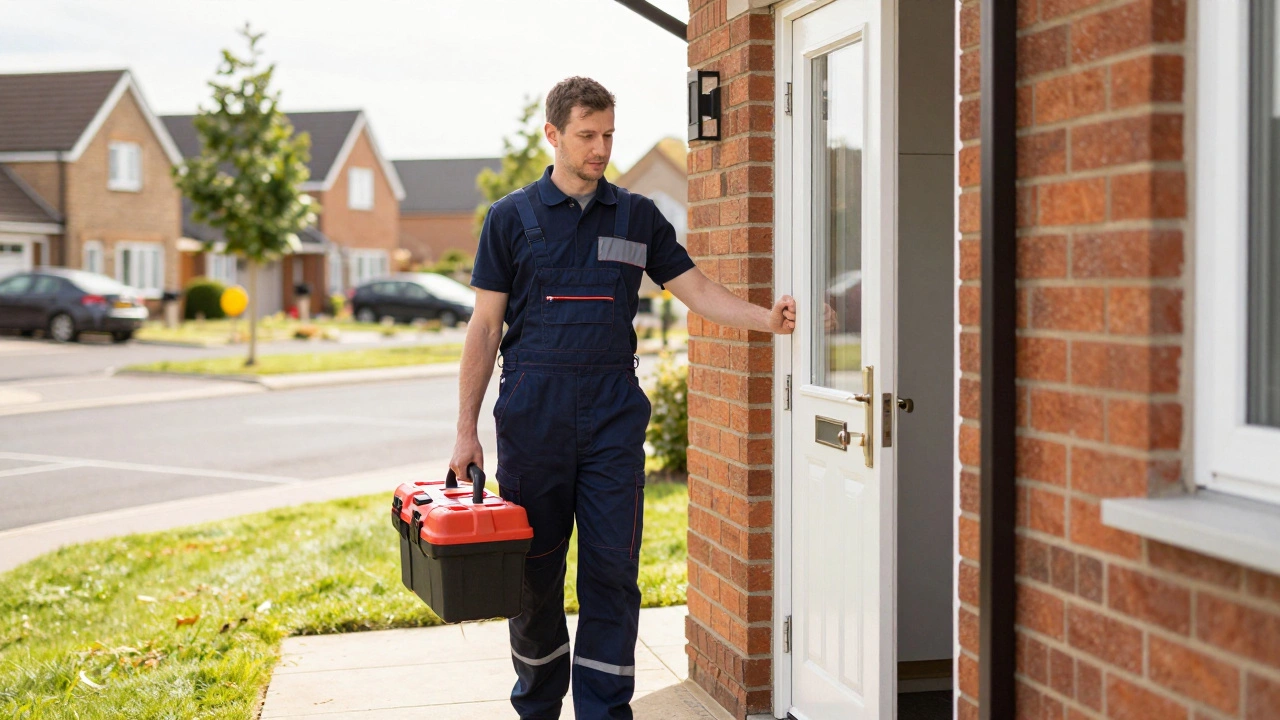
When an engineer arrives, they aren't just flipping a switch. A proper service is a safety-first operation designed to keep your home from becoming a hazard. The process starts with a visual inspection. They'll check for leaks, corrosion, and signs of wear. Then, they move into the technical guts of the machine.
One of the most critical parts is the Combustion Analysis is the process of measuring the flue gases to ensure the boiler is burning fuel efficiently and safely. Using a calibrated flue gas analyzer, the tech checks for carbon monoxide levels. If the readings are off, they can't just leave; they have to tune the burner or clear the flue, which adds about 30 minutes to the clock.
Next, they'll dive into the Heat Exchanger, which is the component that transfers heat from the combustion process to the water circulating through your radiators. Dust and debris build up here over time. Cleaning this part is a bit like vacuuming a rug-it doesn't take forever, but if it's neglected for three years, it takes a lot longer to get the gunk out.
The Time Breakdown: Step-by-Step
To understand the timing, it helps to see the service as a checklist. Most Heating Engineers follow a strict protocol to ensure nothing is missed.
- Initial Setup (10-15 mins): Parking, greeting, and getting to the boiler. If your boiler is hidden behind a heavy wardrobe or in a cramped attic, add 20 minutes just for the setup.
- Visual & Safety Checks (15-20 mins): Checking the seals, the condensate pipe, and looking for any signs of leaking water.
- Internal Cleaning & Testing (30-45 mins): Removing the cover, cleaning the burner, checking the electrodes, and testing the pressure valves.
- Gas Safety & Flue Testing (20-30 mins): This is the non-negotiable part. They test the air-to-gas ratio to prevent carbon monoxide poisoning.
- System Calibration (15-20 mins): Adjusting the thermostat and checking the pump speed to ensure your radiators heat up evenly.
- Paperwork & Certification (10 mins): Filling out the service record and issuing your safety certificate.
Why Some Services Take Much Longer Than Others
If your neighbor says their service took 40 minutes and yours took 3 hours, it doesn't necessarily mean your plumber was slow. There are a few common "time-killers" that can derail a quick visit.
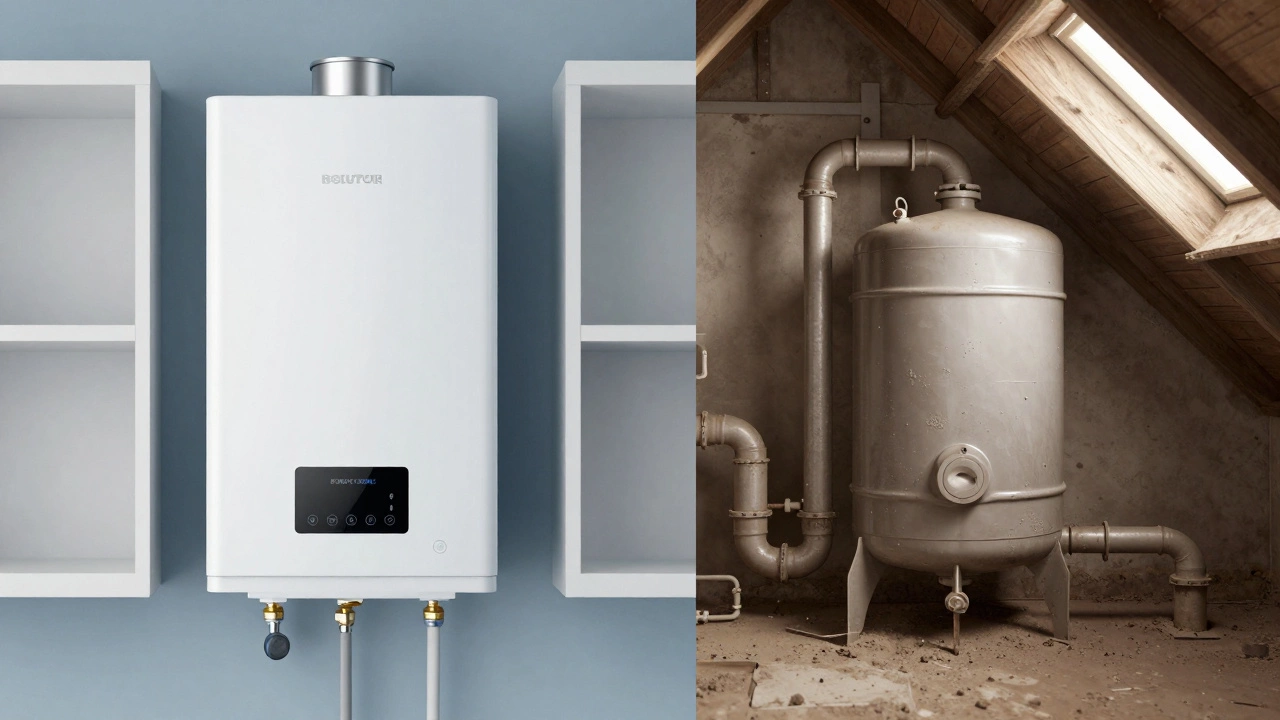
First, consider the type of boiler. A Combi Boiler, which provides both heating and hot water from a single unit without a storage tank, is generally faster to service because everything is in one box. On the other hand, a traditional system with a separate Cold Water Storage Tank in the attic requires the engineer to move around the house, checking multiple points of failure, which adds significant time.
Second, let's talk about sludge. Over years of use, iron oxide builds up in your pipes. If the engineer notices your radiators aren't heating up properly, they might suggest a power flush. A standard service doesn't include this, but if they find a massive blockage, the "quick service" suddenly turns into a full-day project involving chemical cleaners and high-pressure pumps.
| Boiler Type | Typical Time | Complexity Level | Key Focus Area |
|---|---|---|---|
| Combi Boiler | 60 - 90 Mins | Medium | Internal Components |
| System Boiler | 90 - 120 Mins | High | Cylinder & Pipework |
| Conventional Boiler | 120 - 180 Mins | High | Tank & Header Vessel |
Warning Signs That Your Service Is Taking Too Long
It's normal for an engineer to spend an hour or two on a boiler, but you should be alert if the visit stretches into a second day without a clear explanation. A pro should be able to tell you exactly why they are delayed. For example, if they say, "The diverter valve is sticking and I need to dismantle the manifold to see why," that's a specific, valid reason for extra time.
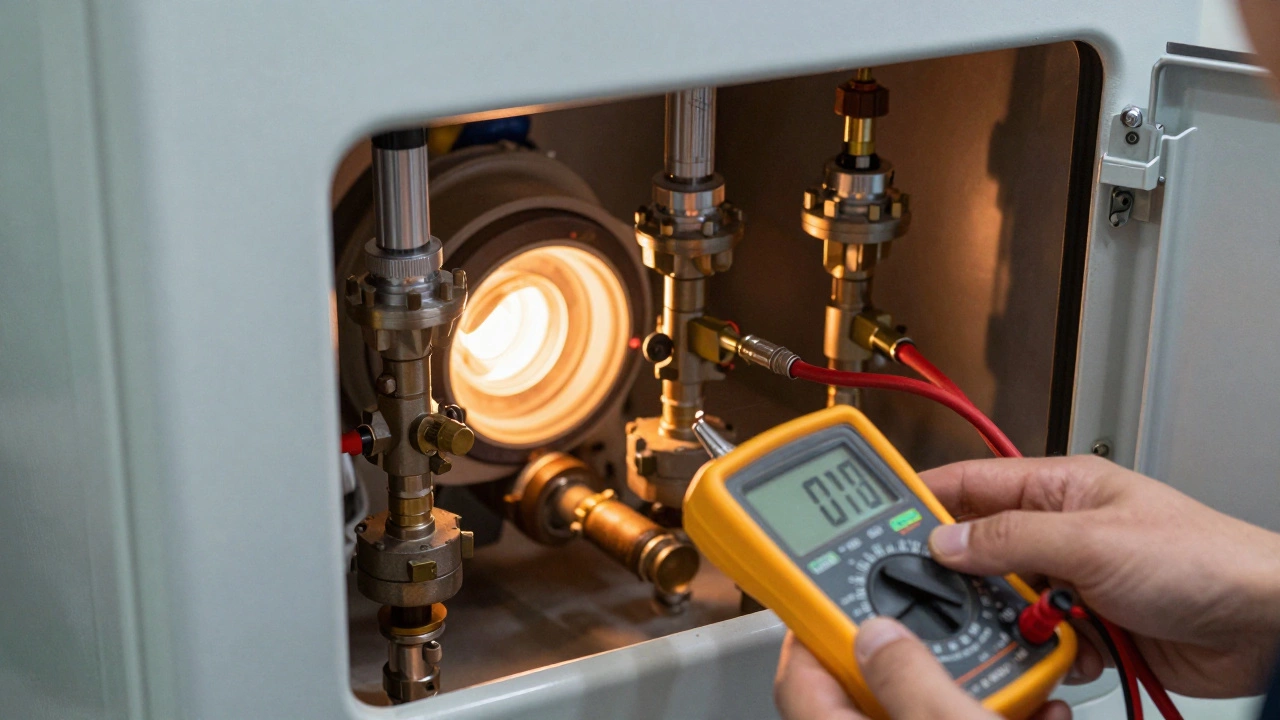
However, if they are just "poking around" without using diagnostic tools, that's a red flag. A qualified technician should be using tools like a manometer or a digital multimeter to pinpoint a fault. If they spend three hours and can't tell you what's wrong, you might be dealing with someone who is out of their depth.
How to Speed Up the Process
You can actually help your boiler service time by doing a little prep work. It sounds simple, but it makes a huge difference to a technician.
- Clear the Area: If your boiler is in a cupboard, clear out the cleaning supplies and boxes before they arrive. An engineer spending 20 minutes moving your laundry is 20 minutes they aren't spent fixing your heater.
- Find Your Manual: Have the user manual or the model number ready. It helps them identify the exact part specifications without having to hunt through online databases on their phone.
- Note the Glitches: Write down any weird noises or cold spots in your radiators. Telling them "The upstairs bathroom radiator stays cold at the bottom" saves them from having to test every single radiator in the house.
The Cost of Time: Service vs. Repair
It's a common mistake to confuse a boiler service with a boiler repair. A service is preventative maintenance-like an oil change for a car. It's designed to find problems before they happen. If the engineer finds a cracked pipe or a failed pump during the service, the time spent fixing that is separate from the service time.
Most companies charge a flat fee for the annual service. But if the visit turns into a repair, you'll likely move into an hourly rate. This is why a 90-minute visit can suddenly become a 4-hour visit; the engineer has switched from "checking" mode to "fixing" mode. Always ask for a quote for the additional repair work before they start the teardown.
Do I really need a boiler service every year?
Yes, for two main reasons: safety and efficiency. An annual check ensures that carbon monoxide isn't leaking into your home and that the boiler is burning gas efficiently. Skipping a year can lead to higher energy bills and, in worst-case scenarios, dangerous gas leaks. Plus, most boiler warranties require annual servicing to remain valid.
Why is my boiler service taking 3 hours?
If a service exceeds two hours, it's usually because the engineer found a fault that needs immediate attention or the system is heavily contaminated with sludge. It could also be due to an older, conventional system that requires checking tanks in the attic and pipes in the cellar, which naturally takes longer than a compact combi unit.
What happens if the engineer finds a problem during the service?
The engineer will inform you of the issue and explain whether it's a critical safety failure or a recommendation for future repair. If it's critical (like a blocked flue), they may cap the gas supply for your safety. They should provide a quote for the repair before proceeding.
Can I do a boiler service myself to save time?
Absolutely not. In most regions, it is illegal and incredibly dangerous for an unqualified person to open a gas appliance. Only a registered professional (such as someone on the Gas Safe register in the UK) has the training and equipment to test for gas leaks and combustion efficiency.
Does a boiler service include a full system flush?
No. A standard service includes cleaning the boiler's internal components and checking safety. A system flush (removing sludge from all radiators) is a separate, more intensive job that usually takes several hours and is billed as an additional service.
What to Do Next
If your boiler is knocking, leaking, or just not heating your home like it used to, don't wait for the annual anniversary. Schedule a diagnostic visit. If you haven't had a service in over 12 months, the first visit might take slightly longer than usual as the engineer clears out a year's worth of dust and debris. Be sure to check that your engineer is fully certified before they touch your system-your safety is worth the extra five minutes of verification.