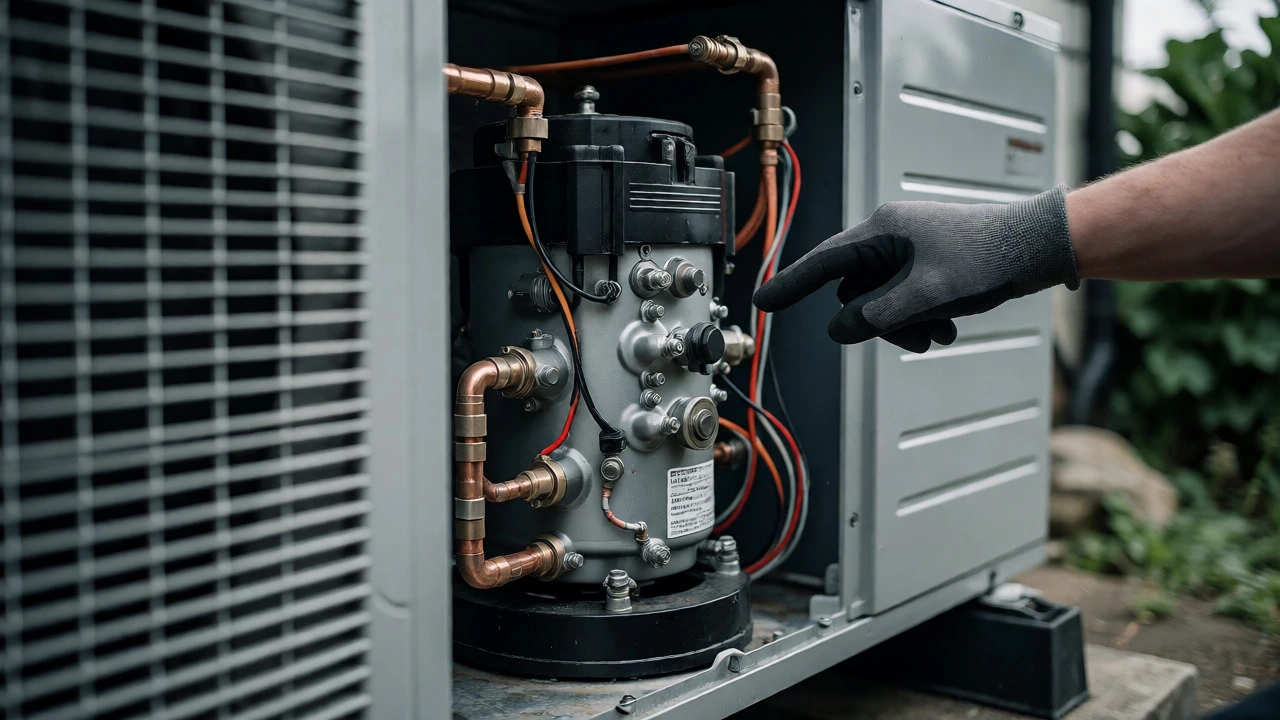
Heat Pump Compressor Repair vs. Replace Calculator
Enter your current system details to see if repairing the compressor is financially smarter than replacing the entire unit.
Your System Details
Financial Analysis
Fill in the details and click "Analyze Recommendation" to see your results.
You open your utility bill and feel that familiar sting of disappointment. Your heat pump is running constantly, but the house still feels like a refrigerator in July or an icebox in January. You call a technician, they listen to the unit, shake their head, and drop the bomb: "It's the compressor." Suddenly, you're staring down a repair quote that looks more like a mortgage payment than a service fee. The immediate question screaming through your mind is simple: How much does a compressor cost for a heat pump?
But here’s the twist nobody tells you upfront: replacing the compressor is rarely just about buying the part. It’s a labor-intensive surgery on the heart of your HVAC system. And often, it’s not even the smartest financial move. Before you write that check, you need to understand the real numbers, the hidden costs, and the critical decision matrix between repairing and replacing. Let’s break down exactly what you’re paying for and how to decide if your current unit is worth saving.
The Real Price Tag: Parts vs. Labor
When people ask about the cost, they usually mean the sticker price of the metal can sitting outside. But that’s only half the story. A standard residential heat pump compressor typically ranges from $500 to $1,500 for the part itself. High-efficiency variable-speed models or commercial-grade units can push this number closer to $2,000 or $3,000. However, you cannot install this thing yourself with a wrench and some hope. It requires certified handling of refrigerants, electrical work, and vacuuming the lines.
Labor costs are where the budget explodes. Expect to pay between $1,500 and $3,000 for professional installation. This includes recovering the old refrigerant (which is expensive and regulated), disposing of the old compressor, installing the new one, recharging the system, and testing for leaks. So, when a contractor quotes you $4,000 for a compressor replacement, they aren’t ripping you off. They’re charging for a complex procedure that takes 4-8 hours of skilled labor.
| Cost Component | Low End Estimate | High End Estimate | Notes |
|---|---|---|---|
| Compressor Unit Only | $500 | $2,500 | Depends on SEER rating and brand |
| Labor & Installation | $1,500 | $3,500 | Includes refrigerant handling |
| Total Replacement Cost | $2,000 | $6,000+ | Excludes potential line-set damage |
| New Heat Pump System | $4,500 | $10,000+ | Full unit replacement including installation |
Why Is It So Expensive? Understanding the Mechanics
To understand why you’re paying thousands, you have to appreciate what the compressor actually does. Think of it as the engine of your car. It compresses low-pressure refrigerant gas into high-pressure hot gas, allowing it to release heat inside your home during winter and absorb it outside during summer. If this fails, the cycle breaks completely.
The complexity comes from the precision required. Modern heat pumps use advanced refrigerants like R-410A or the newer R-454B. These aren't things you can top off like windshield washer fluid. Improper handling voids warranties and can destroy the new compressor instantly. Furthermore, if the original compressor failed due to a mechanical seizure, it likely sent metal shavings throughout the entire system. Simply swapping the compressor without flushing the lines or replacing the condenser coil will result in the new part failing within months. That’s why technicians often recommend a full system flush, adding another $300-$500 to the bill.
Repair vs. Replace: The 50% Rule
This is the most critical decision you’ll make. There is a widely accepted heuristic in the HVAC industry called the "50% Rule." If the cost of the repair exceeds 50% of the cost of a new system, replace the whole unit. Here’s why: A heat pump has an average lifespan of 10-15 years. If your unit is already 12 years old, putting a $4,000 compressor into it is throwing good money after bad. The other components-the fan motor, the capacitor, the reversing valve-are also nearing the end of their life. Fixing one organ while the rest of the body is failing is a recipe for future headaches.
Consider the efficiency gains too. An older heat pump might have a SEER (Seasonal Energy Efficiency Ratio) of 10 or 12. Newer models hit 16-20 SEER. By replacing the entire system, you could cut your energy bills by 20-30%. Over ten years, those savings can offset a significant portion of the higher upfront cost of a new unit compared to a repair.
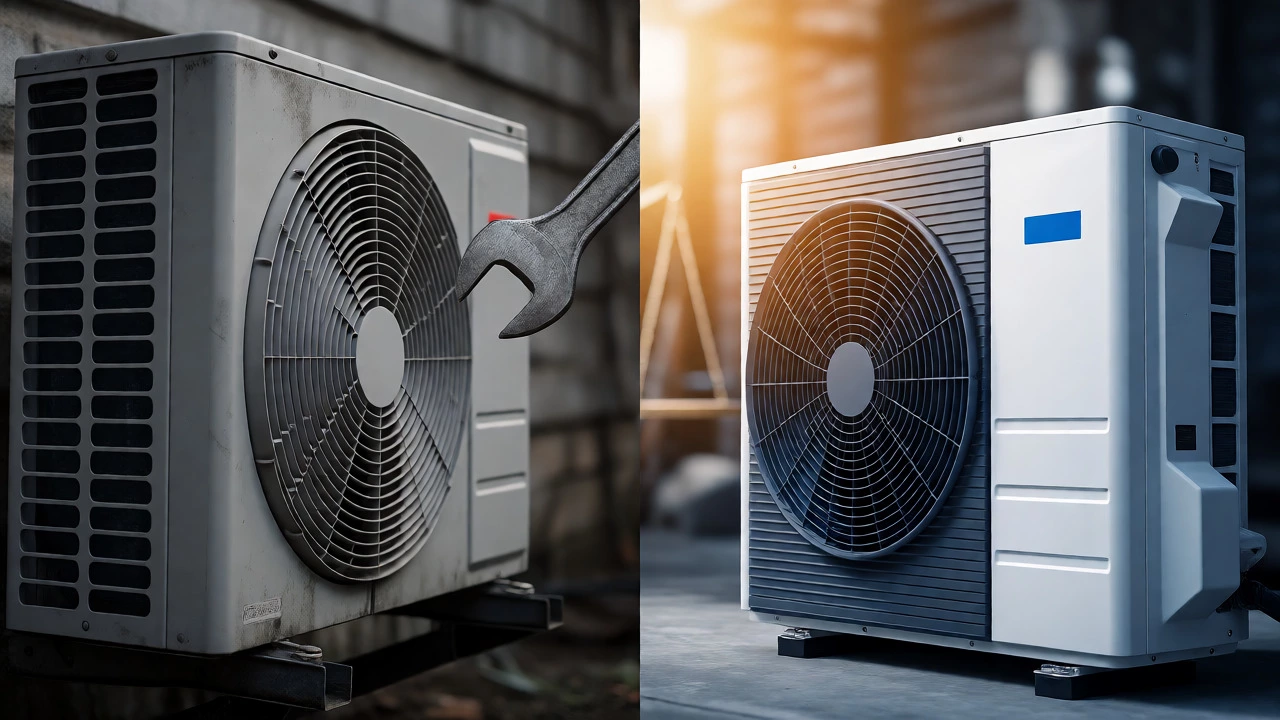
Signs Your Compressor Is Actually Failing
Not every loud noise means a dead compressor. In fact, true compressor failures are relatively rare compared to issues with capacitors or refrigerant leaks. Misdiagnosis happens frequently. Here is how to spot the difference:
- The Hum of Death: If the outdoor unit tries to start, hums loudly for a few seconds, and then shuts off, it’s often a stuck compressor or a failed hard-start kit. A hard-start kit is a cheap fix ($50-$150 part + labor) that can sometimes revive a struggling compressor.
- Breaker Trips: If the compressor trips the circuit breaker immediately upon startup, it indicates an internal electrical short. This is usually fatal for the unit.
- Overheating: Touch the copper discharge line coming out of the compressor. It should be hot. If it’s cold, the compressor isn’t pumping. If it’s scorching hot and tripping thermal switches, it’s working too hard, possibly due to low refrigerant or dirty coils.
- Noises: Grinding or knocking sounds suggest physical damage to the pistons or bearings. Buzzing usually points to electrical issues, which are cheaper to fix.
Hidden Costs That Blow Up Your Budget
The quote you get over the phone is rarely the final invoice. Several variables can spike the price. First, accessibility matters. If your outdoor unit is on a second-floor balcony or tucked behind a locked gate, expect extra charges for equipment hoisting or additional labor time. Second, permit fees. Many municipalities require permits for HVAC work involving refrigerant handling, adding $50-$200 to the total.
Another major factor is the condition of the line set-the insulated pipes connecting the indoor and outdoor units. If these are corroded or damaged, they must be replaced. Replacing line sets adds $300-$600 to the project. Also, check your warranty status. Most manufacturers offer a 5-year parts warranty. If you registered your product within 90 days of purchase, you might get the compressor covered, leaving you responsible only for labor. If you didn’t register it, you’re paying full freight.
How to Save Money Without Cutting Corners
You don’t have to accept the first quote. Get three estimates. Ask specifically if the quote includes a system flush. If the tech says no, ask why. If your compressor seized, a flush is non-negotiable. If they say yes, verify if they use a chemical flush or a mechanical one; chemical is standard for minor contamination, but severe cases need line replacements.
Timing is everything. HVAC contractors are swamped during extreme weather-July heatwaves and January freezes. Scheduling your repair in the shoulder seasons (spring or fall) can sometimes net you better rates because demand is lower. Additionally, look for local rebates. While federal tax credits often target full system replacements, some state or utility companies offer rebates for high-efficiency repairs or specific component upgrades.
Finally, consider the "hard start" option before condemning the compressor. For under $300 total, a technician can install a hard-start kit. This provides an extra boost of electricity to help the compressor kick in. It doesn’t fix a broken motor, but it solves many starting issues caused by age-related wear. It’s a low-risk gamble that could buy you two more years of reliable service.
Maintenance Tips to Extend Compressor Life
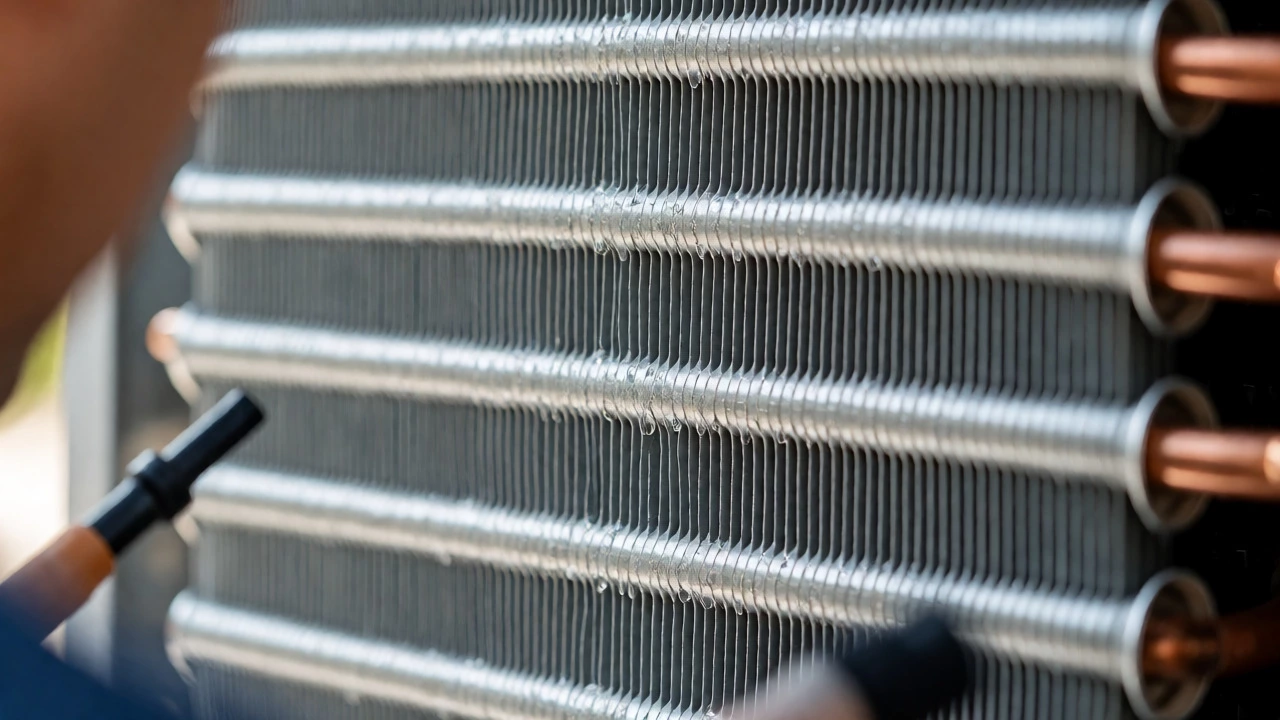
Once you’ve paid for the repair or the new system, keep it alive. The biggest killer of compressors is overheating due to poor airflow. Clean the outdoor coils twice a year. Remove leaves, grass clippings, and dust. Keep vegetation trimmed at least two feet away from the unit. Change your air filters monthly. A clogged filter forces the system to work harder, increasing pressure on the compressor.
Also, avoid short-cycling. Don’t set your thermostat to swing wildly up and down. Frequent starts and stops wear out the compressor faster than steady operation. Use a programmable thermostat to maintain consistent temperatures. If you notice the unit running continuously without reaching the set temperature, shut it down and call a pro. Running dry or under low refrigerant conditions destroys compressors rapidly.
Is it worth replacing a compressor in an old heat pump?
Generally, no. If your heat pump is more than 10 years old, the cost of replacing the compressor (often $2,000-$4,000) is close to the price of a new, more efficient unit. New units offer better SEER ratings, which save money on energy bills, and come with fresh warranties. Repairing an old unit risks further breakdowns soon after.
How long do heat pump compressors last?
With proper maintenance, a heat pump compressor can last 10 to 15 years. Some high-quality units may reach 20 years. However, neglect, such as dirty coils or low refrigerant levels, can shorten this lifespan significantly, sometimes causing failure in under 7 years.
Can I replace the compressor myself?
Technically, yes, but practically, no. Handling refrigerants requires EPA Section 608 certification in the US. Incorrectly venting refrigerant is illegal and harmful to the environment. Additionally, brazing copper lines and evacuating the system requires specialized tools and skills. DIY attempts often lead to costly mistakes and voided warranties.
What causes a heat pump compressor to fail?
Common causes include overheating due to dirty coils, low refrigerant charge causing the compressor to run hotter, electrical surges damaging the windings, and lack of lubrication over time. Mechanical seizures can also occur if the unit sits unused for long periods, causing oil to settle and components to stick.
Does insurance cover heat pump compressor replacement?
Homeowners insurance typically covers sudden accidental damage, such as a power surge or fire, but not normal wear and tear. If the compressor failed due to age or lack of maintenance, insurance will likely deny the claim. Check your policy for "equipment breakdown" coverage, which might apply if you have a separate rider.