Gas Appliance Lifespan & Replacement Calculator
Rust/Corrosion
Strange Noises
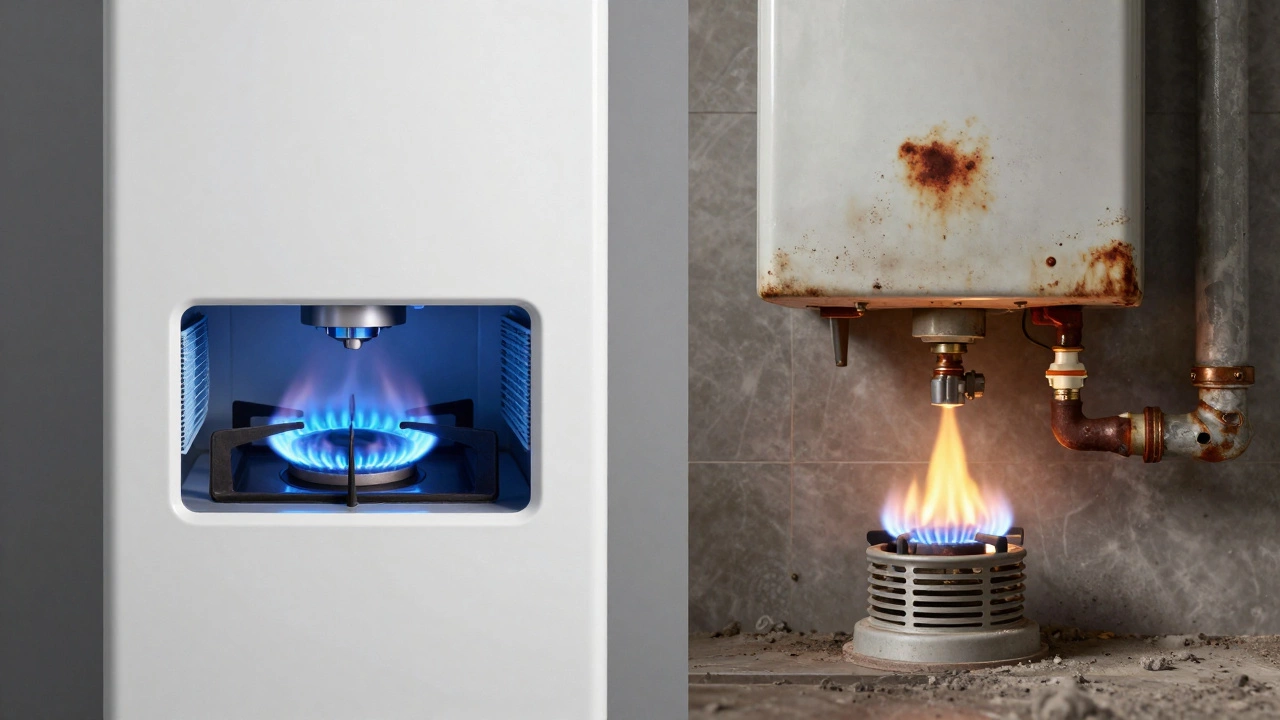
Yellow Flame
High Energy Bills
Enter details and click "Analyze Status" to see your recommendation.
That clicking sound from your oven or the slight hesitation in your water heater’s ignition isn’t just an annoyance-it might be a signal. Most homeowners treat gas appliances as permanent fixtures, assuming they’ll last forever with minimal care. The reality is harsher. Every burner, valve, and heat exchanger has a ticking clock.
Knowing the exact life expectancy of a gas appliance saves you money, prevents dangerous carbon monoxide leaks, and stops you from wasting energy on inefficient machines. A ten-year-old furnace might still run, but if it’s burning 20% more gas than necessary, you’re paying for that inefficiency every month. Let’s break down how long these devices actually last, what kills them early, and exactly when you should pull the plug.
The Average Lifespan by Appliance Type
Not all gas appliances are created equal. Their lifespans vary wildly based on complexity, usage frequency, and internal components. Here is the realistic timeline for the most common units found in homes.
| Appliance Type | Average Lifespan (Years) | Key Failure Points |
|---|---|---|
| Gas Furnace | 15-20 | Heat exchanger cracks, blower motor failure |
| Gas Water Heater | 8-12 | Tank corrosion, sediment buildup, thermocouple wear |
| Gas Range/Oven | 10-15 | Burner clogs, igniter failure, seal degradation |
| Gas Dryer | 10-13 | Ignition coil burnout, gas valve issues |
| Gas Boiler | 15-30 | Pump failure, pressure loss, sludge accumulation |
Notice the range? A high-efficiency condensing boiler can easily outlast a standard atmospheric water heater. Why? Because boilers often have fewer moving parts exposed to extreme temperature fluctuations compared to a water heater tank that constantly heats and cools gallons of water. Understanding these differences helps you budget for replacements before a breakdown leaves you in the cold-or without hot water.
Why Some Appliances Die Early
If your 12-year-old water heater suddenly leaks, it didn’t just “give up.” It likely suffered from preventable neglect. Several factors drastically shorten the lifespan of gas equipment.
- Lack of Annual Maintenance: This is the number one killer. Dust, lint, and debris clog burners and vents. A technician cleaning your furnace annually ensures proper airflow and combustion. Without it, the system works harder, overheats, and wears out faster.
- Poor Indoor Air Quality: Homes with high levels of dust, pet dander, or chemical vapors force filters and intake systems to work overtime. Clogged air restrict flow, causing the heat exchanger to overheat and potentially crack-a catastrophic failure that requires immediate replacement.
- Hard Water Issues: For water heaters and boilers, mineral deposits (scale) build up inside the tank or pipes. This insulation layer forces the burner to use more gas to heat the same amount of water. Over time, the sediment settles at the bottom, trapping heat and scorching the tank floor, leading to rust and leaks.
- Incorrect Installation: If the gas line pressure is too high or too low, or if the venting isn’t sized correctly, the appliance operates outside its designed parameters. This stress accelerates wear on valves, motors, and seals.
Think of it like your car. You wouldn’t skip oil changes for five years and expect the engine to last 200,000 miles. Gas appliances need similar TLC to reach their full potential.
Safety Red Flags: When Age Isn’t the Only Factor
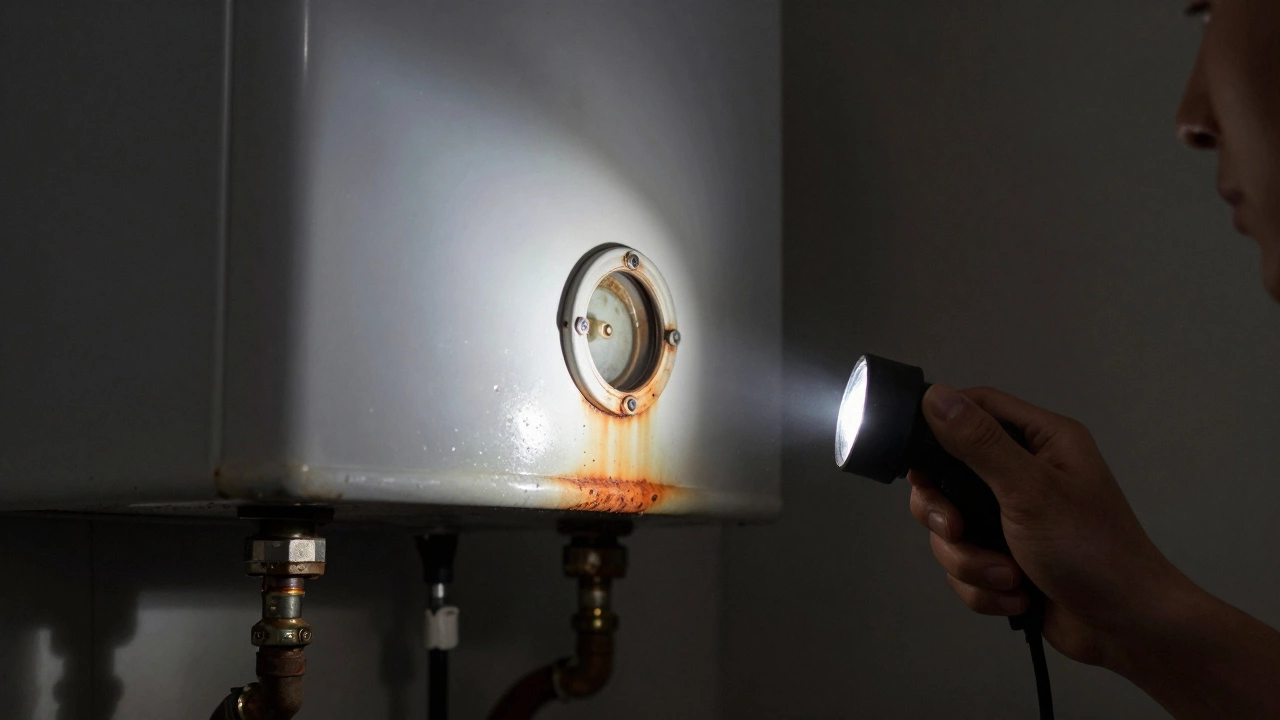
Age matters, but condition matters more. An 8-year-old appliance can be more dangerous than a well-maintained 15-year-old one. Watch for these specific warning signs that indicate immediate risk.
- Yellow or Flickering Flames: A healthy gas flame should be blue. Yellow flames indicate incomplete combustion, which produces carbon monoxide. This is a silent, deadly threat. If you see yellow flames, shut off the gas and call a professional immediately.
- Rust or Corrosion: Surface rust on a pilot light might be fixable. Rust on the body of a water heater tank or the flue pipe of a furnace usually means structural integrity is compromised. Leaks will follow.
- Strange Noises: Banging, popping, or rumbling sounds suggest delayed ignition or air trapped in the system. In furnaces, this can signal a cracked heat exchanger. In water heaters, it’s often sediment boiling at the bottom.
- Frequent Repairs: If you’ve called a technician three times in the last two years, the cost of repairs likely exceeds the value of the unit. At this point, you’re pouring money into a sinking ship.
- Higher Energy Bills: If your heating bills spike without a change in weather or usage patterns, your appliance is losing efficiency. Older models may also lack modern safety features like oxygen depletion sensors.
Carbon monoxide detectors are non-negotiable. Install them near sleeping areas and on every level of your home. They are your first line of defense against failing gas appliances.
Repair vs. Replace: Making the Smart Financial Choice
So, your 14-year-old furnace breaks down. Do you repair it or buy a new one? Use the "50% Rule." If the cost of the repair is more than 50% of the price of a new unit, replace it. But there’s more to consider than just the sticker price.
Newer gas appliances are significantly more efficient. An old furnace might operate at 60-70% AFUE (Annual Fuel Utilization Efficiency). Modern high-efficiency models reach 95-98% AFUE. That means nearly all the gas you pay for turns into heat, not exhaust. Over five years, those savings can offset the initial cost of the new unit.
Additionally, older appliances may no longer have available parts. Manufacturers stop producing components for discontinued models. Waiting too long can leave you stranded with no option but replacement anyway.
Consider your plans for the home. If you’re selling soon, a brand-new HVAC system or water heater adds tangible value and appeal to buyers. If you’re staying put, investing in a reliable, efficient unit improves daily comfort and peace of mind.
Extending the Life of Your Gas Appliances
You can’t stop time, but you can slow down wear and tear. Simple habits add years to your appliances’ lives.
- Change Filters Regularly: For furnaces and dryers, clean or replace air filters every 1-3 months during peak usage. This ensures proper airflow and reduces strain on the blower motor.
- Flush Water Heaters Annually: Drain a few gallons from the bottom of your water heater tank to remove sediment. This simple task prevents corrosion and maintains heating efficiency.
- Keep Vents Clear: Ensure outdoor vents for furnaces, water heaters, and dryers are free from snow, leaves, or bird nests. Blocked vents cause dangerous backdrafts and overheating.
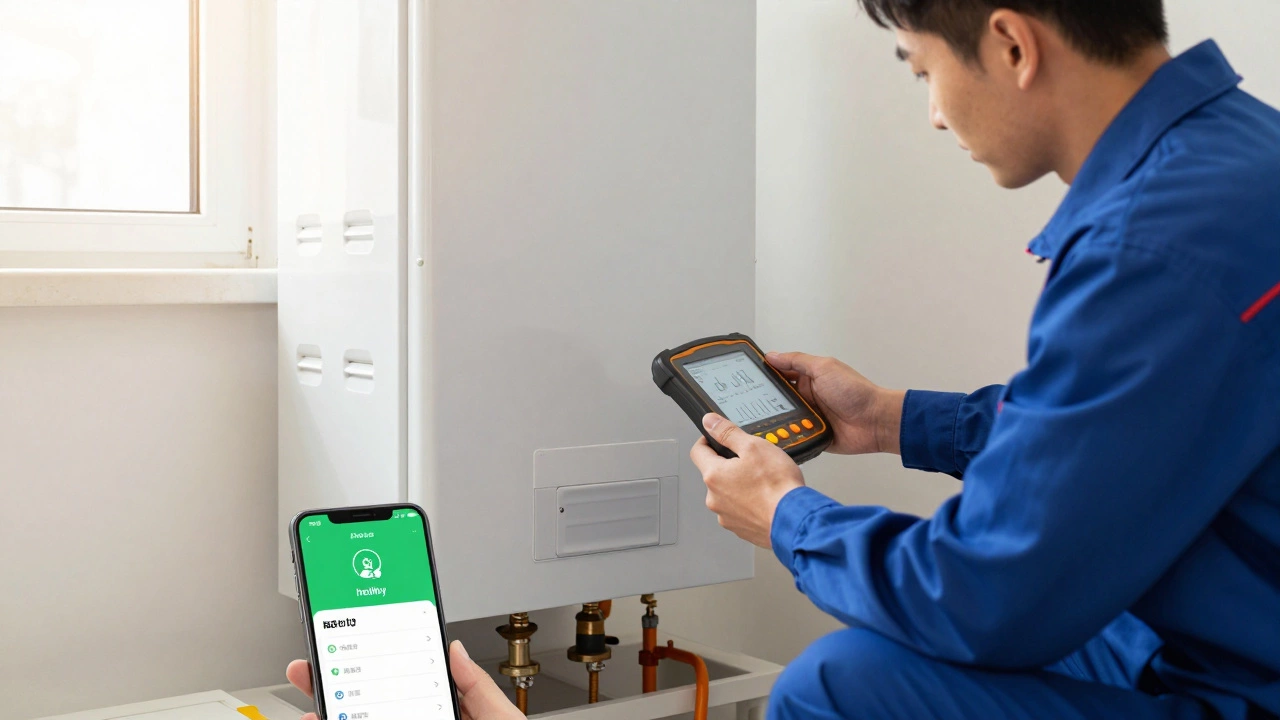
- Schedule Professional Inspections: Once a year, have a certified technician check for gas leaks, test safety controls, and clean burners. They can spot small issues before they become expensive disasters.
- Use the Right Settings: Avoid running your dryer on high heat unnecessarily. Lower temperatures reduce stress on heating elements and extend the life of the drum and bearings.
These steps aren’t optional extras-they’re essential maintenance. Think of them as insurance policies against premature failure.
The Future of Gas Appliances
As regulations tighten and technology advances, the landscape of gas appliances is shifting. Many regions are introducing stricter emissions standards, pushing manufacturers to create cleaner-burning units. Hybrid systems, which combine gas heating with electric heat pumps, are gaining popularity for their balance of power and efficiency.
Smart technology is also integrating into gas appliances. Wi-Fi-enabled thermostats and water heaters allow you to monitor usage, detect anomalies, and receive maintenance alerts directly on your phone. This proactive approach helps catch problems early, further extending lifespan and ensuring safety.
Whether you’re dealing with a stubborn oven igniter or a leaking boiler, understanding the expected lifespan of your gas appliances empowers you to make informed decisions. Don’t wait for a crisis. Know your numbers, maintain your equipment, and prioritize safety. Your home-and your wallet-will thank you.
How do I know if my gas appliance is leaking?
The most obvious sign is the smell of rotten eggs, which is added to natural gas to help detection. Other signs include hissing sounds near the appliance, dead vegetation around outdoor units, or unexpected spikes in your gas bill. If you suspect a leak, evacuate immediately and call your gas company from a safe distance. Never use electrical switches or open flames while investigating a suspected leak.
Is it worth repairing a 15-year-old gas furnace?
Generally, no. A 15-year-old furnace is at the end of its typical lifespan. While minor repairs like replacing a thermostat or filter motor might be worthwhile, major component failures (like the heat exchanger or blower motor) usually indicate the unit is failing overall. Replacement offers better efficiency, reliability, and safety features, saving you money in the long run through lower energy bills.
Can a gas water heater last longer than 10 years?
Yes, with proper maintenance. Flushing the tank annually to remove sediment and using an anode rod replacement service can extend a water heater's life to 12-15 years. However, after 10 years, the risk of tank corrosion and sudden failure increases significantly. Monitoring for small leaks or reduced hot water capacity is crucial during this extended period.
What is the safest age for a gas appliance before replacement?
There is no single "safe" age, as condition varies. However, most experts recommend proactive replacement around 10-12 years for water heaters and 15-20 years for furnaces and ranges. After these milestones, the likelihood of safety-critical failures (like carbon monoxide leaks or gas lines deteriorating) rises. Regular annual inspections are vital regardless of age to ensure ongoing safety.
Do newer gas appliances really save money?
Yes, significantly. Modern high-efficiency gas appliances convert more fuel into usable heat. For example, a new 95% AFUE furnace wastes only 5% of energy through the flue, whereas an old 60% AFUE model wastes 40%. Over a heating season, this difference can result in substantial savings on gas bills, often recouping the cost of the new unit within 3-7 years depending on local energy prices and usage.