Freezer Repair vs. Replace Decision Tool
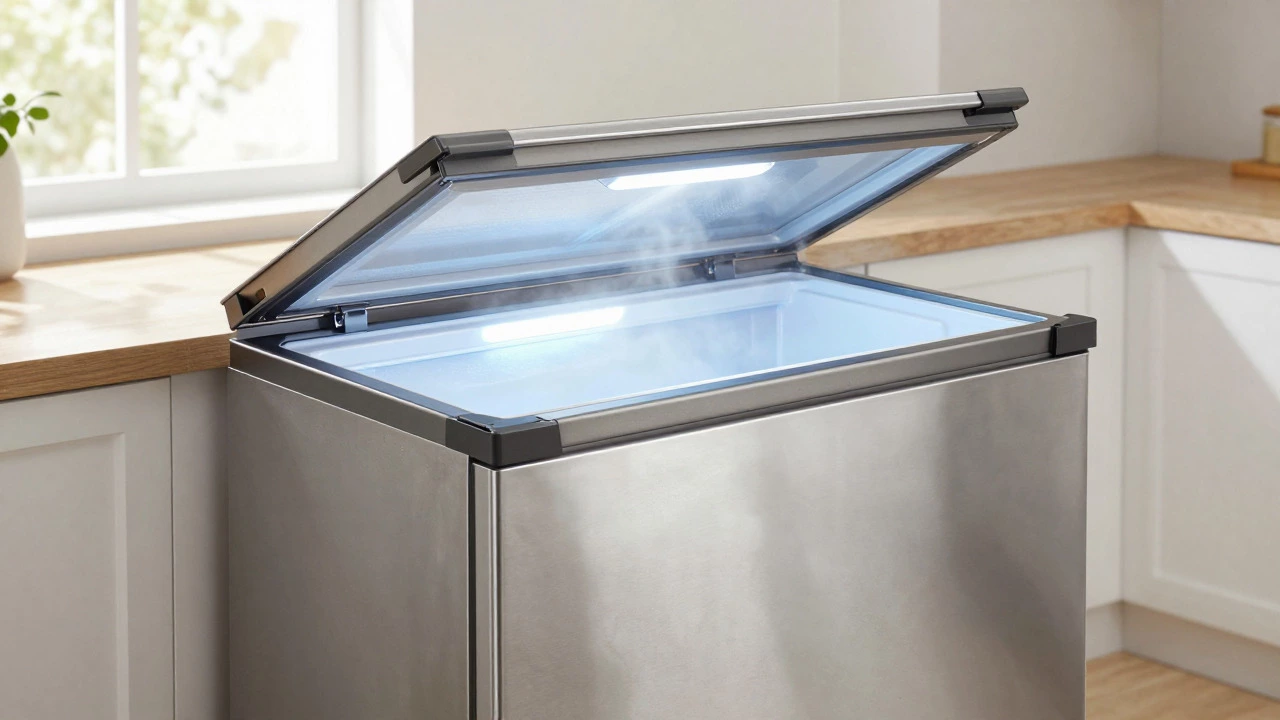
Most people assume a freezer is a durable household appliance designed to keep food frozen for years with minimal fuss. While they are built tough, they don't last forever. On average, a standard residential freezer lasts between 10 and 20 years. However, this number swings wildly depending on whether you have a standalone unit or one integrated into a fridge-freezer combo, how hard you work it, and whether you catch small issues before they turn into expensive repairs.
If your unit is humming louder than usual, sweating on the outside, or struggling to hold temperature after a power cut, you might be looking at the early signs of decline. Understanding what actually determines freezer lifespan helps you decide when to fix it and when to replace it. Here’s the real talk on how long these machines stick around and what kills them early.
The Real Numbers: What Data Says About Durability
Let’s get specific. The U.S. Department of Energy and various consumer reports suggest that top-freezer refrigerators (which include the freezer component) average about 14 years of service. Standalone chest freezers often outlast upright models, sometimes hitting the 20-year mark if maintained well. Why the difference? Chest freezers have fewer moving parts exposed to door cycles and typically maintain more consistent internal temperatures because cold air stays trapped inside when you open the lid, unlike the warm air that rushes in every time you swing an upright freezer door.
- Upright Freezers: Average lifespan of 10-15 years. The vertical design leads to faster air exchange and more wear on hinges and seals.
- Chest Freezers: Average lifespan of 15-20+ years. Better insulation retention and simpler mechanical structures contribute to longevity.
- Fridge-Freezer Combos: Often limited by the refrigerator section, which averages 10-14 years. If the fridge side fails, the whole unit usually goes.
These aren’t just guesses; they’re based on failure rate curves from major manufacturers like Whirlpool, LG, and Samsung. Once a freezer passes its 10th birthday, the probability of a major component failure-specifically the compressor or fan motor-increases significantly each year.
The Main Culprits Behind Premature Failure
When a freezer dies young, it’s rarely random. Usually, one of three components gives out. Knowing these weak points helps you spot trouble early.
- The Compressor: This is the heart of the system. It pumps refrigerant through the coils. When it fails, the freezer stops cooling entirely. Compressors fail due to overheating, electrical surges, or simple age-related wear. A failing compressor often makes a loud clicking sound or hums but never kicks in.
- The Evaporator Fan Motor: In frost-free units, this fan circulates cold air. If it breaks, ice builds up unevenly, blocking airflow. You’ll notice frost buildup in weird spots or warm pockets in the back of the freezer.
- The Defrost System: Modern freezers use heaters and timers to melt ice periodically. If the defrost heater burns out or the thermostat sticks, ice accumulates until it chokes the system. This is the most common reason for "no cooling" complaints in units under 10 years old.
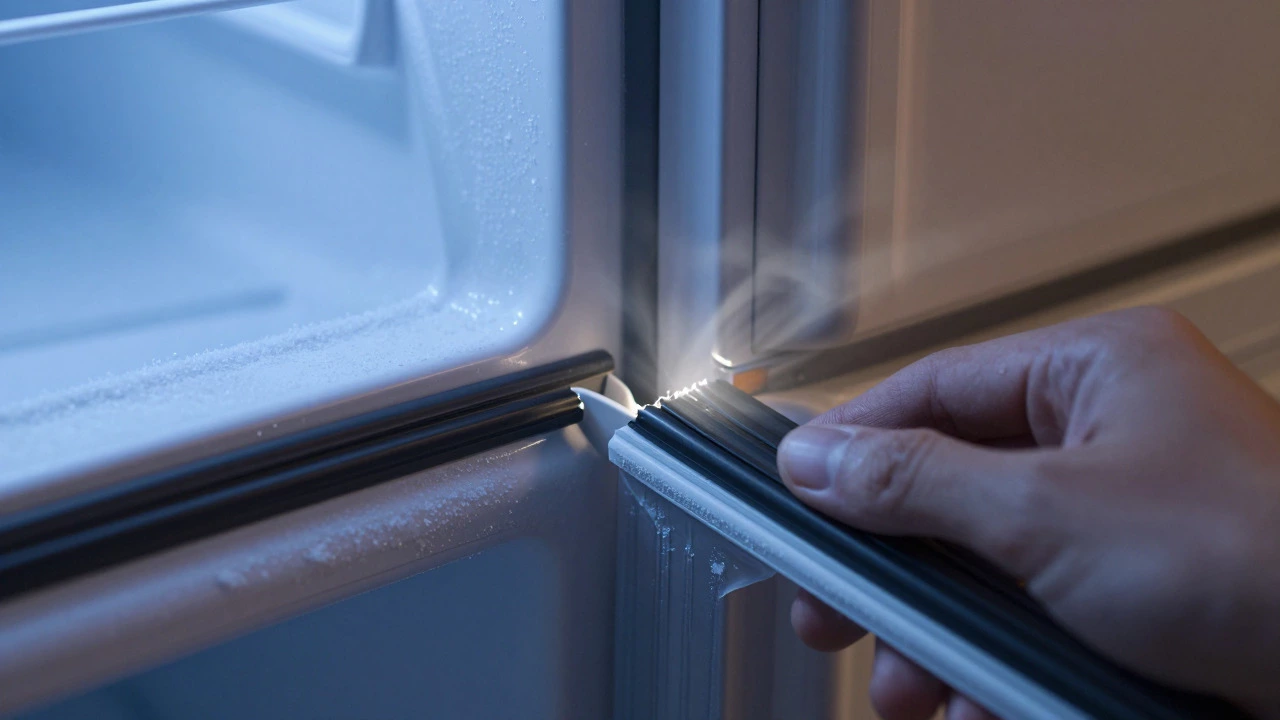
Neglecting the door gasket also accelerates death. A torn seal lets humid room air in, causing constant frost build-up. This forces the compressor to run non-stop, shortening its life dramatically.
How Usage Habits Impact Longevity
Your daily routine matters more than you think. A freezer in a hot garage works twice as hard as one in a cool pantry. Every degree increase in ambient temperature forces the compressor to cycle more frequently, adding stress to the motor.
Overloading is another silent killer. While some people think stuffing the freezer full keeps it cold, packing it so tight that air can’t circulate creates hot spots. The fan has to work harder to push air around blocked vents. Ideally, leave enough space for air to flow freely over the coils.
Also, consider the voltage stability in your home. Frequent power surges can fry control boards and compressors. If you live in an area with unstable grid power, a surge protector isn’t just a good idea-it’s essential for extending appliance life.
Signs Your Freezer Is Nearing the End
You don’t need a multimeter to know when things are going wrong. Watch for these red flags:
- Excessive Frost Buildup: If you’re manually shaving ice off the walls every month, the defrost system is likely compromised.
- Loud Noises: Rattling, buzzing, or grinding sounds indicate worn-out fan blades or a dying compressor mount.
- Warm Food After Power Cuts: A healthy freezer should keep food frozen for 24-48 hours during a short outage. If your ice cream melts in six hours, the insulation or seal is failing.
- High Energy Bills: An aging freezer becomes inefficient. If your electricity costs spike without other changes, check your oldest appliances first.
If you see two or more of these signs simultaneously, it’s time to call a professional for a diagnostic rather than guessing.
Repair vs. Replace: Making the Smart Financial Choice
This is the million-dollar question. Should you spend $300 on a new compressor for a 12-year-old freezer, or buy a new unit for $600? There’s a simple rule of thumb used by technicians: divide the cost of the repair by the remaining expected life of the appliance.
| Scenario | Age of Unit | Repair Cost | Recommendation |
|---|---|---|---|
| Defrost Heater Replacement | < 7 years | $150 - $250 | Repair |
| Compressor Replacement | > 10 years | $400 - $600 | Replace |
| Door Gasket Replacement | Any age | $100 - $150 | Repair |
| Control Board Failure | > 8 years | $300 - $500 | Replace |
Generally, if the repair costs more than 50% of the price of a new equivalent model, and the unit is older than 10 years, replacement is usually smarter. Newer models are also more energy-efficient, saving you money on bills that offsets the purchase price within a few years.
Pro Tips to Maximize Your Freezer's Life
You can easily add 3-5 years to your freezer’s life with basic maintenance. It doesn’t require technical skills, just a little consistency.
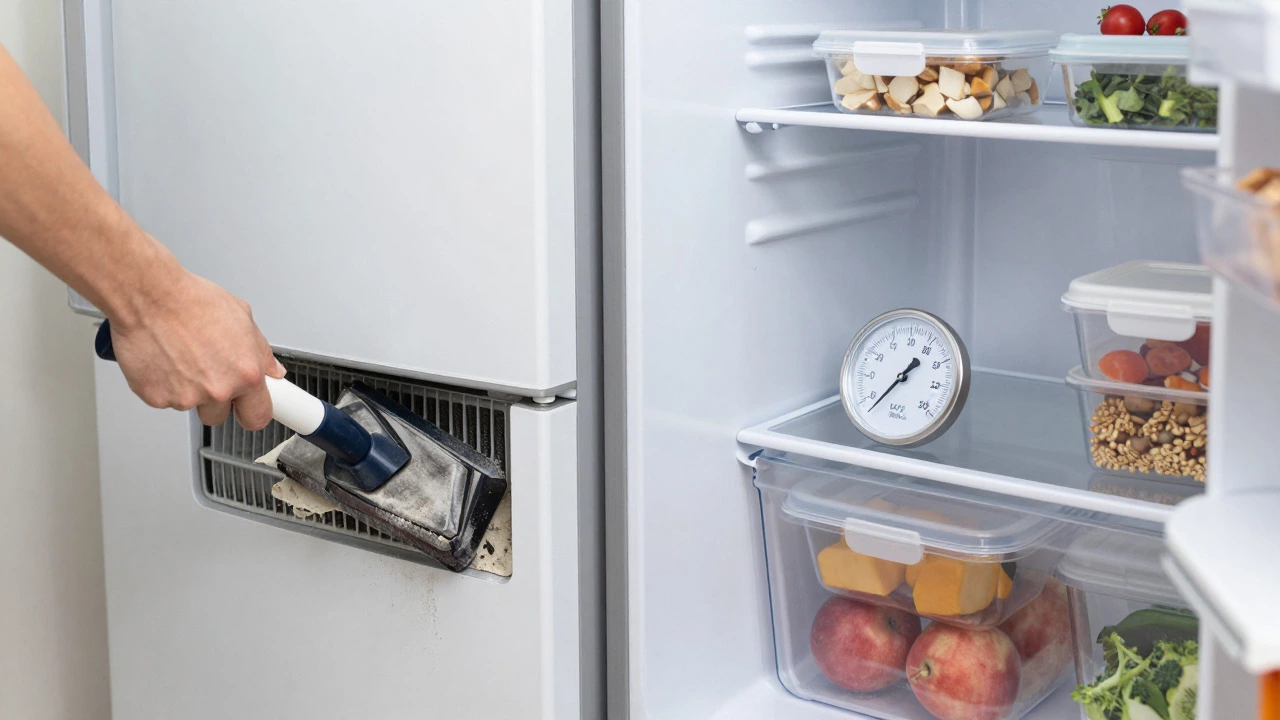
- Clean the Condenser Coils: Located behind or underneath the unit, these coils collect dust and pet hair. Dirty coils make the compressor work harder. Vacuum them every 6 months.
- Check the Door Seal: Close the door on a dollar bill. If you can pull the bill out easily, the seal is weak. Replace it immediately to prevent humidity intrusion.
- Avoid Overfilling: Keep the freezer about 75% full. Too empty, and there’s not enough mass to hold the cold; too full, and airflow is blocked.
- Set the Right Temperature: The ideal setting is 0°F (-18°C). Setting it colder wastes energy without preserving food better. Use a separate thermometer to verify accuracy.
By treating your freezer with basic care, you reduce the strain on critical components like the compressor and fans. This proactive approach prevents minor issues from becoming catastrophic failures.
How long does a chest freezer last compared to an upright?
Chest freezers typically last longer, averaging 15-20 years, while upright freezers average 10-15 years. This is because chest models retain cold air better when opened and have fewer complex moving parts related to door mechanisms.
Is it worth repairing a 12-year-old freezer?
It depends on the part. Replacing a cheap part like a gasket or defrost timer is usually worth it. However, replacing a major component like the compressor on a unit over 10 years old is often not cost-effective, as the new model will likely be more energy-efficient and come with a warranty.
What is the most common cause of freezer failure?
The most common cause of failure in modern frost-free freezers is a malfunctioning defrost system, specifically a failed defrost heater or thermostat. This leads to ice buildup that blocks airflow and causes the unit to stop cooling properly.
Does keeping a freezer full make it last longer?
Keeping it moderately full helps maintain stable temperatures, which reduces compressor cycling. However, overfilling it so tightly that air cannot circulate is harmful. Aim for about 75% capacity to balance thermal mass and airflow.
How often should I clean my freezer coils?
You should clean the condenser coils every 6 to 12 months. Dust accumulation acts as insulation, forcing the compressor to work harder and run hotter, which shortens its lifespan and increases energy consumption.