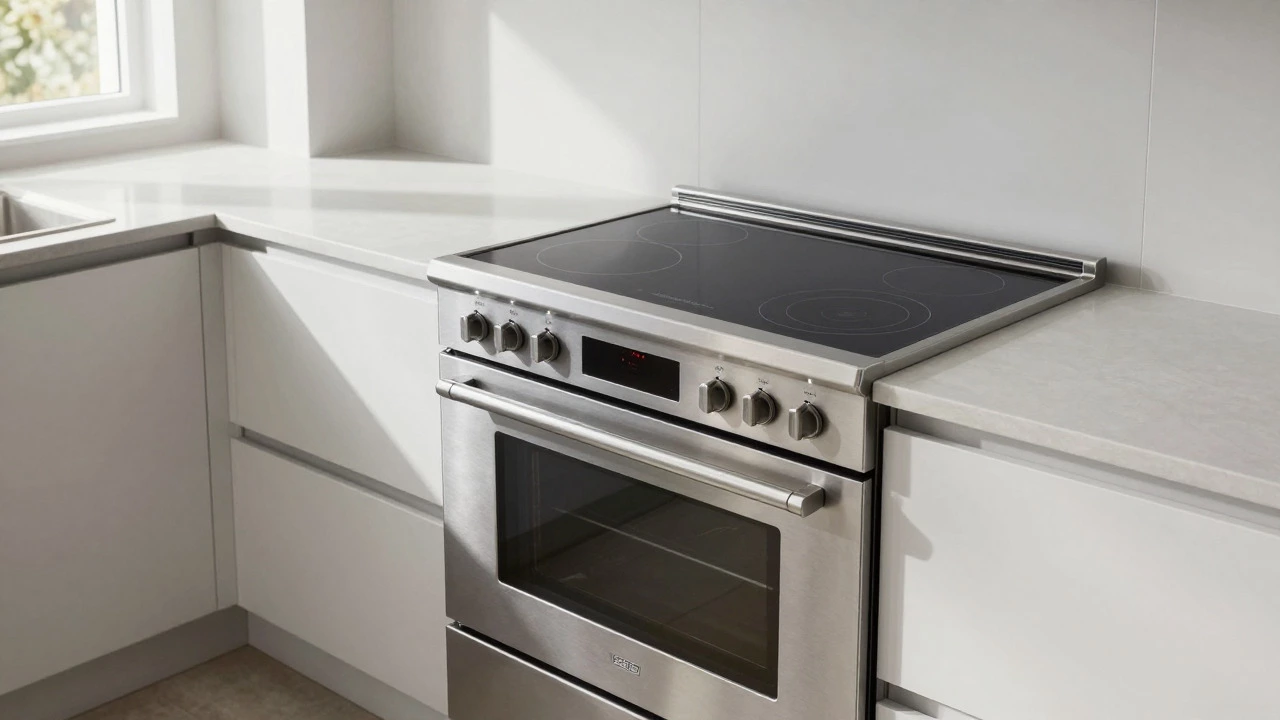
Electric Stove Repair vs. Replace Calculator
Use the 50% Rule to decide whether to fix your stove or invest in a new one.
Waiting...
Enter details above to see your result.
Repair Cost Ratio
Lifespan Used
Most homeowners assume their electric stove is a permanent fixture in the kitchen, but that’s rarely the case. While you might hope it lasts forever, the reality is that most electric ranges hit their functional limit after a specific number of years. Knowing this timeline helps you budget for repairs versus replacements and avoid those frustrating mid-cook breakdowns.
The average lifespan of a standard residential electric range is between 10 and 15 years. However, this isn't a hard rule. Some units fail in five years due to neglect or heavy use, while others chug along past the 20-year mark if treated gently. The key factor here isn't just age; it's how well you maintain the components that actually do the work, like the heating elements and control boards.
Why Lifespans Vary So Much
You’ve probably seen a neighbor’s ten-year-old stove still working perfectly while yours died at year eight. Why the difference? It comes down to three main variables: usage intensity, component quality, and environmental factors.
- Usage Intensity: A family that cooks dinner from scratch every night puts significantly more thermal stress on heating elements than someone who mostly uses a microwave or eats out. Frequent high-heat broiling or baking accelerates wear on the heating element.
- Component Quality: Budget models often use thinner gauge wires in their elements and cheaper capacitors in their control systems. Premium brands tend to use higher-grade materials that resist heat degradation longer.
- Environmental Factors: Humidity can corrode electrical connections over time. If your kitchen lacks proper ventilation, grease buildup can insulate parts of the unit, causing them to overheat and fail prematurely.
It’s also worth noting that "life expectancy" doesn't mean the stove stops working entirely on day one of its expiration date. Usually, individual components fail first. You might lose the self-cleaning function before the burners die, or the clock stops working while the oven still heats up fine.
Key Components That Determine Longevity
An electric stove isn't one single machine; it's a collection of subsystems. Understanding which parts are the weak links helps you predict when trouble might strike.
| Component | Average Lifespan | Common Failure Signs |
|---|---|---|
| Burner Elements | 8-12 years | Uneven heating, visible cracks, tripping breakers |
| Oven Heating Element | 10-14 years | Slow preheating, cold spots in baked goods |
| Control Board (Electronic) | 7-10 years | Erratic temperature readings, blank display, unresponsive buttons |
| Door Gasket/Seal | 5-8 years | Heat escaping, longer cook times, warped door |
| Thermal Fuse | 10+ years | No power to oven light or fan |
The control board is often the first electronic part to go in modern stoves. Unlike older mechanical dials, these boards contain sensitive circuitry that can be damaged by voltage spikes or moisture. If your stove has an electronic display, keep an eye on it. If the numbers start flickering or the temperature reads wildly off, the board might be degrading.
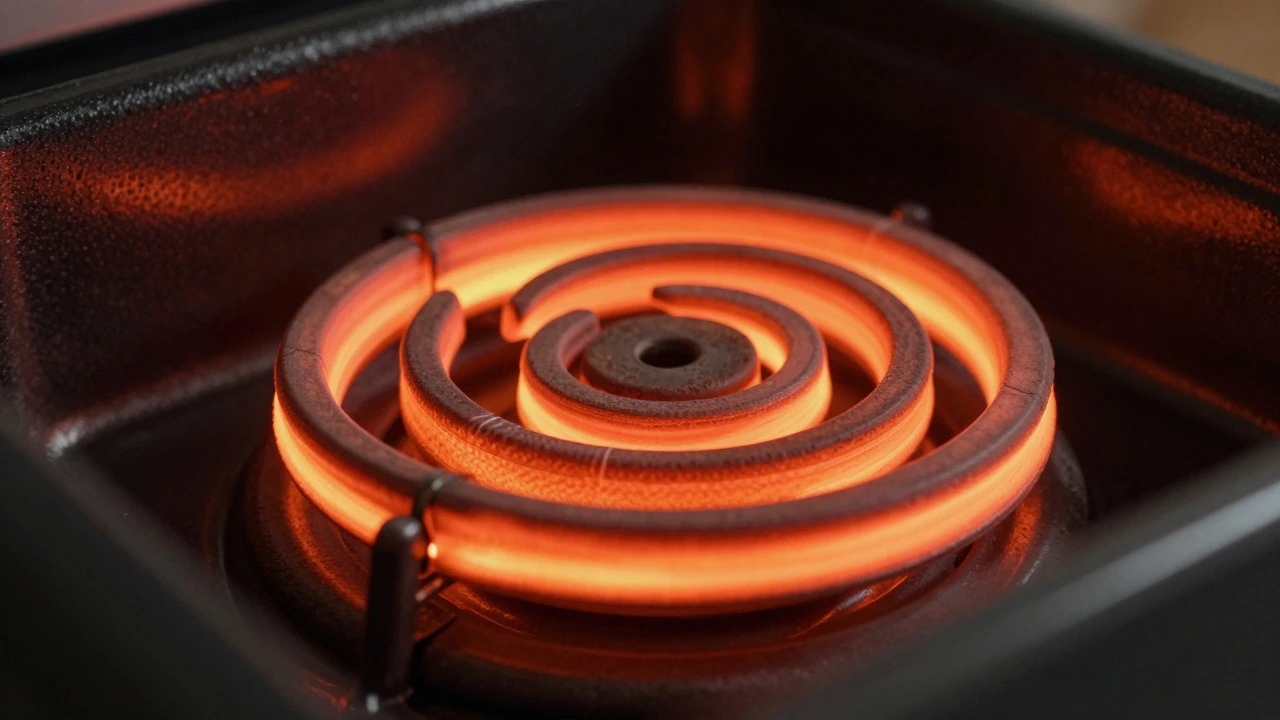
On the other hand, the physical burner elements are purely mechanical/electrical. They glow red-hot thousands of times. Over time, the metal oxidizes and becomes brittle. You’ll know they’re dying when they take forever to heat up or when you see dark spots that don’t turn red.
Signs Your Stove Is Nearing the End
Before you decide to buy a new appliance, look for these warning signs. They indicate that the remaining useful life is short.
- Inconsistent Temperature Control: If your cookies burn on the bottom but stay raw on top, the thermostat or sensor is likely failing. This is a common precursor to total failure.
- Frequent Breaker Trips: If plugging in the stove causes your circuit breaker to trip, it suggests a short circuit in the wiring or a failed element drawing too much current. This is a safety hazard, not just an inconvenience.
- Loud Noises: Clicking, buzzing, or popping sounds from the back of the unit usually mean loose connections or a failing relay inside the control box.
- Visible Damage: Cracked glass doors, melted plastic knobs, or rusted-out chassis indicate poor maintenance or age-related deterioration.
If you notice two or more of these signs simultaneously, it’s often cheaper to replace the unit than to repair multiple failing parts. Repair costs add up quickly, and there’s no guarantee the next component won’t fail six months later.
How to Extend the Life of Your Electric Stove
You can’t stop time, but you can slow down the wear and tear. Here are practical steps that actually make a difference.
Clean Regularly, But Gently
Grease and food debris act as insulation. When they bake onto the underside of burner elements or the interior walls of the oven, they trap heat. This forces the heating elements to work harder and reach higher temperatures than necessary, accelerating oxidation. Wipe spills immediately. For the oven, use a mild cleaner rather than harsh abrasives that can damage the enamel coating.
Check the Door Seal
The rubber gasket around the oven door keeps heat in. If it’s cracked or missing pieces, hot air escapes, and the thermostat runs constantly trying to compensate. This constant cycling wears out the heating element faster. Inspect the seal once a year. If it’s hardened or torn, replace it. It’s a cheap fix that saves energy and extends component life.
Avoid Extreme Temperatures Unnecessarily
Using the self-clean cycle too often can warp the oven door and stress the internal components. Most manufacturers recommend using self-clean only when absolutely necessary. Similarly, avoid running the broiler at maximum heat for extended periods unless you’re actually cooking something that requires it.
Ensure Proper Ventilation
Your kitchen needs airflow. If steam and grease have nowhere to go, they settle on the electrical components behind the control panel. Make sure your extractor fan works correctly. A clogged filter reduces efficiency and lets moisture build up, which corrodes electrical contacts over time.
Repair vs. Replace: Making the Right Call
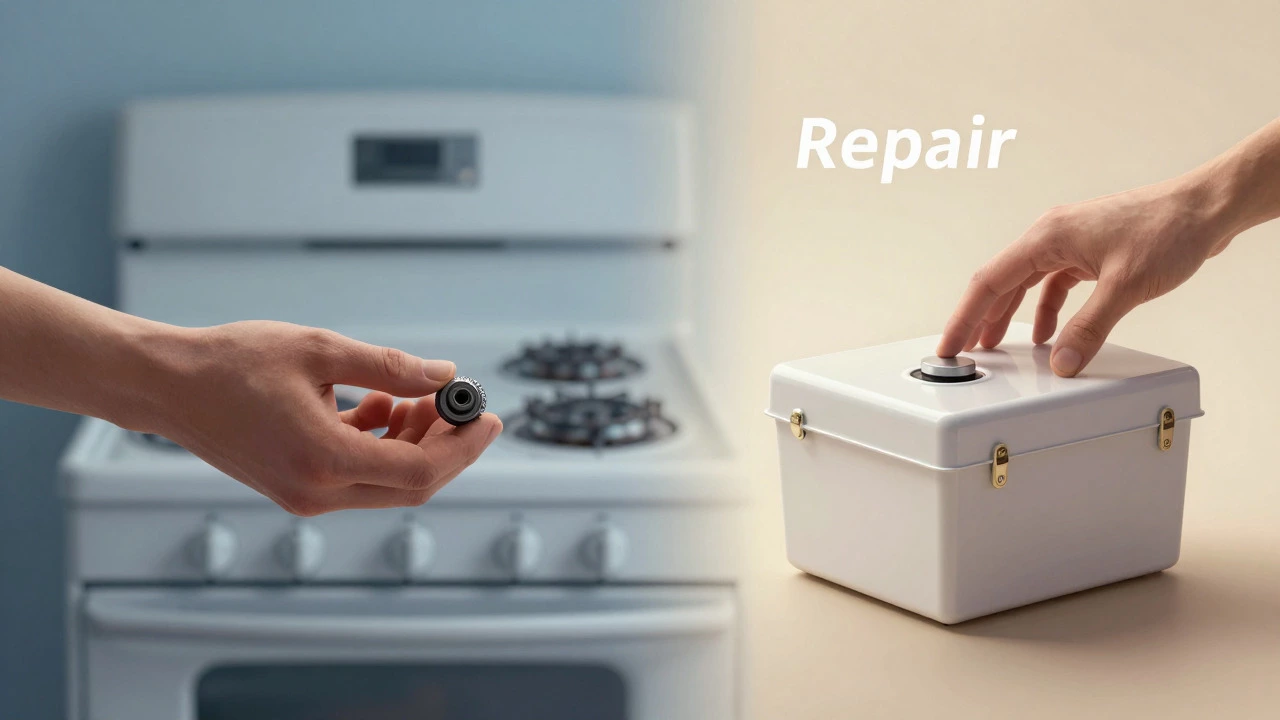
When a part breaks, should you fix it or buy new? Use this simple heuristic: the 50% Rule.
If the cost of the repair is more than 50% of the price of a comparable new stove, and the stove is more than half its expected lifespan (so, over 5-7 years old), replace it. If the repair is minor (like replacing a $30 fuse or a $60 burner element) and the stove is relatively new, repair it.
Consider labor costs too. In many regions, technician call-out fees are high. If you’re handy with a multimeter and comfortable working with 240V electricity, some DIY repairs are feasible. But always prioritize safety. Capacitors in control boards can hold a charge even when unplugged, posing a shock risk.
FAQ
Does gas vs. electric affect lifespan?
Yes, slightly. Gas stoves tend to last a bit longer because the burners themselves are less prone to electrical failure. However, gas valves and igniters can fail. Electric stoves have more complex electronics, which can be more susceptible to voltage issues, but they offer more precise temperature control. On average, both types last 10-15 years, but electric models may see earlier failures in their control boards.
Can I replace just the heating element?
Absolutely. Replacing a heating element is one of the most common and affordable repairs. If your oven is taking too long to preheat or has cold spots, the element is likely the culprit. These parts are inexpensive and relatively easy to swap out if you have basic tools and electrical knowledge.
What voids the warranty on an electric stove?
Most warranties cover manufacturing defects but exclude normal wear and tear. Using non-approved cleaning products that damage the enamel, leaving the door open during self-clean cycles, or having unauthorized technicians open the unit can void the warranty. Always check your manual for specific exclusions.
Is it worth fixing a 10-year-old stove?
It depends on the issue. If it’s a minor part like a knob or a light bulb, yes. If it’s the control board or the main oven element, probably not. At 10 years old, the stove is near the end of its prime. Future repairs are likely, so investing in a new, energy-efficient model is often a better long-term financial decision.
Do smart features reduce lifespan?
Not necessarily. Smart features add complexity, which means more potential points of failure (like Wi-Fi modules). However, the core cooking functions remain similar. The added electronics might require occasional software updates or resets, but they don’t inherently shorten the life of the heating elements or motors.