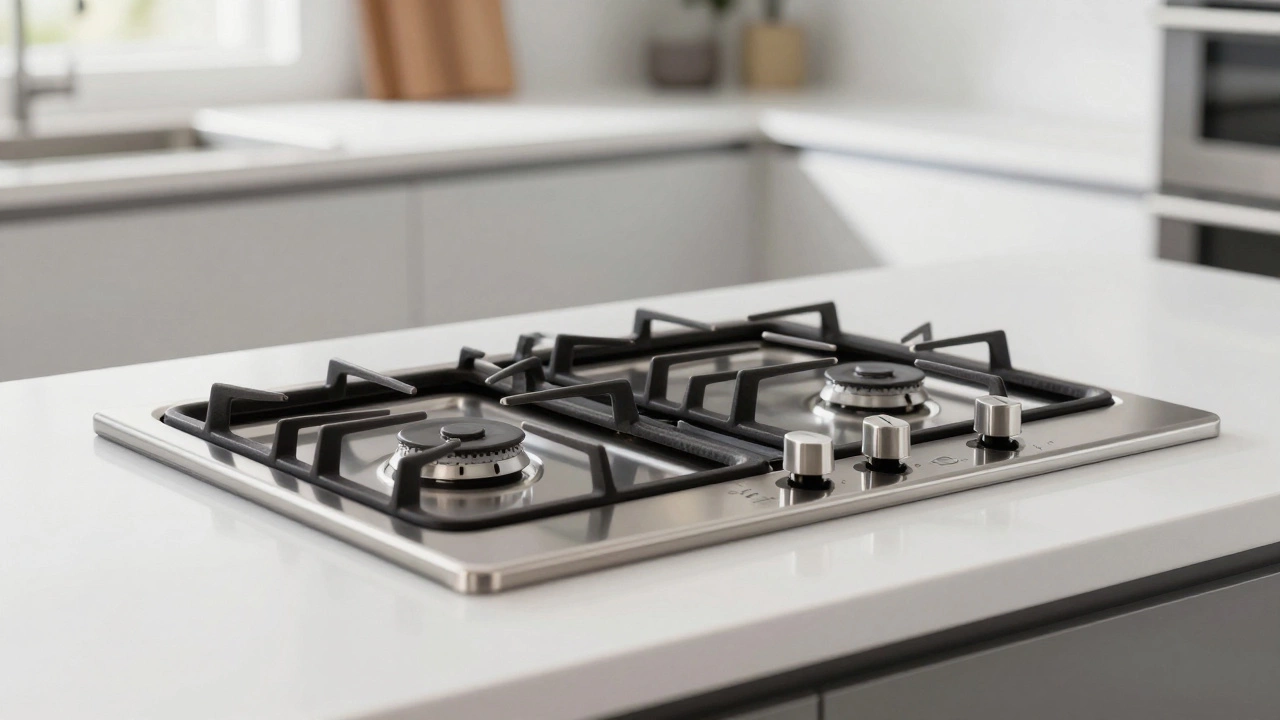
Gas Hob Installation Safety & Cost Estimator
Configuration
DIY Status: Illegal/Restricted
Estimated Labor Cost
*Prices vary by provider. Includes labor only.
Insurance voided • Legal penalties • Fire hazard
The Professional Installation Process
Click 'Next Step' to see why you cannot do this yourself.
Imagine you’ve just bought that sleek new induction or gas hob. It looks fantastic in the kitchen box, but then you hit the wall: do you actually need to pay a professional to install it? For electric hobs, the answer is usually "no," provided you’re handy with a plug and socket. But for gas appliances, the rules change completely. One wrong move here doesn’t just mean a broken stove; it means carbon monoxide poisoning or a fire hazard.
If you live in the UK, the short answer is yes. You legally need a registered professional. If you are elsewhere, like New Zealand or Australia, the rules differ slightly but still lean heavily toward professional certification. This guide breaks down exactly why this regulation exists, who is qualified to do the job, and what happens if you try to cut corners.
The Legal Reality: Why Gas Is Different
Gas appliances are not like washing machines or microwaves. They burn fuel inside your home, which creates byproducts like carbon monoxide-a silent, odorless killer. Because of this high risk, governments regulate how these devices are installed and repaired.
In the United Kingdom, under the Gas Safety (Installation and Use) Regulations 1998, only engineers registered with the Gas Safe Register can legally work on gas appliances. This isn't just a recommendation; it’s the law. If you attempt to replace a gas hob yourself, you are breaking the law. More importantly, if something goes wrong-such as a leak causing an explosion or carbon monoxide leaks-you will likely void your home insurance policy. Insurance companies routinely deny claims for damage caused by unregistered DIY gas work.
Even if you feel confident because you have changed a gas meter before or helped a friend, the liability falls on you. The regulations exist to protect tenants, homeowners, and neighbors from catastrophic failure.
Who Is Qualified to Install Your Gas Hob?
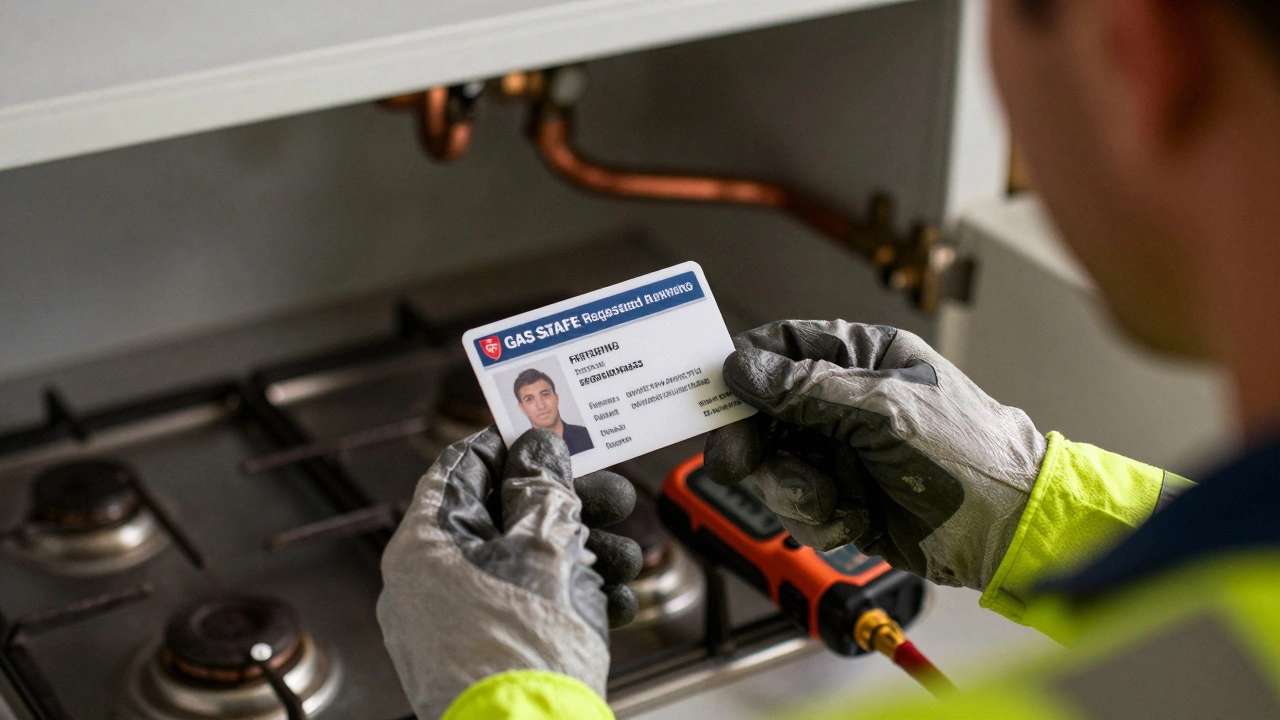
Not every plumber or electrician can touch a gas line. In the UK, you must hire someone who holds a valid ID card from the Gas Safe Register. Here is how to verify them:
- Check the ID Card: Every registered engineer carries a photo ID card with a unique registration number. Ask to see it before they start work.
- Verify Online: Go to the official Gas Safe Register website and enter their number. Do not trust a sticker on a van; those can be faked.
- Scope of Work: Ensure they are registered for "domestic gas." Some engineers are only certified for commercial industrial systems.
If you are outside the UK, the terminology changes, but the principle remains. In New Zealand, you need a licensed gasfitter. In Australia, you need a licensed gas fitter specific to your state. In the US, local codes vary, but most jurisdictions require a licensed gas technician for any connection involving natural gas or propane lines.
| Region | Required Certification Body | DIY Allowed? | Insurance Implication |
|---|---|---|---|
| United Kingdom | Gas Safe Register | No (Illegal) | Voided if DIY |
| New Zealand | Licensed Gasfitter (WorkSafe NZ) | No (Restricted) | High Risk of Voidance |
| Australia | State-Licensed Gas Fitter | No (Restricted) | Voided if DIY |
| USA | Local Licensed Gas Technician | Varies by State | Often Voided |
The Installation Process: What Actually Happens?
You might think replacing a hob is simple: remove the old one, put the new one in, turn the knob. While physically true, the safety checks required make it a professional job. Here is what a qualified engineer does during a standard replacement:
- Isolation: They shut off the gas supply at the emergency control valve (ECV) to ensure no gas flows while working.
- Removal: They disconnect the old flexible hose or rigid pipe. Old hoses often degrade over time and may need replacement.
- Pressure Test: Before connecting the new hob, they check the gas pressure at the outlet. Gas hobs require specific millibar pressures (usually around 20-25 mbar for natural gas). Too little pressure means poor ignition; too much can cause dangerous flames.
- Connection: They fit a new, certified flexible connector (if applicable) and connect the hob. They use torque wrenches to ensure fittings are tight but not overtightened, which could crack brass components.
- Leak Test: This is critical. They apply a gas detection solution (or electronic sniffer) to all joints. Bubbles mean a leak. No bubbles mean it’s sealed.
- Combustion Analysis: Using a flue gas analyzer, they measure the combustion efficiency. This ensures the hob burns gas cleanly and isn’t producing excessive carbon monoxide.
- Commissioning: They light each burner to check flame stability and adjust air/fuel mix if necessary.
Skipping any of these steps is where accidents happen. A loose joint might not leak immediately but can vibrate loose over weeks. A pressure mismatch can ruin the appliance’s internal valves.
Can You Do Any Part of It Yourself?
If you are handy, you might wonder if you can help out. In the UK, you cannot perform any work on the gas pipework or the appliance connection. However, there are non-gas tasks you can handle to save money:
- Removing the Old Hob: You can unscrew the old unit from the countertop once the gas and electricity (if it has a clock/light) are isolated by the engineer.
- Cutting the Hole: If your new hob requires a different cutout size, you can modify the countertop. Just ensure the edges are smooth so the new hob sits flat.
- Electrical Connections: If your gas hob has an electric timer or lighting, an electrician (or competent person) should handle the wiring, separate from the gas work.
Never attempt to disconnect the gas supply pipe yourself. Even if the main valve is closed, residual gas can remain in the line. Only a qualified engineer should break the seal on the gas system.
Costs and Timeframes
Hiring a professional adds cost, but it buys peace of mind. Prices vary by location and urgency. In the UK, a standard gas hob replacement typically costs between £60 and £120 for labor, plus the cost of any new parts like flexible connectors. Emergency call-outs after hours can double this price.
The job itself is quick. Most installations take 30 to 60 minutes. The engineer arrives, performs the safety checks, installs the unit, tests it, and leaves you with a certificate of safety. Always ask for this paperwork. It serves as proof that the installation was done correctly and is vital for future insurance claims or property sales.
Risks of DIY Gas Work
Why take the risk? The consequences of improper gas installation are severe:
- Carbon Monoxide Poisoning: Incomplete combustion due to incorrect pressure or blocked vents produces CO. Symptoms include headaches, dizziness, nausea, and eventually death. You cannot smell or see it.
- Gas Leaks: Natural gas is explosive. A small leak can build up in enclosed spaces like under a counter. A single spark from a fridge motor or light switch can trigger an explosion.
- Fire Hazard: Improperly adjusted flames can lick the sides of pots or ignite nearby cabinetry.
- Legal Penalties: In the UK, performing illegal gas work can result in unlimited fines and imprisonment under the Gas Safety Regulations.
What If Your Hob Is Electric?
If you are swapping a gas hob for an electric or induction model, the rules change again. You still need to cap off the old gas supply properly. This capping must be done by a Gas Safe registered engineer to ensure the line is sealed and purged. Once the gas is safely capped, an electrician can install the new electric hob. Do not leave an open gas pipe connected to nothing-it is a major hazard.
Frequently Asked Questions
Can I replace a gas hob myself if I am careful?
No. In the UK, it is illegal for anyone other than a Gas Safe registered engineer to install or repair gas appliances. Even if you are careful, you lack the specialized tools for pressure testing and combustion analysis, putting your home and family at risk.
How much does it cost to hire a gas engineer for a hob replacement?
Prices typically range from £60 to £120 for labor in the UK. This varies based on location, time of day, and whether additional parts like new flexible hoses are needed. Always get a quote before work begins.
What happens if I install a gas hob myself and my house burns down?
Your home insurance policy will likely refuse to pay out. Insurers investigate the cause of fires, and if they find unregistered DIY gas work, they will deem the claim invalid due to negligence and breach of policy terms.
Do I need a gas engineer if I am moving a gas hob to a different spot in the same kitchen?
Yes. Moving a gas appliance involves disconnecting and reconnecting gas lines, which requires pressure testing and leak checking. Only a registered engineer can perform these tasks legally and safely.
How do I check if a gas engineer is legitimate?
Ask to see their Gas Safe ID card. Check the photo matches the person, and verify their registration number on the official Gas Safe Register website. Never accept verbal assurance alone.
Can I use an old flexible hose when installing a new gas hob?
It is not recommended. Flexible hoses have a limited lifespan and can degrade internally even if they look fine externally. Engineers usually recommend replacing the hose during installation to ensure maximum safety and compliance with current standards.