Water Heater Lifespan & Risk Estimator
Enter details about your current water heater to estimate its remaining life and potential replacement urgency.
Assessment Result
Low RiskEstimated Total Lifespan:
-- Years
Remaining Life:
-- Years
Recommendation
Select options above to see recommendations.
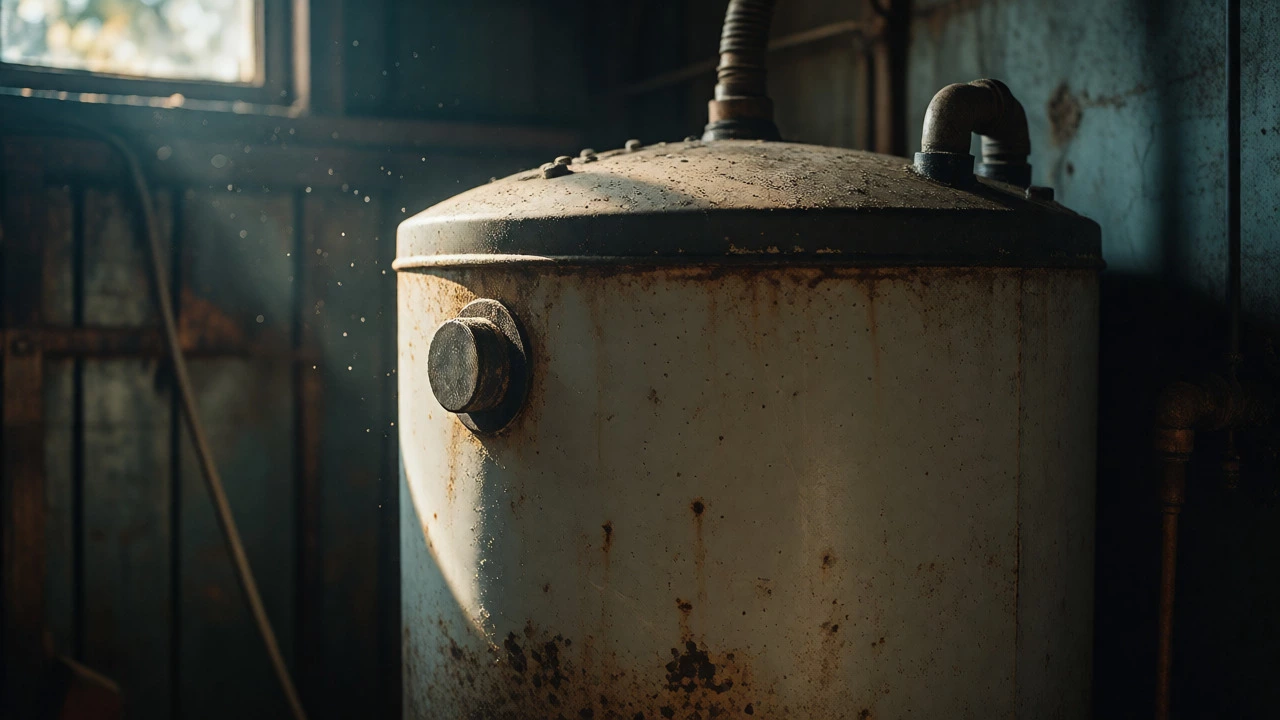
You just found an old hot water heater in the corner of your garage or under the sink, and it’s ticking. You’re wondering: is this thing ancient history, or does it still have life left? Most homeowners assume that once a unit hits the 15-year mark, it’s on borrowed time. But here’s the twist: some units genuinely push past two decades, even reaching the mythical 30-year milestone. So, can a hot water heater last 30 years? The short answer is yes, but it’s rare, and it usually comes with a catch.
Before you start planning for a replacement or celebrating a miracle survivor, you need to understand what actually drives these numbers. It’s not just about luck. It’s about chemistry, construction, and care. If you’re trying to decide whether to fix an aging unit or rip it out, knowing the factors that extend life will save you money and stress.
The Standard Lifespan: What’s Normal?
Let’s set the baseline. According to the U.S. Department of Energy and most major manufacturers like Rheem or Bradford White, the average lifespan of a standard storage-tank water heater is between 8 and 12 years. That’s the industry standard. If your unit is 15 years old, you’re already in the "bonus round." Hitting 20 years puts you in the top percentile of durability. Reaching 30 years? That’s essentially winning the lottery of plumbing hardware.
Why such a wide range? Because "water heater" isn’t a single product category. A basic electric tank from a big-box store built with thin steel and minimal insulation might fail at year 7. Meanwhile, a commercial-grade glass-lined tank with heavy-gauge steel, installed in soft water with annual maintenance, can easily double that expectation. The variance isn’t random; it’s engineered.
Tank vs. Tankless: Which Lasts Longer?
This is where the conversation gets interesting. If you want longevity, the type of system matters more than the brand name.
| Feature | Storage Tank (Electric/Gas) | Tankless (On-Demand) |
|---|---|---|
| Average Lifespan | 8-12 years | 20+ years |
| Maintenance Impact | High (Anode rod critical) | Medium (Descale required) |
| Repairability | Low (Usually replace if tank leaks) | High (Parts replaceable) |
| Failure Mode | Catastrophic leak | Gradual efficiency loss |
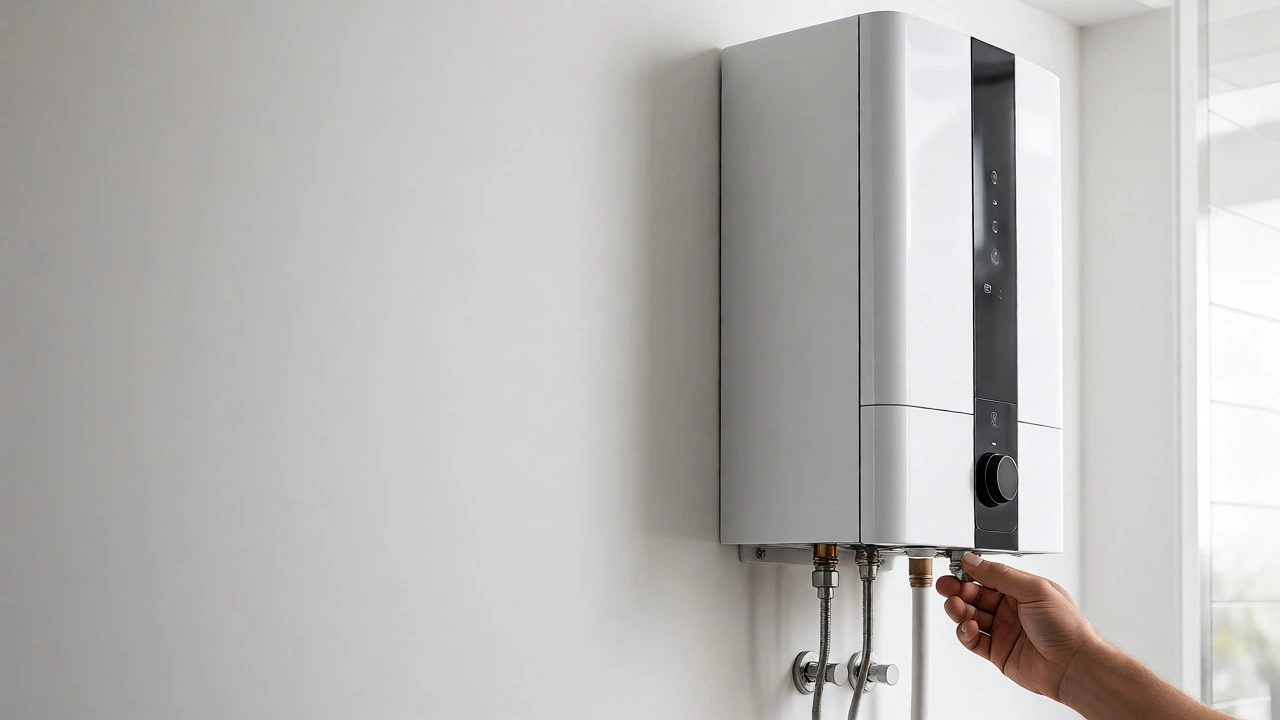
Tankless water heaters, also known as on-demand systems, are designed to last significantly longer. Because they don’t hold standing water-which causes corrosion over time-they avoid the primary killer of traditional tanks. While a tank fails because the metal rusts through, a tankless unit often just needs part replacements. Heat exchangers can be cleaned, fans replaced, and igniters swapped. It’s not uncommon to see a well-maintained Noritz or Rinnai tankless unit running strong after 25 years.
However, don’t dismiss tanks entirely. High-end storage tanks, particularly those with glass-lined interiors and robust sacrificial anodes, can stretch toward 15-20 years. But 30? For a tank, that’s nearly unheard of unless it’s been treated like a museum piece.
The Three Killers of Water Heaters
If you want to know why some units die young and others survive decades, look at these three factors. They determine whether your system makes it to retirement age.
1. Corrosion and the Anode Rod
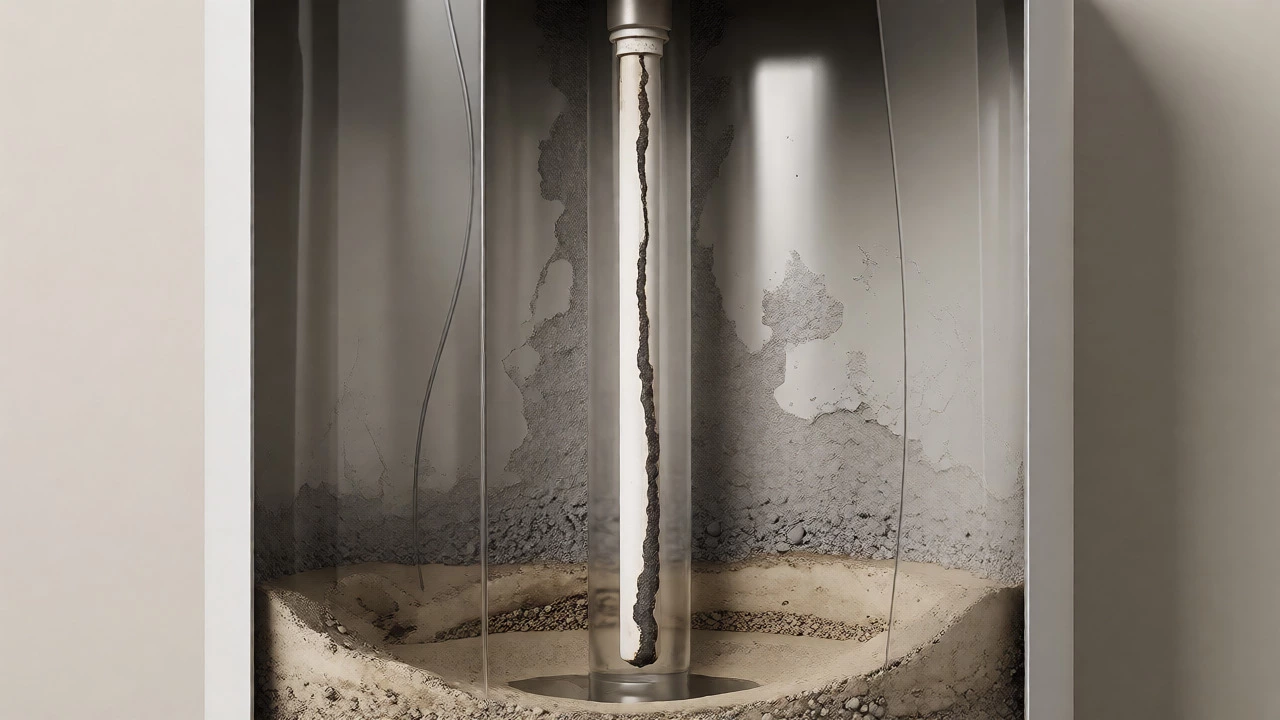
Inside every steel tank sits a sacrificial anode rod. This is a metal rod, usually made of magnesium or aluminum, that attracts corrosive elements in the water. Instead of the steel tank rusting, the rod corrodes. It sacrifices itself to save the tank.
Here’s the reality check: if you never change the anode rod, it dissolves completely within 3-5 years. Once it’s gone, the water starts eating the tank walls. In hard water areas, this process accelerates. Homeowners who inspect and replace their anode rods every 3-5 years can add 5-10 years to their tank’s life. Skipping this step is the number one reason units fail early.
2. Water Quality and Sediment
Your local water supply plays a massive role. Hard water-water high in calcium and magnesium-leaves mineral deposits at the bottom of the tank. This sediment acts like an insulator, forcing the heating element (in electric models) or burner (in gas models) to work harder. Overheating damages the tank lining and cracks components.
In New Zealand, where water hardness varies by region, flushing your tank annually to remove sediment is crucial. If you live in an area with very hard water, consider installing a water softener. It’s an upfront cost, but it protects the expensive machinery downstream. Without it, expect a shorter lifespan regardless of how much you maintain the unit.
3. Temperature Settings
Most people crank their thermostats up too high. Setting your water heater to 60°C (140°F) or higher increases pressure inside the tank and accelerates mineral buildup. Manufacturers recommend 49°C (120°F) for most households. Running hotter than necessary doesn’t just waste energy; it physically stresses the tank’s structural integrity. Lowering the temperature slightly can buy you years of service.
Signs Your Unit Is Nearing the End
How do you know if your 20-year-old hero is finally calling it quits? Watch for these red flags:
- Rusty Water: If hot water runs brown or yellow, the internal lining is compromised. The steel is rusting.
- Popping Noises: Loud banging or popping sounds mean sediment has hardened around the heating element. This reduces efficiency and risks overheating.
- Leaking Moisture: Even a small drip at the base indicates the tank is failing. Tanks rarely leak slowly for long; they tend to burst suddenly.
- Inconsistent Heating: If you run out of hot water faster than usual, the dip tube may be broken, or the element is coated in scale.
If you see any of these signs in a unit older than 15 years, repair is usually a bad investment. You’re putting lipstick on a pig. The cost of fixing a leaking tank often approaches the price of a new, more efficient model.
Is It Worth Keeping an Old Unit?
Let’s talk economics. Suppose you have a 25-year-old gas water heater that’s still working. Should you replace it? Modern units are roughly 20-30% more energy-efficient than models from the late 1990s. However, the savings on your utility bill might take 5-10 years to offset the cost of a new installation.
If your current unit is reliable, has no leaks, and provides enough hot water for your household, keeping it might make financial sense. Just be prepared for the risk of sudden failure. Have a plan B ready-know who to call for emergency installation so you aren’t stuck in cold water for days.
On the other hand, if you’re dealing with frequent repairs, rising energy bills, or inconsistent temperatures, upgrading now is smarter. Newer models offer better warranties, improved safety features, and quieter operation. Plus, you gain peace of mind knowing you won’t deal with a catastrophic flood at 2 AM.
How to Maximize Your Current Heater’s Life
Whether you’re trying to squeeze another five years out of an old tank or protect a new purchase, follow this checklist:
- Inspect the Anode Rod: Do this every 2-3 years. Replace it if it’s less than half its original thickness.
- Flush the Tank: Drain a few gallons every six months to clear sediment. For heavily used homes, do this annually.
- Check the Pressure Relief Valve: Lift the test lever occasionally. If it doesn’t snap back or drips continuously, replace it. A faulty valve can cause dangerous pressure buildup.
- Insulate Pipes: Wrap exposed hot water pipes with foam sleeves. This keeps heat in, reducing the workload on your heater.
- Lower the Thermostat: Set it to 49°C (120°F). It’s safe for most uses and extends component life.
These steps take minutes, not hours. Yet, they directly impact whether your system lasts 10 years or 20.
Frequently Asked Questions
Can a water heater really last 30 years?
Yes, but it is extremely rare for standard storage tanks. It typically requires exceptional conditions: soft water, rigorous annual maintenance (especially anode rod replacement), and a high-quality commercial-grade build. Tankless systems are much more likely to reach or exceed 30 years due to their modular design and lack of standing water.
Should I replace my water heater before it breaks?
If your unit is over 15 years old, proactive replacement is often wise. Sudden failures can cause significant water damage. Waiting for a breakdown risks flooding your home. However, if the unit is under warranty and functioning perfectly, you can safely wait until the end of its expected lifespan.
What kills a water heater fastest?
Corrosion caused by a depleted anode rod and sediment buildup from hard water are the two biggest killers. Neglecting maintenance allows these processes to accelerate, leading to premature failure. High thermostat settings also contribute by increasing pressure and mineral crystallization.
Are tankless water heaters worth the extra cost?
For many homeowners, yes. While the upfront cost is higher, tankless units last twice as long as tank models and use less energy since they only heat water on demand. Over a 20-year period, the energy savings and avoided replacement costs often outweigh the initial price difference.
How often should I flush my water heater?
In areas with hard water, flush the tank every 6 months. In areas with soft water, once a year is sufficient. Flushing removes sediment that insulates heating elements and reduces efficiency, helping to prevent overheating and structural damage.