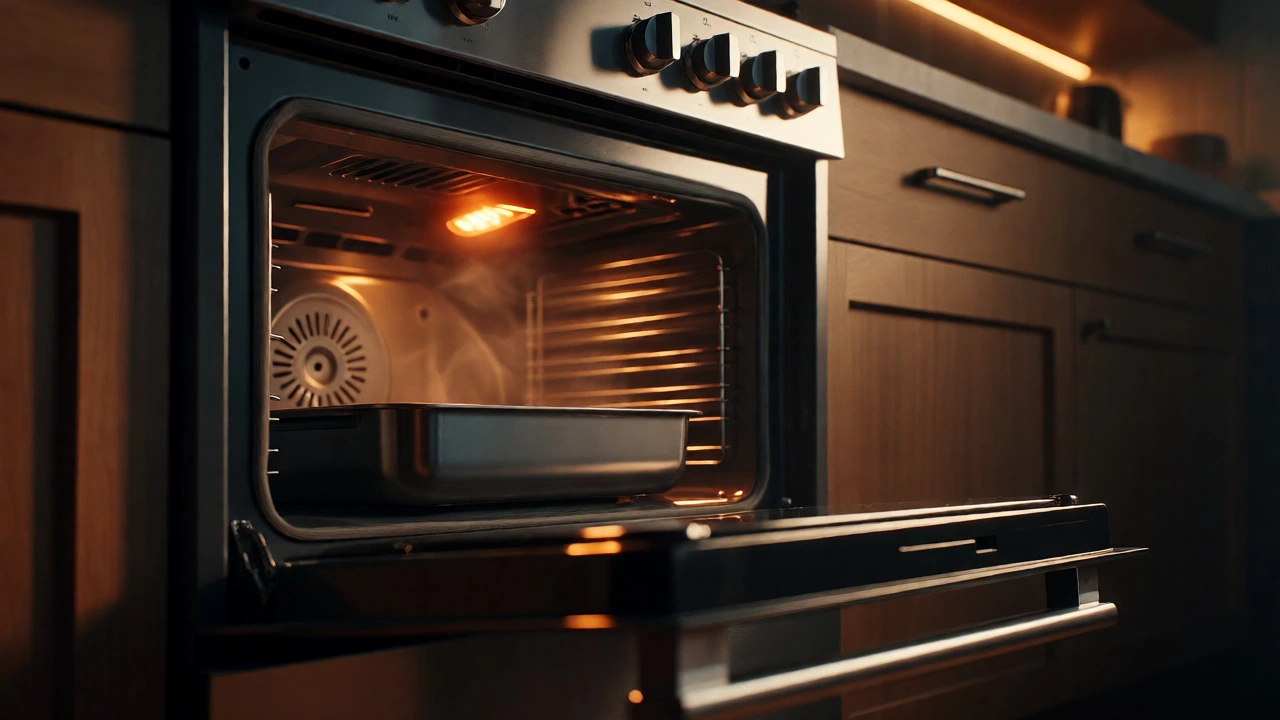
Cooker Repair vs. Replace Calculator
Use this tool to determine if fixing your cooker is financially sensible. We apply the "50% Rule": if repairs exceed half the cost of a new equivalent model, replacement is usually better.
Imagine the frustration: you’re halfway through roasting a Sunday lamb, and your cooker suddenly stops heating. The oven light is on, but the temperature gauge hasn’t budged in twenty minutes. Panic sets in. Do you call an engineer, or do you start browsing for a new unit?
The short answer is yes, most cookers can be repaired. But the real question isn't just about possibility-it's about practicality. Is it worth fixing, or are you throwing good money after bad? As someone who has spent years fixing appliances across New Zealand, I’ve seen everything from simple thermostat swaps to catastrophic control board failures. Let’s break down exactly when you should reach for the screwdriver (or the phone) and when you should head to the appliance store.
Understanding Your Cooker Type Matters
Before you decide anything, you need to know what you’re dealing with. Not all cookers are created equal, and their repairability varies wildly based on their fuel source and complexity.
If you have a gas cooker, an appliance that uses natural gas or LPG for cooking, the mechanics are generally simpler. Gas hobs rely on burners, ignition electrodes, and thermocouples. These parts are often modular and easy to replace. If a burner won’t light, it’s usually a dirty electrode or a faulty spark module-both cheap fixes.
On the other hand, electric ovens, appliances powered by mains electricity using resistive heating elements involve more complex electronics. Modern electric models come with digital displays, touch controls, and sophisticated sensors. While the heating element itself is a straightforward part, the electronic control board that manages it can be expensive and sometimes unavailable for older models.
Dual fuel cookers, combinations of gas hobs and electric ovens offer the best of both worlds but double the potential points of failure. You might find yourself repairing the gas side one year and the electrical side the next. This split nature actually makes them quite resilient; if one half fails, the other often keeps working, giving you time to plan the repair.
The Five-Year Rule and Component Costs
Here is a rule of thumb I use with my clients: compare the repair cost to the price of a new equivalent model. If the repair quote exceeds 50% of the cost of a new cooker, replacement is usually the smarter financial move.
Why 50%? Because appliances depreciate. A five-year-old cooker doesn’t have the energy efficiency ratings or safety features of a 2026 model. Plus, if you spend $300 fixing a $600 machine today, you might face another $200 repair six months later. That’s $500 spent on a dying unit.
However, age isn’t the only factor. Brand availability plays a huge role. Common brands like Fisher & Paykel, a major New Zealand-based home appliance manufacturer or Smeg, an Italian luxury kitchen appliance brand tend to have better spare part support than obscure budget brands. If you own a generic supermarket-brand cooker from ten years ago, finding a specific fan motor or door hinge might be impossible, forcing a replacement regardless of the problem.
Common Issues That Are Worth Fixing
Some problems are classic "easy wins." These repairs are quick, cheap, and restore full functionality without breaking the bank.
- Faulty Heating Elements: If your oven heats unevenly or not at all, but the lights and fan work, it’s likely the element. Replacing a bake or grill element typically costs between $150 and $250 NZD including labor. It’s a high-value repair because these parts last a long time once replaced.
- Thermostat Failures: Does your oven run too hot or too cold? A faulty thermostat is a common culprit. Technicians can calibrate or replace this sensor relatively quickly. For many users, this restores precise cooking performance, which is critical for baking.
- Door Seals and Hinges: Heat escaping around the door seal wastes energy and lowers cooking efficiency. Replacing a rubber gasket or a broken hinge is inexpensive and improves safety, especially with gas units where leaks are a concern.
- Ignition Problems: On gas hobs, clicking sounds without flames usually mean a wet or dirty igniter. Cleaning it is free. If it needs replacing, the part is small and cheap.
| Issue | Avg. Repair Cost | Worth Repairing If... |
|---|---|---|
| Heating Element | $180 - $250 | Cooker is under 10 years old |
| Control Board | $400 - $600 | High-end brand; otherwise replace |
| Thermostat | $150 - $200 | Always worth it for accuracy |
| Fan Motor | $200 - $300 | Convection oven usage is frequent |
| Gas Valve | $250 - $350 | Safety critical; always repair |
When Replacement Is the Better Option
There are scenarios where calling a technician is just delaying the inevitable. Here is when you should cut your losses.
The Control Board Disaster: In modern smart ovens, the main printed circuit board (PCB) acts as the brain. If this fails, diagnostics can take hours, and the part itself can cost nearly as much as a mid-range new oven. Unless your cooker is less than three years old and still under warranty, replacing the whole unit is often cheaper than fixing the brain.
Rust and Corrosion: Look inside the cavity. If the enamel is peeling badly or there is significant rust on the frame, structural integrity is compromised. Rust spreads. A repair now might hold for a month, but moisture will continue to eat away at the metal, eventually affecting insulation and electrical components. At this stage, no amount of patching will save the appliance.
Discontinued Models: Check the model number sticker, usually located inside the door frame or behind the drawer. If you search online and find zero spare parts available, don’t bother calling a tech. They will show up, look at it, charge you a call-out fee, and tell you they can’t get the part. Save yourself the hassle.
Safety First: Gas Leaks and Electrical Faults
You cannot DIY certain repairs. If you smell gas, leave the house immediately and contact your gas provider. Never attempt to repair a gas valve or regulator yourself unless you are a licensed gasfitter. In New Zealand, strict regulations govern gas work for a reason. A poorly fitted joint can lead to carbon monoxide poisoning or explosion risks.
Similarly, if you see scorch marks on the plug or the wall socket, or if the fuse box trips every time you turn the oven on, you have an electrical fault. This could be internal wiring chafing against the chassis. Continuing to use it is a fire hazard. Get a professional assessment before deciding on repair versus replace.

DIY vs. Professional Help: Know Your Limits
Can you fix it yourself? Some things, yes. Unplugging the appliance, cleaning the igniters with a toothbrush, or replacing a visible bulb is safe for anyone comfortable with basic tools. Always disconnect power or gas supply first.
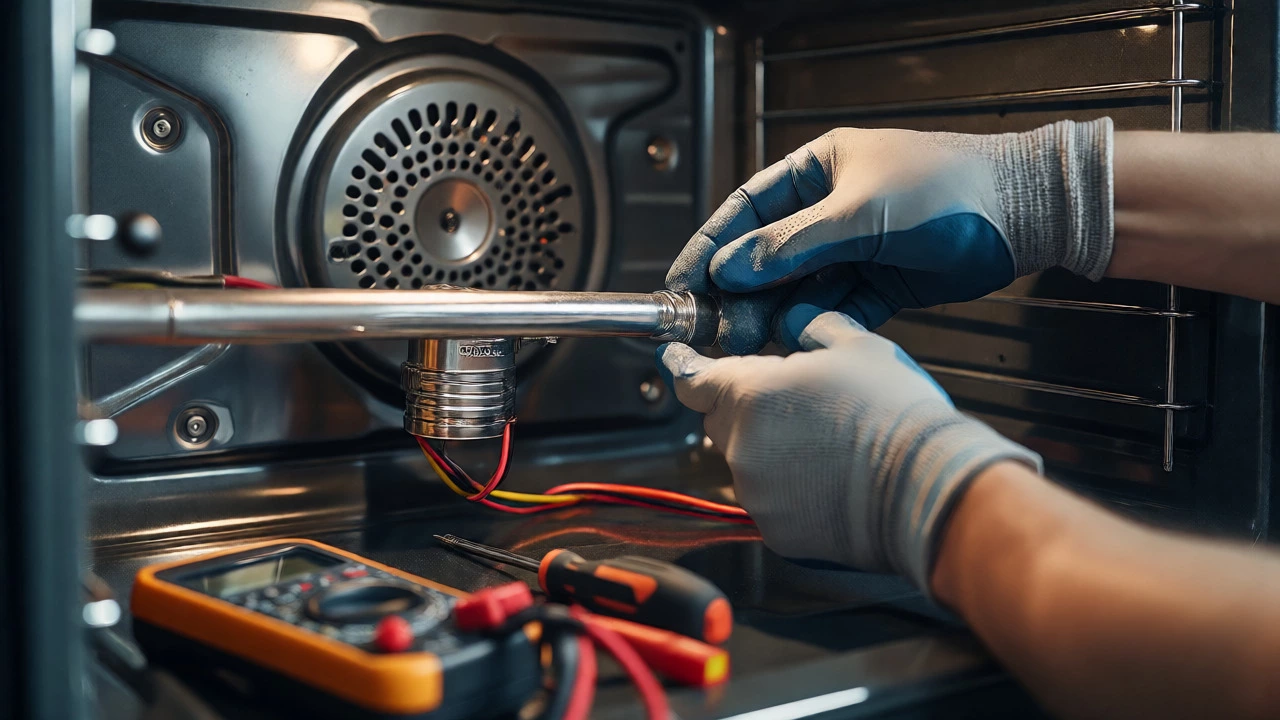
But opening the back panel of an oven? That involves removing screws, handling capacitors that can hold a charge, and navigating tight spaces. If you aren’t confident, pay the pro. A botched DIY job can void warranties or cause further damage. Remember, technicians carry diagnostic tools like multimeters and thermal cameras that pinpoint issues instantly. Guesswork leads to buying the wrong parts.
Extending the Life of Your Cooker
Once you’ve decided to keep your current cooker, maintain it to avoid future breakdowns. Clean spills immediately, especially sugary ones that can bake onto the glass and cause cracks during thermal shock. Avoid slamming the door, which damages hinges over time.
Check the door seals annually. A simple dollar bill test helps: close the door on a piece of paper. If you can pull it out easily, the seal is loose. Tightening the hinges or replacing the gasket is a minor task that saves energy and ensures even cooking.
How long does a typical cooker last?
Most quality cookers last between 10 and 15 years. Budget models may fail sooner, while high-end dual-fuel ranges can last 20+ years with proper maintenance. Age is a primary factor in the repair-versus-replace decision.
Is it cheaper to repair an oven or buy a new one?
It depends on the fault. Simple parts like thermostats and elements are usually worth repairing. Complex electronic faults or structural rust often make replacement more cost-effective, especially if the repair cost exceeds 50% of a new unit's price.
Can I replace a gas burner myself?
Replacing the burner cap and base is often a DIY task. However, if the issue lies within the gas line, valve, or ignition system, you must hire a licensed gasfitter to ensure safety and compliance with local regulations.
What are signs my cooker needs immediate attention?
Look for burning smells, uneven heating, sparks from the igniter, water pooling under the oven, or error codes on the display. Ignoring these can lead to more expensive secondary damage or safety hazards.
Do warranties cover cooker repairs?
Manufacturer warranties typically cover parts and labor for the first 1-2 years. Extended warranties may cover longer periods but often exclude wear-and-tear items like door seals or racks. Always check your purchase documentation.