Water Heater Element Diagnostic Tool
Follow these steps to determine if your electric water heater's heating element needs replacement.
- Inconsistent temperature (hot then cold quickly)
- Slow recovery time (long wait between showers)
- Cloudy or discolored hot water
- Popping, cracking, or rumbling noises (Kettling)
- No hot water at all
Safety First: Ensure power is OFF before testing. Set multimeter to Ohms (Ω).
| Meter Reading | Meaning | Action Required |
|---|---|---|
| 10–30 Ω | Element is functional | Check thermostat or wiring if no heat |
| Infinity (OL) | Open circuit / Broken wire | Replace element immediately |
| Zero (0) Ω | Short circuit | Replace element and check grounding |
| Fluctuating | Loose connection or failing element | Tighten connections or replace |
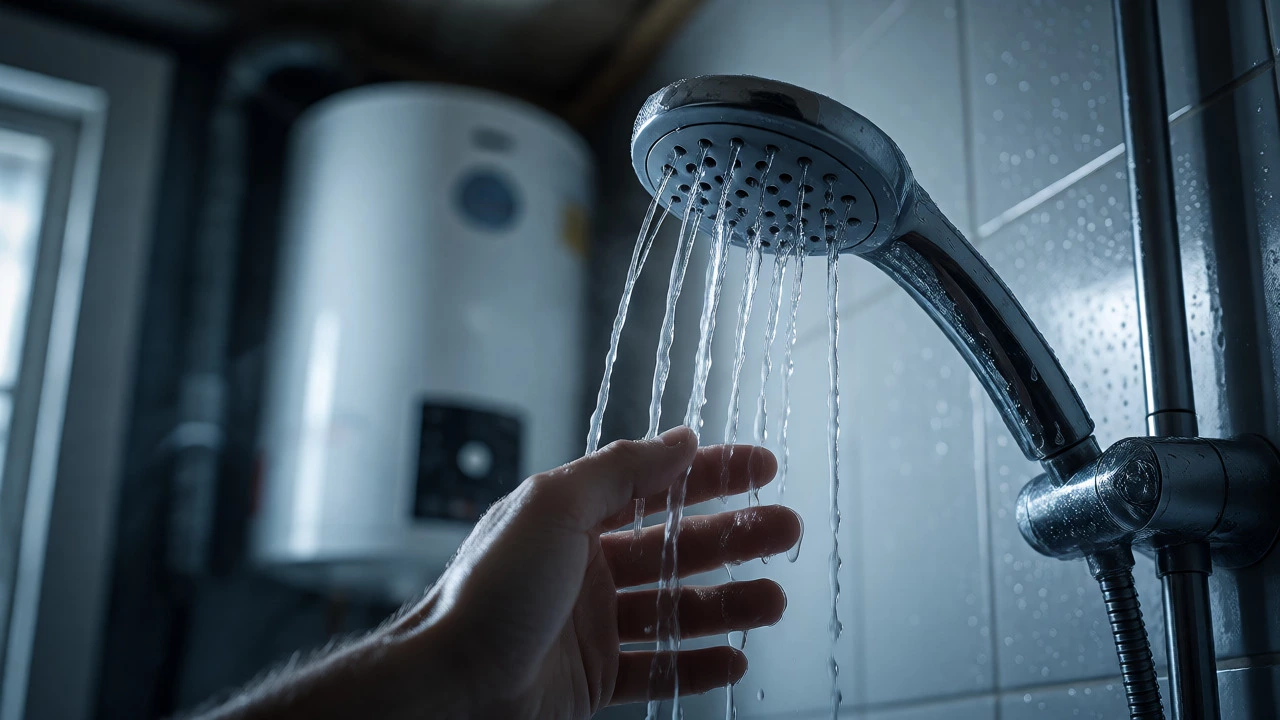
You step into the shower expecting a blast of steam, but instead, you get a lukewarm trickle that makes you shiver. It’s frustrating, right? Most people immediately blame the thermostat or assume the whole unit is dying. But in many cases, the culprit is something much smaller and cheaper to fix: a heating element that has burned out or become coated in mineral deposits. If you have an electric water heater, this component is the heart of your system. When it fails, your hot water supply vanishes. The good news? You don’t need to be a master plumber to spot the problem. Let’s look at exactly how to tell if your element is bad, so you can decide whether to grab a multimeter or call for help.
The Warning Lights on Your Dashboard
Before you start pulling things apart, pay attention to what your water heater is telling you. A failing element rarely dies silently; it usually gives you clues first. The most obvious sign is inconsistent water temperature. Maybe the water gets hot initially but cools down quickly after just a few minutes of use. This happens because one of the two elements (in dual-element tanks) has failed, leaving only half the tank heating effectively. Or perhaps you notice the recovery time-the time it takes to reheat the tank-has doubled. If your family used to take back-to-back showers without issue, but now everyone has to wait an hour between them, your heating capacity has dropped.
Another red flag is cloudy or discolored water coming from the hot tap. When an element corrodes or burns out, it can release rust particles or sediment into the water. If you see brownish tints or feel grit in your shower stream, inspect the element area. Also, listen closely. A healthy electric water heater is quiet. If you hear popping, cracking, or rumbling noises, it’s often due to "kettling." This occurs when water gets trapped under layers of mineral buildup on the element, boiling rapidly and creating noise. While kettling can also indicate a leaking tank, it frequently starts with a scaled-up element that needs cleaning or replacement.
Why Elements Fail: Sediment and Scale
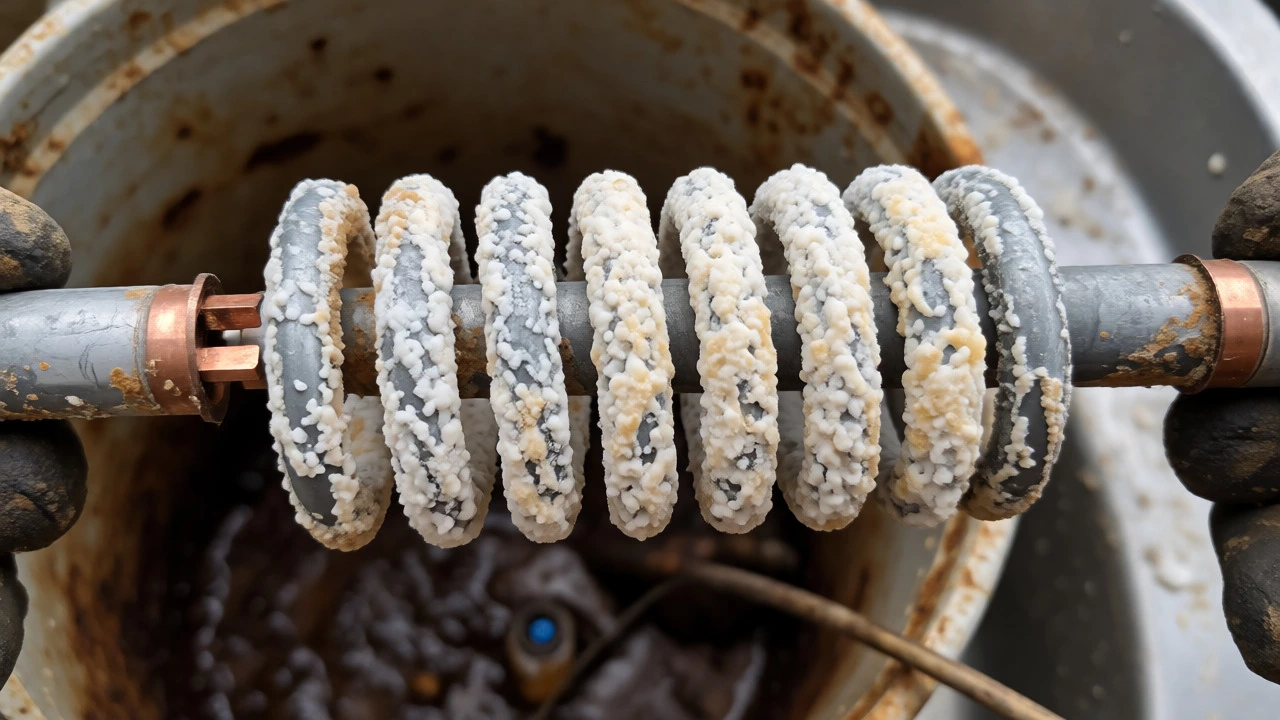
To understand why elements fail, you have to understand their environment. An electric water heater element is essentially a metal coil filled with magnesium oxide insulation, wrapped around a heating wire. It sits submerged in water inside the tank. Over time, minerals like calcium and magnesium (hard water) settle at the bottom of the tank. Since elements are located near the bottom, they get buried in this sediment layer.
When an element is covered in scale, it acts like an insulator. The heat generated by the element cannot transfer efficiently to the water. Instead, the heat builds up within the element itself, causing the internal wire to overheat and eventually snap. Think of it like trying to boil water in a pot while wearing thick oven mitts; the heat stays in your hands (the element) rather than going into the water. In areas with hard water, this process accelerates significantly. If you live in a region with high mineral content, checking your element annually is a smart move. Regular flushing of the tank can prevent this buildup, extending the life of your heating element by years.
Using a Multimeter: The Definitive Test
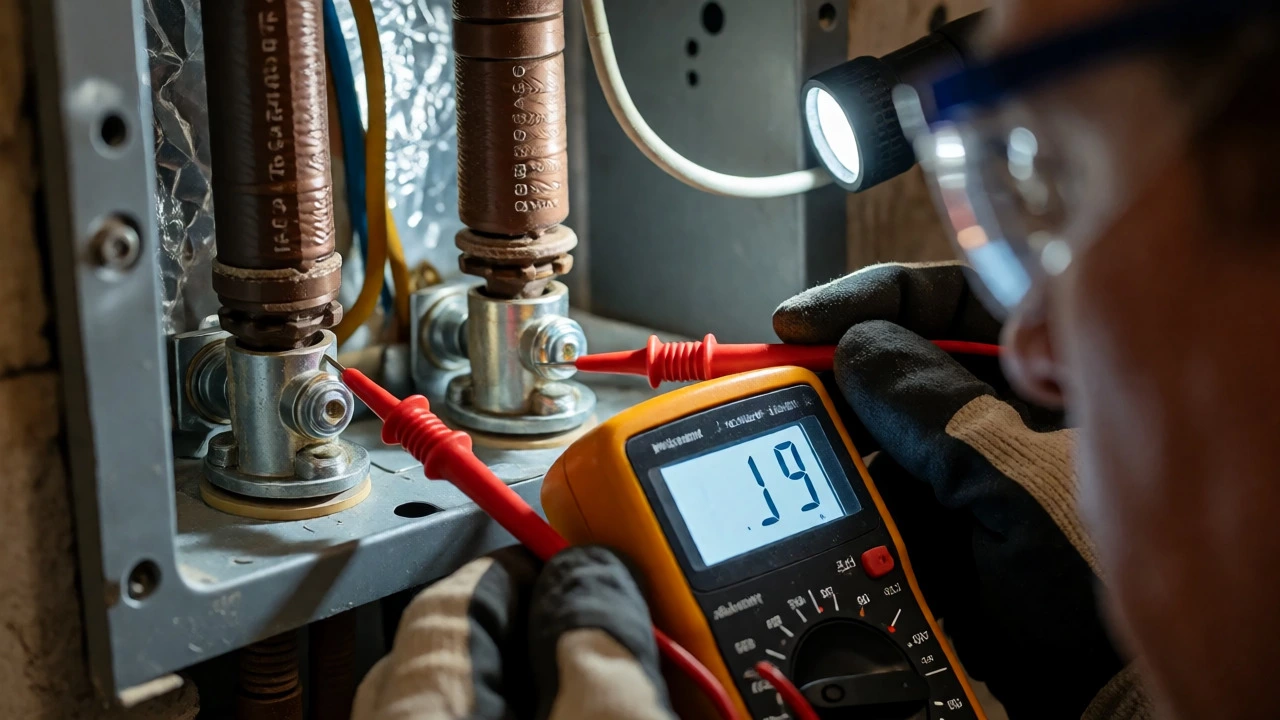
Guessing isn’t enough. To know for sure if your element is dead, you need a multimeter. This small device measures electrical resistance, and it’s the only way to confirm a break in the circuit. Before you touch anything, safety is non-negotiable. Turn off the power to the water heater at the circuit breaker. Verify the power is off by testing the voltage at the terminal cover with your multimeter. Never work on a live circuit; electricity and water are a dangerous mix.
Once safe, remove the access panel and insulation covering the element terminals. You’ll see two screws where wires connect to the element. Set your multimeter to measure resistance (Ohms). Touch one probe to each screw. A healthy element typically shows a resistance reading between 10 and 30 Ohms, depending on its wattage and voltage. If the meter reads infinity (often displayed as "OL" or "1") or zero, the element is faulty. Infinity means the circuit is open-the wire inside is broken. Zero suggests a short circuit, which is rare but possible if the element is grounded incorrectly or damaged internally. Repeat this test for both the upper and lower elements if you have a dual-element tank.
| Meter Reading | Meaning | Action Required |
|---|---|---|
| 10-30 Ohms | Element is functional | Check thermostat or wiring if no heat |
| Infinity (OL) | Open circuit / Broken wire | Replace element immediately |
| Zero (0) Ohms | Short circuit | Replace element and check grounding |
| Fluctuating | Loose connection or failing element | Tighten connections or replace |
Thermostat vs. Element: Ruling Out Other Culprits
A bad element isn’t the only reason for cold water. Thermostats fail too, and they’re easier to reset. Modern water heaters have safety cutoffs that trip if the water overheats. If your tank got too hot recently, the high-limit switch might have tripped, cutting power to the elements. Look for a small red button on the thermostat assembly. Pressing it might restore power. However, if the button pops out again immediately, you likely have a stuck relay or a failing thermostat, not necessarily a bad element.
Here’s a quick heuristic: If the element tests fine with a multimeter (shows proper resistance), the problem lies elsewhere. Check the wiring for loose connections or burnt spots. Inspect the thermostat continuity. If the thermostat is closed (continuity present) but the element still doesn’t heat, verify the voltage reaching the element terminals. Sometimes, a faulty relay in the control board prevents power from reaching the element even if the thermostat calls for heat. By ruling out these components systematically, you avoid replacing parts that are still working.
Replacing the Element: What to Expect
If your tests confirm a bad element, replacement is straightforward but messy. You’ll need a new element compatible with your tank’s voltage and wattage. Mismatched specs can cause poor performance or damage. For example, putting a 4500-watt element in a 3800-watt tank might overload the circuit. Always match the specifications printed on the old element.
Drain the tank below the level of the element. This prevents a flood when you unscrew it. Use an element wrench (a specific socket tool) to loosen the old part. Be prepared for some residual water to spill. Clean the tank opening thoroughly before installing the new element. Any leftover debris can prevent a proper seal, leading to leaks. Apply pipe thread sealant or Teflon tape to the new element’s threads. Tighten it snugly, but don’t overtighten-you can crack the tank lining or strip the threads. Refill the tank, bleed air from the lines by opening a hot water faucet until water flows steadily, then restore power.
Preventing Future Failures
Once you’ve fixed the issue, take steps to protect your investment. Flushing your water heater annually removes sediment before it buries the elements. Installing a water softener can drastically reduce mineral buildup if you live in a hard water zone. Consider adding a sacrificial anode rod if your tank doesn’t have one; it attracts corrosion away from the steel tank and elements. Finally, monitor your energy bills. A sudden spike in electricity usage can indicate inefficient heating due to scaling, prompting early maintenance before total failure occurs.
Can I replace a water heater element myself?
Yes, if you are comfortable working with basic tools and following safety protocols. You must turn off the power and drain the tank partially. If you are unsure about handling electrical connections or plumbing seals, hiring a professional is safer and often cost-effective compared to fixing mistakes.
How long do water heater elements last?
Typically, heating elements last between 8 and 10 years. However, in areas with very hard water, they may fail in as little as 3 to 5 years due to mineral scale buildup acting as an insulator and causing overheating.
What does a bad heating element sound like?
A failing element often causes popping, cracking, or rumbling noises known as kettling. This sound occurs when water boils beneath layers of sediment on the element surface. Silence is normal for a functioning electric water heater.
Is it worth repairing an old water heater?
If the tank is less than 10 years old and has no signs of leakage or rust, replacing a $20-$50 element is usually worth it. If the tank is older than 12 years, consider replacement, as other components like the tank liner or valves may fail soon.
Why is my hot water running out quickly?
This often indicates that only one of the two elements is working. In dual-element tanks, the top element heats the water you use first. If it fails, you only get the limited hot water stored in the bottom section, which depletes rapidly.